FitBit is a pioneer in wearable technology. But the company has recently shifted its strategy amid competition from the Apple Watch, and as the wearable market has failed to really see mass adoption. Cheddar's Hope King and Brad Smith explore the company's performance using E*Trade's innovative platform.
Adult wearable technology users in the U.S. is expected to grow nearly 12 percent this year, according to eMarketer. In a survey conducted by Cheddar, 18 percent said they own a FitBit compared to 27 percent who've said they own an Apple Watch. 47 percent of those surveyed by Cheddar say they don't wear any wearable technology.
FitBit has had an up and down year, with shares ranging between $5 and $7 a share. Overall, shares are down 17 percent over the course of the past year. The company did introduce its first smartwatch in 2017, and is looking to directly compete against the Apple Watch at a similar price point. Shares also hit a 52-week high in December during the holiday shopping season.
FitBit reports fourth quarter earnings after the Closing Bell Monday. Analysts expect revenue of nearly $590 Million, and to break even in profit.
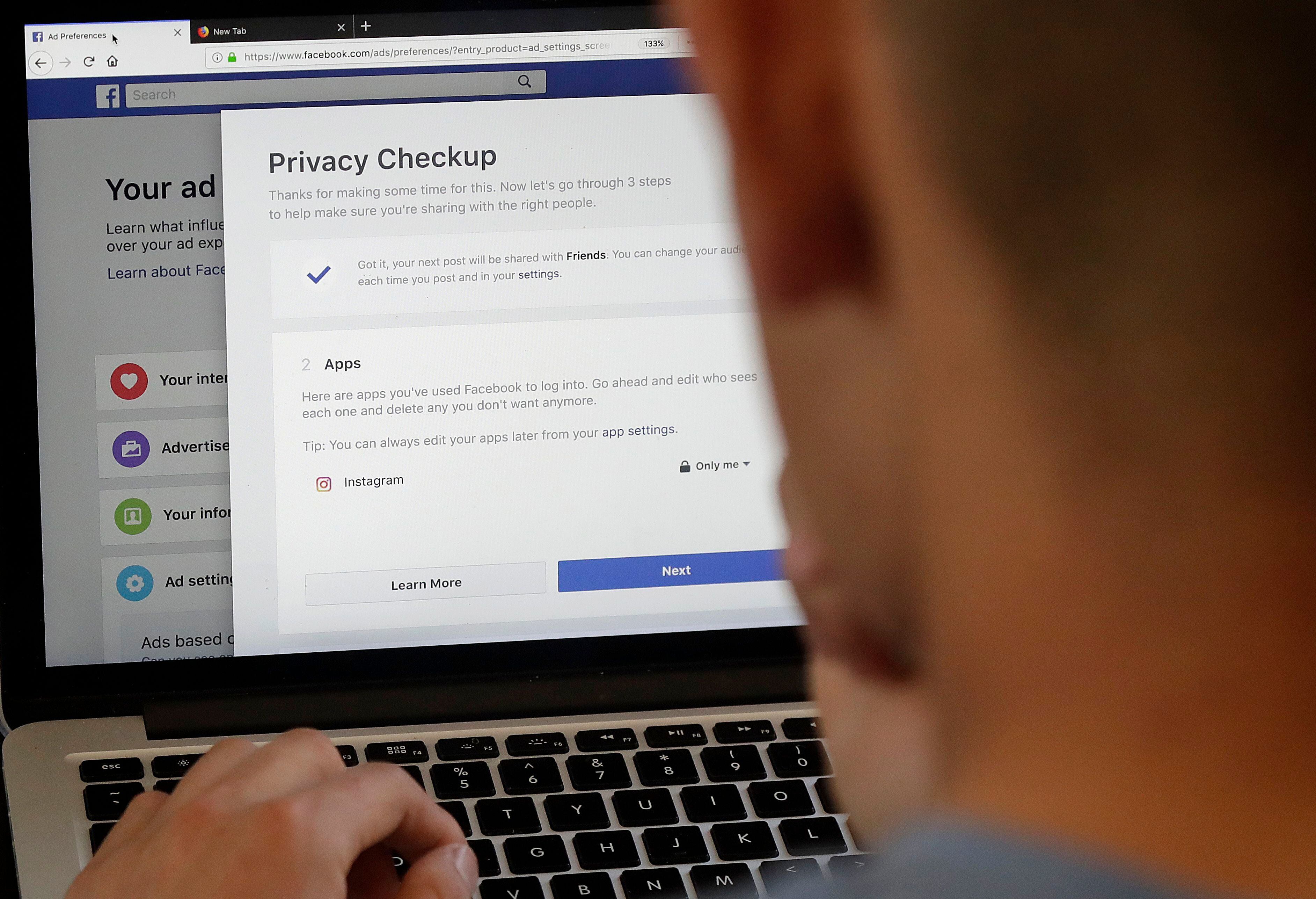
The SEC, FBI, and FTC are reportedly joining the Justice Department in investigating whether the social network withheld information about the Cambridge Analytica scandal. Shares of Facebook were down in early trade on Tuesday.
On Sunday, Elon Musk said the electric automaker produced 5,000 of the mass-market vehicles in the last week of June, finally hitting the target originally set for the third quarter of last year. A day later, the company announced its senior vice president of engineering Doug Field, who'd been on a leave of absence since May, had stepped down from his position.
The day the retail giant announced plans to acquire the online pharmacy company PillPack, competing retail pharmacy companies took a significant blow. Eight companies, including CVS and Rite Aid, dropped $17.5 billion in market cap in just one day.
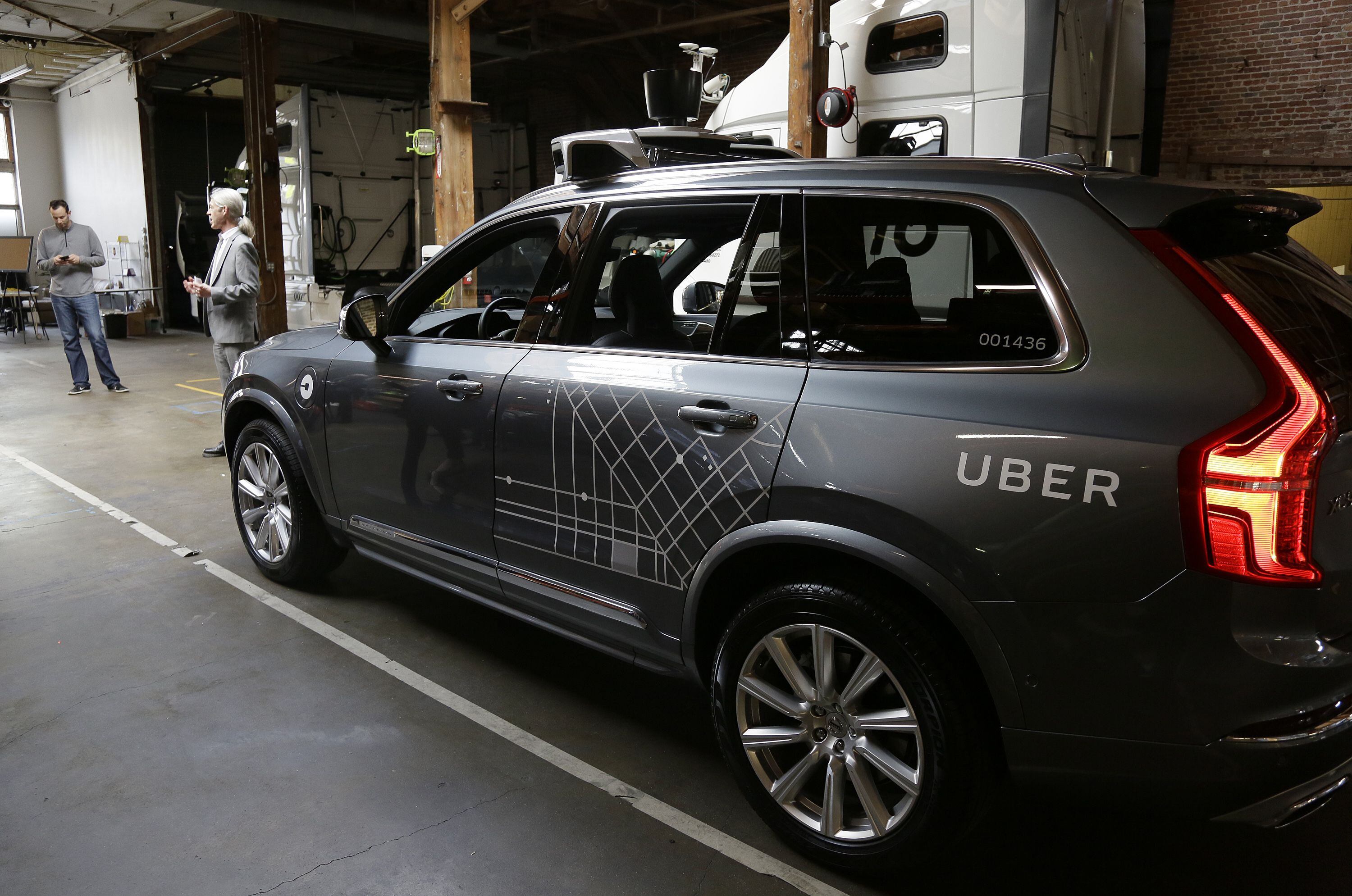
The ride-sharing company announced plans to begin testing autonomous-vehicle operations, despite a fatal crash involving an Uber driverless car in Arizona back in March. “There are about 30,000 people that die in automotive crashes every single year and there is an expectation that this is a technology that could substantially reduce that number,” says Ben Fox Rubin, CNET News senior reporter.
The crowdfunding platform announced plans to help teams raise money in a more collaborative way. "We realized that market was under served," GoFundMe CMO Raquel Rozas tells Cheddar.
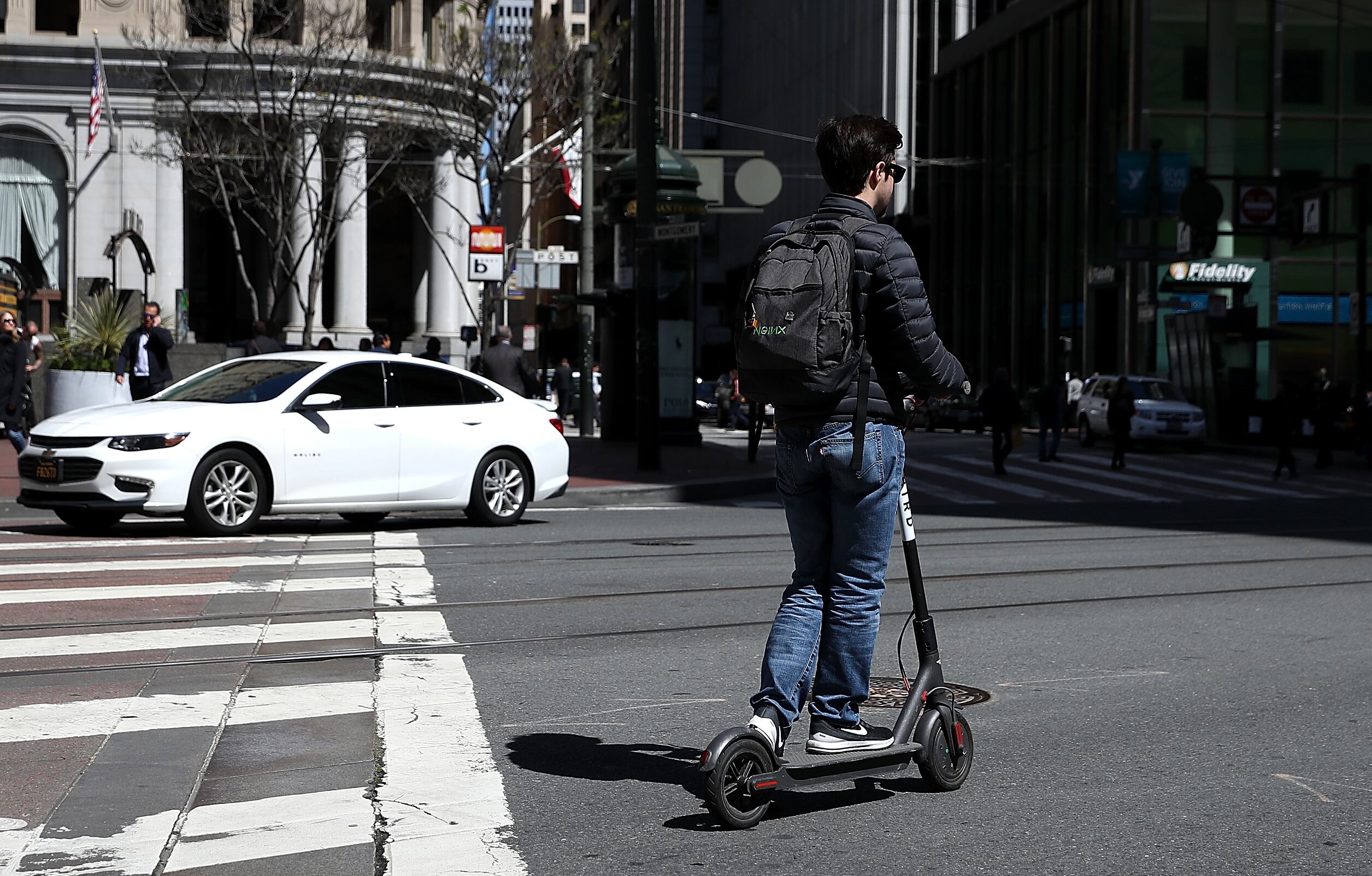
The scooter start-up reported on Thursday that it has raised $300 million. This is Bird's third round of funding this year, valuing the company at an estimated $2 billion. "We've never seen something grow so quickly with such high engagement," Dana Settle, founding partner, tells Cheddar.
A new California data privacy bill will require companies that store personal information to disclose what types of data they collect. The law also gives users the opportunity to opt out. "There's a certain point where this has maybe gone too far," Dave White, a former national counterterrorism center officer, tells Cheddar about companies collecting data.
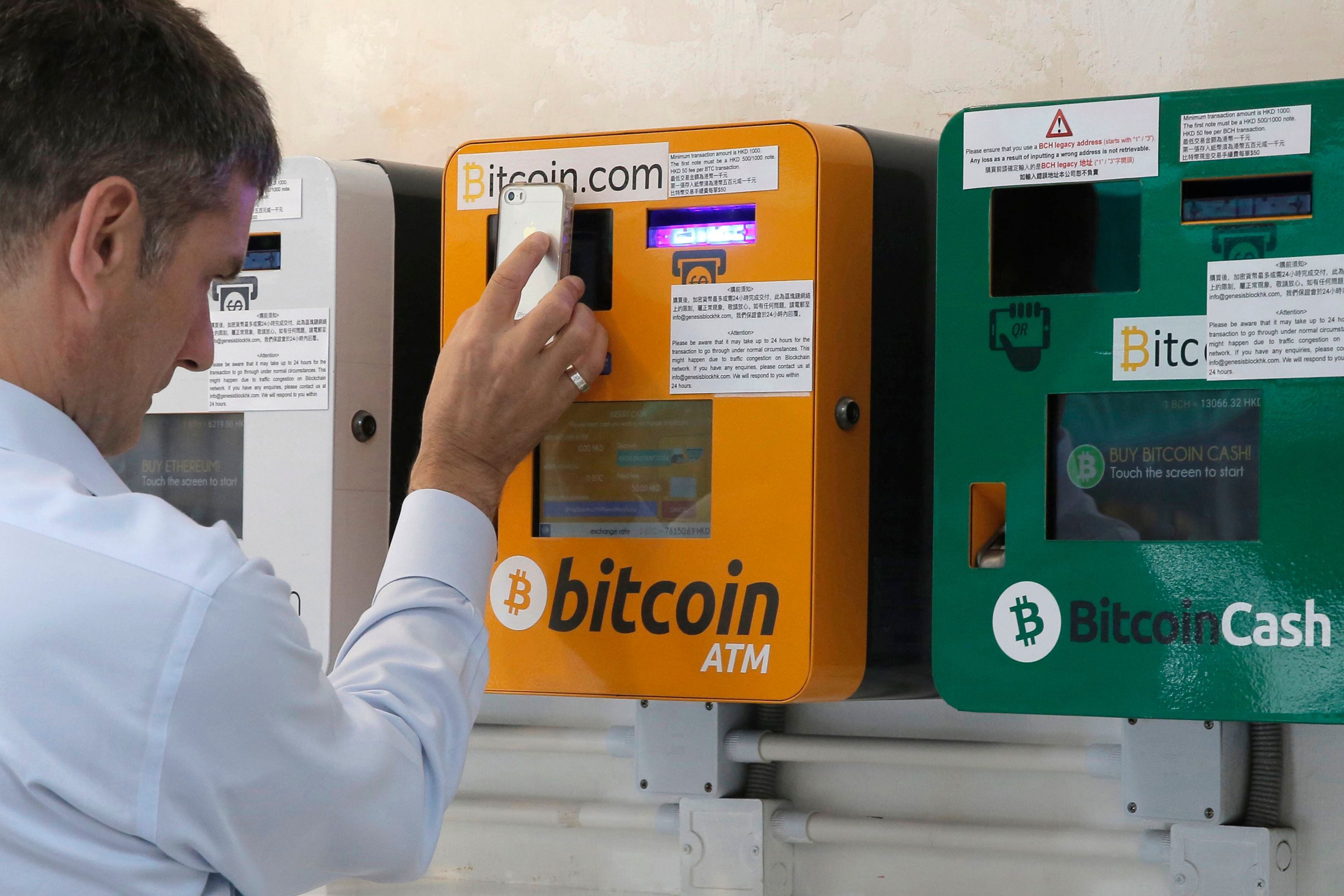
After Bitcoin took some significant blows in the market, some investors wonder how low it could go. "$5,000 was my most optimistic downward target and my most pessimistic downward target is $1,300," says blockchain and Bitcoin consultant Tone Vays.
The cryptocurrency is seeing weakening demand, which is putting pressure on prices. “We’ve slipped back in terms of people that accept it, so the transactional network is smaller today than it was a year ago,” says Paul Johnson, senior adviser at blockchain consulting firm Harbor Peak. “We’ve got this speculative demand that’s gone away because FOMO’s gone.”
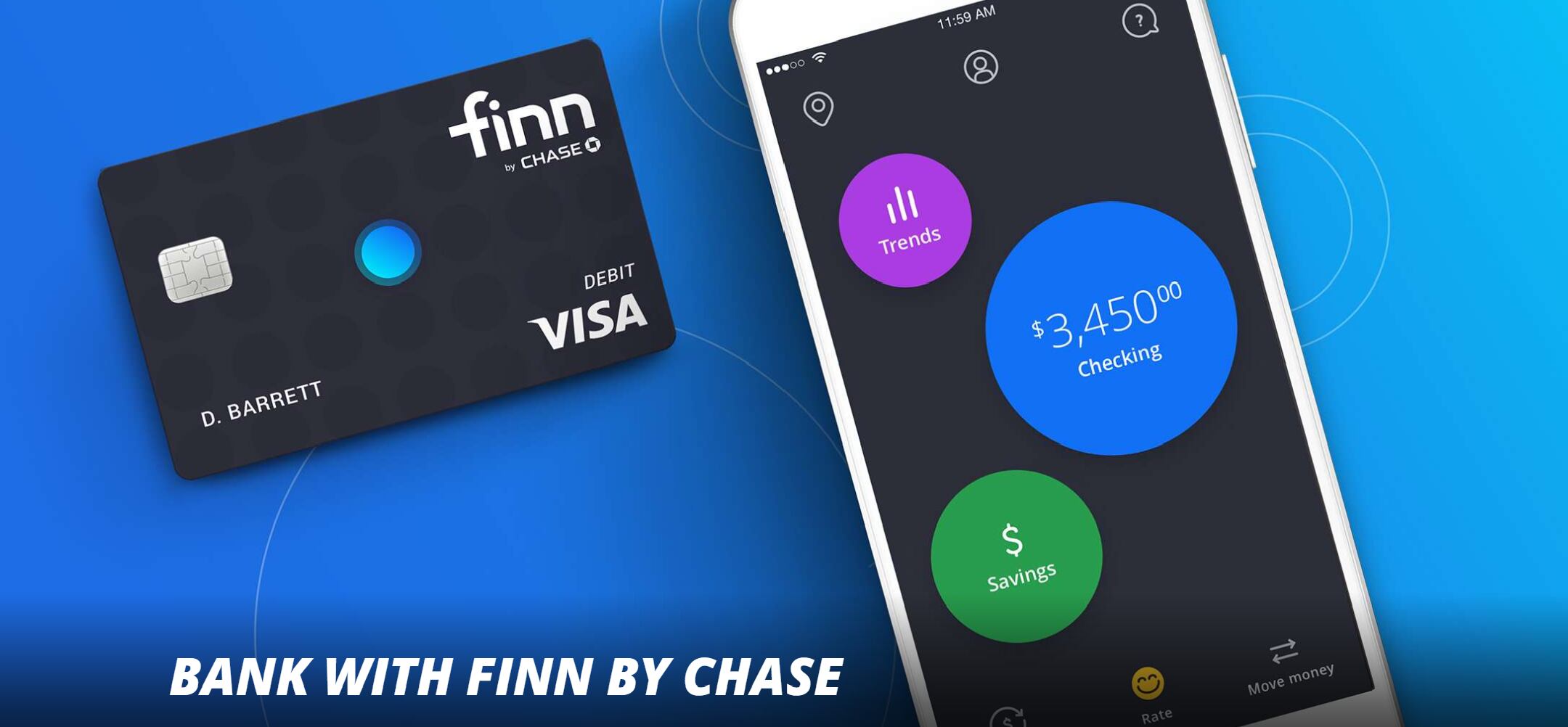
The consumer banking company, which has been testing and refining its Finn app in St. Louis since October, decided to expand its scope nationally. But the platform faces some tough competition, including Goldman Sach's Marcus and even Amazon.