E*TRADE Generation Trader: FitBit's Position in Wearable Tech
FitBit is a pioneer in wearable technology. But the company has recently shifted its strategy amid competition from the Apple Watch, and as the wearable market has failed to really see mass adoption. Cheddar's Hope King and Brad Smith explore the company's performance using E*Trade's innovative platform.
Adult wearable technology users in the U.S. is expected to grow nearly 12 percent this year, according to eMarketer. In a survey conducted by Cheddar, 18 percent said they own a FitBit compared to 27 percent who've said they own an Apple Watch. 47 percent of those surveyed by Cheddar say they don't wear any wearable technology.
FitBit has had an up and down year, with shares ranging between $5 and $7 a share. Overall, shares are down 17 percent over the course of the past year. The company did introduce its first smartwatch in 2017, and is looking to directly compete against the Apple Watch at a similar price point. Shares also hit a 52-week high in December during the holiday shopping season.
FitBit reports fourth quarter earnings after the Closing Bell Monday. Analysts expect revenue of nearly $590 Million, and to break even in profit.
Consolidation has been transforming the industry for at least the past two years, but much of the activity was happening in the background. That all changed in the past month.
From Wall Street to Silicon Valley, these are the top stories that moved markets and had investors, business leaders, and entrepreneurs talking this week on Cheddar.
For Meta, the sell-off marks another failed attempt by the social media giant to reinvent its core business model. What it means for other stablecoin projects, however, is still an open question.
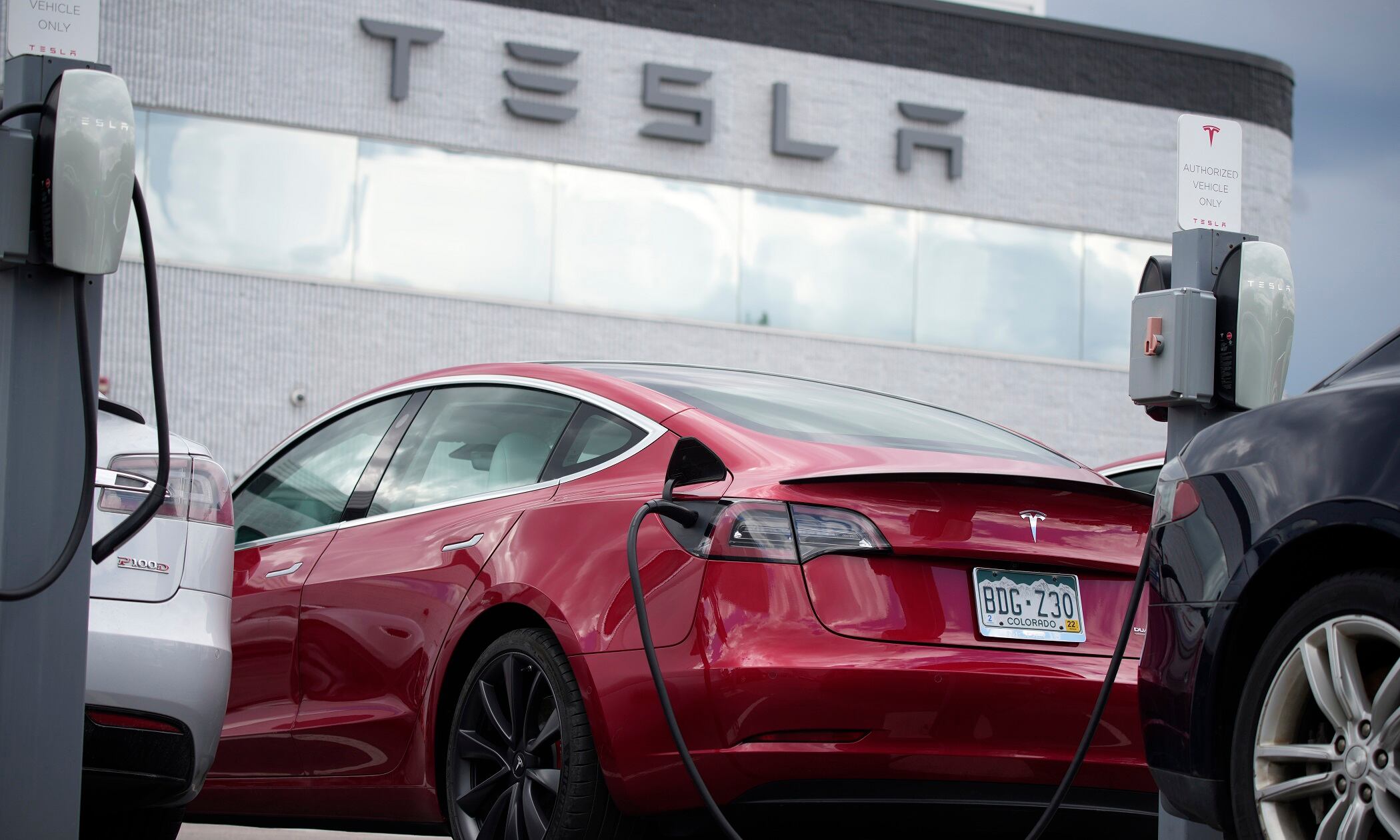
Tesla is recalling nearly 54,000 vehicles because their “Full Self-Driving” software lets them roll through stop signs without coming to a complete halt.
Toyota says it's working with Japan’s space agency on a vehicle to explore the lunar surface, with ambitions to help people live on the moon by 2040 and eventually live on Mars.
The study by California researchers that was published in Thursday’s journal Environmental Science & Technology found that more than 2.6 million tons of methane leaks into the air from gas stoves in the United States even when they aren't running.