E*TRADE Generation Trader: FitBit's Position in Wearable Tech
FitBit is a pioneer in wearable technology. But the company has recently shifted its strategy amid competition from the Apple Watch, and as the wearable market has failed to really see mass adoption. Cheddar's Hope King and Brad Smith explore the company's performance using E*Trade's innovative platform.
Adult wearable technology users in the U.S. is expected to grow nearly 12 percent this year, according to eMarketer. In a survey conducted by Cheddar, 18 percent said they own a FitBit compared to 27 percent who've said they own an Apple Watch. 47 percent of those surveyed by Cheddar say they don't wear any wearable technology.
FitBit has had an up and down year, with shares ranging between $5 and $7 a share. Overall, shares are down 17 percent over the course of the past year. The company did introduce its first smartwatch in 2017, and is looking to directly compete against the Apple Watch at a similar price point. Shares also hit a 52-week high in December during the holiday shopping season.
FitBit reports fourth quarter earnings after the Closing Bell Monday. Analysts expect revenue of nearly $590 Million, and to break even in profit.
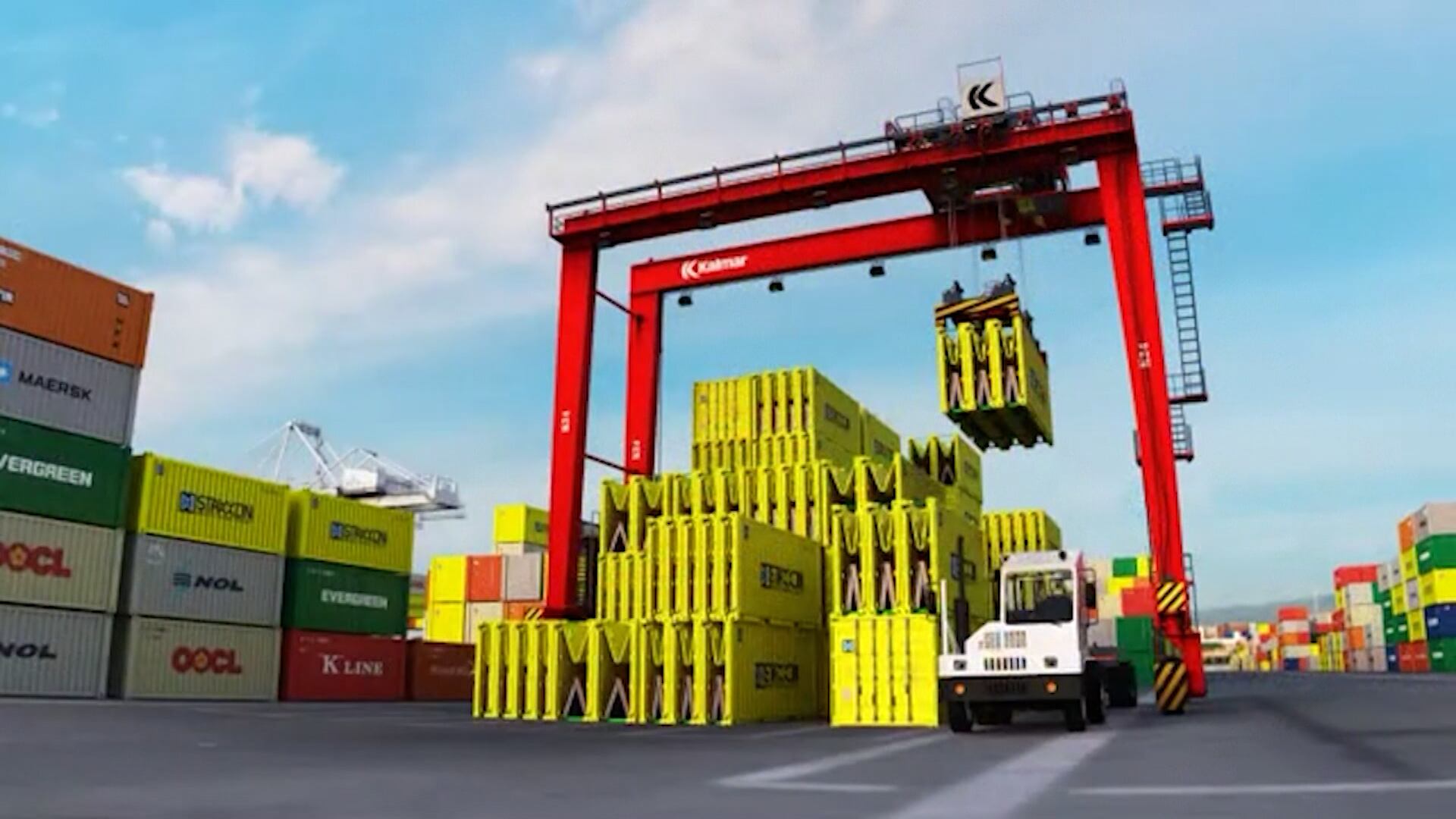
You've probably seen a traditional shipping container, but did you know that thousands of them sit empty at ports around the world and make supply chain issues worse? Staxxon says it has a solution: a foldable shipping crate that can be stacked with several others in order to save space, time, money, and even carbon emissions. George Kochanowski, CEO and CTO of Staxxon, joins Closing Bell to discuss its foldable containers, how the containers work with current shipping technology, and how they might save retailers money and space.
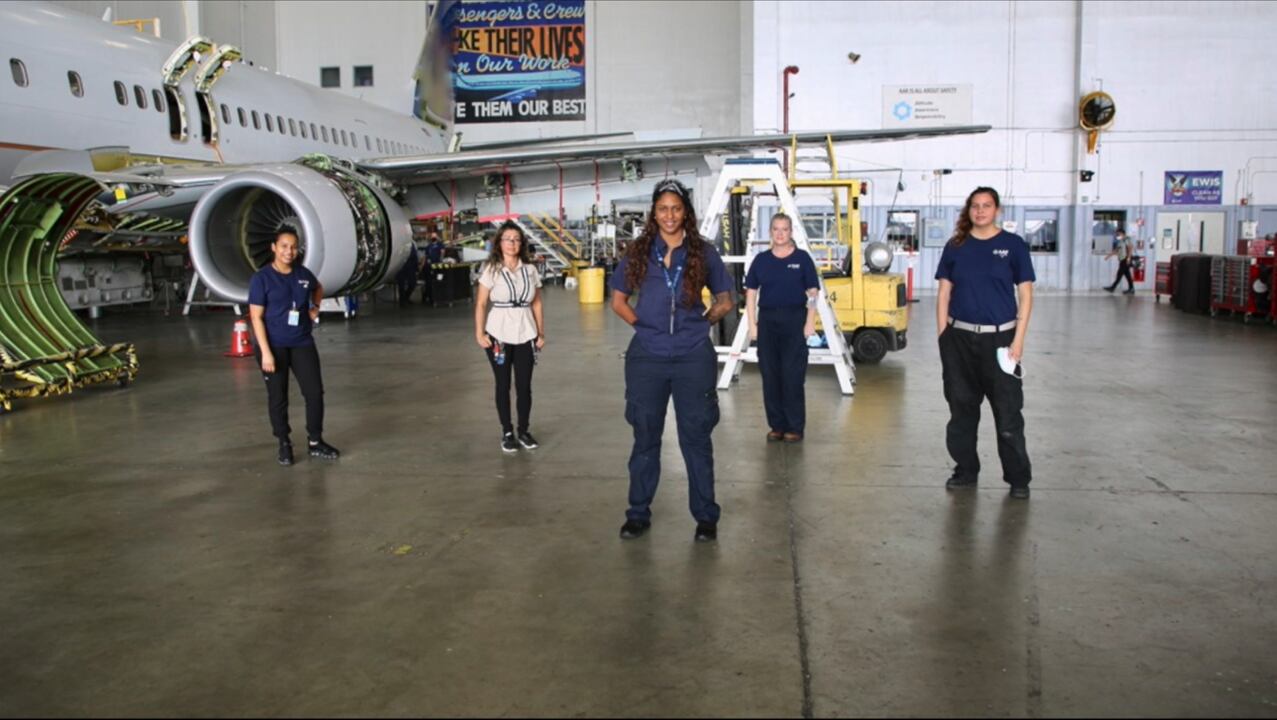
Stacey Rudser, president of the Association for Women in Aviation Maintenance, joins Cheddar News to talk about the lack of diversity in the aviation maintenance sector and what needs to change.
Intel CEO Patrick Gelsinger recently warned Congress that the U.S. 'must act now' to boost chip manufacturing domestically before it's too late. The chipmaking giant is working to ramp up its own domestic chip production with plans for a mega-site in Ohio as the global chip shortage only intensifies, hitting everything from smartphones to cars. Daniel Newman, a founding partner and principal analyst at Futurum Research, joined Cheddar's Opening Bell to discuss Intel's plans, Gelsinger's push for Congress to pass the CHIPS Act, and the potential political ramifications of boosting semiconductor manufacturing in parts of the United States.