Scientists may have made a profound discovery just on the edge of the solar system.
Quaoar, a dwarf planet with a ring, has some astronomers scratching their heads as it seems to defy long standing rules of planetary science: its rings extend out more than twice as far as previously thought allowable.
"It was unexpected to discover this new ring system in our solar system, and it was doubly unexpected to find the rings so far out from Quaoar, challenging our previous notions of how such rings form," said Professor Vik Dhillon, a co-author of the study from the University of Sheffield's Department of Physics and Astronomy.
The planet is considered a dwarf because it has enough mass to form a sphere but it has not "cleared the neighborhood around its orbit," according to NASA.
Astronomers first noticed Quaoar by chance after it passed in front of a star during its trek around the sun. Located just 620 million miles away from Pluto, it completes a revolution around the sun every 288 years. The size of the dwarf planet as measured via the Hubble Space Telescope found it to be 690 miles in diameter — much smaller than Earth's 7,926 miles.
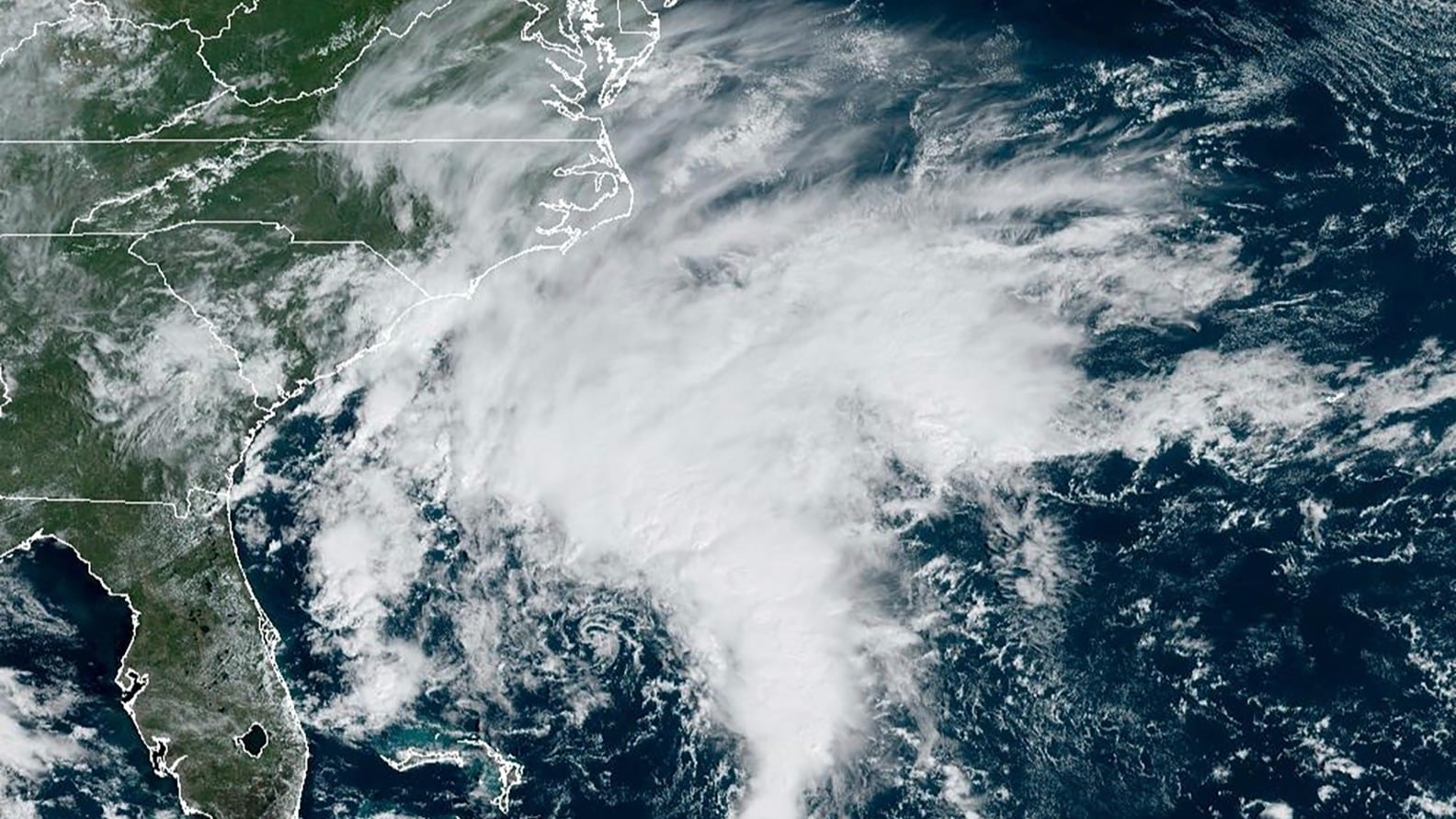
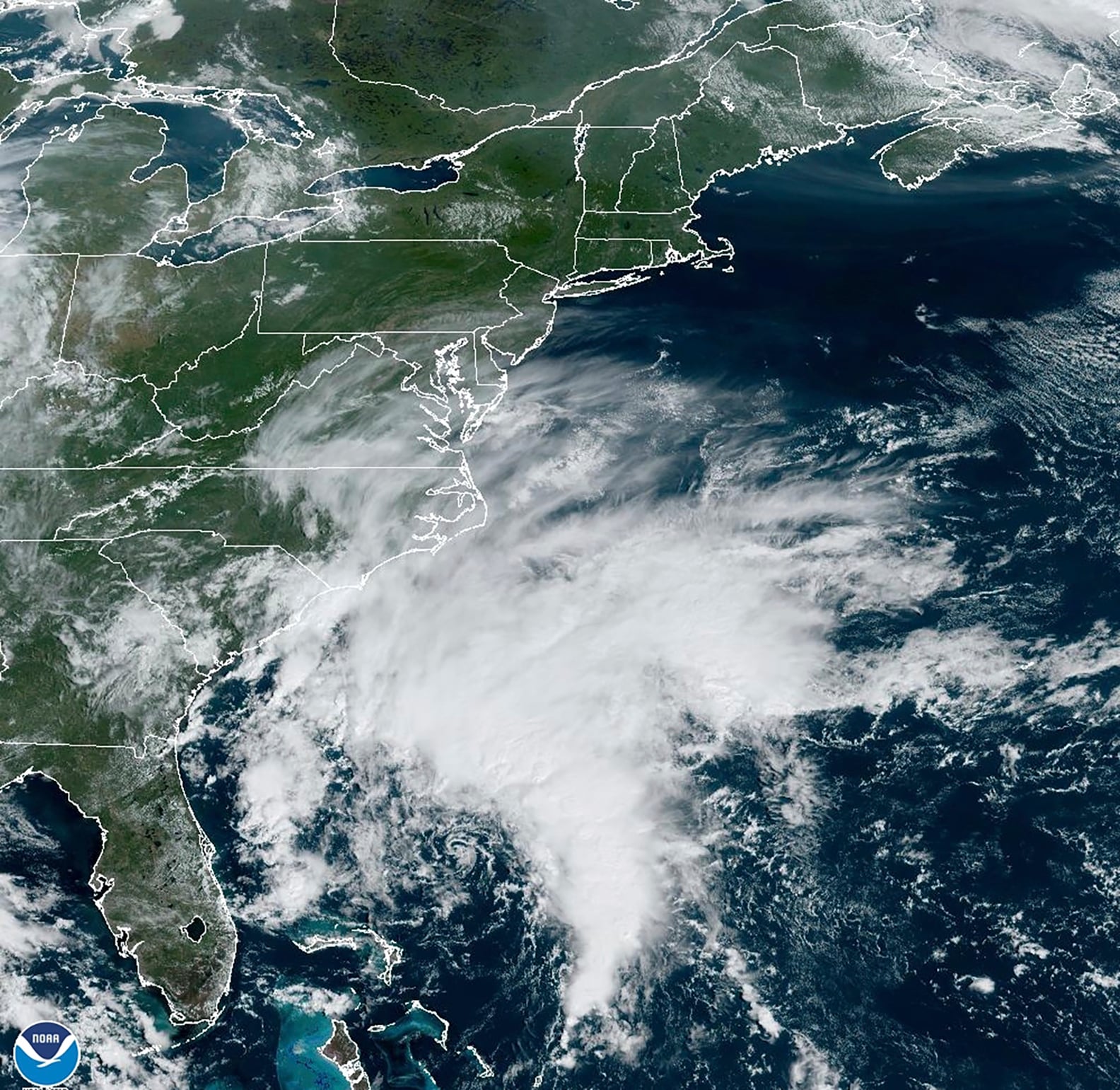
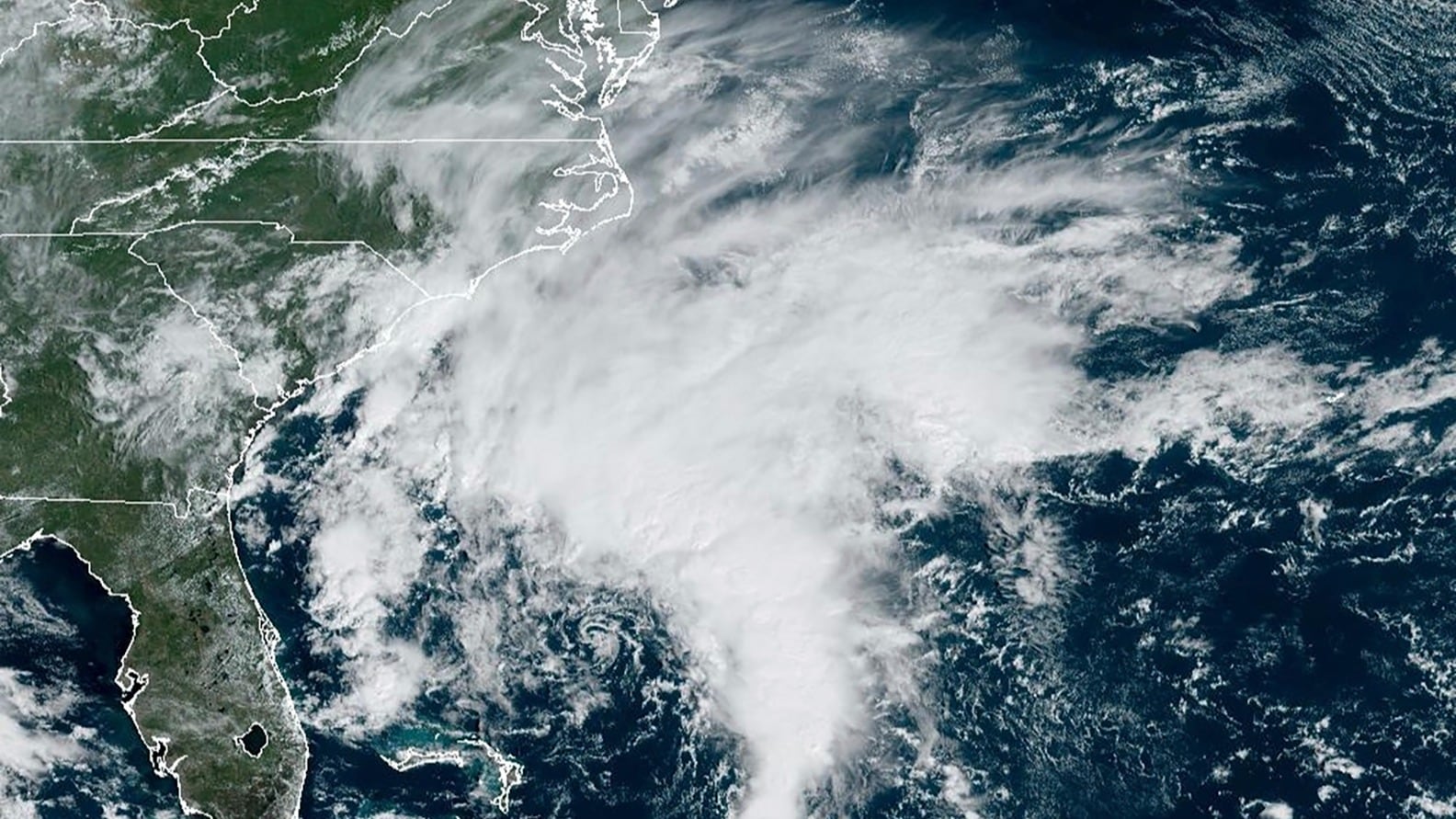
Nearly a day after being downgraded from a tropical storm, Ophelia still threatened parts of the Northeast on Sunday with coastal flooding, life-threatening waves and heavy rain from Washington to New York City, the National Hurricane Center said.
Surgeons have transplanted a pig’s heart into a dying man in a bid to prolong his life – only the second patient to ever undergo such an experimental feat. Two days later, the man was cracking jokes and able to sit in a chair, Maryland doctors said Friday.
Tropical Storm Ophelia formed off the mid-Atlantic coast and was expected to bring heavy rain, storm surge and windy conditions over the weekend, the National Hurricane Center said Friday.
A storm churning in waters off the eastern U.S. has increased to tropical storm strength and is forecast to reach the North Carolina coast Friday morning, the National Hurricane Center said.