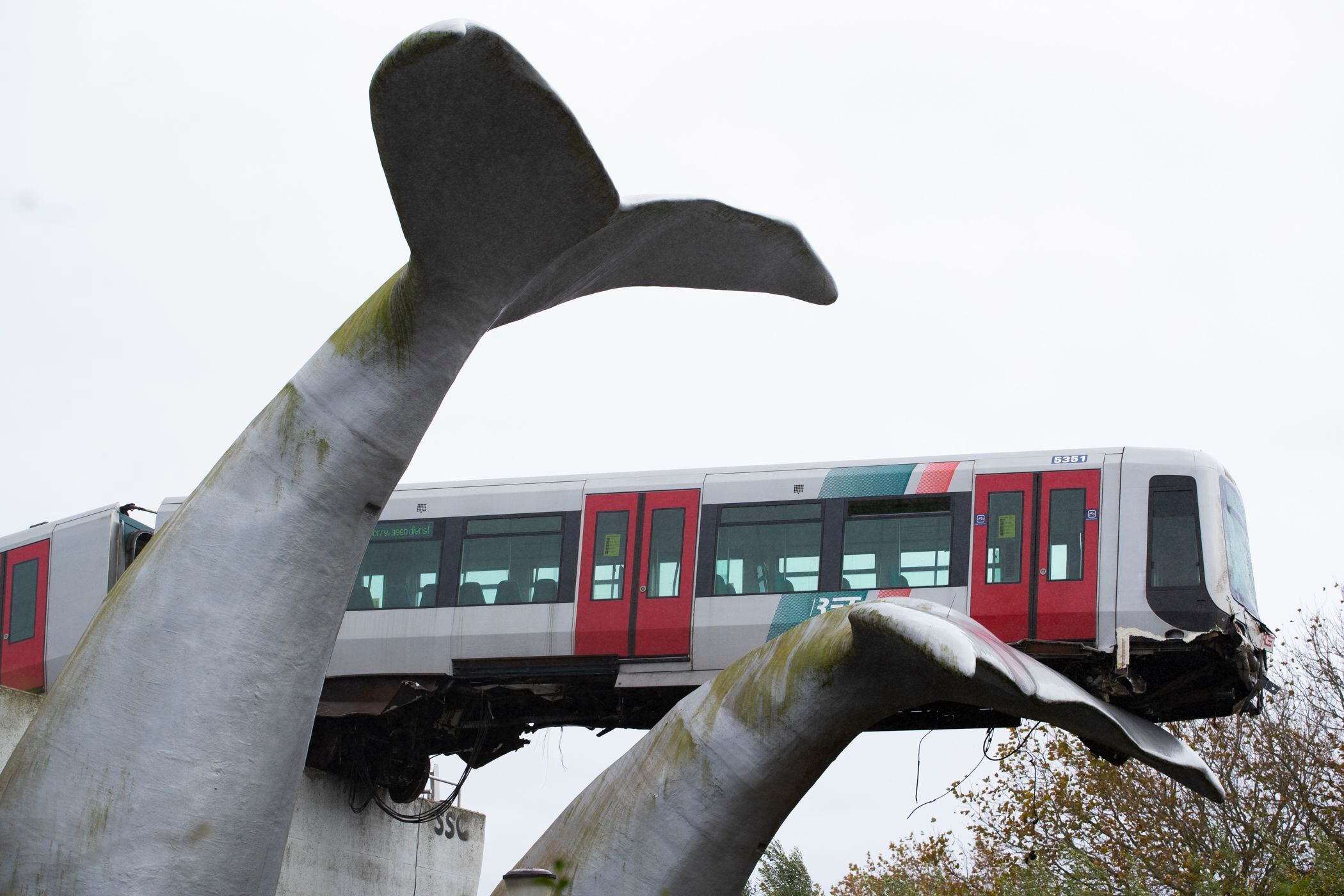
The whale's tail of a sculpture caught the front carriage of a metro train as it rammed through the end of an elevated section of rails with the driver escaping injuries in Spijkenisse, near Rotterdam, Netherlands, Monday, Nov. 2, 2020. (AP Photo/Peter Dejong)
This really was a fluke.
The driver of a metro train escaped injury when the front carriage rammed through the end of an elevated section of rails and was caught by a sculpture of a whale's tail near the Dutch port city of Rotterdam.
The train was left perched upon one of two tail fins known as “flukes” several meters (yards) above the ground.
It created such a stir locally that authorities urged sightseers to stay away, adding that coronavirus restrictions were in force.
Even so, some 50 people were at the scene late Monday morning as engineers tried to work out how to stabilize and then remove the train amid strengthening winds.
“A team of experts is investigating how we can make it safe and get it down,” Carly Gorter, a spokeswoman for the local security authority, said in a telephone interview.
“It's tricky,” she added.
The authority said late Monday that a crane would attempt to lift the train off the whale Tuesday morning.
The architect who designed the sculpture, Maarten Struijs, told Dutch broadcaster RTL he was pleased that it likely saved the life of the driver.
“I'm surprised it's so strong,” he said. “If plastic has been standing for 20 years, you don't expect it to hold a metro carriage.”
The company that operates the metro line said the driver was uninjured and there were no passengers on the train when it crashed through stop barriers at the end of the station in the town of Spijkenisse, on the southern edge of Rotterdam, early Monday morning. The station is the final stop on the metro line.
Authorities launched an investigation into how the train could plow through the barrier at the end of the rail tracks. The driver was being interviewed as part of the probe, the Rijnmondveilig security authority said.
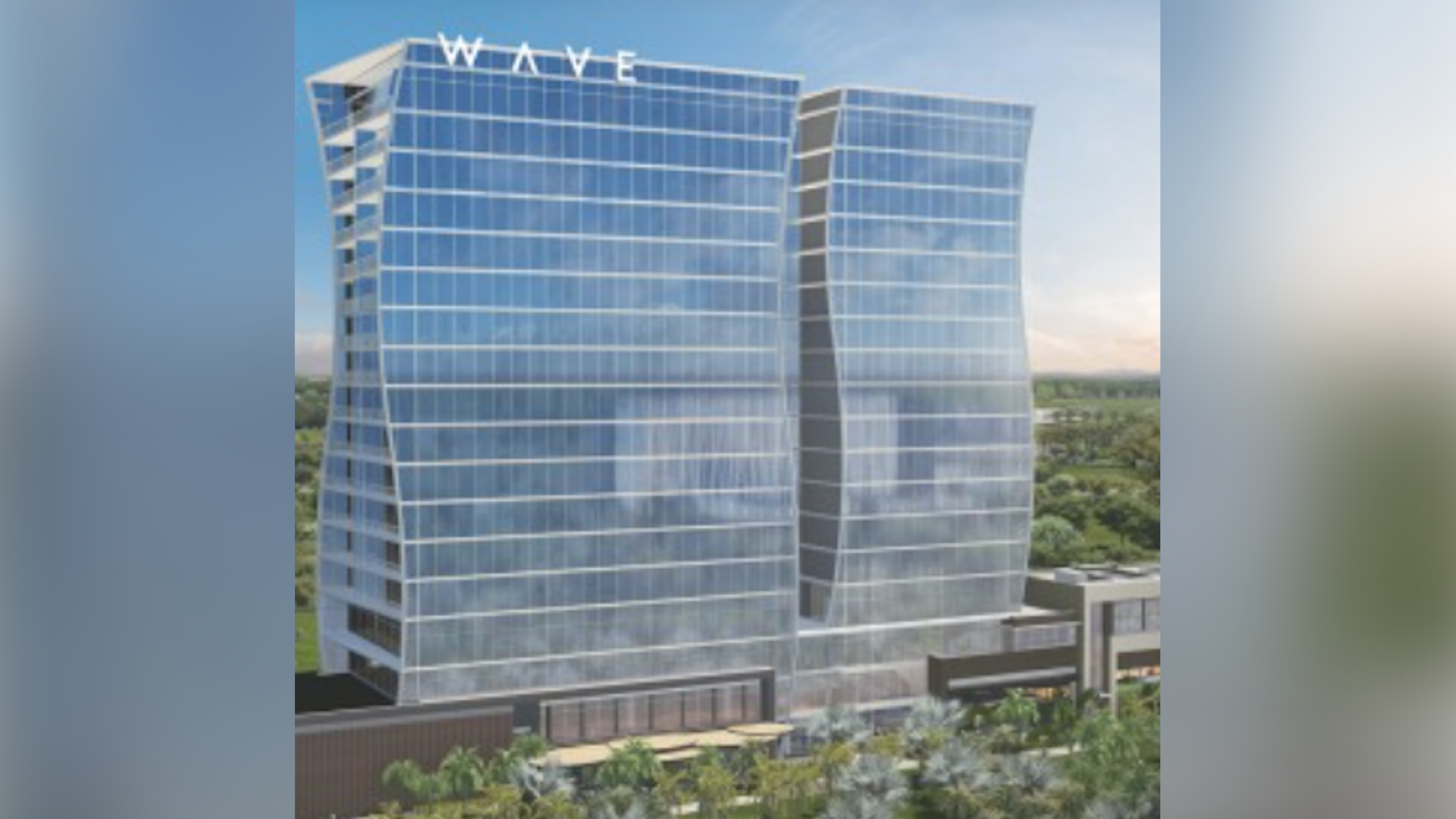
James Tattersall, director of sales and marketing for Lake Nona Wave Hotel, talks about the hotel's initiatives to foster diversity and how these amenities champion inclusivity in the Orlando area.
Ben Armstrong, founder of Bitboy Crypto, joins Cheddar News to discuss Bitcoin's downward trend and what's next for crypto after protests in Kazakhstan cause crypto miners to shut down.
Jake Carbone, senior data analyst at InfluenceMap joins Cheddar News to talk about a new report by The Guardian and InfluenceMap that reveals how companies are creating fossil fuel ads designed to look like Google search results.
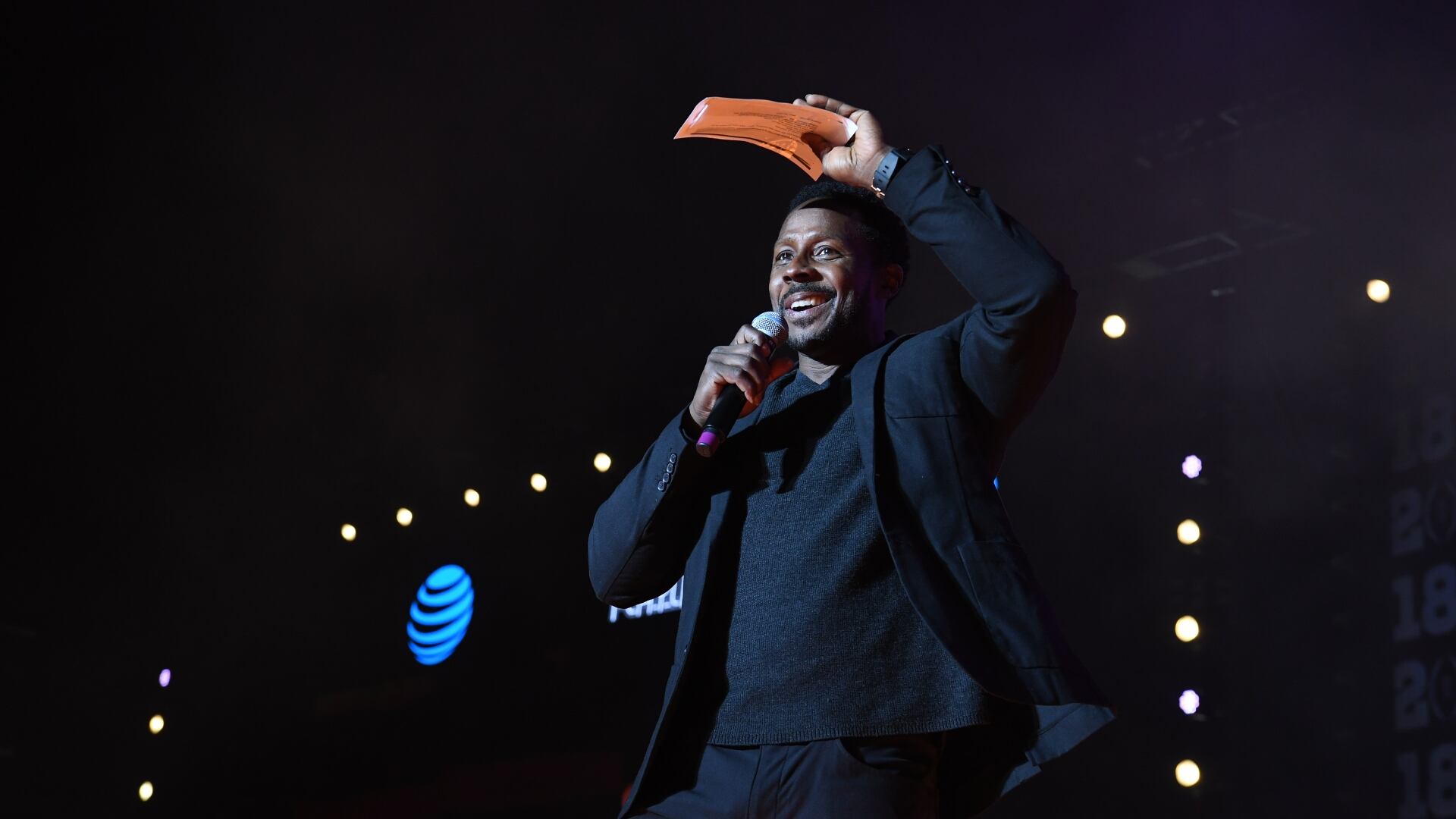
Desmond Howard, former NFL wide receiver and Modelo college football playoff ambassador, joins Cheddar News to talk about the Modelo sweepstakes honoring the 30th anniversary of his iconic punt return.
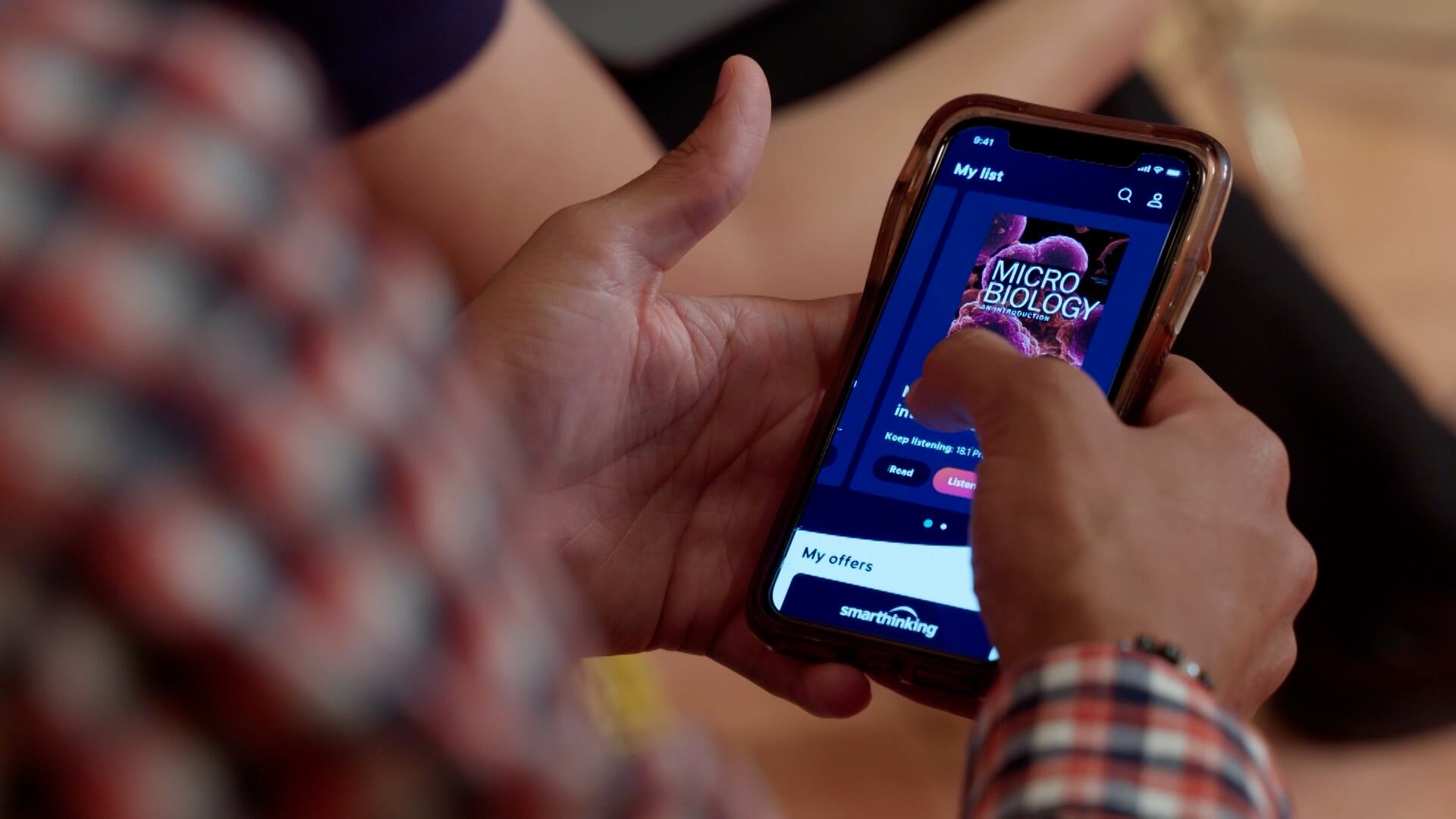
The highly transmissible omicron variant of COVID-19 has forced school districts nationwide to return to virtual instruction, but there remain concerns about the quality of education students are receiving online. Andy Bird, CEO of Pearson, an education publisher and assessment service provider, joined Cheddar's "Opening Bell" to talk about steps educators and parents can take to make the remote learning experience an easier one, noting that one of the biggest advantages teachers can have is flexibility. "You cannot take a rigid timetable that works in the analog world and replicate that in the digital world. You need to have flexibility. Asynchronous learning, I think, is a very important part," he told Cheddar.
On this episode of ChedHER: Chief Product Officer at Mathison breaks down how she's building tech to advance diversity, equity, and inclusion in the workplace; Co-Founder and CEO of Carewell.com explains how her platform is easing the pressures that come with caregiving; Founder and CEO of Mentor Agility discusses what goals business owners should set in the new year.
Bianca Padilla, Co-Founder and CEO of Carewell.com, joins ChedHER to discuss how her platform is easing the pressures that come with caregiving, and how she's breaking barriers for women in venture capital.
Elizabeth Spenko, Chief Product Officer at Mathison, joins ChedHER to discuss how she's building tech to advance diversity, equity, and inclusion in the workplace, and an outlook on DEI in 2022.
Julie Elledge, Founder and CEO of Mentor Agility, joins ChedHER to discuss what goals business owners should set in the new year, and what tools are out there for emerging entrepreneurs.
Rob Dongoski, EY Food and Agriculture Leader, joins Cheddar News to discuss what advancements in tech will shape the future of food, and how we are going to see more and more personalization in the food system.