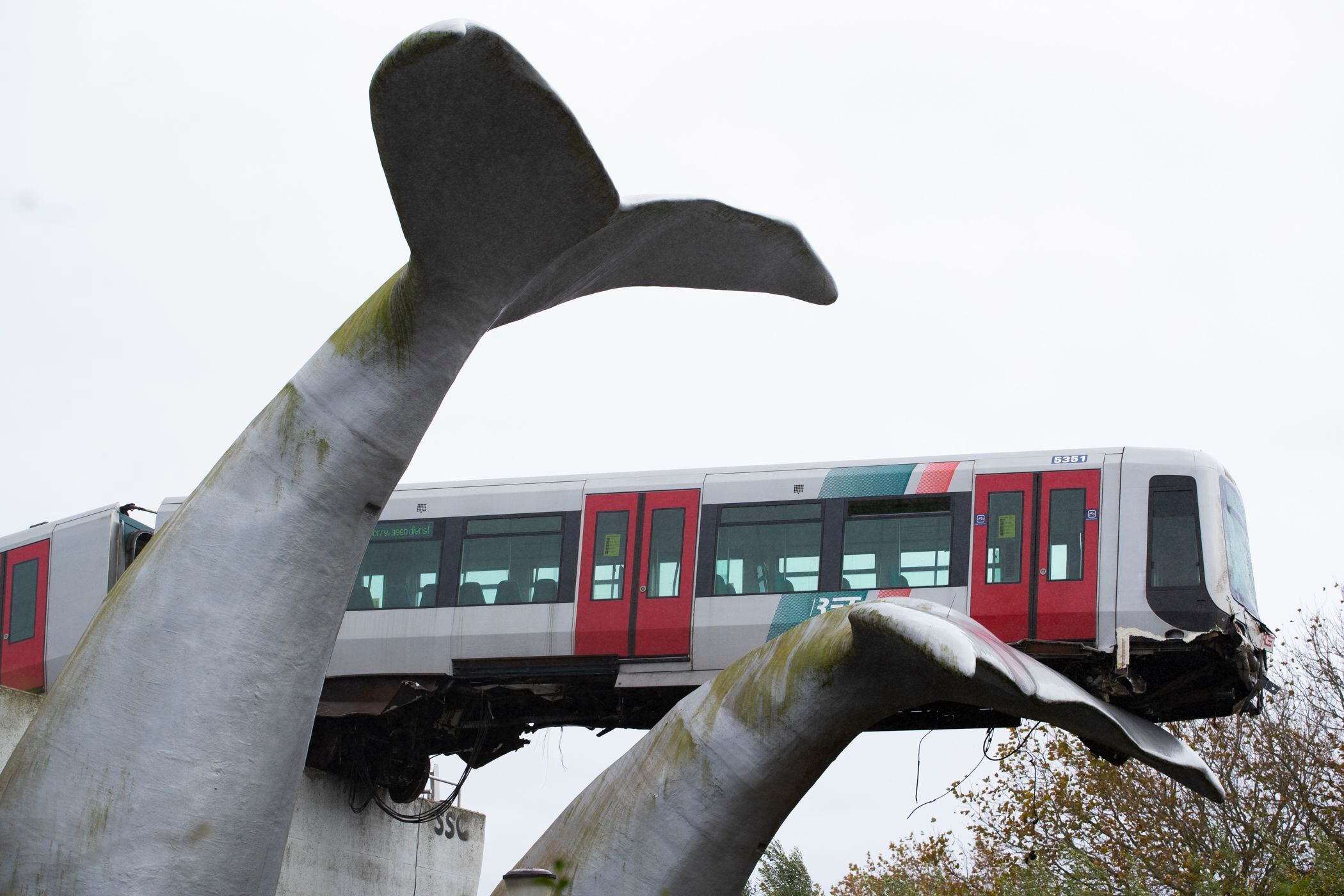
The whale's tail of a sculpture caught the front carriage of a metro train as it rammed through the end of an elevated section of rails with the driver escaping injuries in Spijkenisse, near Rotterdam, Netherlands, Monday, Nov. 2, 2020. (AP Photo/Peter Dejong)
This really was a fluke.
The driver of a metro train escaped injury when the front carriage rammed through the end of an elevated section of rails and was caught by a sculpture of a whale's tail near the Dutch port city of Rotterdam.
The train was left perched upon one of two tail fins known as “flukes” several meters (yards) above the ground.
It created such a stir locally that authorities urged sightseers to stay away, adding that coronavirus restrictions were in force.
Even so, some 50 people were at the scene late Monday morning as engineers tried to work out how to stabilize and then remove the train amid strengthening winds.
“A team of experts is investigating how we can make it safe and get it down,” Carly Gorter, a spokeswoman for the local security authority, said in a telephone interview.
“It's tricky,” she added.
The authority said late Monday that a crane would attempt to lift the train off the whale Tuesday morning.
The architect who designed the sculpture, Maarten Struijs, told Dutch broadcaster RTL he was pleased that it likely saved the life of the driver.
“I'm surprised it's so strong,” he said. “If plastic has been standing for 20 years, you don't expect it to hold a metro carriage.”
The company that operates the metro line said the driver was uninjured and there were no passengers on the train when it crashed through stop barriers at the end of the station in the town of Spijkenisse, on the southern edge of Rotterdam, early Monday morning. The station is the final stop on the metro line.
Authorities launched an investigation into how the train could plow through the barrier at the end of the rail tracks. The driver was being interviewed as part of the probe, the Rijnmondveilig security authority said.
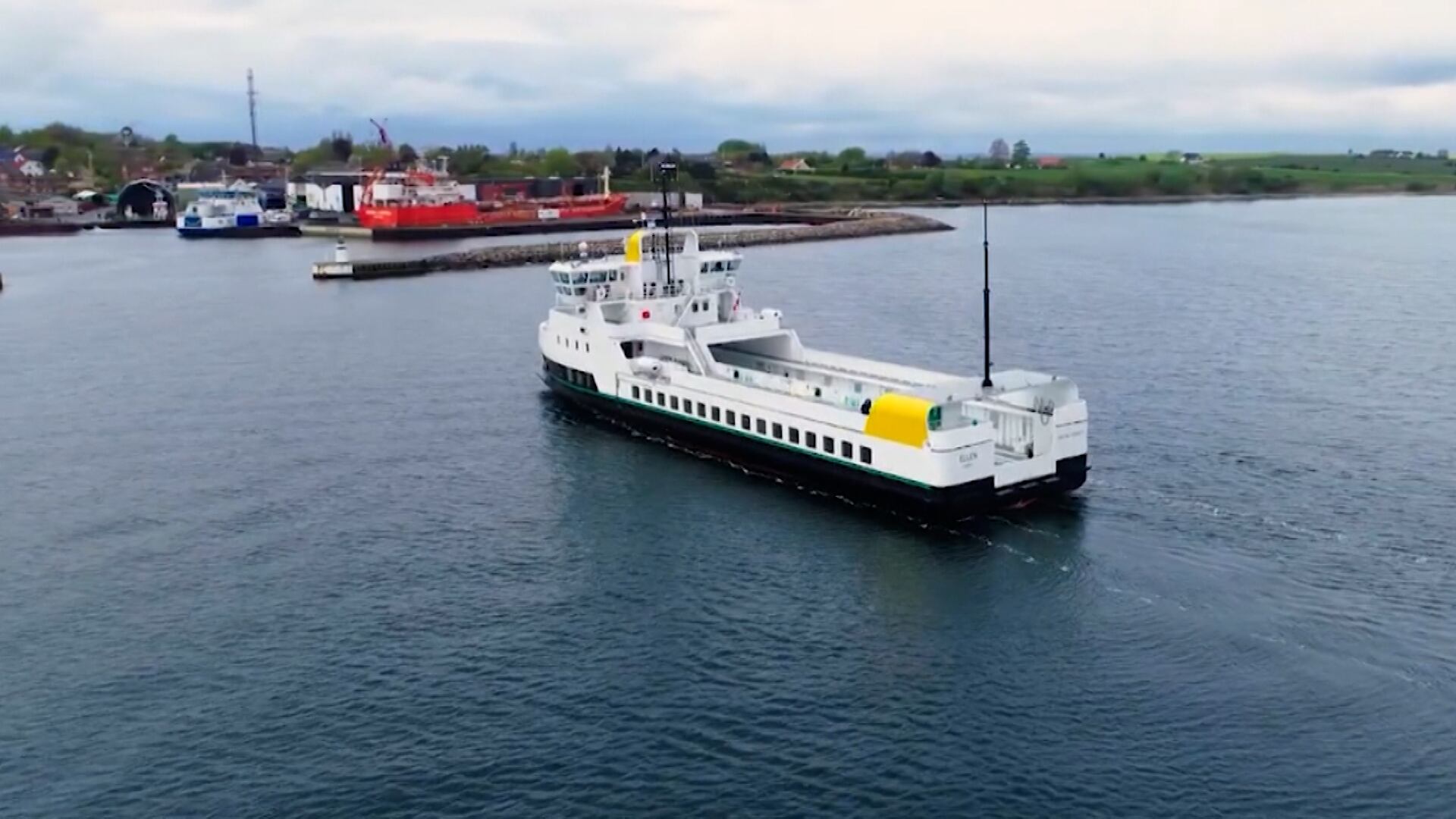
A 2021 report from UK Research and Innovation found that the shipping industry makes up at least 2.5 percent of the world's total CO2 emissions. It's a problem that energy solutions company, Leclanché, is trying to solve. Founded in 1909, the company has been developing and producing batteries for more than 100 years. Today, Leclanché's lithium-ion battery is used to electrify not just ships, but also railroad locomotives, trucks, and specialty vehicles. Cheddar News spoke with Pierre Blanc, chief technology and industrial officer of Leclanché, to discuss.
Amazon is betting that ammonia could be the fuel of the future, participating in a Series A round for the Brooklyn-based company Amogy in December. Amogy aims to de-carbonize transportation with a clean energy system that uses ammonia as a renewable fuel. Amogy is partnering with Amazon on its first commercial product - an ammonia-powered cargo-shipping vessel. Amogy CEO Seonghoon Woo joins Cheddar Climate to discuss.
One of the world's largest transport companies is kicking off Black History Month with a new initiative aimed at the next generation of business leaders. Today, FedEx announced the launch of its Student Ambassador Program. Participants selected from eight historically black colleges and universities will receive career guidance from FedEx executives. The program is part of FedEx's ongoing commitment to HBCUs and will also help the company expand its pipeline for diverse talent. Cheddar News welcomes senior vice president at FedEx, Jenny Robertson, and Jerryl Briggs, President of Mississippi Valley State University, to discuss.
"Sing 2" has overthrown "Spider-Man: No Way Home" as the number one film at the UK box office. The animated sequel brought in $8.1 million, in just its two first weekends. However, "No Way Home" is still on track to beat "Avatar" as the number one grossing movie of all time.
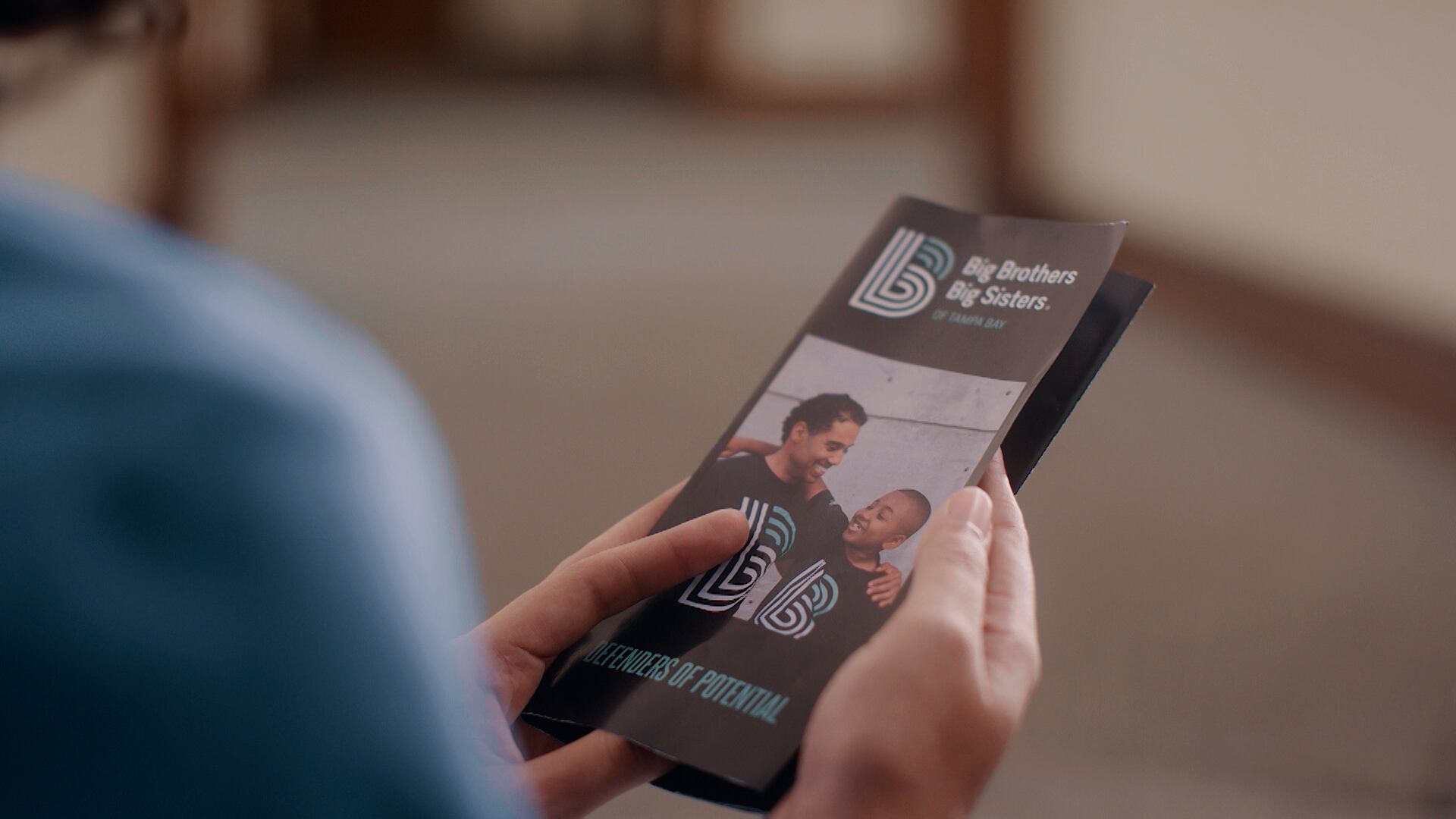
Big Brothers Big Sisters of America has been a driving force for youth mentorship since 1904. The nonprofit organization is launching its annual Big Draft campaign this month in partnership with the NFL, and Artis Stevens, the first Black CEO of Big Brothers Big Sisters of America, joined Cheddar to discuss the push for adding more "Bigs" as mentors on his one-year anniversary leading the non-profit organization. "While the NFL is recruiting and drafting more players, they're also helping us to draft more mentors and, particularly, men all the way from across February to all the way to April of this year," Stevens explained.
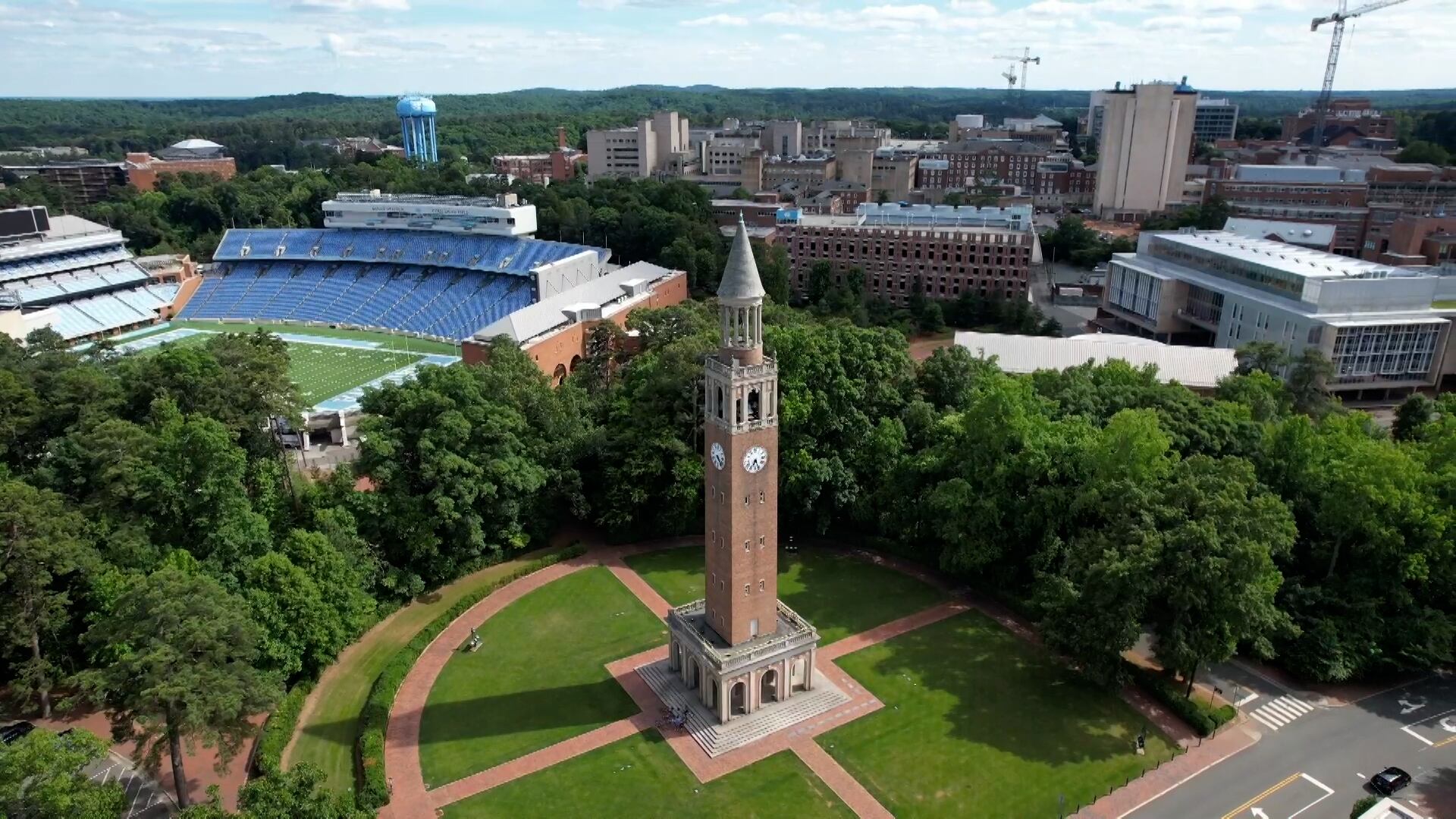
The Supreme Court will reconsider race-based affirmative action in college admissions. The court will examine admissions policies at Harvard University and The University of North Carolina Chapel Hill, which count the race of applicants as a factor in admissions. The court has upheld affirmative action policies in the past, saying it helps to create more diverse student bodies. However, the conservative Supreme Court could be skeptical and even possibly hostile to such policies. Nick Anderson, Higher Education Writer, Washington Post joined Cheddar's Opening Bell to discuss.
The value of most cryptocurrencies have plummeted in recent months since reaching all-time highs in November, wiping out more than $1 trillion in value globally. The steep crash has some talking about the possibility of a crypto winter, a term referring to a prolonged bearish period where asset prices persistently fall over many months. This all comes as the Fed is expected to raise interest rates, and the Biden administration is working on an executive order to regulate Bitcoin and other assets. Josh Goodbody, COO of Qredo, joined Cheddar's Opening Bell to discuss the crypto crash, and how the industry might recover from it.
Recent data reveals that streaming giants are struggling to retain subscribers in the months following a major release.
According to data from Antenna, subscriber trends show that users will subscribe to a given streaming service just to watch a particular show, and then cancel those subscriptions shortly after. This comes as the streaming space continues to heat up as new entrants crowd the space. Jon Christian, Founding Partner + Digital Supply Chain Leader at OnPrem joined Cheddar's Opening Bell to discuss.
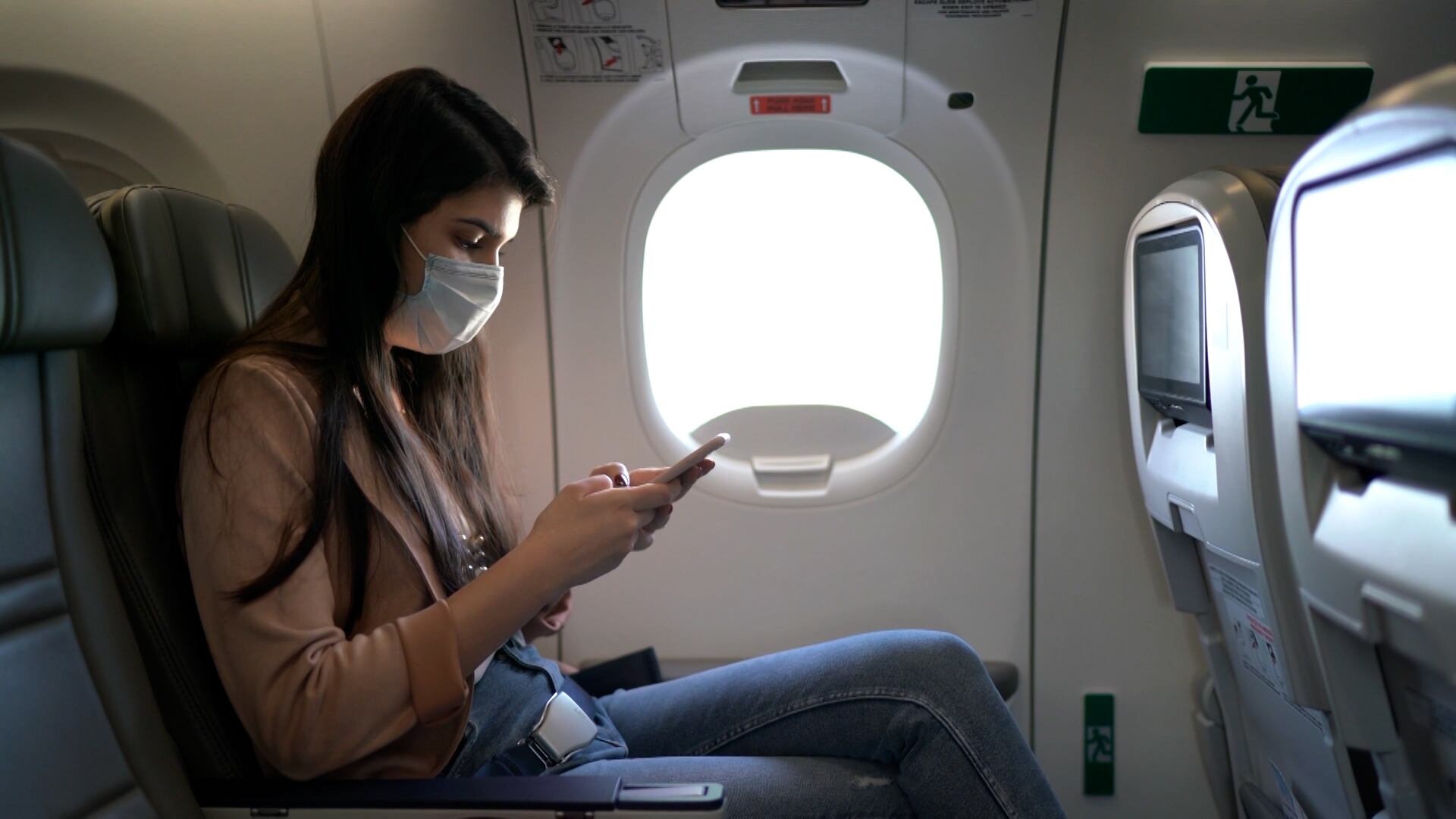
The EU relaxed its Covid travel restrictions for vaccinated individuals among the union's 27 member states, doing away with testing or quarantine requirements for travelers. This comes soon after the World Health Organization said the omicron variant could help make the pandemic more manageable. The new rules take effect February 1st. Bryce Conway, Founder, 10xTravel joined Cheddar's Opening Bell to discuss.