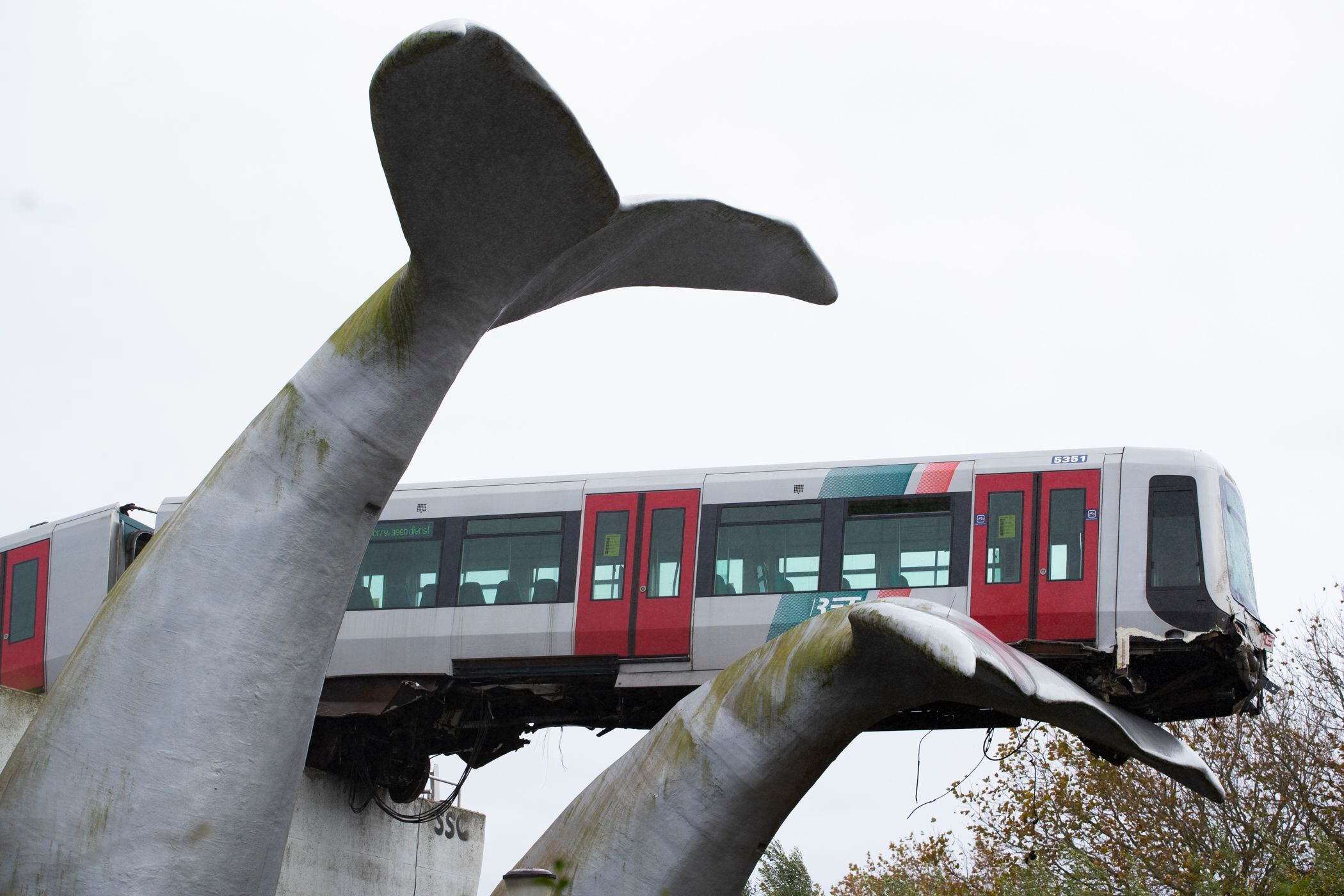
The whale's tail of a sculpture caught the front carriage of a metro train as it rammed through the end of an elevated section of rails with the driver escaping injuries in Spijkenisse, near Rotterdam, Netherlands, Monday, Nov. 2, 2020. (AP Photo/Peter Dejong)
This really was a fluke.
The driver of a metro train escaped injury when the front carriage rammed through the end of an elevated section of rails and was caught by a sculpture of a whale's tail near the Dutch port city of Rotterdam.
The train was left perched upon one of two tail fins known as “flukes” several meters (yards) above the ground.
It created such a stir locally that authorities urged sightseers to stay away, adding that coronavirus restrictions were in force.
Even so, some 50 people were at the scene late Monday morning as engineers tried to work out how to stabilize and then remove the train amid strengthening winds.
“A team of experts is investigating how we can make it safe and get it down,” Carly Gorter, a spokeswoman for the local security authority, said in a telephone interview.
“It's tricky,” she added.
The authority said late Monday that a crane would attempt to lift the train off the whale Tuesday morning.
The architect who designed the sculpture, Maarten Struijs, told Dutch broadcaster RTL he was pleased that it likely saved the life of the driver.
“I'm surprised it's so strong,” he said. “If plastic has been standing for 20 years, you don't expect it to hold a metro carriage.”
The company that operates the metro line said the driver was uninjured and there were no passengers on the train when it crashed through stop barriers at the end of the station in the town of Spijkenisse, on the southern edge of Rotterdam, early Monday morning. The station is the final stop on the metro line.
Authorities launched an investigation into how the train could plow through the barrier at the end of the rail tracks. The driver was being interviewed as part of the probe, the Rijnmondveilig security authority said.
Two friends have joined forces to come up with an app dedicated to making mental health more approachable and to provide users with the tools needed to improve their mental health and overall well-being. Co-Founders of the Dial App Jonah Salita and Marcel Johnson, joined Cheddar to discuss more.
Miss Universe 2021 Harnaaz Sandhu and Smile Train CEO Susie Schaefer join Cheddar News to talk about how Smile Train continues to support those with a cleft lip this International Women's Day.
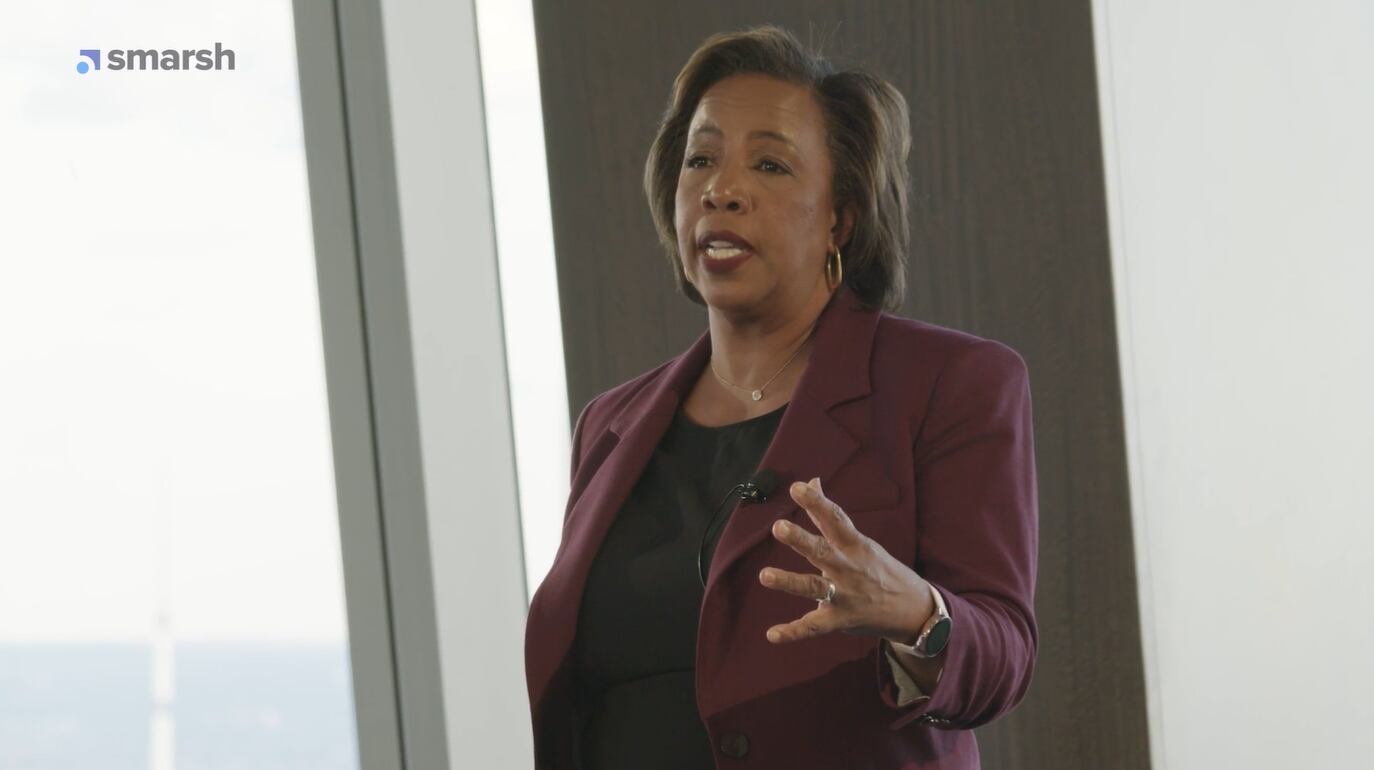
On this International Women’s Day, Deb Cupp, president of Microsoft U.S., joined Cheddar News to talk about the implementation of her pillars to extend the company's culture, such as acting with care and putting the team first. "What I like about the pillars is they're very simple, so it's easy for us to think about how they show up every day in our lives," Cupp said.
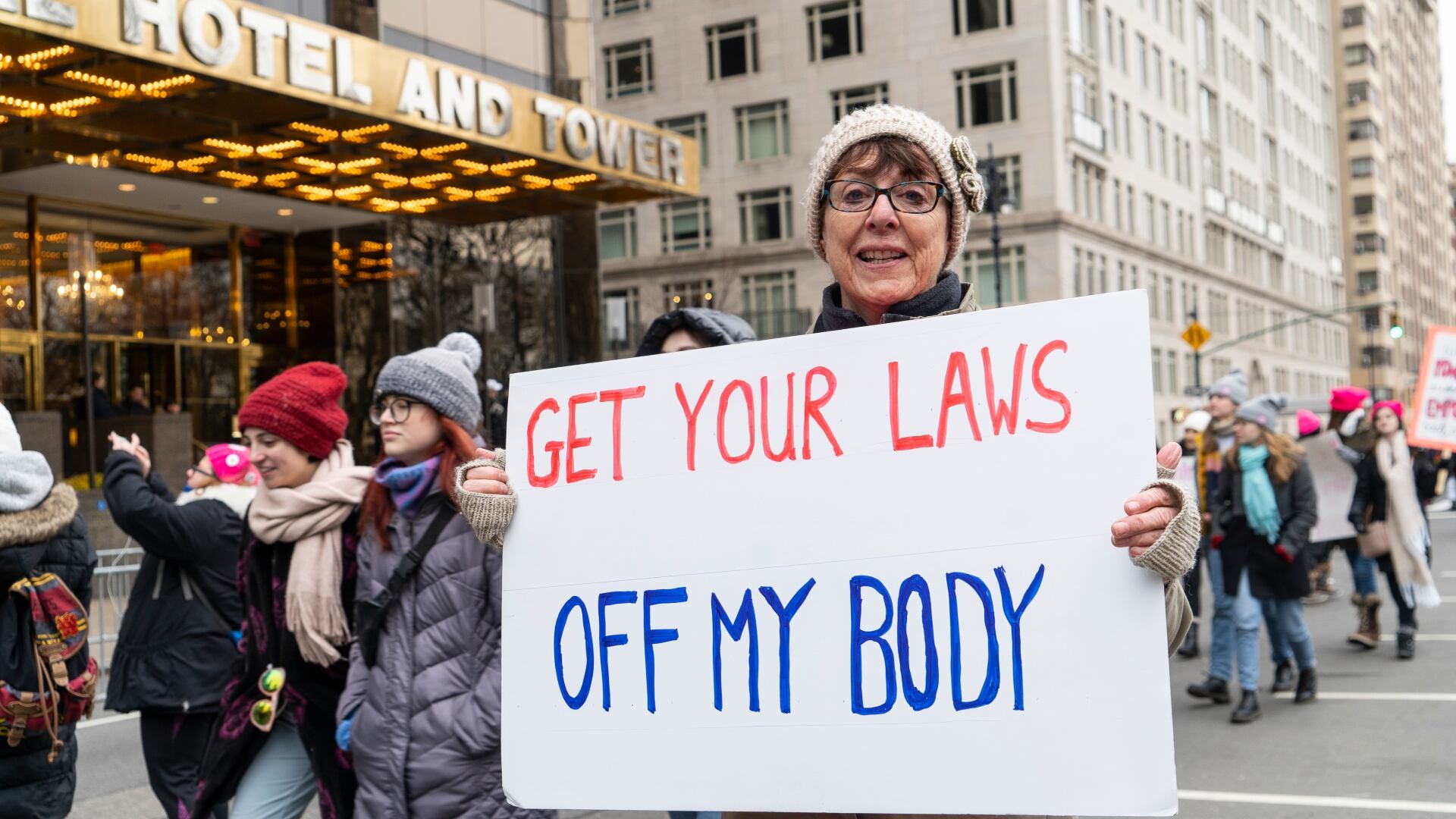
Christian Nunes, President of the National Organization for Women, joins Cheddar Reveals to take a look at where the women's rights movement stands today and where it's headed.
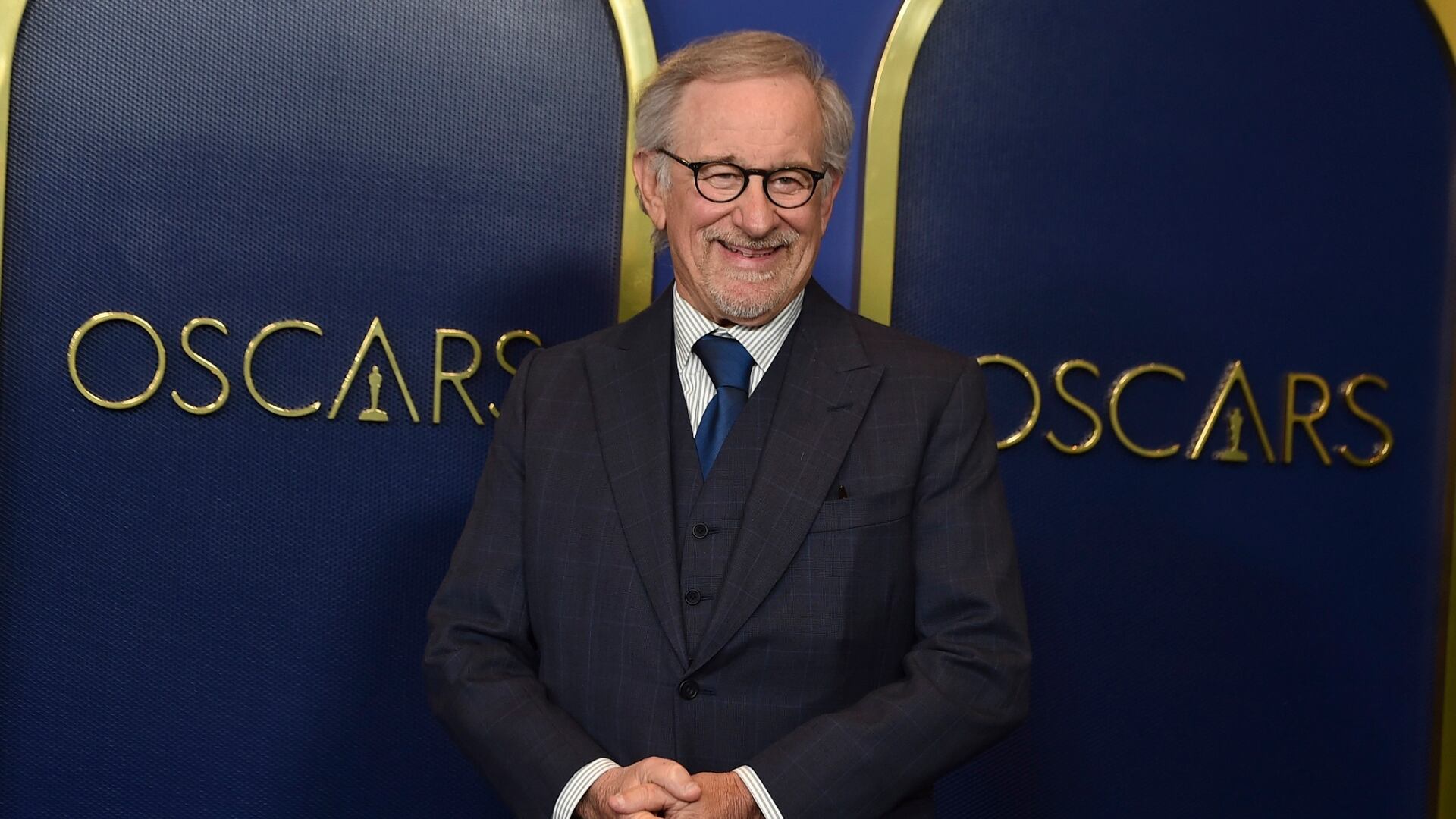
Steven Spielberg has spoken out against the Motion Picture Academy’s decision to move the presentation of eight categories to the pre-show off-air for this year’s Oscars. "We should all have a seat at the supper table together, live at five," said the Academy Award-winning director, who is also nominated for two statues at this year's event.
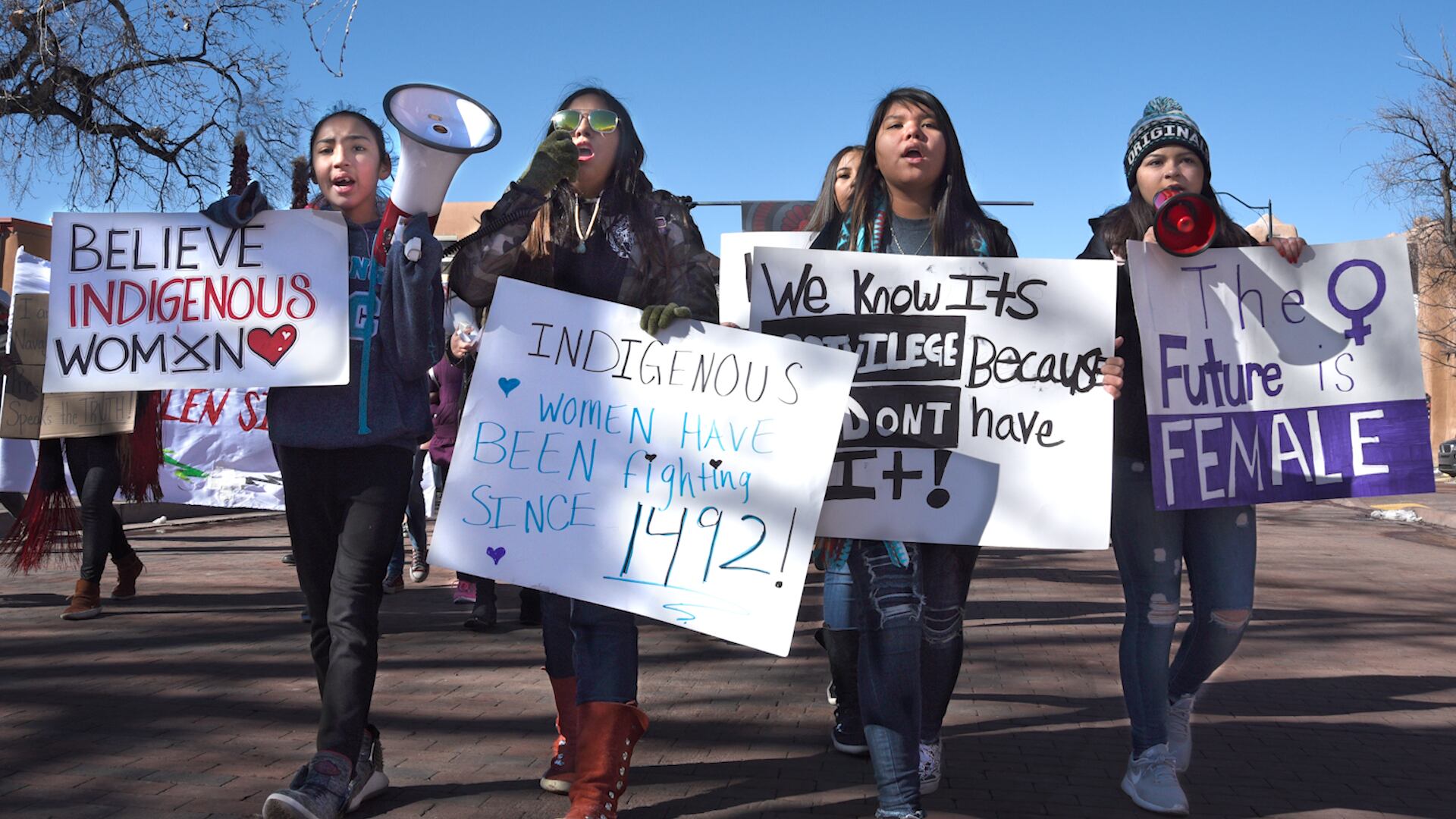
On this episode of Cheddar Reveals, Sally Roesch Wagner, Historian & Executive Director, The Matilda Joslyn Gage Foundation, discusses how the early women's rights movement evolved and the hidden influence of Native American women on early American feminists.; Christian Nunes, President of the National Organization for Women, takes a look at where the women's rights movement stands today and where it's headed; Cheddar gets a look at Curiosity Stream's 'Ascent of Woman.'
Sally Roesch Wagner, Historian & Executive Director, The Matilda Joslyn Gage Foundation, joins Cheddar Reveals to discuss how the early women's rights movement evolved and the hidden influence of Native American women on early American feminists.