Sarahi Espinoza Salamanca's plans to attend college evaporated when, as a high school senior, her mother revealed that, unbeknownst to her, she was not living in the U.S. legally. Using her personal story for inspiration, she went on to launch DREAMer's Roadmap, a nonprofit mobile app that works to help undocumented students find scholarships to go to college.
Espinoza Salamanca was the daughter of undocumented immigrants and was able to obtain DREAMER status — an acronym for Development, Relief and Education for Alien Minors. She arrived in this country when she was 4 years old and like most other Dreamers, she was able to attend both elementary and high school, not realizing her status in this country.
"For me, growing up in this country from such a young age and going through the whole experience, K-12, I didn't really think that I was any different from all of my classmates," said Salamanca.
It wasn't until graduating high school that she was faced with the inevitable truth. Like many of her peers, she began applying to colleges with aspirations to make something of herself. Soon after, she received a notice in the mail saying her financial aid application was incomplete because it was missing her social security number.
Salamanca then called up her parents who explained that she was not in the country legally and was not able to obtain a social security number. In desperation, she went to her counselor, hoping for some helpful advice, but she recalls the counselor, telling her that "people like [you] don't go to college." For Salamanca, it "was a very hard pill to swallow."
Subsequently, she made a contact who shared that it is possible for DREAMers to go to college, and even obtain in-state tuition in some states, including California, where she lived. She has since used that knowledge to develop the DREAMer's Roadmap app, which helps undocumented students find college scholarships. The app was launched in 2016 and has so far provided information to more than 30,000 students, said Espinoza Salamanca.
"The whole idea behind DREAMers roadmap was to create a database where all of these scholarships would be housed and students all over the country could just download this app and have access to scholarships that they were eligible for to continue their education if that's what they wanted after high school," she said.
She says many parents arrive in the U.S. for better lives not just for themselves, but also for their children, and education can play a big role in that. "For us, it's wonderful that we have that opportunity to be able to be a little part in that success story for immigrants across this country," she said.
While managing the app, Salamanca is also involved in other entrepreneurial projects. She most recently launched the fund, #Supplies4FarmWorkers, which collects food, PPE, and school supplies for farmworkers affected by wildfires.
"It just hit me, 'What can we do to help them?' and being that DREAMer's Roadmap's mission is a lot about education, and immigrant families and most of these farmworkers are immigrants and undocumented, it just aligned perfectly," she said. "It was like a lightbulb moment."
Salamanca said the effort, that began about a month ago, has already handed out more than $50,000 worth of supplies to farmworkers' families.
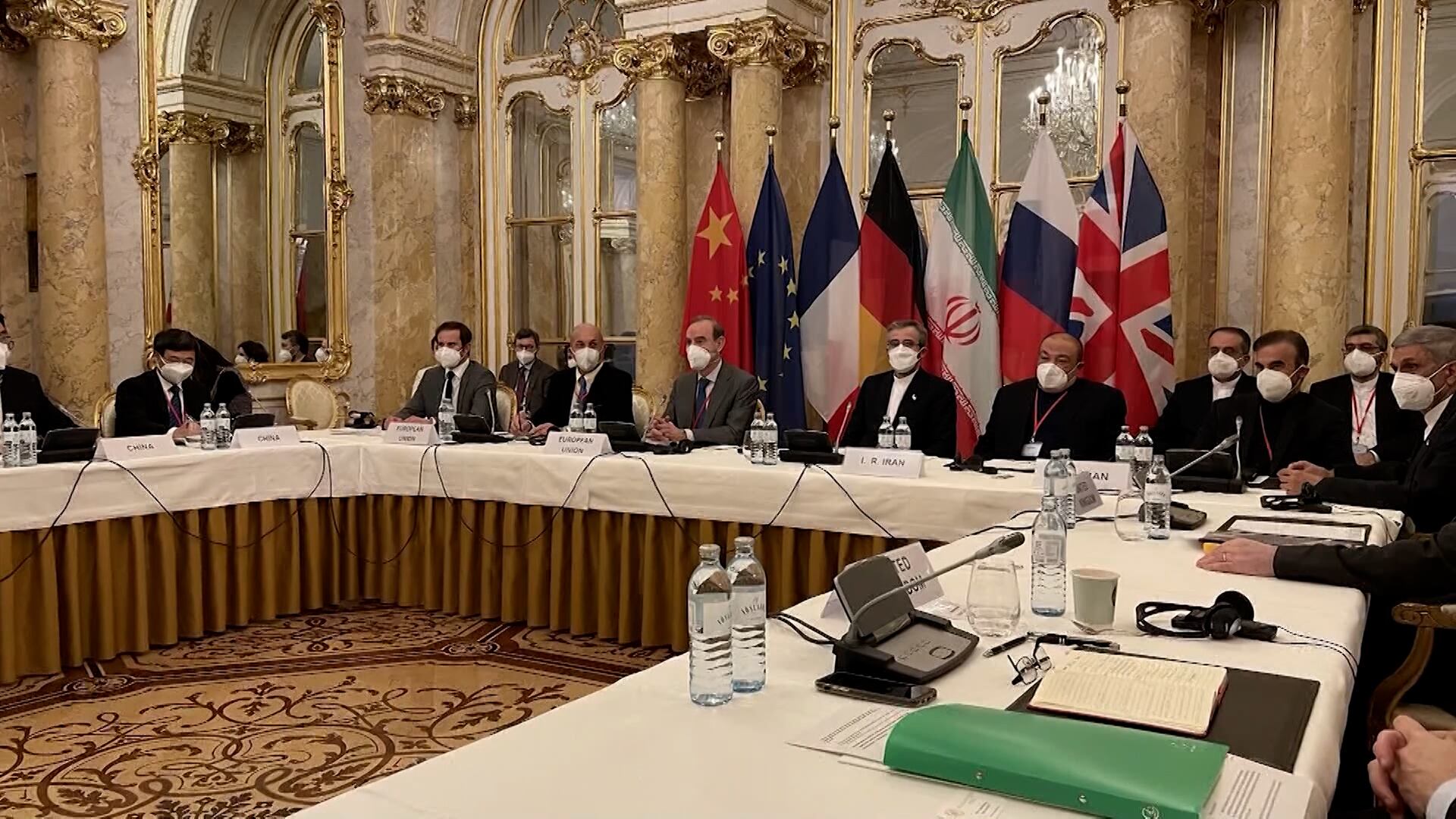
The U.S. is back in negotiations for a nuclear deal with Iran, years after former President Donald Trump withdrew the country from the Joint Comprehensive Plan of Action (JCPOA), which had been meant to curtail the Middle Eastern nation's nuclear ambitions. Former State Department senior advisor to the George W. Bush and Trump administrations, Christian Whiton, joined Cheddar News Wrap to discuss. “It appears to be very similar to the original JCPOA, which does put some constraints on Iran's nuclear program, but also has sunset provisions, including some that in the original plan were expected to take effect in 2025," he said. "And so, if we just reenter that plan, really it just buys perhaps a few years of slowing down, stopping, whatever you want to say, Iran's nuclear program."
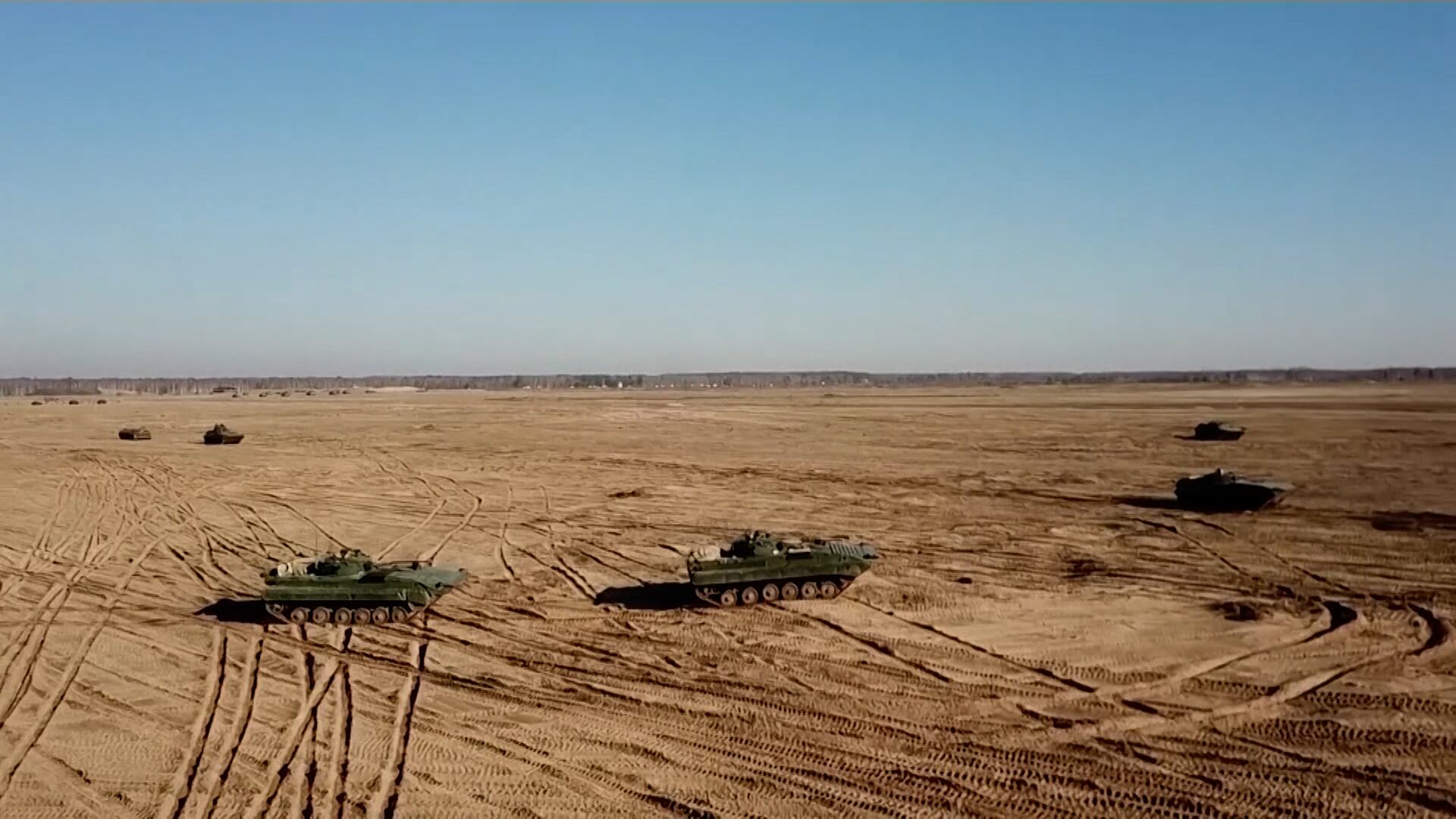
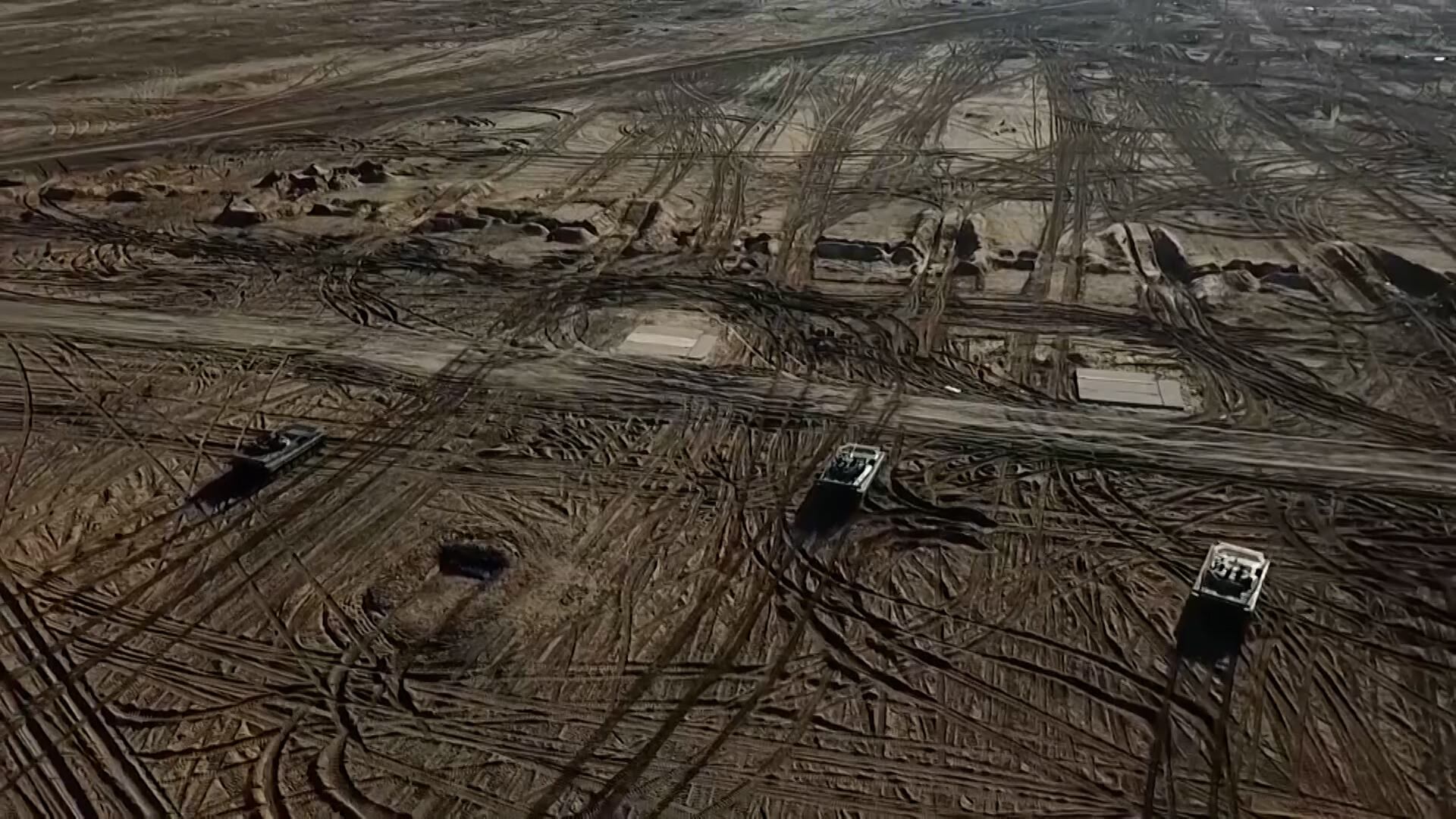
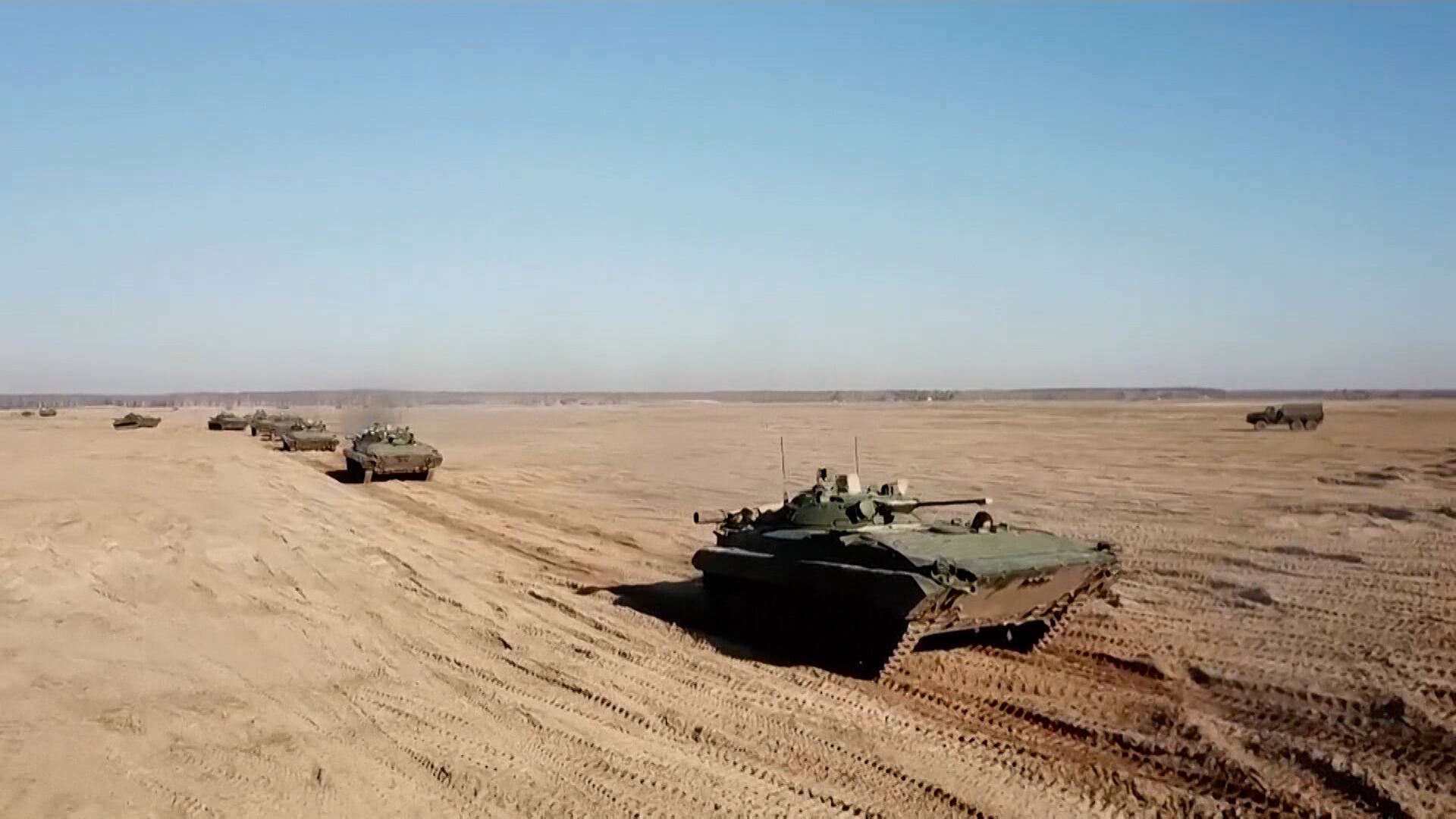
The U.S. has announced the first of what could be multiple levels of sanctions against Russia after Moscow recognized two regions of Ukraine as independent. This comes as Britain imposes sanctions on five Russian banks and two oligarchs, and Germany freezes the Nord Stream gas pipeline. Terrell Star, a foreign affairs reporter at The Atlantic Council, joins from Kyiv to discuss.
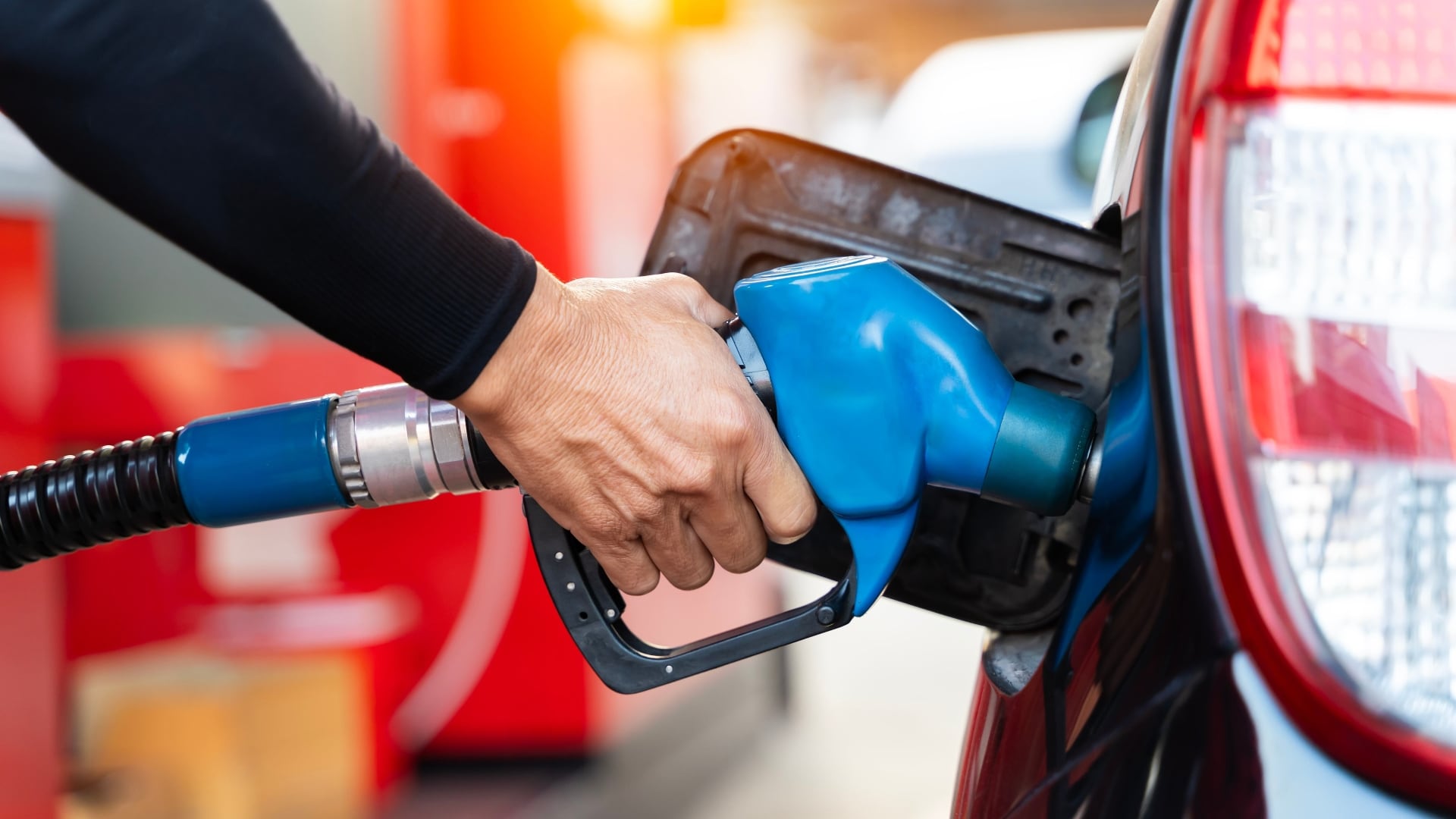
Growing tensions in Ukraine might soon be impacting consumers in the United States. With Russia on an invasion footing in the region, gas prices are predicted to go up 10 to 15 cents a gallon in the next coming weeks, according to Robert Sinclair, spokesperson for AAA. Sinclair joined Cheddar to break down what could happen even further. "We've been seeing prices go up, and there's been nothing that's happened to affect supplies," he said. "But it's something known as the fear tax where just the talk of something that might interfere with supplies leads to prices going up speculatively."
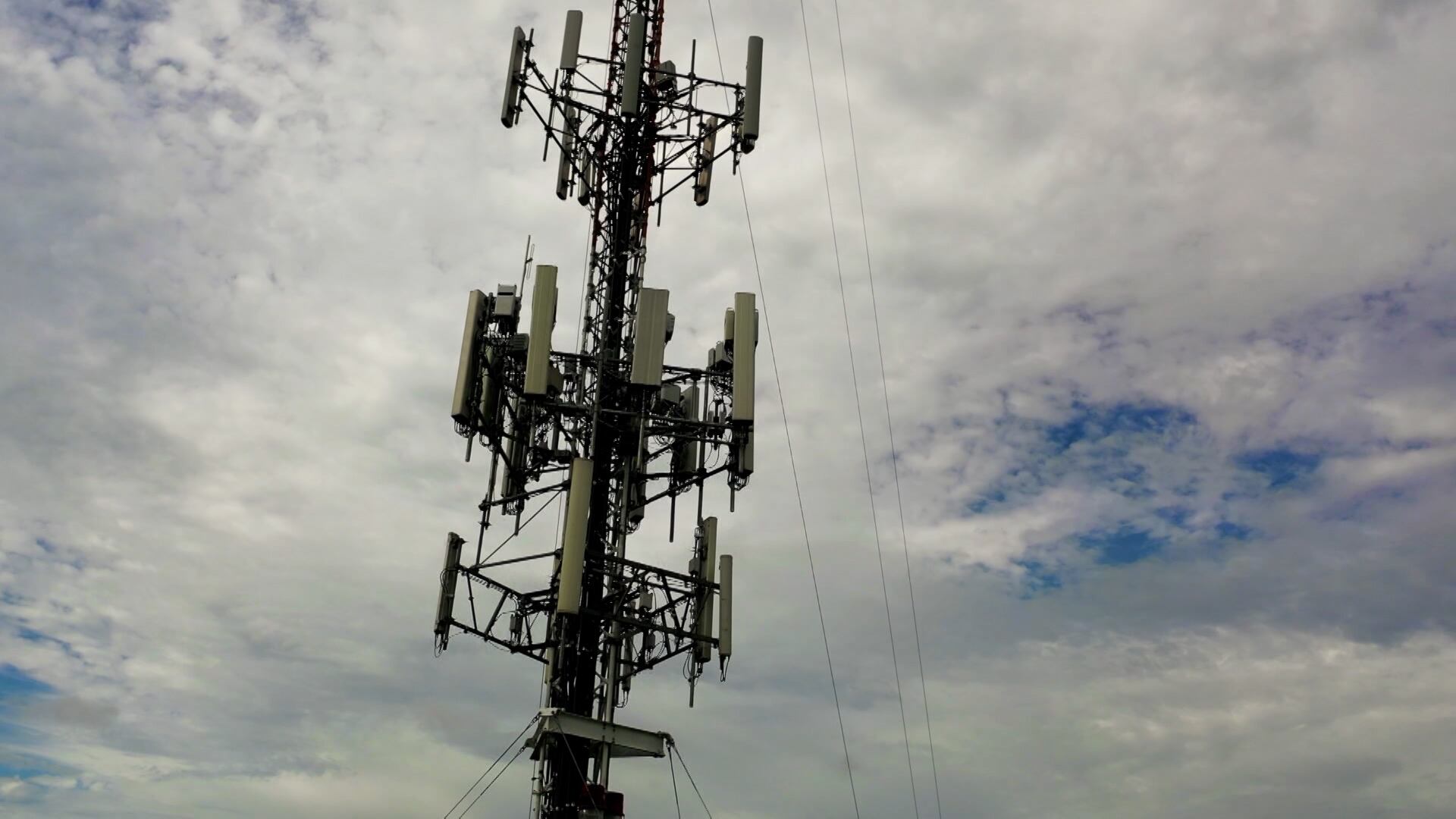
The end of 3G is upon us. On Tuesday, AT&T became the first major provider to disable its 3G services, and T-Mobile and Verizon plan to follow suit later this year. The shutdowns are expected to impact millions of vehicles that use 3G networks for updates, remote connection, and certain emergency and convenience features. Lance Ulanoff, the U.S. Editor-in-Chief of TechRadar, joined Cheddar's Closing Bell to discuss the ramifications of the changeover.
A new report shows nearly 240 former officials in Congress, the White House, and regulatory agencies have changed careers to work in the crypto industry.
President Biden unveiled new economic sanctions on Russia for what he called "the beginning of a Russian invasion". This came one day after Putin sent troops into two breakaway regions of eastern Ukraine. Alex Ward, national security reporter for POLITICO, explains what these sanctions might do to the global economy.
U.S. stocks ended today's session sharply lower on the heels of rising geopolitical tensions between Russia and Ukraine. Melissa Brown, Managing Director of Applied Research at Qontigo, joins Cheddar News' Closing Bell to discuss.
President Joe Biden said Tuesday that the U.S. will begin to impose sanctions on Russia, calling recent troop movement into Ukraine an 'invasion.' Biden and other government officials including from the State Department have begun to classify the Russian troop movement as an invasion after Russian President Vladimir Putin ordered troops to two independent Ukrainian areas in an alleged "peacekeeping" mission — which the West considers an act of aggression. Biden said Russia will continue to pay 'an even steeper price' if it continues sending troops into Ukraine. What happens next? Will Putin find a way around these sanctions? Ariel Cohen, senior fellow at the Atlantic Council, joins Closing Bell to discuss Biden's remarks, how the West will protect Ukraine since it doesn't belong to NATO, and more.