Fantasy sports platform DraftKings is betting on sports gambling, CEO Jason Robins told Cheddar at SXSW.
It’s a reversal for the company, which has long held it’s a game of skill, and not a game of chance.
But the move all hinges on a pending legal battle in DC.
“The Supreme Court is considering New Jersey’s case to allow for sports betting in their state, which, depending on how they rule, could effectively end up removing the federal ban on legalizing and regulating sports wagering,” Robins said.
States across the U.S., with the exception of Nevada, have banned sports gambling for 25 years.
But in 2012, former New Jersey’s Governor, Republican Chris Christie, signed a bill into law that effectively legalized sports betting. That set off a series of legal challenges from sports leagues, including the NCAA, the NFL, and the NBA. The case landed in front of the Supreme Court in December 2017, with a decision expected in a few months.
In anticipation, DraftKings has already started building out a product that would facilitate sports betting and is looking into partnerships with licensed brick-and-mortar casinos and content integration.
There is one thing that’s not on the company’s immediate horizon, though: an IPO.
“We eventually want to go public, but I don’t think right now is the right time for us. Probably in the next couple years,” Robins said. “There’s still a lot of work we need to do to be prepared to be a public company.”
Last week reports emerged that rival FanDuel, with whom the company unsuccessfully tried to merge in 2016, was looking to go public through a so-called reverse merger.
AT&T announced it's offering two tiers of high-speed internet, 2 gigs, and 5 gigs, to its fiber customers in more than 70 metro regions. AT&T Consumer CEO Thaddeus Arroyo joined Cheddar to talk about the newly available speed upgrades for 5.2 million of its customers, and where the rollout goes from here. "Over the course of 2022, we'll rapidly continue to retrofit the rest of the base," he said. "And importantly now is, as we build-out, we've talked about building out to cover 30 million homes and businesses by the end of 2025, we're going to continue to ensure that every new location that we stand up has this multi gig capability."
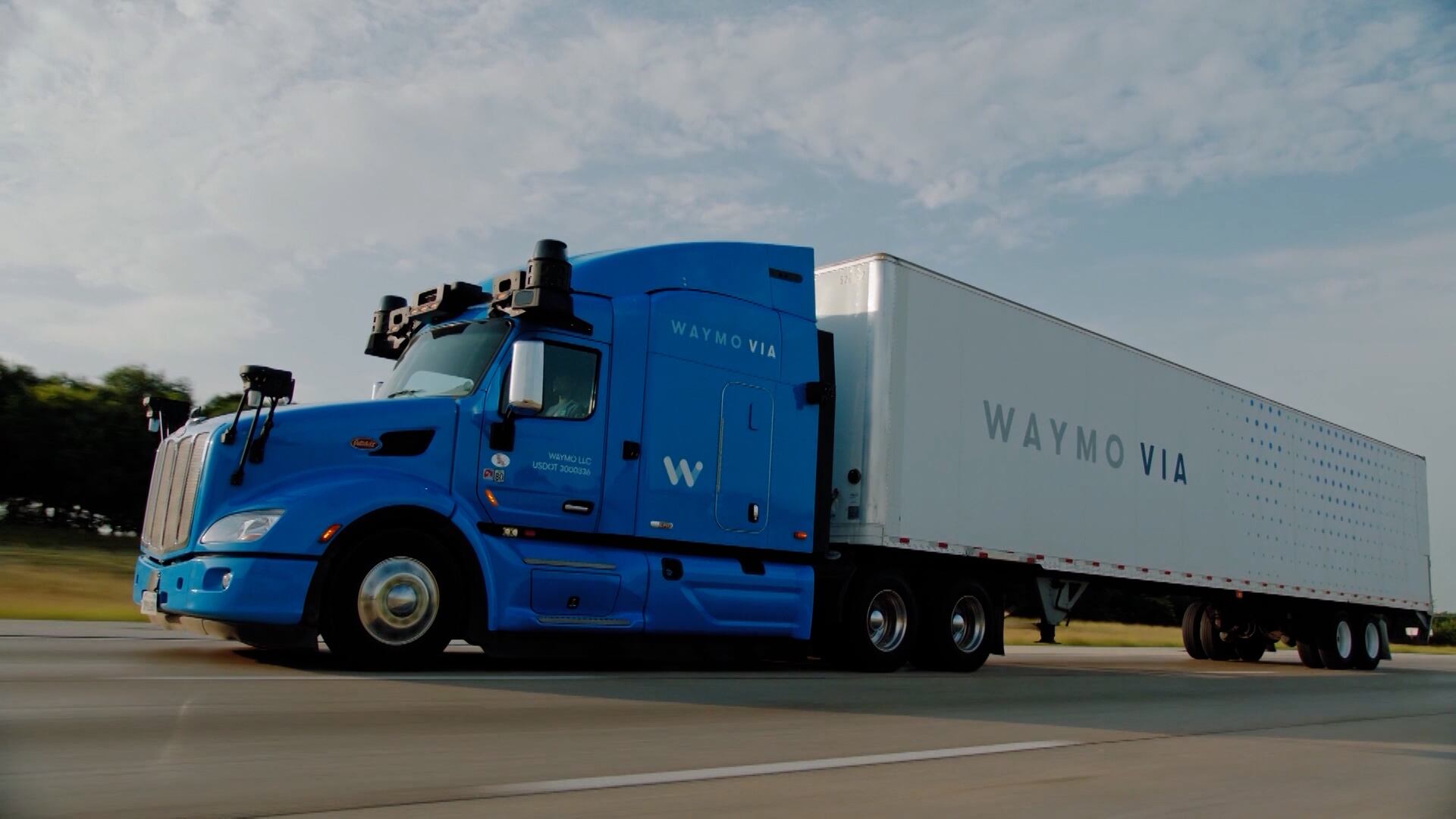
Autonomous driving tech company Waymo is partnering with transportation and logistics business J.B. Hunt. The two firms are teaming up to bring autonomous shipping to the highways. Head of commercialization for trucking at Waymo, Charlie Jatt, joined Cheddar to discuss how the companies are combining their strengths. "We, of course at Waymo, are working on the technology side of affairs, and J. B Hunt brings critical operational and commercial expertise," Jatt said. "And together we're going to work to deploy the first fully autonomous Class 8 truck hauling goods for one of their customers in the coming years in Texas."
As companies look toward the metaverse concept to further move their companies online, Shep Ogden, CEO and co-founder of Offbeat Media, spoke with Cheddar about questions investors should be posing to businesses like how customized the metaverse experience will be. "One of the best things that people can do, or companies can do, to be competitive is really find those influencers within the community that are very deep in the space," Ogden added.
Ann Berry, Chief Investment Officer at Wheelhouse, joined Wake Up With Cheddar to break down why Netflix stock saw such a steep decline in after hours trading on Thursday.
Bill Lawton, Principal Research Engineer AT Georgia Tech Research Institute, joined Cheddar News to break down the latest with the controversial rollout of 5G, as the FAA continues to investigate possible flight disruptions.
Dan Ives, managing director and senior equity research analyst at Wedbush, sat down with Cheddar News' Baker Machado to break down the implications of this deal for both Microsoft and Activision, as well as competitors like Sony.
David Trainer, CEO of New Constructs, joined Cheddar News' Michelle Castillo to discuss what the future may hold for Netflix, as increased competition and slowing subscriber growth cause the stock to tumble.