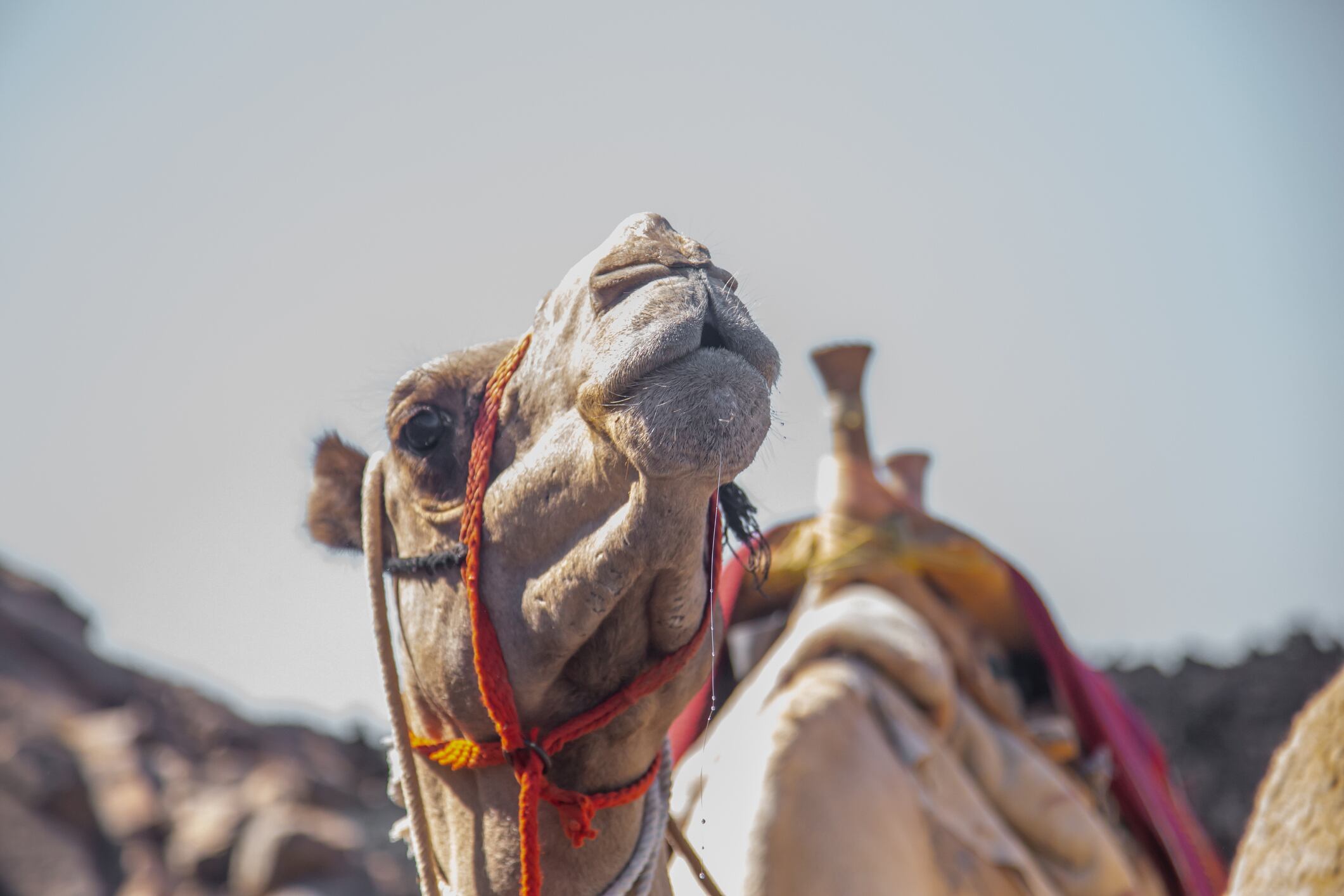
Photo taken in Tabuk, Saudi Arabia. Credit: Abdullah Aleisa / EyeEm via Getty Images
Saudi authorities have conducted their biggest-ever crackdown on camel beauty contestants that received Botox injections and other artificial touch-ups, the state-run Saudi Press Agency reported Wednesday, with over 40 camels disqualified from the annual pageant.
Saudi Arabia's popular King Abdulaziz Camel Festival, which kicked off earlier this month, invites the breeders of the most beautiful camels to compete for some $66 million in prize money. Botox injections, face lifts and other cosmetic alterations to make the camels more attractive are strictly prohibited. Jurors decide the winner based on the shape of the camels' heads, necks, humps, dress and postures.
Judges at the monthlong festival in the desert northeast of the Saudi capital, Riyadh, are escalating their clamp down on artificially enhanced camels, the official news agency reported, using “specialized and advanced” technology to detect tampering.
This year, authorities discovered dozens of breeders had stretched out the lips and noses of camels, used hormones to boost the beasts' muscles, injected camels' heads and lips with Botox to make them bigger, inflated body parts with rubber bands and used fillers to relax their faces.
“The club is keen to halt all acts of tampering and deception in the beautification of camels,” the SPA report said, adding organizers would "impose strict penalties on manipulators.”
The camel beauty contest is at the heart of the massive carnival, which also features camel races, sales and other festivities typically showcasing thousands of dromedaries. The extravaganza seeks to preserve the camel's role in the kingdom's Bedouin tradition and heritage, even as the oil-rich country plows ahead with modernizing mega-projects.
Camel breeding is a multimillion-dollar industry and similar events take place across the region.
Sēkr, a mobile app that aims to improve and digitize the outdoor travel experience, announced this week that it raised a $2.25 million seed round. In the Sēkr app, users can get access to more than 50,000 campsites throughout the U.S. including the nation's largest database of free campsites. The company is saying it is on a mission to make every step of the planning experience for outdoor travel easier, safer, and more social. Breanne Acio, co-founder and CEO of Sēkr, and Jess Shisler, co-founder and COO, joined Cheddar News' Closing Bell to discuss.
In a 5-4 vote, the U.S. Supreme Court allowed for a controversial new version of the Alabama congressional map to remain in place. The lower court had previously ordered that the state must redraw that congressional map because it violates the Voting Rights Act by diluting the political power of Black voters. Redistricting expert Yurij Rudensky joins Cheddar News to weigh in.
The Winter Olympics are in full swing and athletes from around the globe are showcasing their elite skills at a wide variety of events. There's a lot of excitement but also a lot of pressure for these athletes. Former NFL defensive tackle and Super Bowl champion Dominique Easley joined Cheddar News to weigh in.
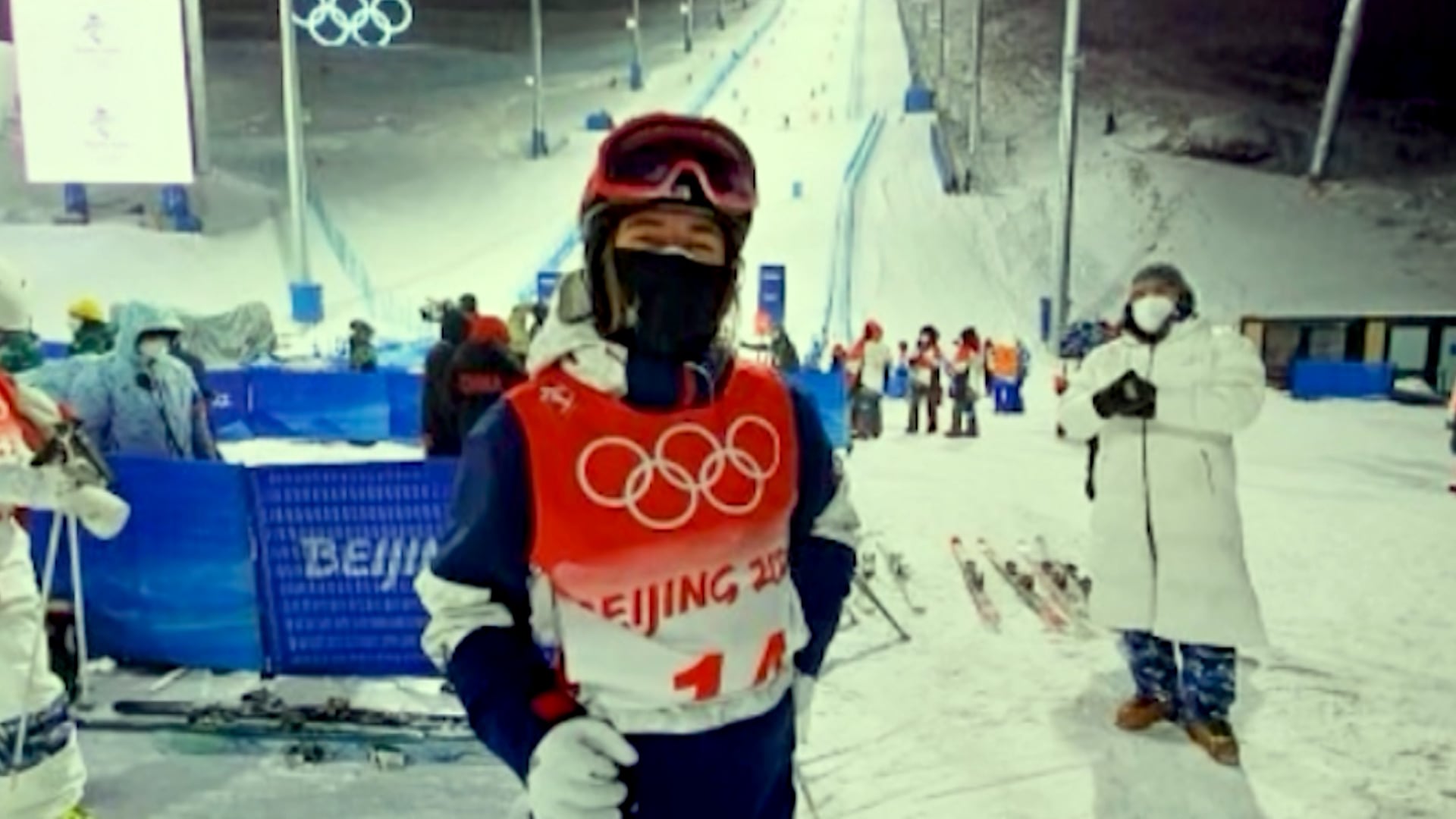
American freestyle skier Jaelin Kauf joins Cheddar News to talk about taking home the silver medal in the Women's Moguls Final at the 2022 Winter Olympics.
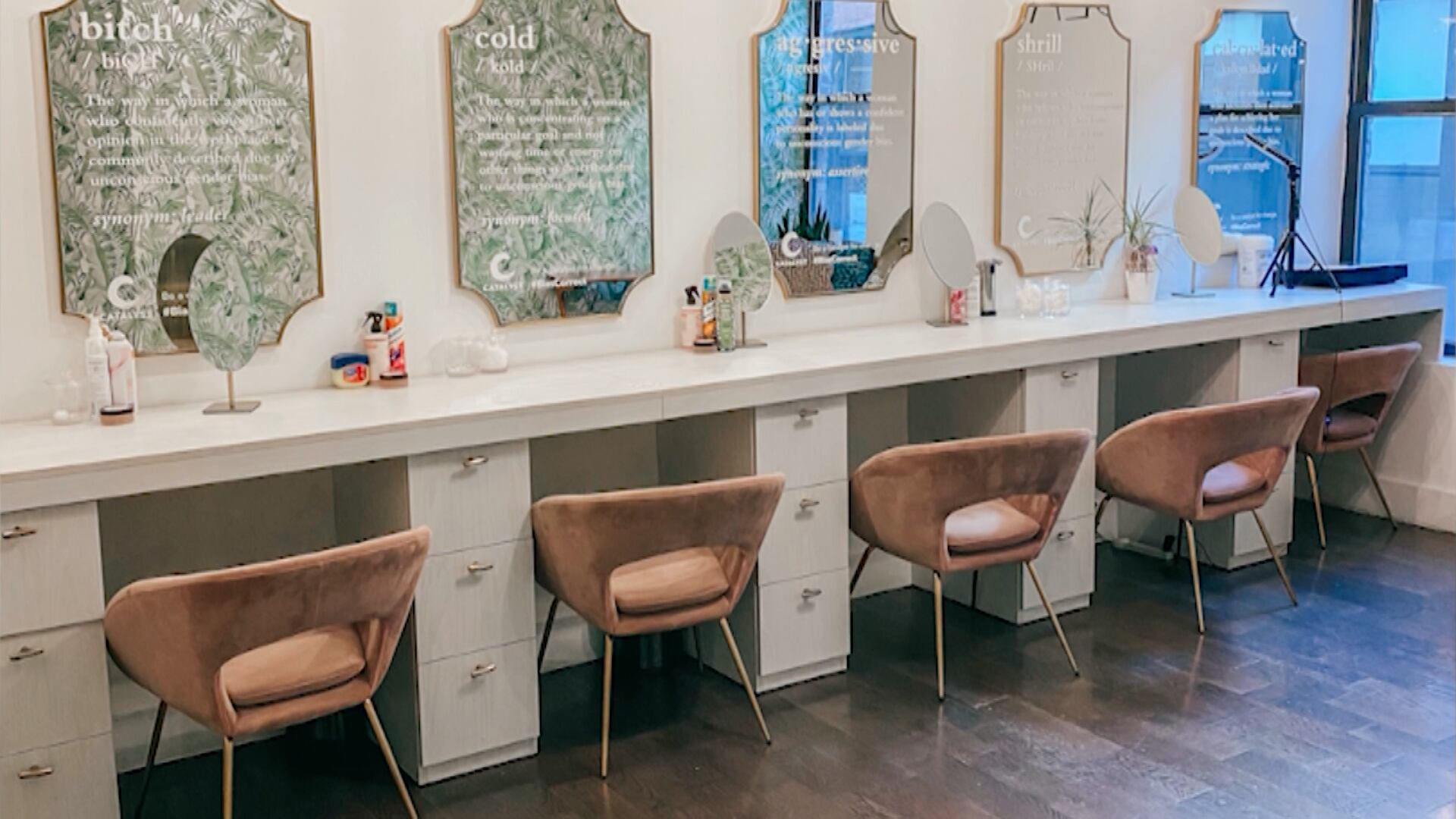
This episode of ChedHER is all about helping women thrive in their careers and rise up in the ranks. Guests include female leaders from across industries including sports, advertising, and so much more.
Sonja Stills, Commissioner of the Mid-Eastern Athletic Conference, joins ChedHER to discuss her experience being the first female leader in this role, and how she plans on carrying on the legacy of the MEAC.
Sheri Bachstein, CEO of The Weather Company and GM of IBM Watson Advertising, joins ChedHER to discuss her successes in this role, and how she's helping women thrive in the c-suite.