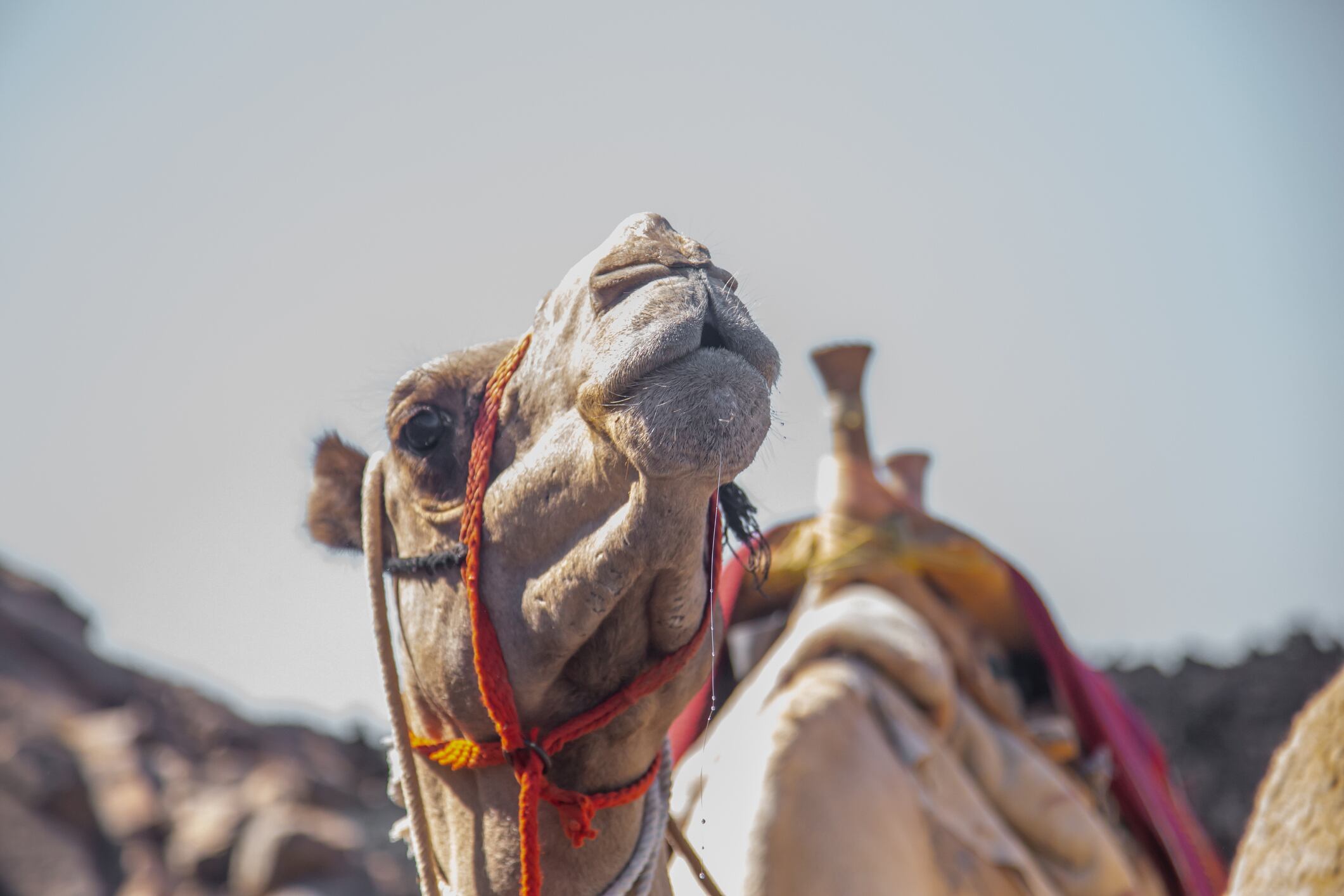
Photo taken in Tabuk, Saudi Arabia. Credit: Abdullah Aleisa / EyeEm via Getty Images
Saudi authorities have conducted their biggest-ever crackdown on camel beauty contestants that received Botox injections and other artificial touch-ups, the state-run Saudi Press Agency reported Wednesday, with over 40 camels disqualified from the annual pageant.
Saudi Arabia's popular King Abdulaziz Camel Festival, which kicked off earlier this month, invites the breeders of the most beautiful camels to compete for some $66 million in prize money. Botox injections, face lifts and other cosmetic alterations to make the camels more attractive are strictly prohibited. Jurors decide the winner based on the shape of the camels' heads, necks, humps, dress and postures.
Judges at the monthlong festival in the desert northeast of the Saudi capital, Riyadh, are escalating their clamp down on artificially enhanced camels, the official news agency reported, using “specialized and advanced” technology to detect tampering.
This year, authorities discovered dozens of breeders had stretched out the lips and noses of camels, used hormones to boost the beasts' muscles, injected camels' heads and lips with Botox to make them bigger, inflated body parts with rubber bands and used fillers to relax their faces.
“The club is keen to halt all acts of tampering and deception in the beautification of camels,” the SPA report said, adding organizers would "impose strict penalties on manipulators.”
The camel beauty contest is at the heart of the massive carnival, which also features camel races, sales and other festivities typically showcasing thousands of dromedaries. The extravaganza seeks to preserve the camel's role in the kingdom's Bedouin tradition and heritage, even as the oil-rich country plows ahead with modernizing mega-projects.
Camel breeding is a multimillion-dollar industry and similar events take place across the region.
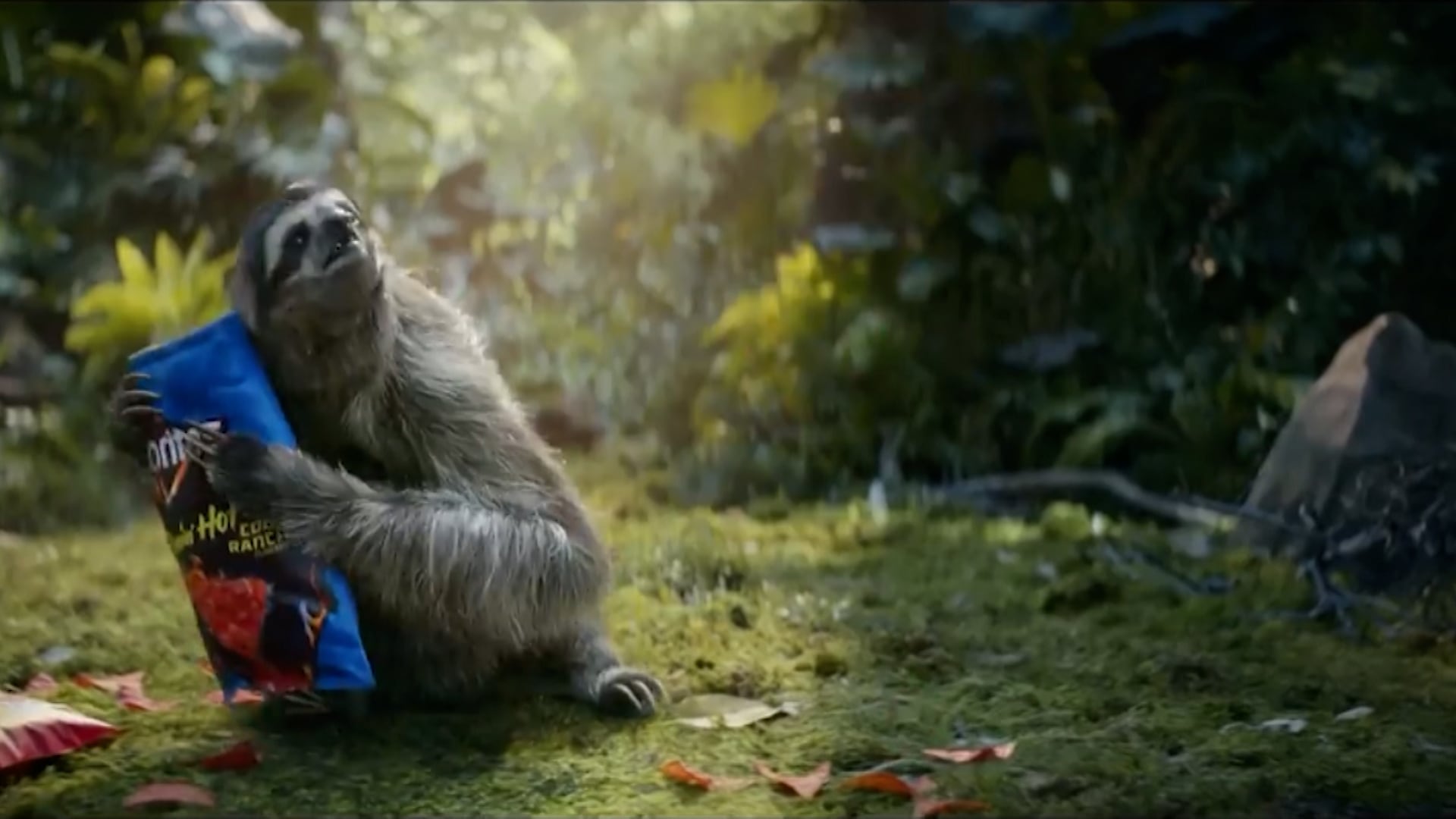
While many are excited to watch the final two NFL teams square-off and see which one ultimately takes home the trophy, some, on the other hand, are there for another mian attraction -- the commercials. Companies during this year's game are looking towards the future From electric vehicles, to robots, and crypto-currency, several first-time advertisers are expected to join long-time advertisers like Pepsi, Budweiser and Doritos during the NFL's biggest game. Tom Morton, Global Chief Strategy Officer at R/GA, joined Cheddar News' Big Game Special to discuss.
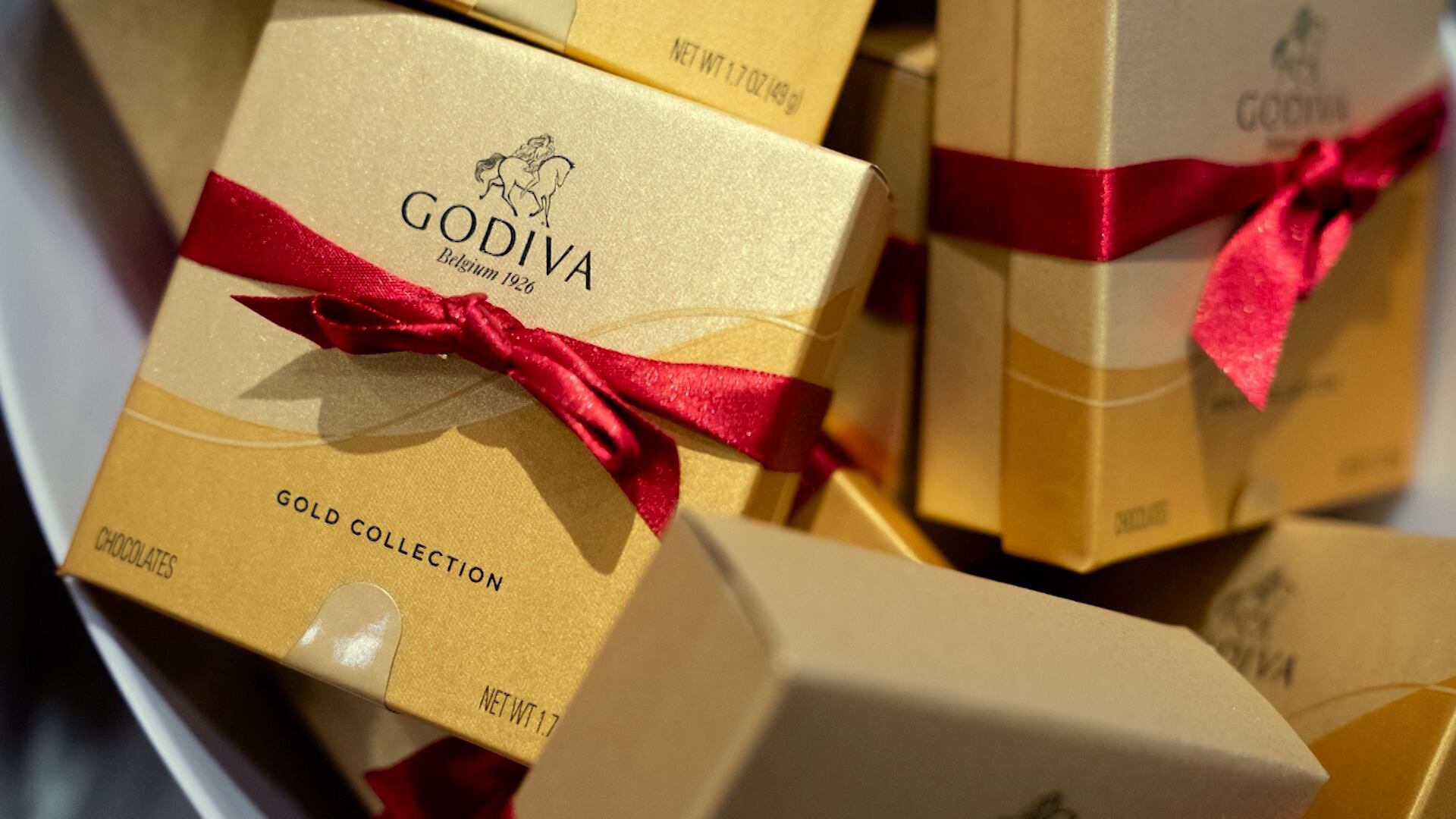
Americans are expected to spend nearly $24 billion in 2022 for Valentine's Day, and many of those gifts will be in the form of chocolate. John Galloway, interim president of the Americas and CMO of Godiva, joined Cheddar's Opening Bell to discuss what chocolate trends the brand is seeing this year, plus the impact of inflation and supply chain issues on the industry.
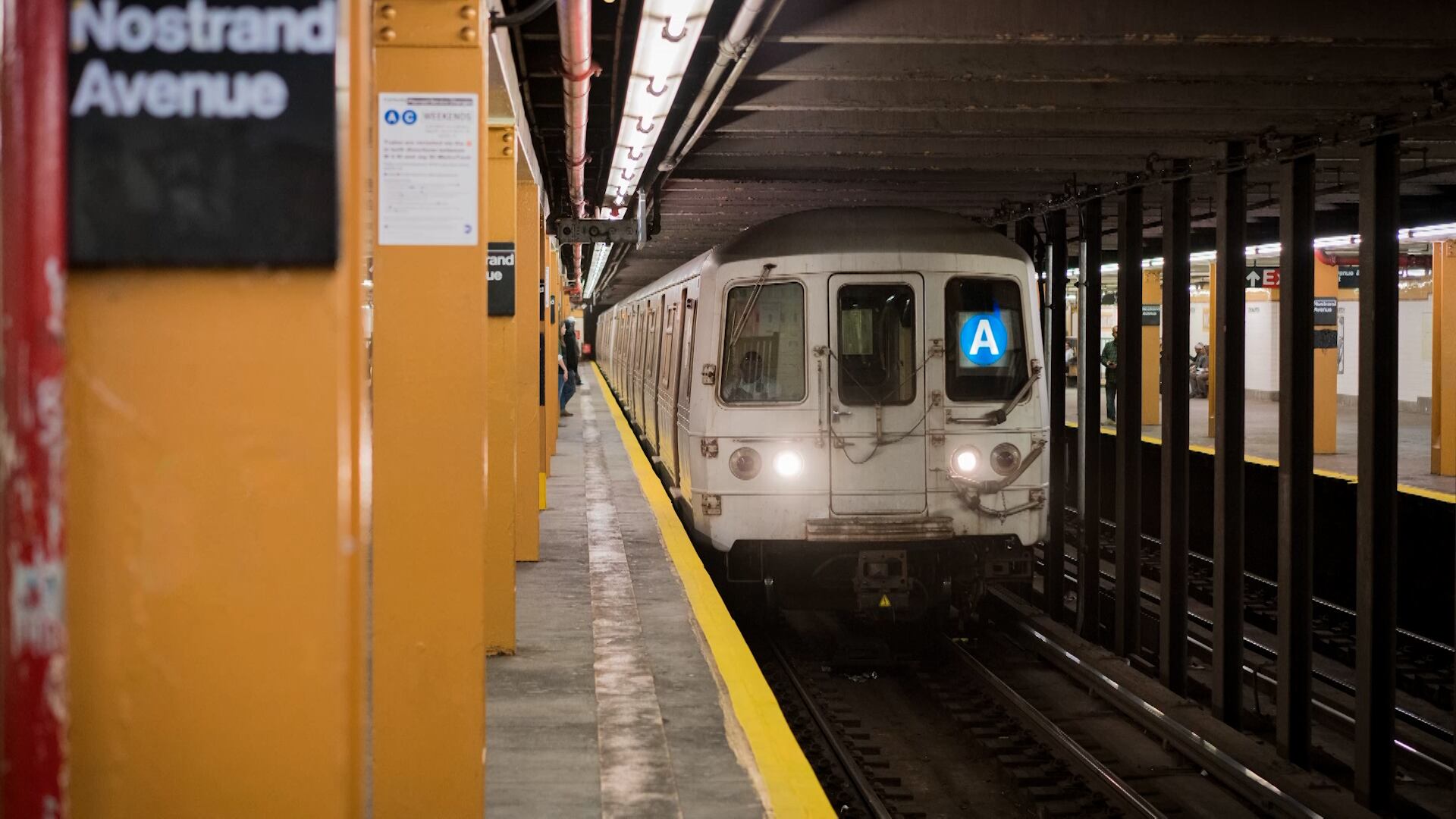
New York City's famous subway system is currently facing scrutiny after several recent attacks on platforms. Now, local leaders in the Big Apple are calling on the MTA. To step in and take action.
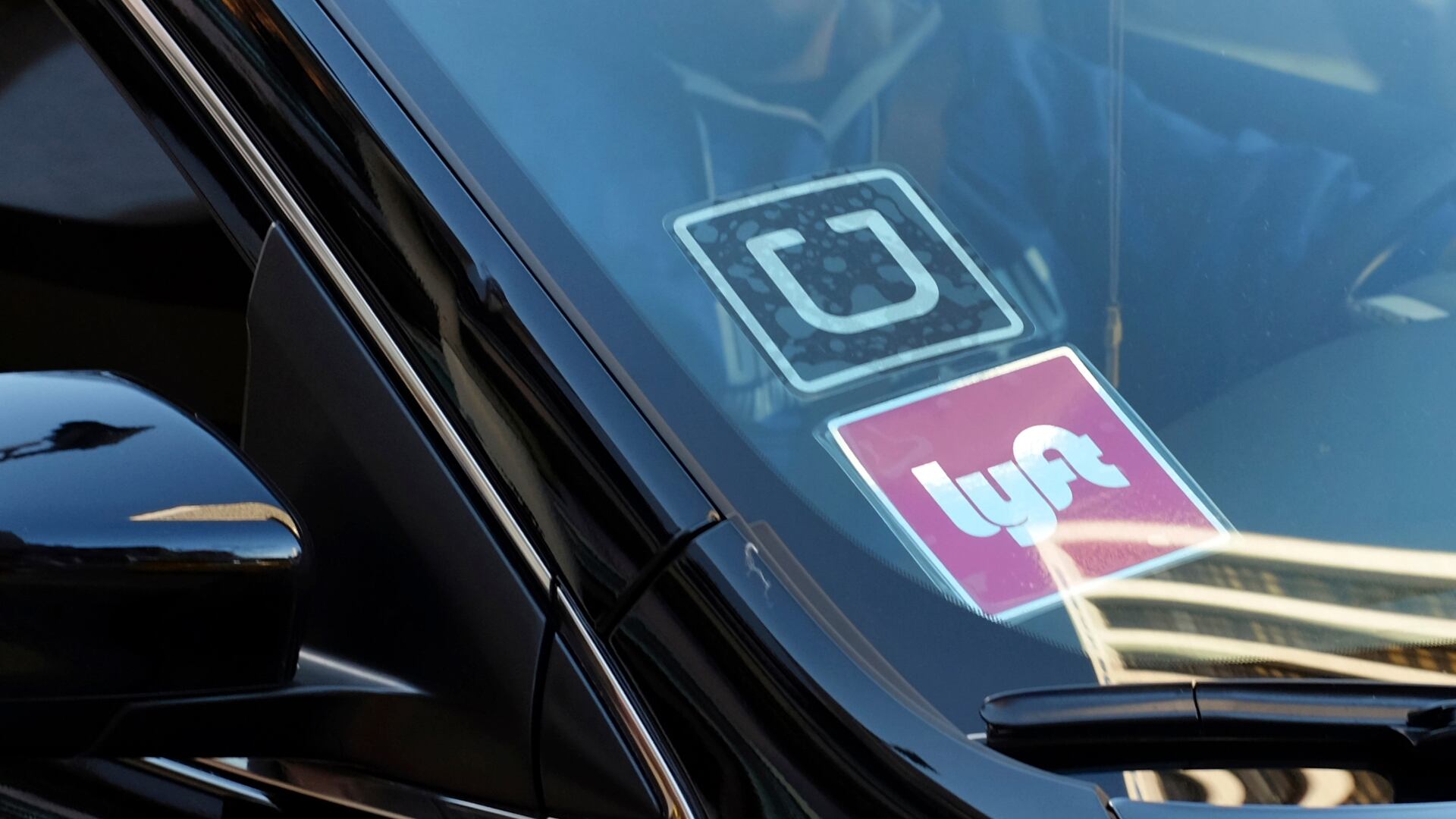
New York City ride-hailing app drivers are about to get a pay raise. According to the city's Mayor Eric Adams, New York will increase its minimum driver pay rate for both Uber and Lyft drivers. This means both platforms would now be required to pay their drivers a minimum of $1.61 cents per mile and about 0.50 cents per minute. Ultimately, the move would give riders at least a 5.3% race. New York City Comptroller Brad Lander, joined Cheddar to discuss more.
Tensions in Ukraine continue to rise. According to NATO and U.S. officials, Russian troops are still being built up despite Moscow's claims of de-escalation. However, Ukraine does not believe the troops are enough to mount an invasion. The government in Kyiv has also reported several cyber attacks against its defense agencies and banks which is the largest attack in the country's history. Foreign Affairs Reporter based in Ukrain, Terrell Starr, joined Cheddar to discuss more