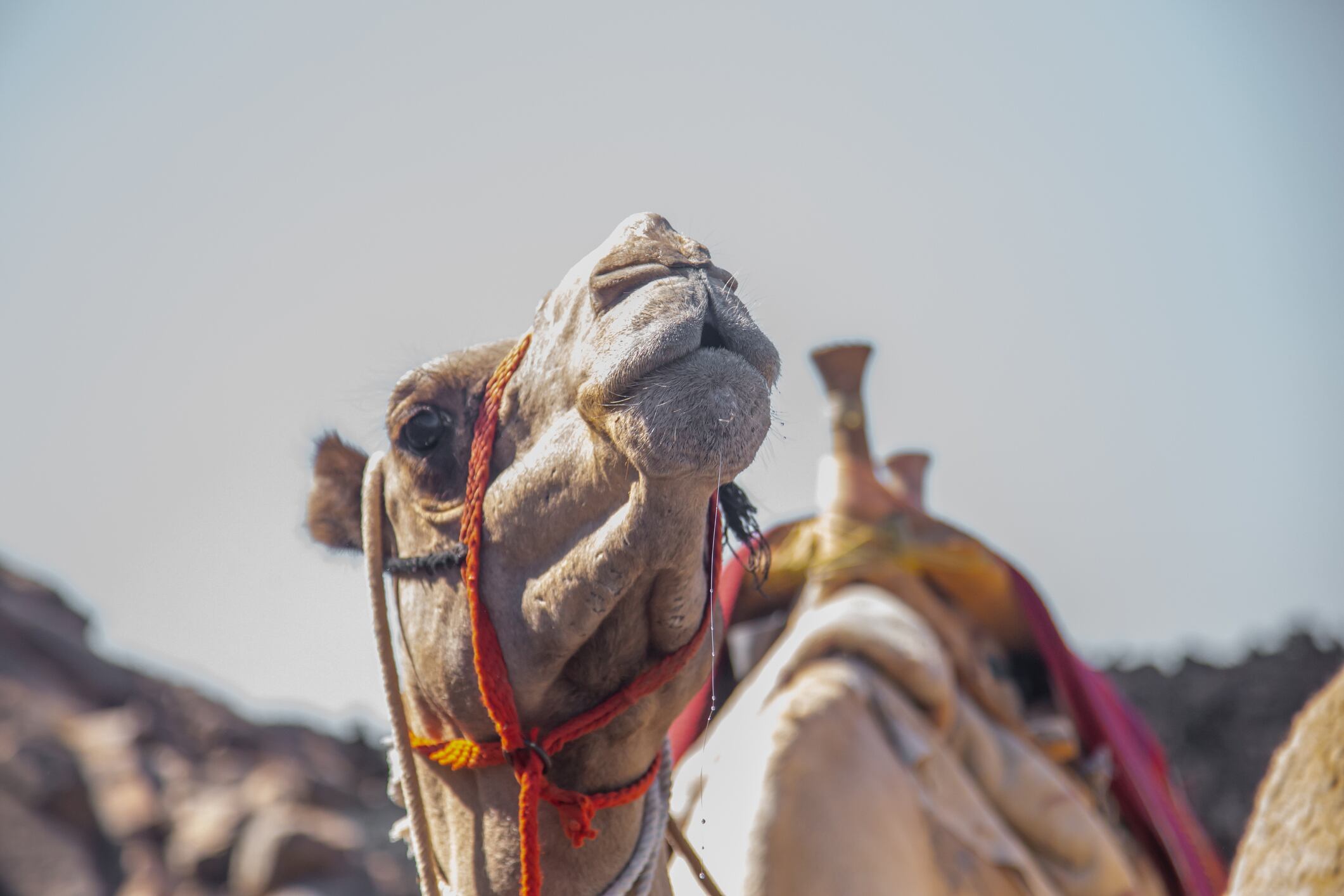
Photo taken in Tabuk, Saudi Arabia. Credit: Abdullah Aleisa / EyeEm via Getty Images
Saudi authorities have conducted their biggest-ever crackdown on camel beauty contestants that received Botox injections and other artificial touch-ups, the state-run Saudi Press Agency reported Wednesday, with over 40 camels disqualified from the annual pageant.
Saudi Arabia's popular King Abdulaziz Camel Festival, which kicked off earlier this month, invites the breeders of the most beautiful camels to compete for some $66 million in prize money. Botox injections, face lifts and other cosmetic alterations to make the camels more attractive are strictly prohibited. Jurors decide the winner based on the shape of the camels' heads, necks, humps, dress and postures.
Judges at the monthlong festival in the desert northeast of the Saudi capital, Riyadh, are escalating their clamp down on artificially enhanced camels, the official news agency reported, using “specialized and advanced” technology to detect tampering.
This year, authorities discovered dozens of breeders had stretched out the lips and noses of camels, used hormones to boost the beasts' muscles, injected camels' heads and lips with Botox to make them bigger, inflated body parts with rubber bands and used fillers to relax their faces.
“The club is keen to halt all acts of tampering and deception in the beautification of camels,” the SPA report said, adding organizers would "impose strict penalties on manipulators.”
The camel beauty contest is at the heart of the massive carnival, which also features camel races, sales and other festivities typically showcasing thousands of dromedaries. The extravaganza seeks to preserve the camel's role in the kingdom's Bedouin tradition and heritage, even as the oil-rich country plows ahead with modernizing mega-projects.
Camel breeding is a multimillion-dollar industry and similar events take place across the region.
A Gallup poll finds that now 7.1% of American adults identify as LGBTQ, jumping from 3.5% in 2012. The increase is driven by Generation-Z – those born between 1997 and 2003 – of whom one out of five identify as LGBTQ. Cheddar News speaks with Washington Blade reporter Chris Johnson about the significant shift.
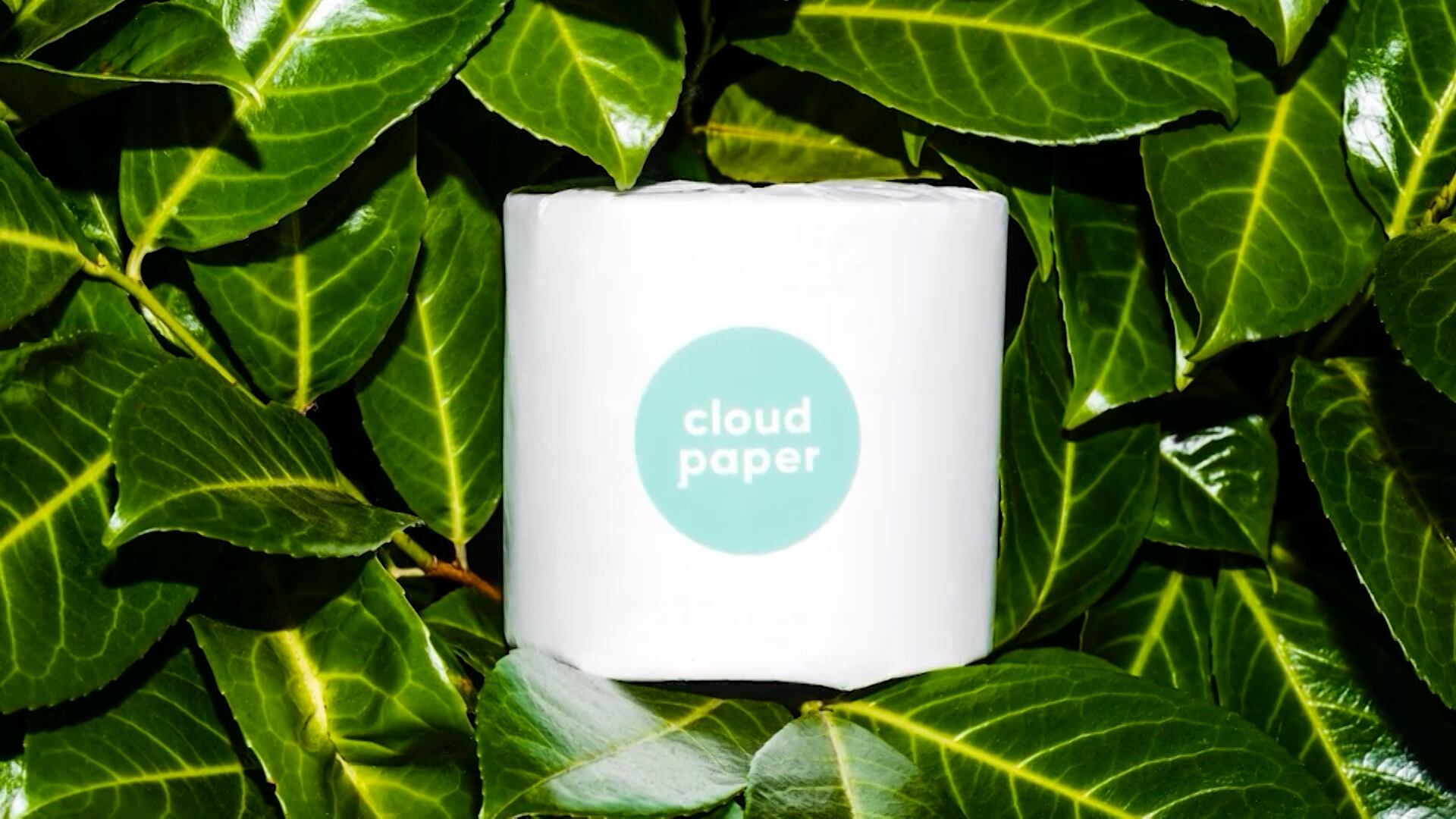
Bamboo-based toilet paper company Cloud Paper raised $5 million in a recent funding round. Its product is a bamboo-based alternative to traditional toilet paper made from trees, and its mission is to end the deforestation caused by traditional paper products. Cloud Paper says the raise will allow it to make significant investments in its supply chain, product development, and hiring. Ryan Fritsch, a co-founder of Cloud Paper, joined Cheddar News' Closing Bell to discuss.
Anne Price, president of the Insight Center for Community Economic Development, discusses how Black Americans have been adversely impacted by rising home prices and offers tips for wealth building.
Ellen Goodwin, Co-Founder and Chief Solutions Officer of Artifcts, joins ChedHER to discuss how she's creating a platform to preserve the history of your belongings, and her experience succeeding in male-dominated industries.
Keren Sachs, Founder and CEO at The Luupe, joins ChedHER to discuss how her platform bridges the gap between diverse creators and brands, and what the future of the creator economy looks like.
Thelma Ferguson, Managing Director & Northeast Segment Head at JPMorgan Chase Commercial Banking, joins ChedHER to discuss the upcoming Women Presidents Organization's "50 Fastest-Growing Women-Owned/Led Companies" ranking, and what kind of impact women entrepreneurs have on the overall economy.
On this episode of ChedHER: Artifcts Co-Founder breaks down how she's creating a platform to preserve the history of your belongings; The Luupe CEO explains how her platform bridges the gap between diverse creators and brands; Managing Director & Northeast Segment Head at JPMorgan Chase Commercial Banking discusses the upcoming Women Presidents Organization's "50 Fastest-Growing Women-Owned/Led Companies" ranking.