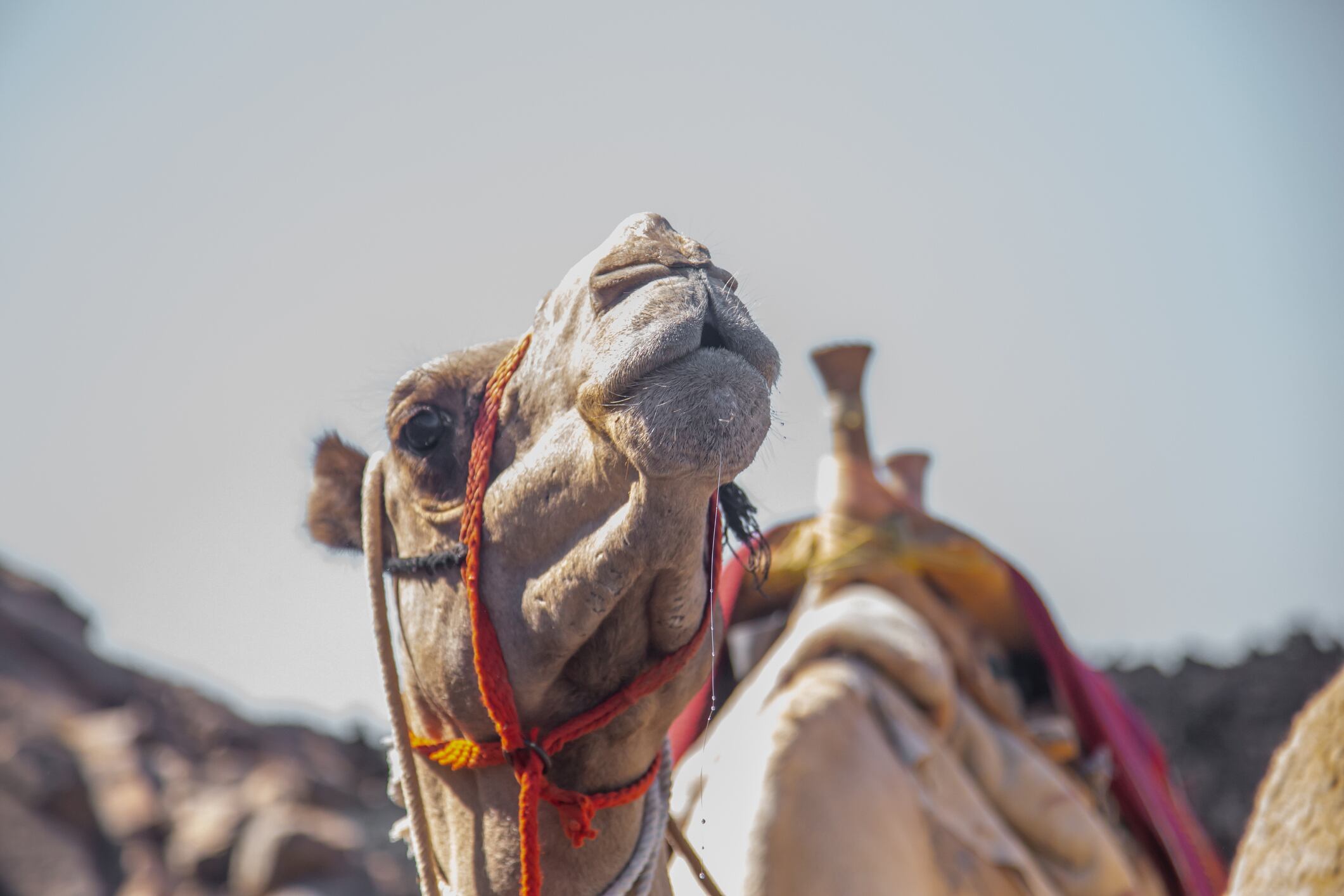
Photo taken in Tabuk, Saudi Arabia. Credit: Abdullah Aleisa / EyeEm via Getty Images
Saudi authorities have conducted their biggest-ever crackdown on camel beauty contestants that received Botox injections and other artificial touch-ups, the state-run Saudi Press Agency reported Wednesday, with over 40 camels disqualified from the annual pageant.
Saudi Arabia's popular King Abdulaziz Camel Festival, which kicked off earlier this month, invites the breeders of the most beautiful camels to compete for some $66 million in prize money. Botox injections, face lifts and other cosmetic alterations to make the camels more attractive are strictly prohibited. Jurors decide the winner based on the shape of the camels' heads, necks, humps, dress and postures.
Judges at the monthlong festival in the desert northeast of the Saudi capital, Riyadh, are escalating their clamp down on artificially enhanced camels, the official news agency reported, using “specialized and advanced” technology to detect tampering.
This year, authorities discovered dozens of breeders had stretched out the lips and noses of camels, used hormones to boost the beasts' muscles, injected camels' heads and lips with Botox to make them bigger, inflated body parts with rubber bands and used fillers to relax their faces.
“The club is keen to halt all acts of tampering and deception in the beautification of camels,” the SPA report said, adding organizers would "impose strict penalties on manipulators.”
The camel beauty contest is at the heart of the massive carnival, which also features camel races, sales and other festivities typically showcasing thousands of dromedaries. The extravaganza seeks to preserve the camel's role in the kingdom's Bedouin tradition and heritage, even as the oil-rich country plows ahead with modernizing mega-projects.
Camel breeding is a multimillion-dollar industry and similar events take place across the region.
Two friends have joined forces to come up with an app dedicated to making mental health more approachable and to provide users with the tools needed to improve their mental health and overall well-being. Co-Founders of the Dial App Jonah Salita and Marcel Johnson, joined Cheddar to discuss more.
Miss Universe 2021 Harnaaz Sandhu and Smile Train CEO Susie Schaefer join Cheddar News to talk about how Smile Train continues to support those with a cleft lip this International Women's Day.
On this International Women’s Day, Deb Cupp, president of Microsoft U.S., joined Cheddar News to talk about the implementation of her pillars to extend the company's culture, such as acting with care and putting the team first. "What I like about the pillars is they're very simple, so it's easy for us to think about how they show up every day in our lives," Cupp said.
Christian Nunes, President of the National Organization for Women, joins Cheddar Reveals to take a look at where the women's rights movement stands today and where it's headed.
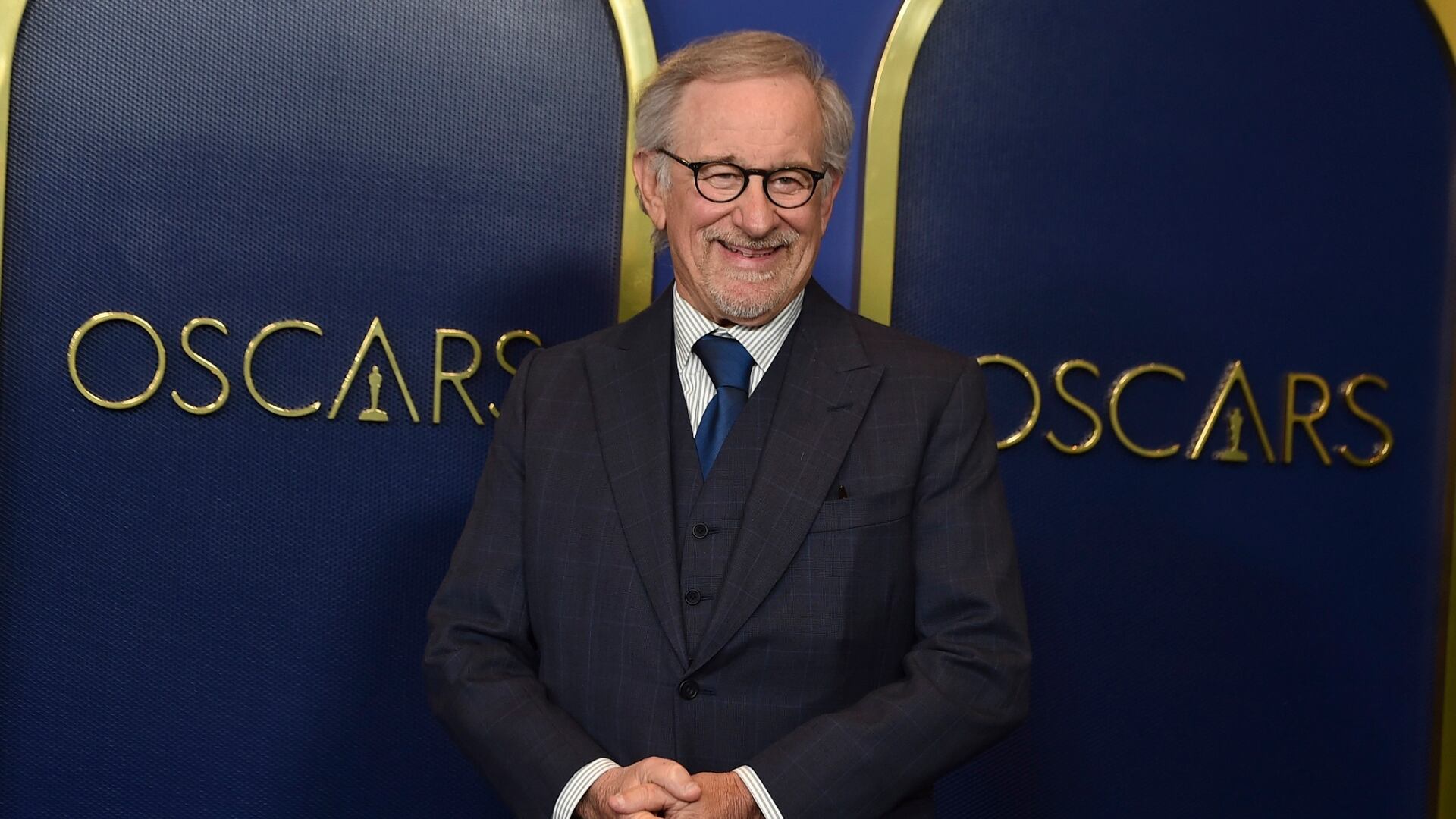
Steven Spielberg has spoken out against the Motion Picture Academy’s decision to move the presentation of eight categories to the pre-show off-air for this year’s Oscars. "We should all have a seat at the supper table together, live at five," said the Academy Award-winning director, who is also nominated for two statues at this year's event.
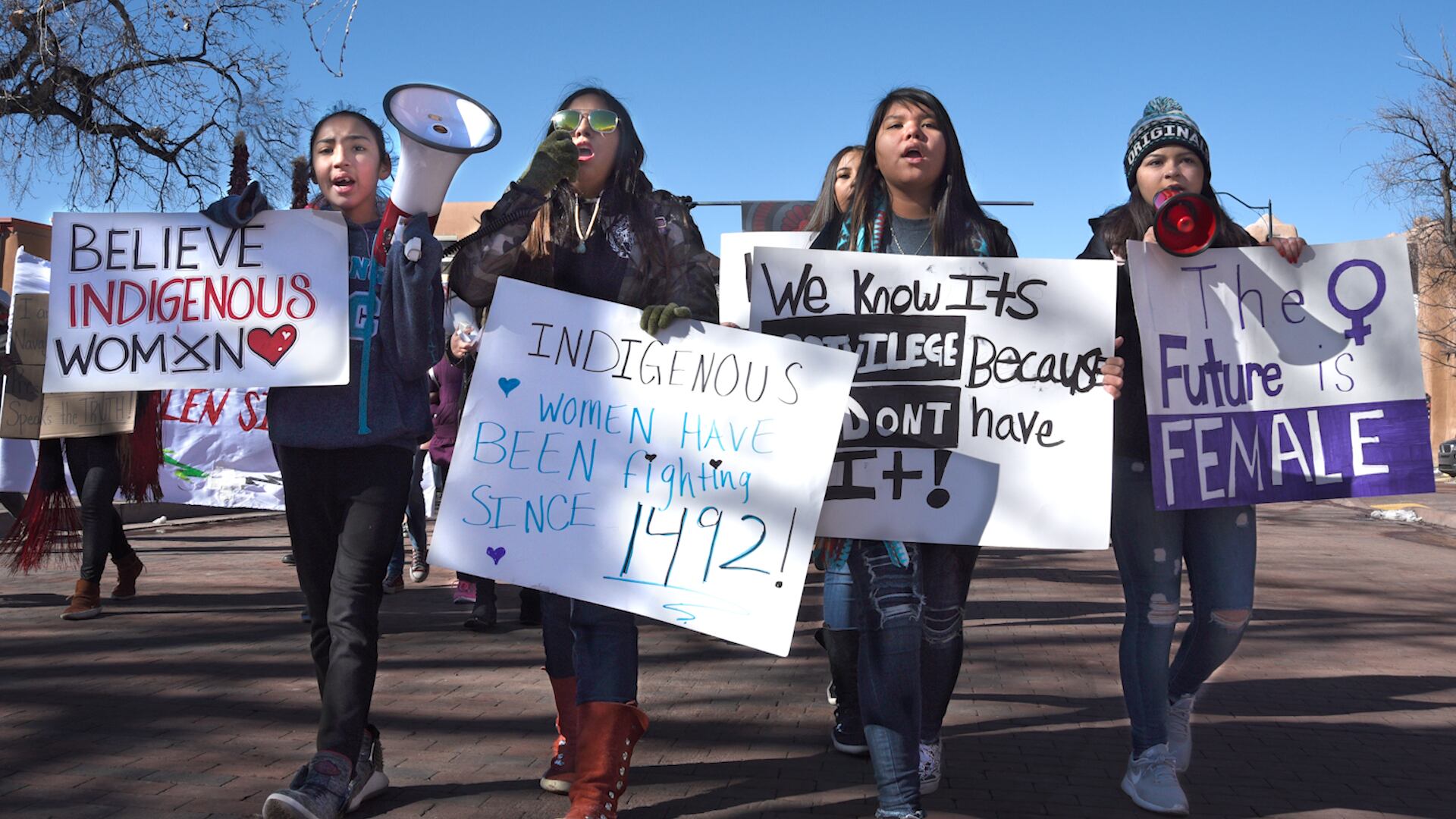
On this episode of Cheddar Reveals, Sally Roesch Wagner, Historian & Executive Director, The Matilda Joslyn Gage Foundation, discusses how the early women's rights movement evolved and the hidden influence of Native American women on early American feminists.; Christian Nunes, President of the National Organization for Women, takes a look at where the women's rights movement stands today and where it's headed; Cheddar gets a look at Curiosity Stream's 'Ascent of Woman.'
Sally Roesch Wagner, Historian & Executive Director, The Matilda Joslyn Gage Foundation, joins Cheddar Reveals to discuss how the early women's rights movement evolved and the hidden influence of Native American women on early American feminists.