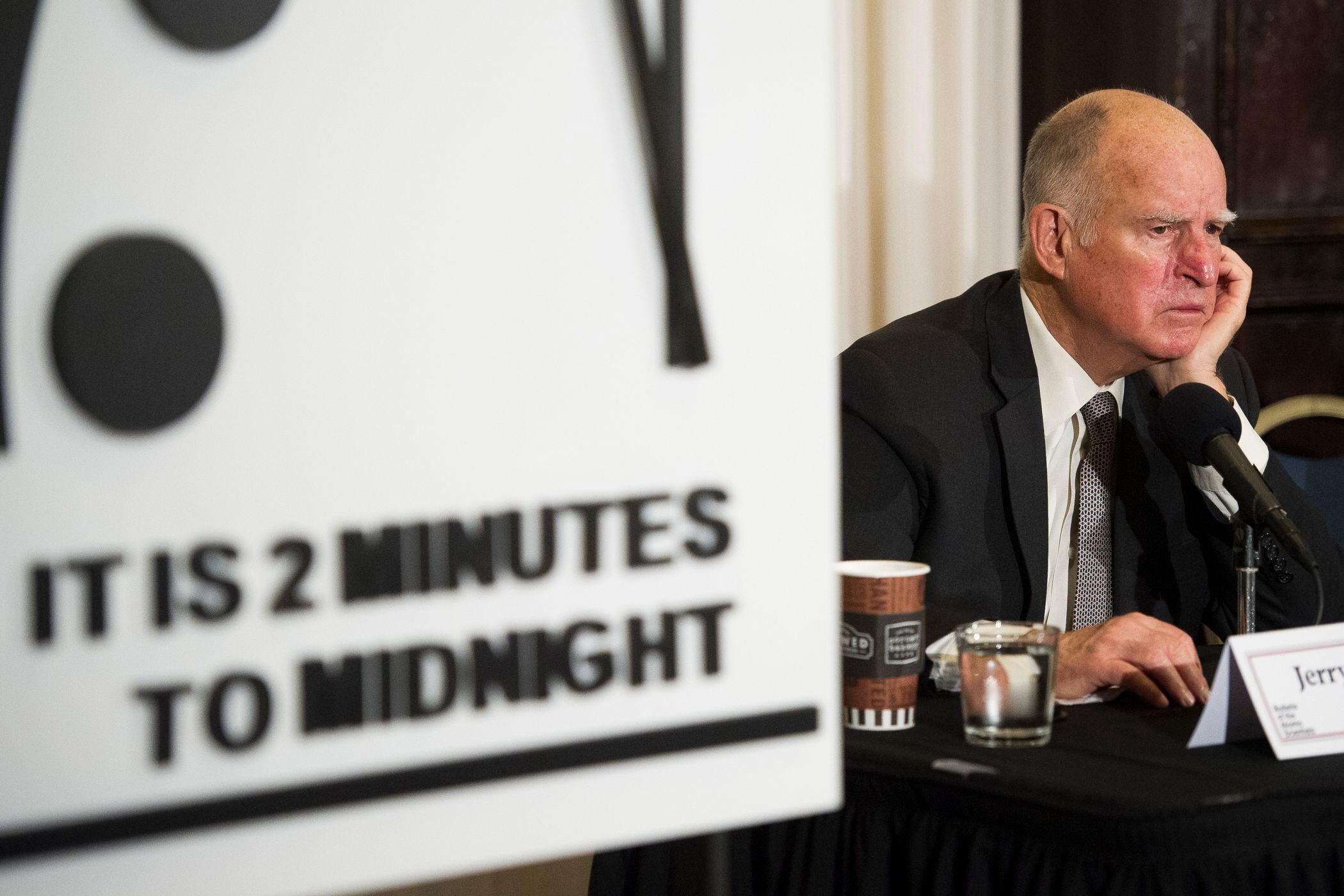
Former California Gov. Jerry Brown listens to a reporters question after unveiling the Doomsday Clock during The Bulletin of the Atomic Scientists news conference in Washington, Thursday, Jan. 24, 2019. (AP Photo/Cliff Owen)
Amid the COVID-19 pandemic set to kill well over two million people around the globe, an international countdown of what leading science and security experts say represents a threat to human existence remains stuck at about a two-minute warning.
Scientists say the mishandling of the grave global health crisis is a "wake-up call" that governments, institutions, and a misled public remain unprepared to handle the even greater threats posed by nuclear war and climate change.
Given this and the lack of progress in 2020 in dealing with nuclear and climate perils, the Doomsday Clock remains as close to midnight as it has ever been – just 100 seconds to midnight.
The Doomsday Clock decision is made by the Bulletin of the Atomic Scientists' Science and Security Board in consultation with the Bulletin's Board of Sponsors, which includes 13 Nobel Laureates. In January 2020, the Doomsday Clock moved to 100 seconds to midnight, closer to midnight than ever in its history.
In December 2020, the Bulletin of the Atomic Scientists marked its 75th anniversary. Founded in 1945 by Albert Einstein and University of Chicago scientists who helped develop the first atomic weapons in the Manhattan Project, the Bulletin of the Atomic Scientists created the Doomsday Clock two years later, using the imagery of apocalypse (midnight) and the contemporary idiom of nuclear explosion (countdown to zero) to convey threats to humanity and the planet.
Over time, the Clock has become a universally recognized indicator of the world's vulnerability to catastrophe from nuclear weapons, climate change, and disruptive technologies in other domains.
"The pandemic serves as a historic wake-up call, a vivid illustration that national governments and the international organizations are unprepared to manage complex and dangerous challenges," says Dr. Rachel Bronson, president, and CEO, Bulletin of the Atomic Scientists.
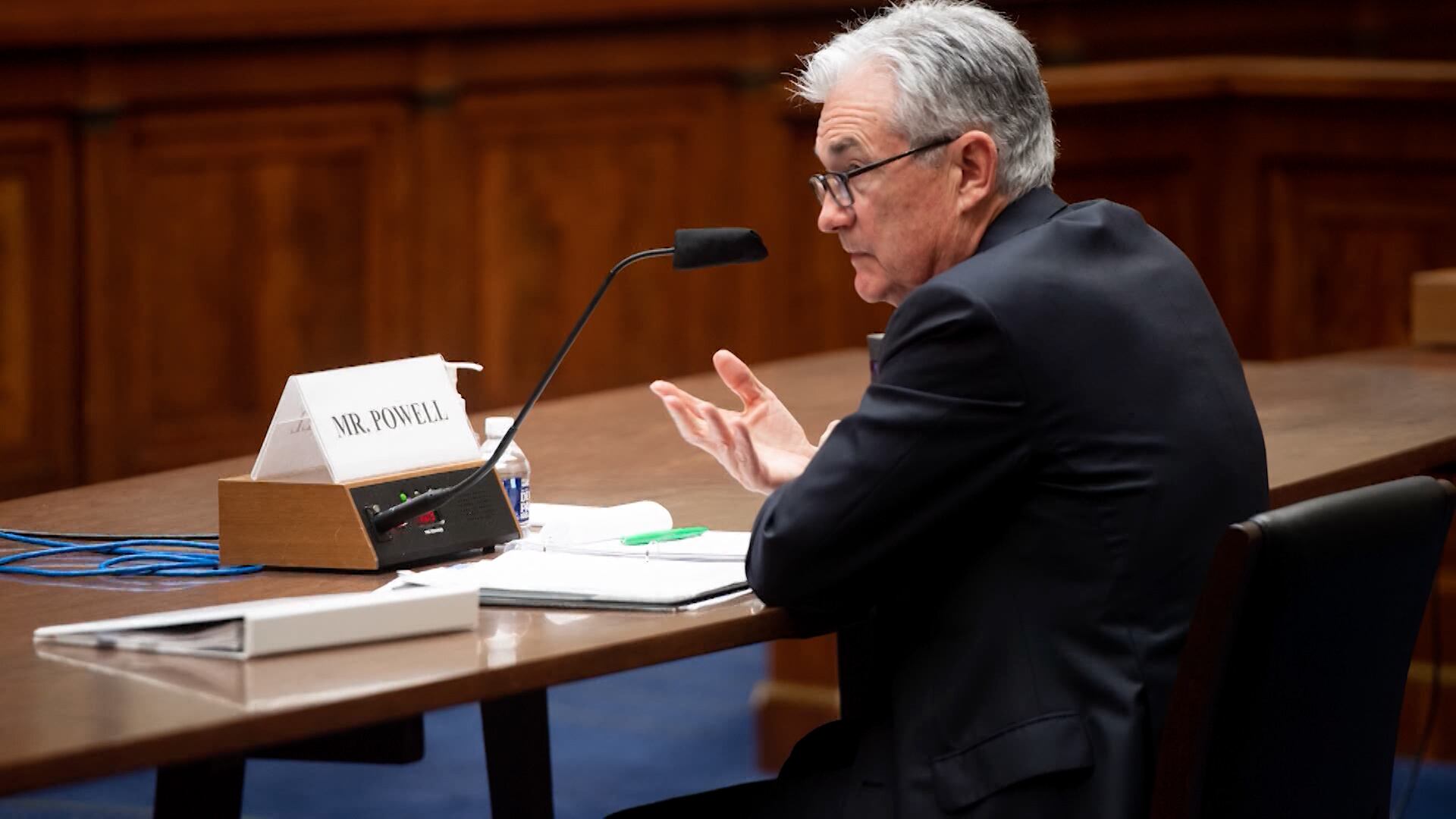
Milton Ezrati, Chief Economist at Vested, joins Cheddar News' Closing Bell, where he breaks down the Federal Reserve's latest policy decision and discusses what he will be listening for most closely when Fed Chair Jerome Powell takes the podium.
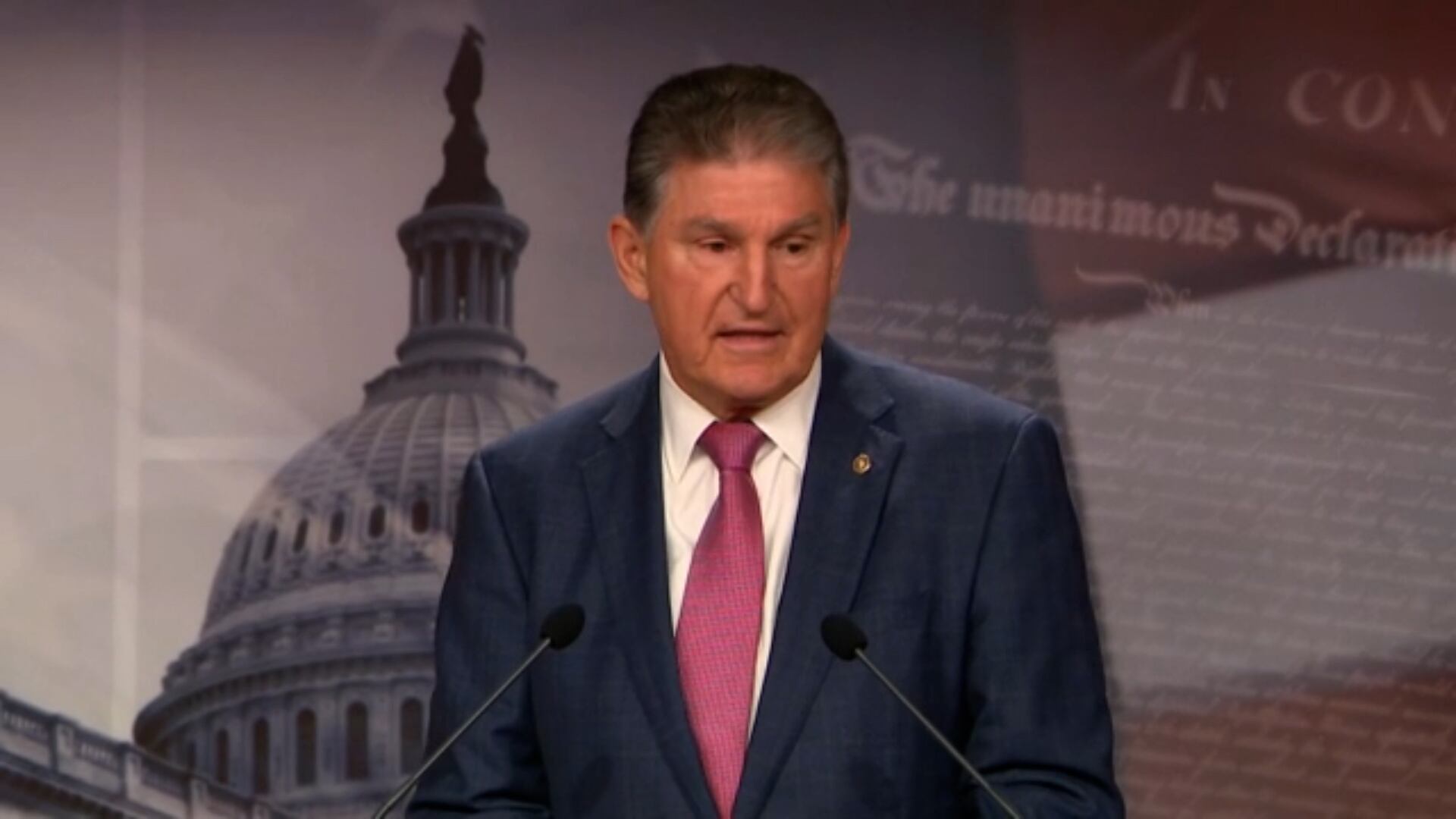
Democrats are hoping to pass the Build Back Better Infrastructure Bill this week, but fellow Democrat Senator Joe Manchin has proven to be a steady fast hold out, stating that he will not support a multi-trillion dollar bill without greater clarity. U.S. News and World Reports Political Reporter Lisa Hagen joined Cheddar to discuss the future of the bill.
Carlo and Baker discuss the election results across the country, including a Republican comeback in Virginia -- and possibly NJ -- plus the CDC gives the go-ahead for child vaccinations, Atlanta wins the World Series and more.
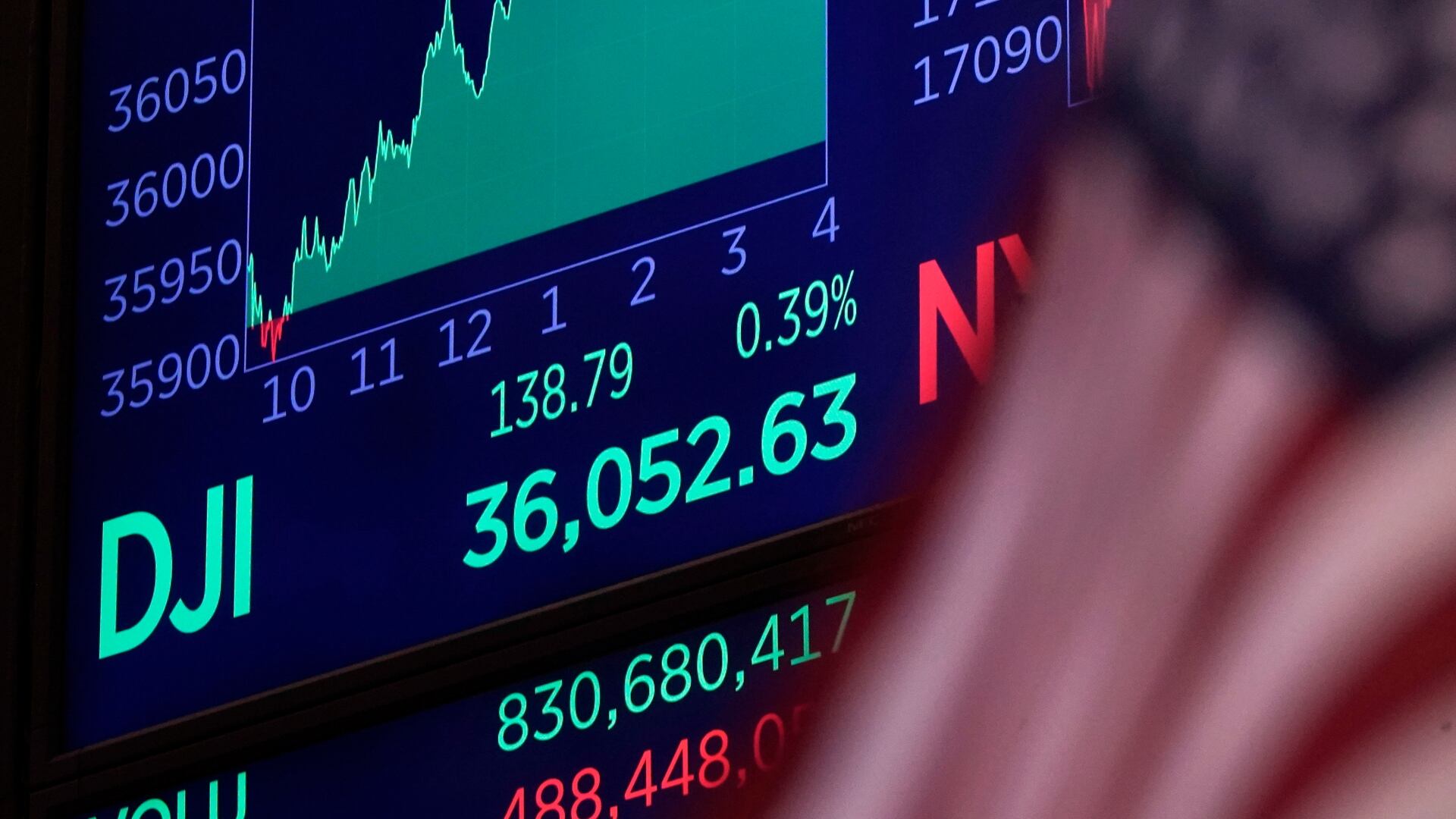
David Wagner, Portfolio Manager at Aptus Capital Advisors, joins Cheddar News' Closing Bell, where he explains why we continue to see record closes from the Dow, S&P, and Nasdaq, and breaks down figures from Lyft's Q3 earnings report.
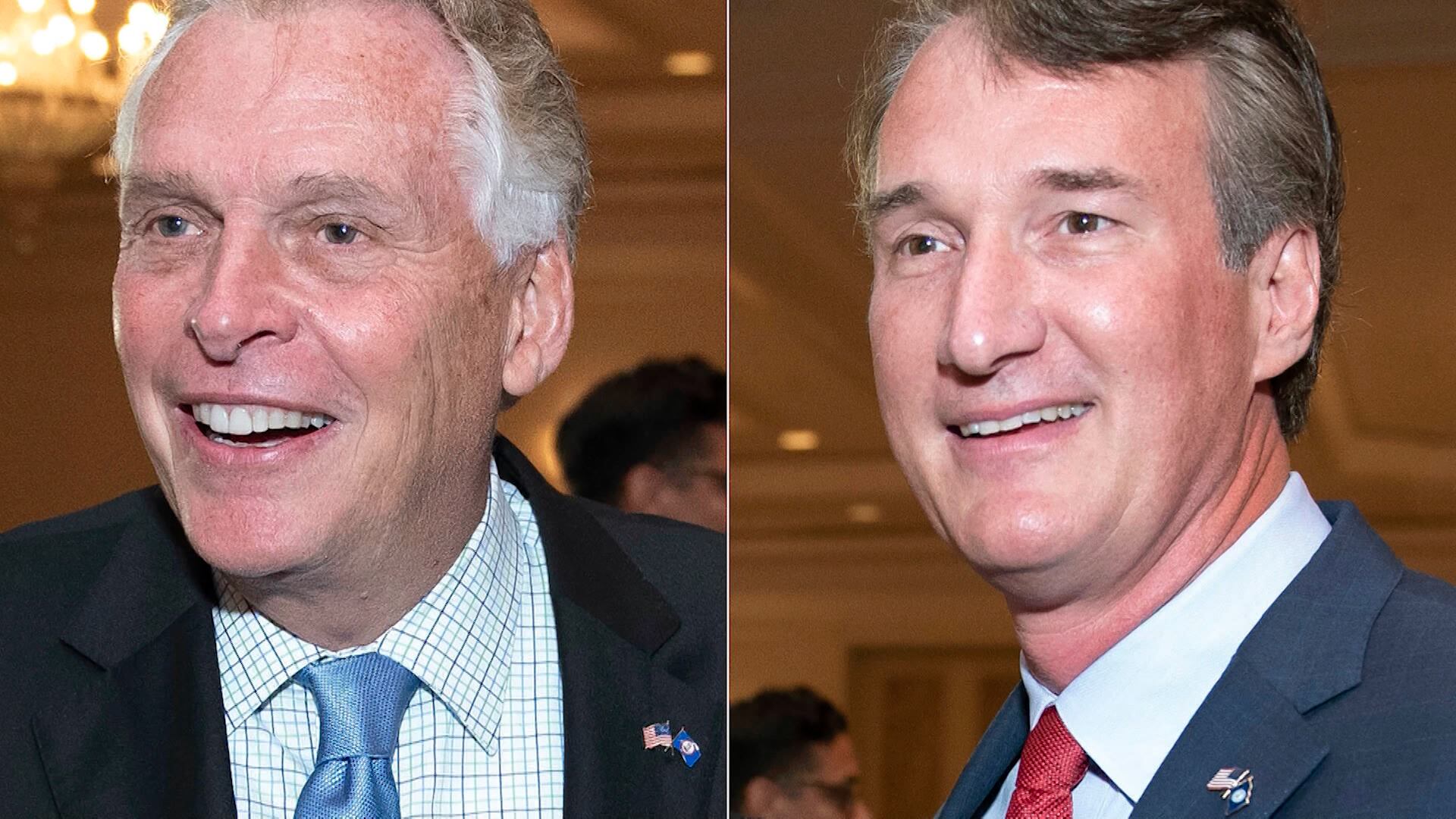
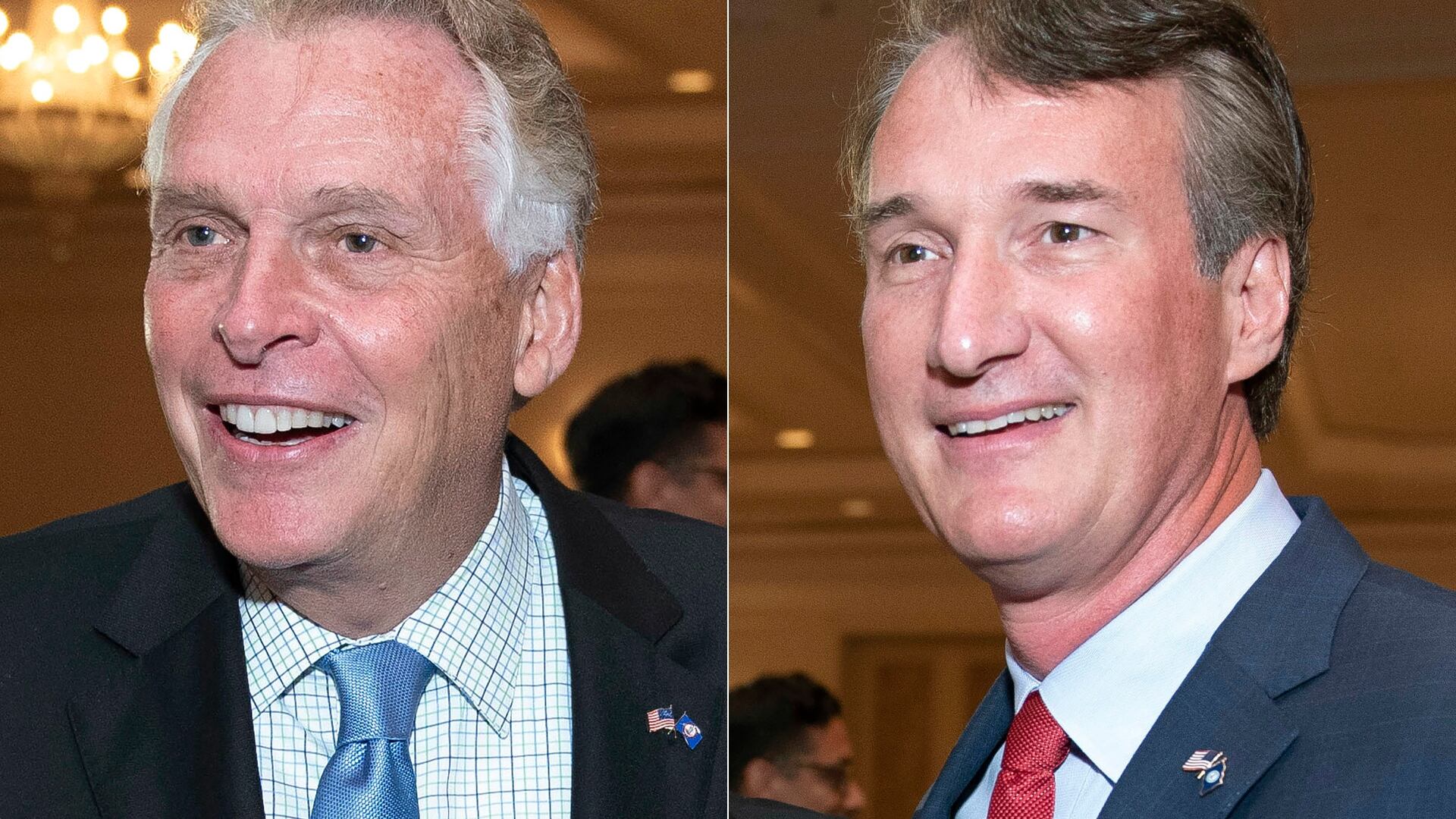
Voters across the country are heading to the polls today for Election Day. The results of some key races could signal what we can expect in upcoming elections. In Virginia, Democrat Terry McAuliffe is facing off against Republican Glenn Youngkin for governor in a tight race. The race has both parties watching because it's a big indicator of how voters are leaning ahead of the 2022 midterm elections. Kyle Kondik, managing editor of Sabato's Crystal Ball at the University of Virginia Center for Politics, joins Cheddar News to talk about what's in store for the state.
Laura Vozzella, local reporter for The Washington Post, joins Cheddar News to discuss the close gubernatorial race in Virginia and what voters are looking for in each candidate.
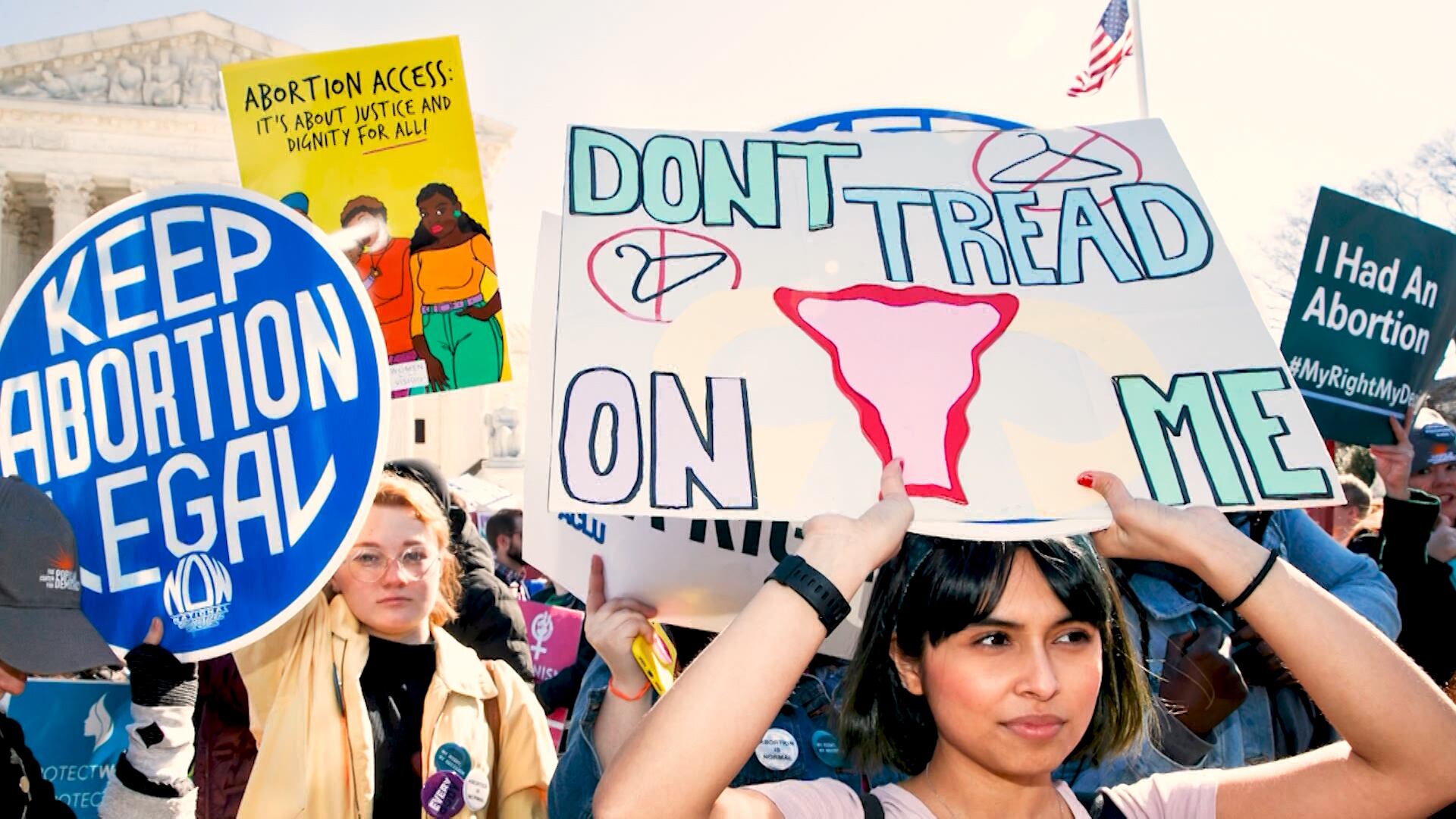
The U.S. Supreme Court takes a closer look at the Texas abortion law that was designed by its sponsors to evade constitutional review in federal court. Katie Barlow, journalist and social media editor at SCOTUSblog joins Cheddar News to breakdown what was discussed.
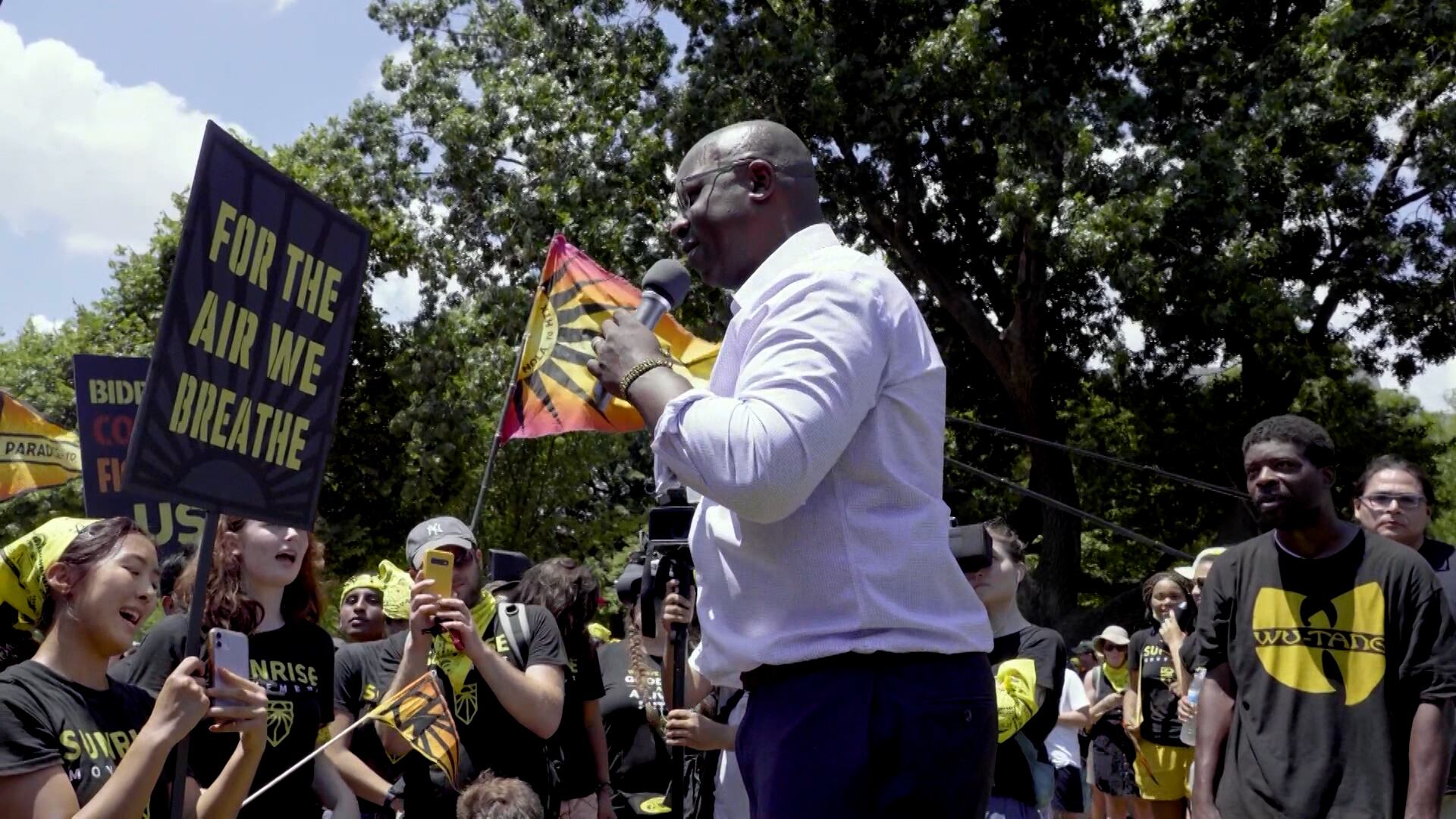
John Paul Mejia, the national spokesperson for the Sunrise Movement, joined Cheddar to talk about what the youth activist group wants to see from President Joe Biden as he attends the COP26 climate summit. Mejia admonished the president for having little to deliver on his own climate agenda domestically while at the conference. "We need the president to follow through with his promises because, frankly, it's a matter of life or death not only for communities here in the United States but also those looking to us around the world," he said.