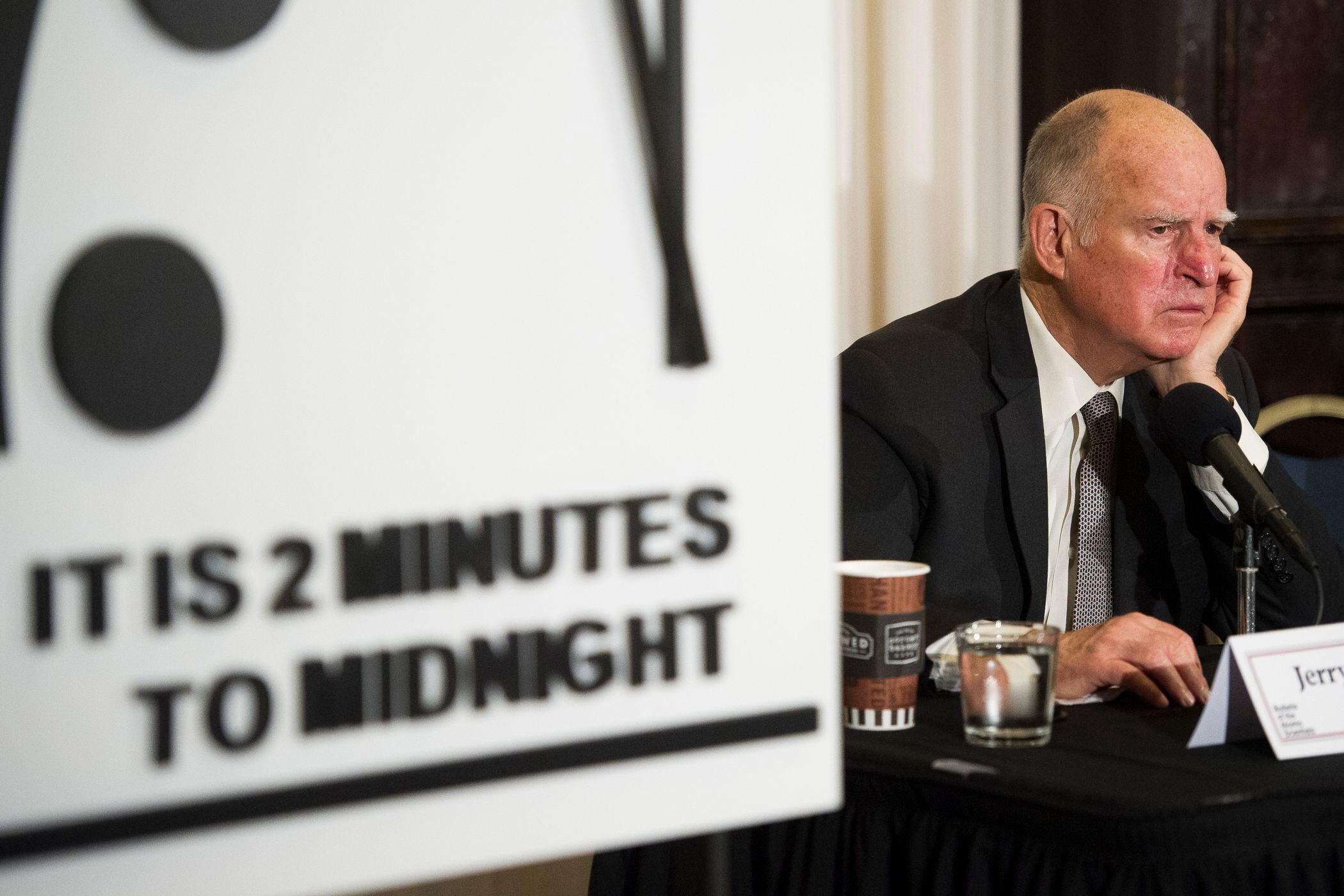
Former California Gov. Jerry Brown listens to a reporters question after unveiling the Doomsday Clock during The Bulletin of the Atomic Scientists news conference in Washington, Thursday, Jan. 24, 2019. (AP Photo/Cliff Owen)
Amid the COVID-19 pandemic set to kill well over two million people around the globe, an international countdown of what leading science and security experts say represents a threat to human existence remains stuck at about a two-minute warning.
Scientists say the mishandling of the grave global health crisis is a "wake-up call" that governments, institutions, and a misled public remain unprepared to handle the even greater threats posed by nuclear war and climate change.
Given this and the lack of progress in 2020 in dealing with nuclear and climate perils, the Doomsday Clock remains as close to midnight as it has ever been – just 100 seconds to midnight.
The Doomsday Clock decision is made by the Bulletin of the Atomic Scientists' Science and Security Board in consultation with the Bulletin's Board of Sponsors, which includes 13 Nobel Laureates. In January 2020, the Doomsday Clock moved to 100 seconds to midnight, closer to midnight than ever in its history.
In December 2020, the Bulletin of the Atomic Scientists marked its 75th anniversary. Founded in 1945 by Albert Einstein and University of Chicago scientists who helped develop the first atomic weapons in the Manhattan Project, the Bulletin of the Atomic Scientists created the Doomsday Clock two years later, using the imagery of apocalypse (midnight) and the contemporary idiom of nuclear explosion (countdown to zero) to convey threats to humanity and the planet.
Over time, the Clock has become a universally recognized indicator of the world's vulnerability to catastrophe from nuclear weapons, climate change, and disruptive technologies in other domains.
"The pandemic serves as a historic wake-up call, a vivid illustration that national governments and the international organizations are unprepared to manage complex and dangerous challenges," says Dr. Rachel Bronson, president, and CEO, Bulletin of the Atomic Scientists.
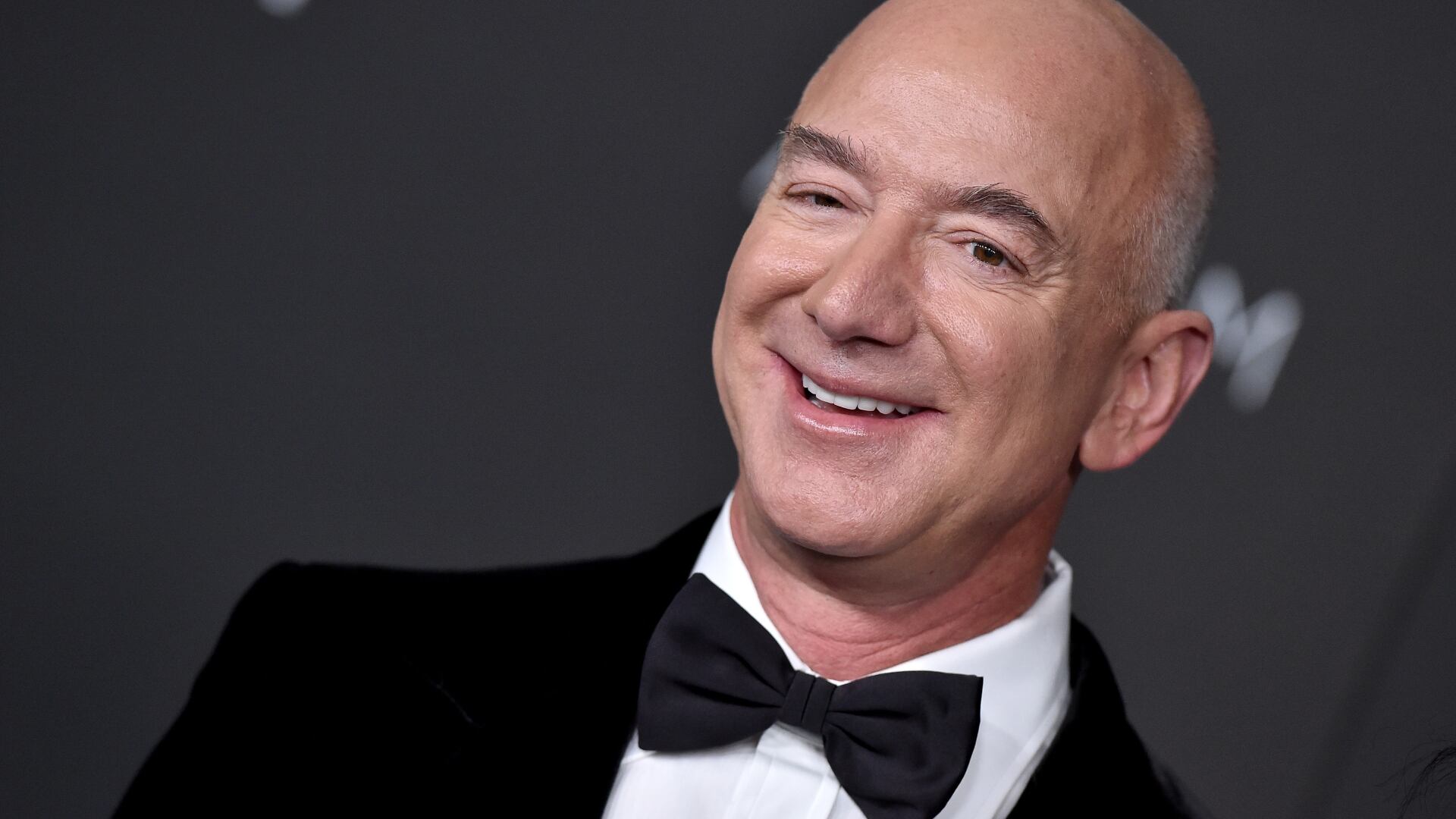
Amazon founder Jeffrey Bezos took to the stage at the U.N.'s COP26 Climate Summit to unveil a new plan to combat climate change, but some say it might do more harm than good. Justine Calma, Science Reporter at The Verge, joined Cheddar to discuss.
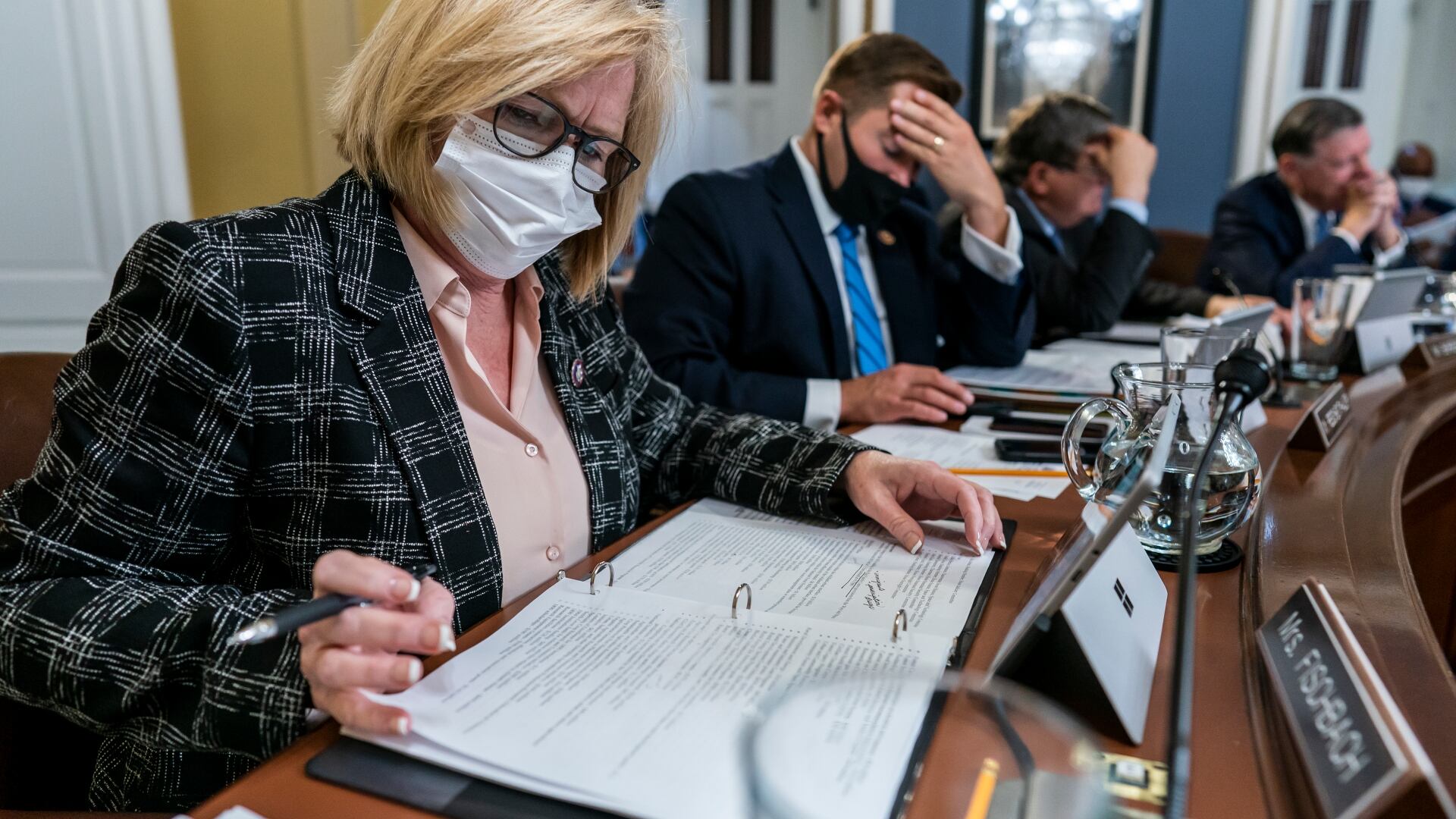
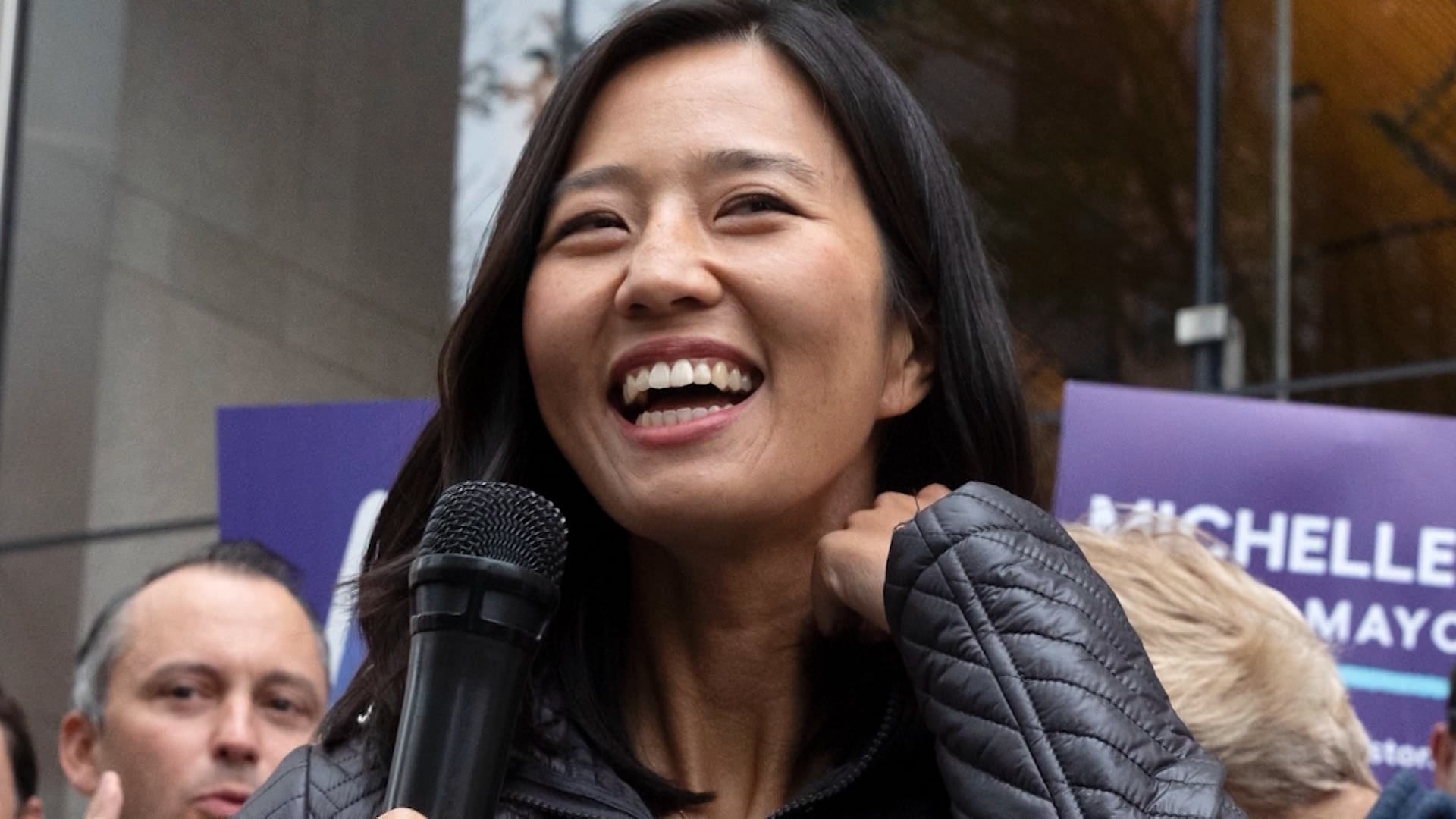
Rep. Ritchie Torres of New York talks about the importance of the historical Build Back Better Act and how these bills could help millions of Americans across the country.
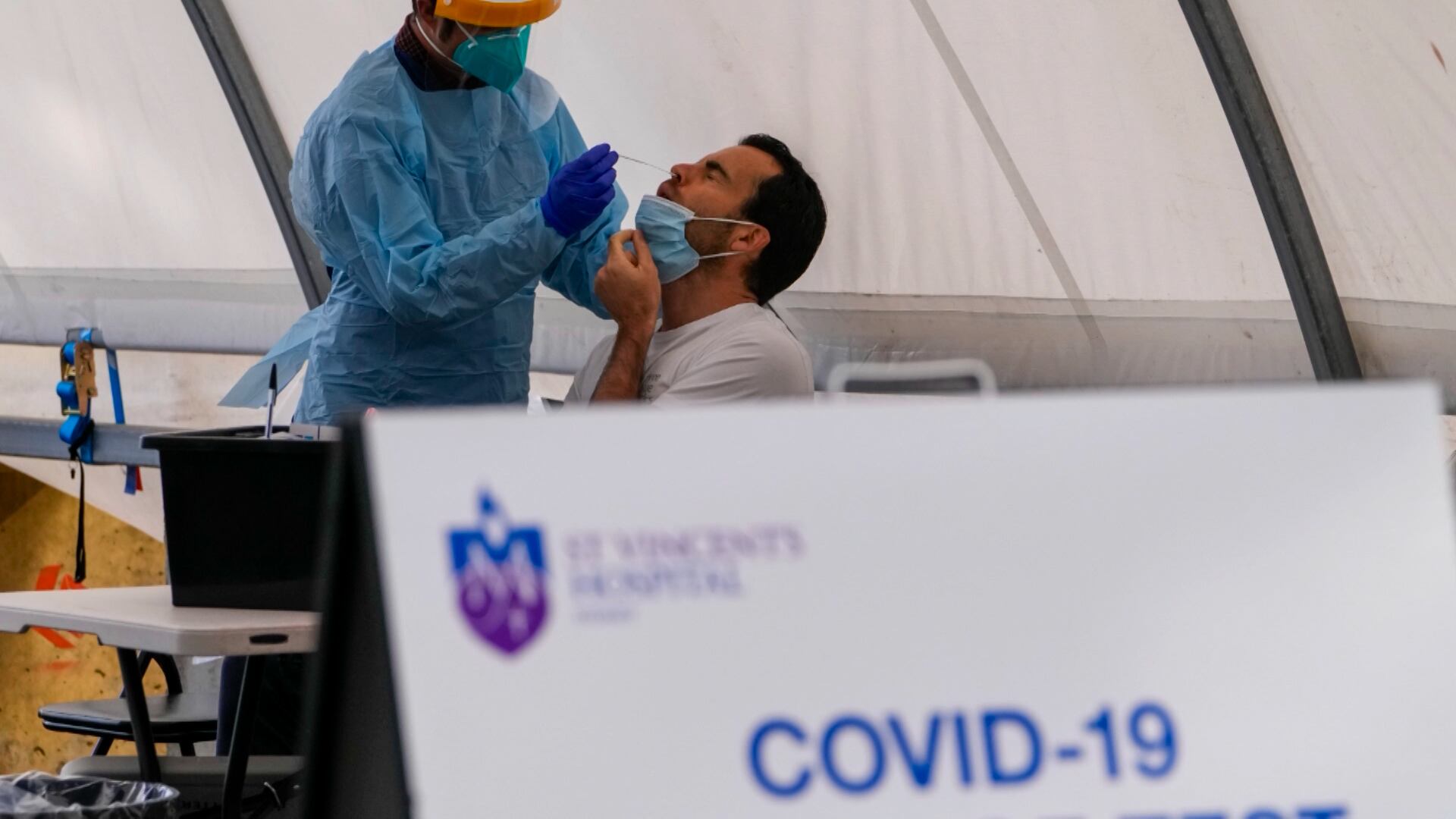
Pfizer has asked the FDA to expand authorization of COVID booster shots for all adults. The agency is expected to grant the request in the coming weeks, allowing vaccinated Americans as young as 18 to get boosted before the holidays. Dr. Bayo Curry-Winchell, Regional Clinical Director at Carbon Health, joined Cheddar to discuss.
The Justice Department has filed a lawsuit to block Penguin Random House from acquiring its rival Simon & Schuster. The DOJ hopes this will block the merger, which it says would ultimately hurt authors and consumers nationwide. Barry C. Lynn, executive director of the Open Markets Institute, joined Cheddar to explain what the lawsuit signals about the Biden administration's approach to cracking down on antitrust, and why Amazon might be next.
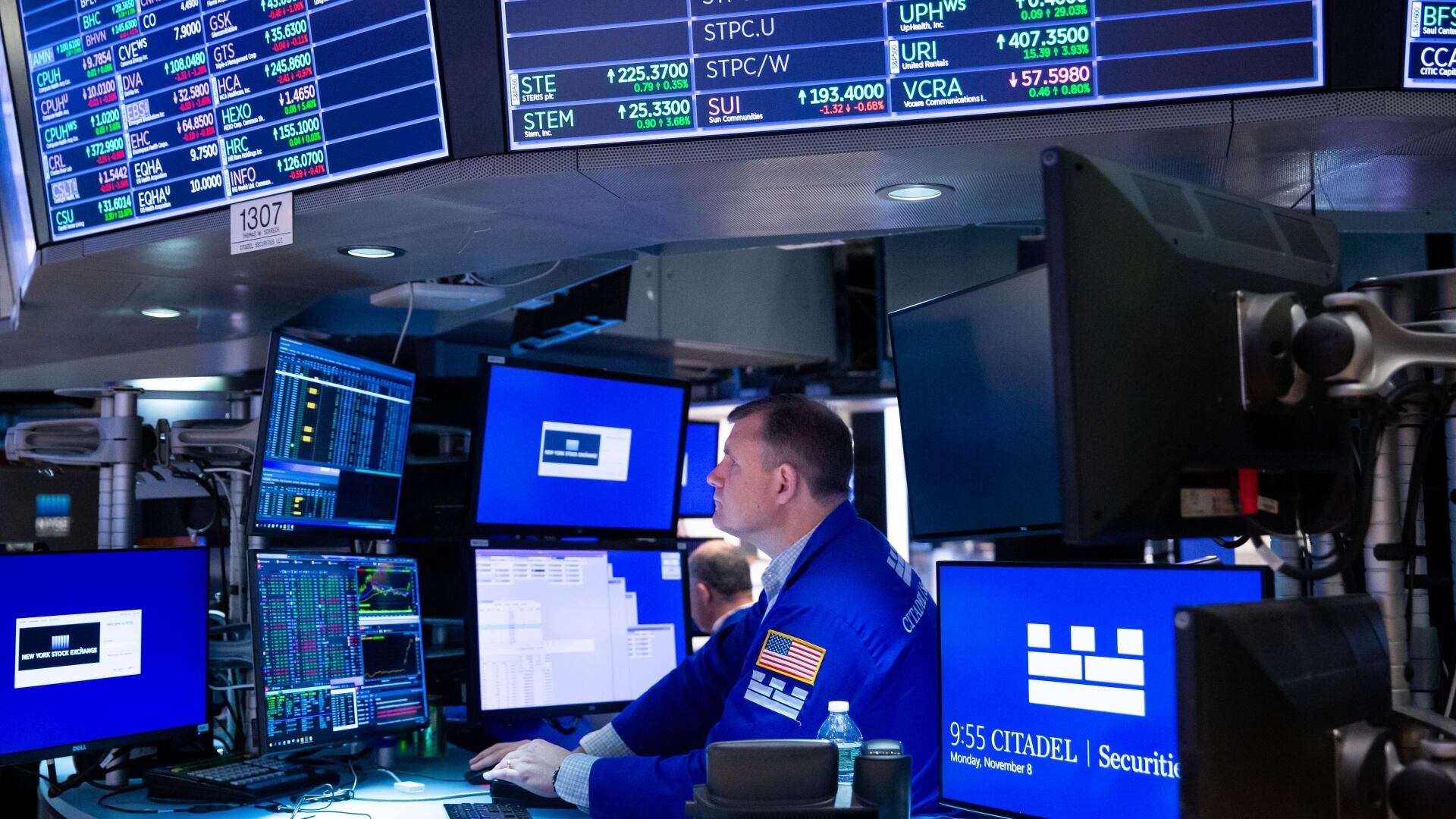
The major markets took a breather Tuesday, with the Dow, S&P, Nasdaq, and Russell 2000 all finishing lower after notching record closes on Monday. Rhys Williams, Chief Strategist at Spouting Rock Asset Management, joins Cheddar News' Closing Bell, where he provides his biggest takeaways from the day's activity.
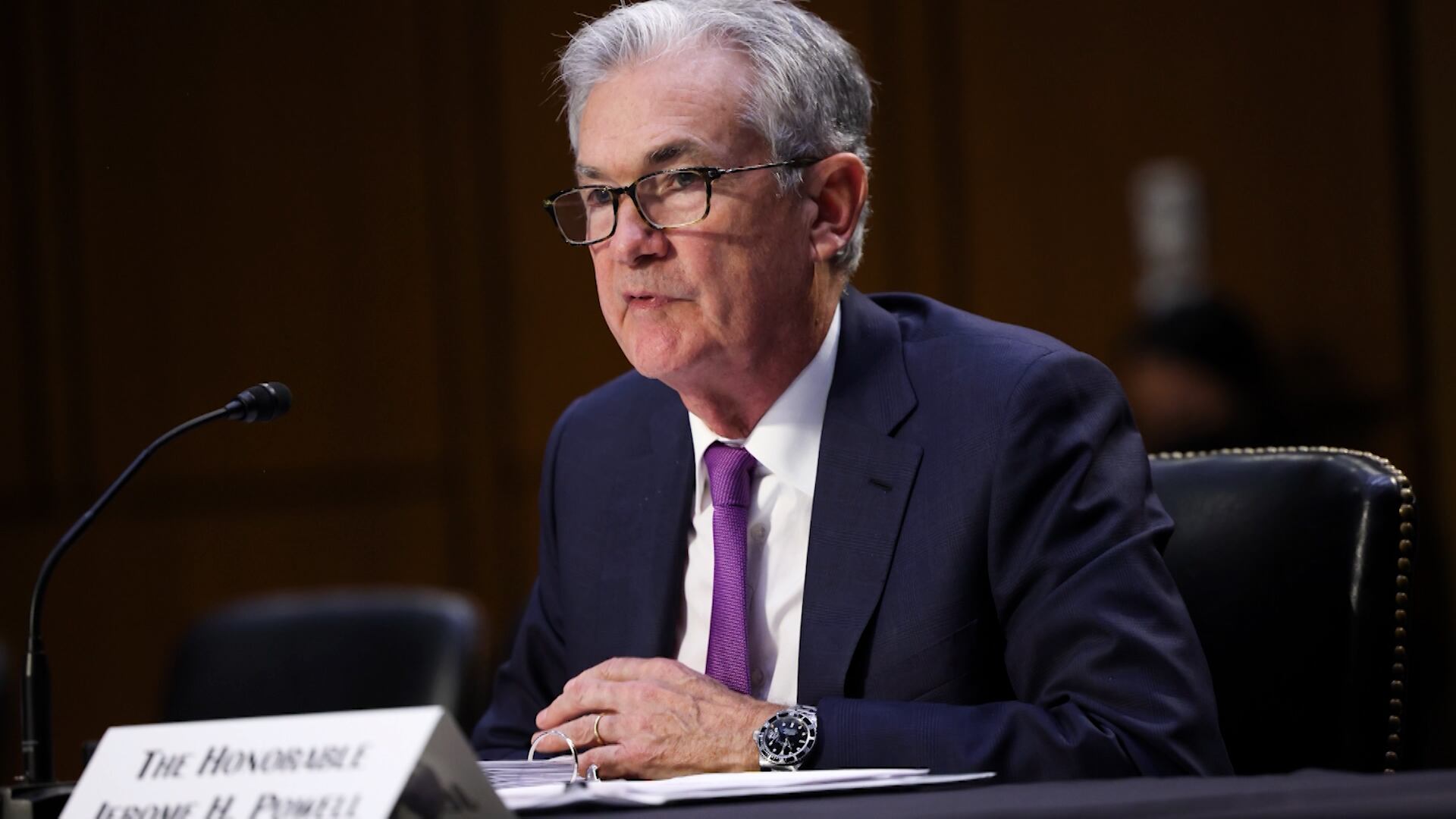
The U.S. economy added 531,000 jobs in the month of October, painting a better picture of the economy that analysts had expected. Jared Bernstein, Council of Economic Advisers Member for President Biden joined Cheddar's Opening Bell to discuss.
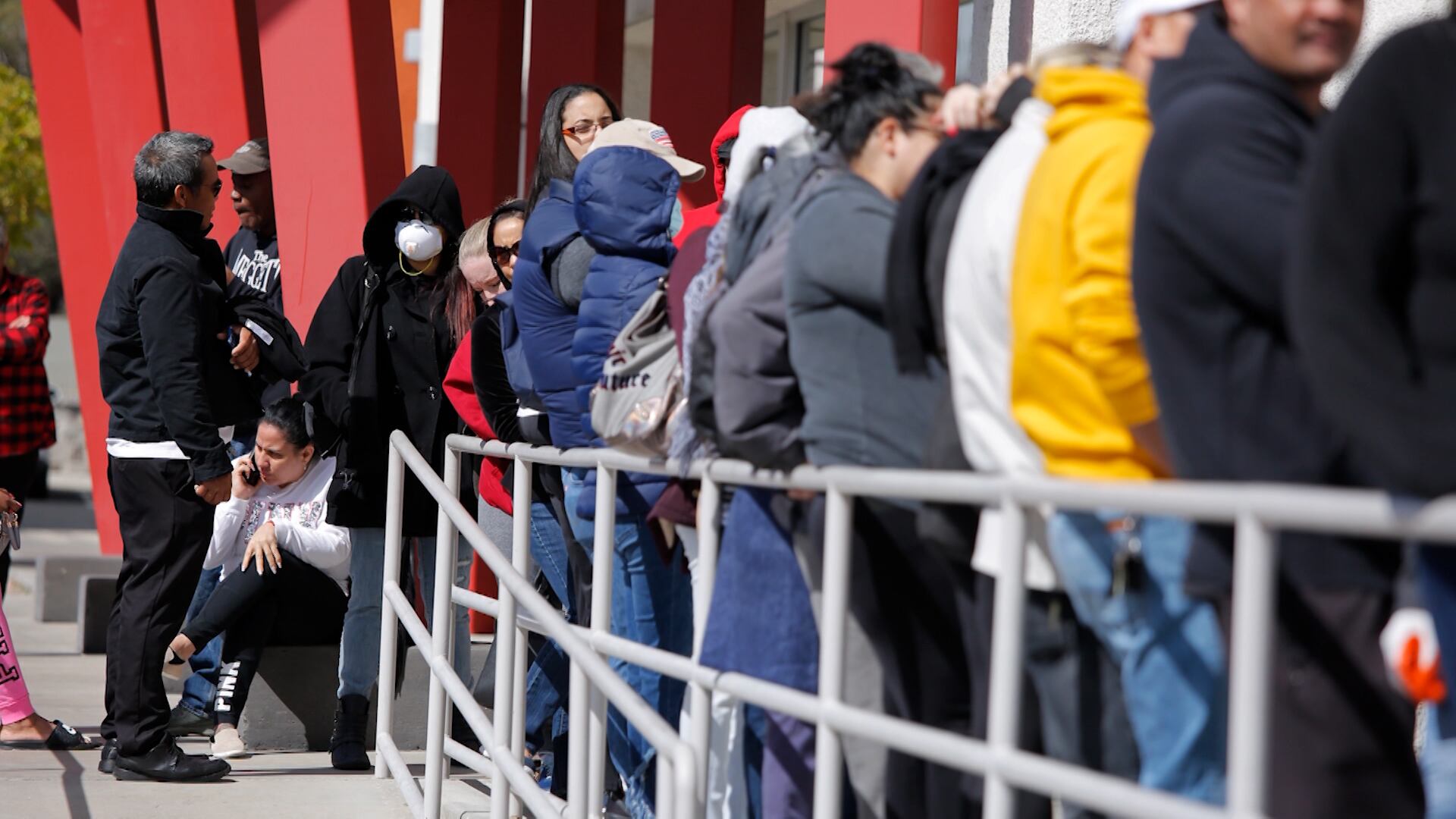
Election Day 2021 is in the books, and it wasn't a pretty picture for Democrats. Governor Phil Murphy narrowly won re-election in New Jersey and Republican Glenn Youngkin upset Democrat Terry McAuliffe in Virginia, with many other disappointing losses for the left. Meridith McGraw, national correspondent for Politico, breaks down the key takeaways from this year as the nation looks ahead to the 2022 midterms.
Markets opened higher to kick off the week as investors continue to digest the better-than-expected jobs report, which showed 531,000 new jobs created in October. Ken Johnson, CFA, Investment Strategy Analyst joined Cheddar's Opening Bell to break down his early market insights.