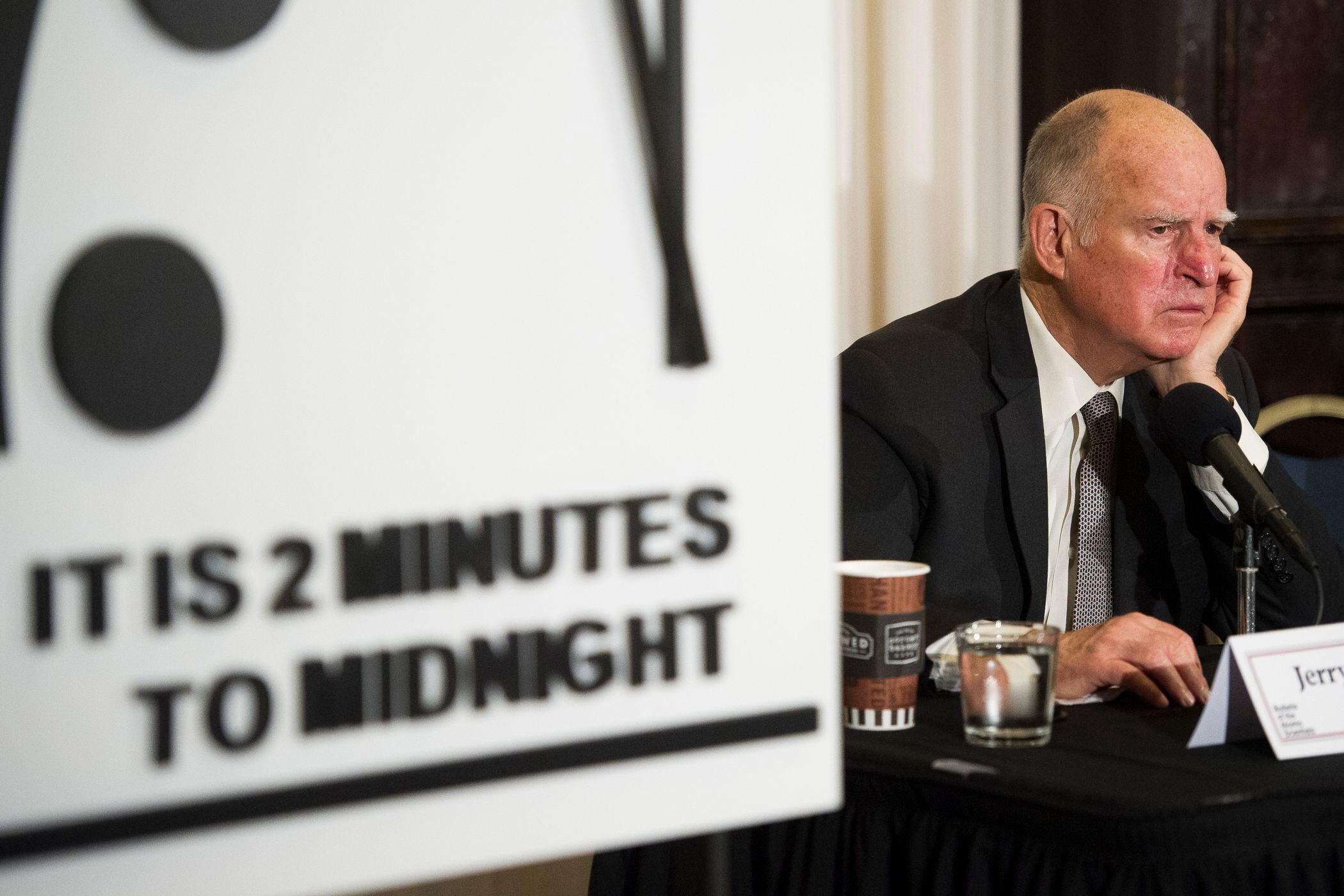
Former California Gov. Jerry Brown listens to a reporters question after unveiling the Doomsday Clock during The Bulletin of the Atomic Scientists news conference in Washington, Thursday, Jan. 24, 2019. (AP Photo/Cliff Owen)
Amid the COVID-19 pandemic set to kill well over two million people around the globe, an international countdown of what leading science and security experts say represents a threat to human existence remains stuck at about a two-minute warning.
Scientists say the mishandling of the grave global health crisis is a "wake-up call" that governments, institutions, and a misled public remain unprepared to handle the even greater threats posed by nuclear war and climate change.
Given this and the lack of progress in 2020 in dealing with nuclear and climate perils, the Doomsday Clock remains as close to midnight as it has ever been – just 100 seconds to midnight.
The Doomsday Clock decision is made by the Bulletin of the Atomic Scientists' Science and Security Board in consultation with the Bulletin's Board of Sponsors, which includes 13 Nobel Laureates. In January 2020, the Doomsday Clock moved to 100 seconds to midnight, closer to midnight than ever in its history.
In December 2020, the Bulletin of the Atomic Scientists marked its 75th anniversary. Founded in 1945 by Albert Einstein and University of Chicago scientists who helped develop the first atomic weapons in the Manhattan Project, the Bulletin of the Atomic Scientists created the Doomsday Clock two years later, using the imagery of apocalypse (midnight) and the contemporary idiom of nuclear explosion (countdown to zero) to convey threats to humanity and the planet.
Over time, the Clock has become a universally recognized indicator of the world's vulnerability to catastrophe from nuclear weapons, climate change, and disruptive technologies in other domains.
"The pandemic serves as a historic wake-up call, a vivid illustration that national governments and the international organizations are unprepared to manage complex and dangerous challenges," says Dr. Rachel Bronson, president, and CEO, Bulletin of the Atomic Scientists.
Meta, the parent company of Facebook, turned heads on Tuesday when it announced it will block some ad-targeting, specifically those of a political and religious nature.
This is one of the most direct moves the company has made in order to minimize ad-targeting by advertisers on its platforms. Hastie Afkhami, Head of Digital at S-3 Group, joins Cheddar News to discuss the impact of this move.
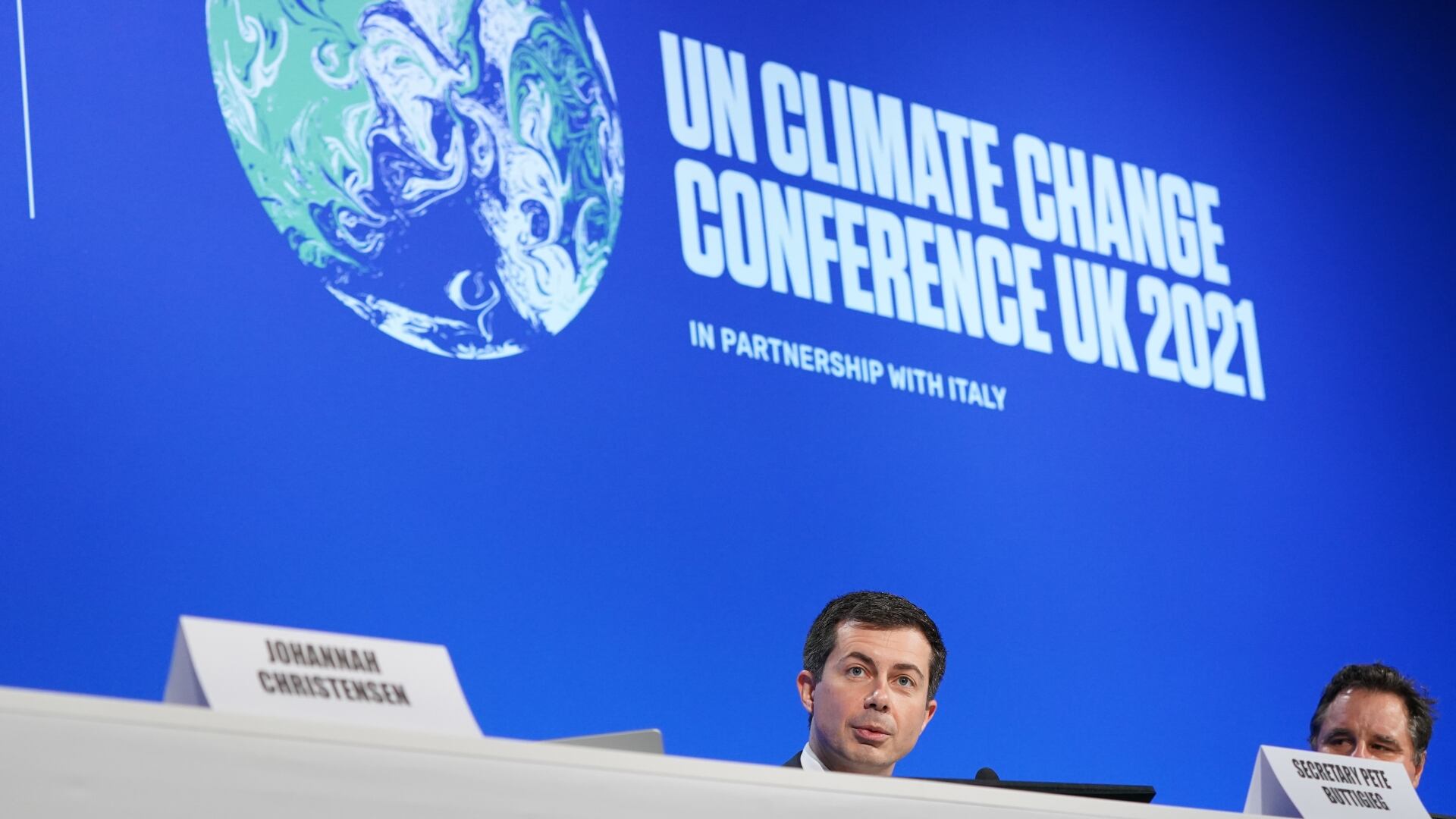
The COP26 summit in Scotland is in its final days, and the U.N. has just released a draft of an agreement for more than 200 world leaders to sign on Friday. The draft urges nations to set more aggressive goals in cutting emissions, while also calling for coal to be phased out. Chloe Demrovsky, President and CEO of Disaster Recovery Institute International, joins Cheddar News to discuss this agreement.
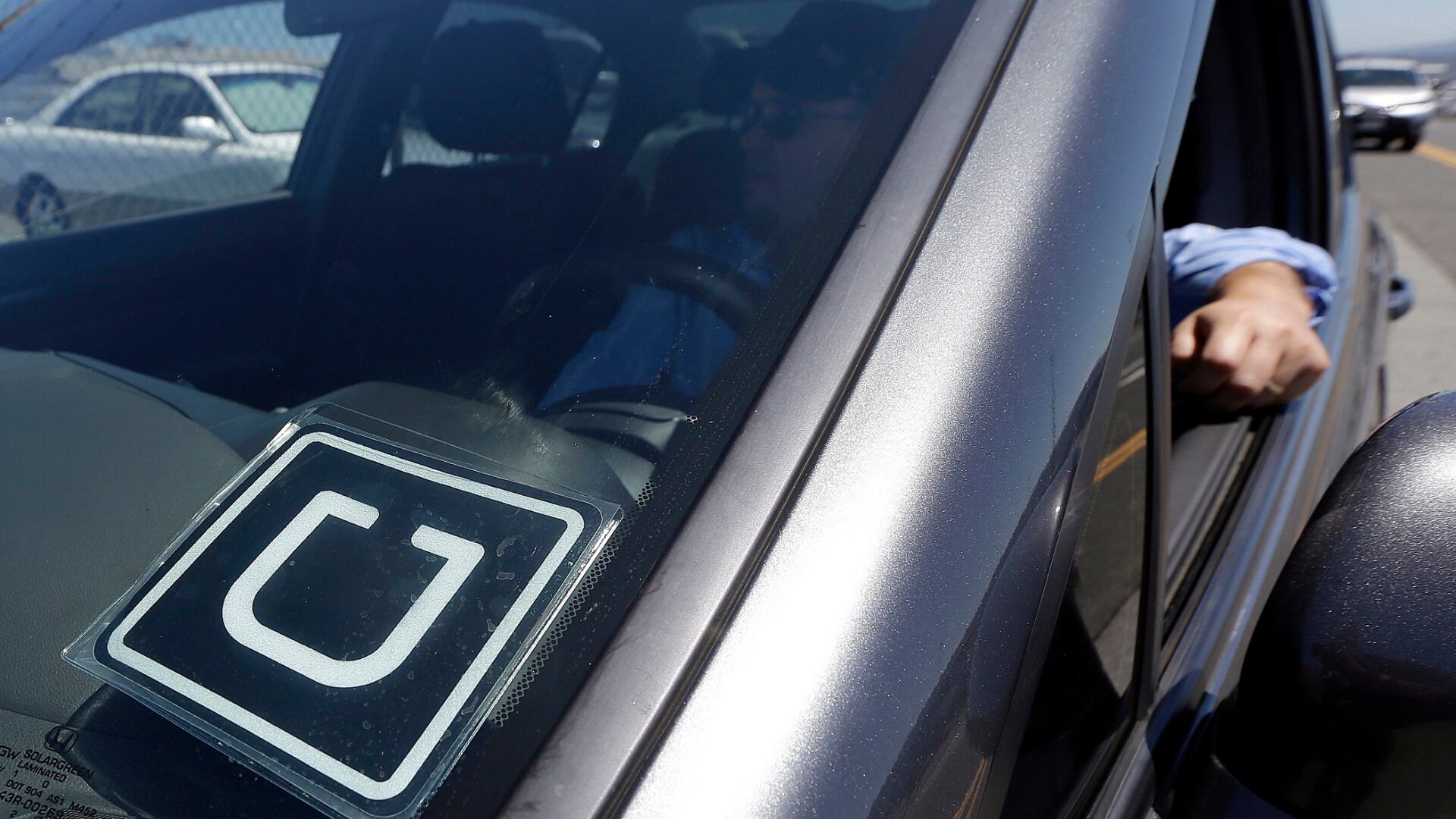
The Department of Justice has filed a lawsuit against Uber, alleging the ride-hailing company discriminates against customers with disabilities. The DOJ is arguing that its two-minute wait period before a cancellation fee is applied violates the Americans With Disabilities Act.
Stocks fell into the red on Wednesday after new data heightened fears over inflation. Vince Lorusso, Co-Founder and portfolio manager at Changebridge Capital, joins Cheddar News' Closing Bell where he says recent history suggests investors to buy the dips.
Iran is continuing to crack down on illicit bitcoin mining in the Islamic Republic after 227 mining rigs were seized. Businesses looking to run legal bitcoin mining operations have had to seek approval since 2019.
Tatenda Musapatike, Founder of the Voter Formation Project and former Political Ad Specialist at Facebook, joined Cheddar to discuss the outsized role social media plays in politics.