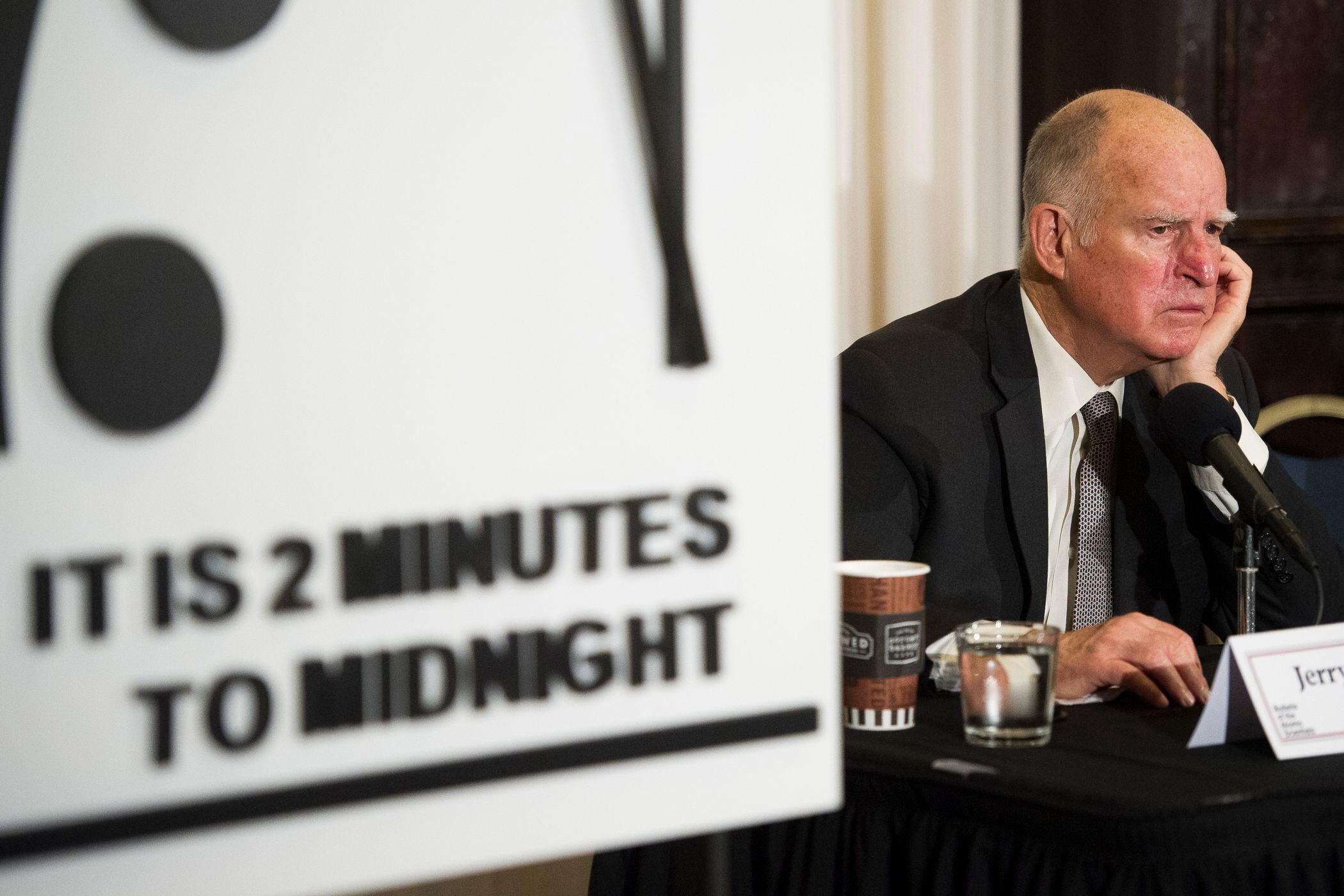
Former California Gov. Jerry Brown listens to a reporters question after unveiling the Doomsday Clock during The Bulletin of the Atomic Scientists news conference in Washington, Thursday, Jan. 24, 2019. (AP Photo/Cliff Owen)
Amid the COVID-19 pandemic set to kill well over two million people around the globe, an international countdown of what leading science and security experts say represents a threat to human existence remains stuck at about a two-minute warning.
Scientists say the mishandling of the grave global health crisis is a "wake-up call" that governments, institutions, and a misled public remain unprepared to handle the even greater threats posed by nuclear war and climate change.
Given this and the lack of progress in 2020 in dealing with nuclear and climate perils, the Doomsday Clock remains as close to midnight as it has ever been – just 100 seconds to midnight.
The Doomsday Clock decision is made by the Bulletin of the Atomic Scientists' Science and Security Board in consultation with the Bulletin's Board of Sponsors, which includes 13 Nobel Laureates. In January 2020, the Doomsday Clock moved to 100 seconds to midnight, closer to midnight than ever in its history.
In December 2020, the Bulletin of the Atomic Scientists marked its 75th anniversary. Founded in 1945 by Albert Einstein and University of Chicago scientists who helped develop the first atomic weapons in the Manhattan Project, the Bulletin of the Atomic Scientists created the Doomsday Clock two years later, using the imagery of apocalypse (midnight) and the contemporary idiom of nuclear explosion (countdown to zero) to convey threats to humanity and the planet.
Over time, the Clock has become a universally recognized indicator of the world's vulnerability to catastrophe from nuclear weapons, climate change, and disruptive technologies in other domains.
"The pandemic serves as a historic wake-up call, a vivid illustration that national governments and the international organizations are unprepared to manage complex and dangerous challenges," says Dr. Rachel Bronson, president, and CEO, Bulletin of the Atomic Scientists.
Heading into 2022, the eyes of political nerds like us are fixed on statehouses across the country. State legislatures are in the process of taking the data from the 2020 census and using it to draw new congressional districts. The process has major implications for midterms, as Republicans could retake the majority just by gerrymandering enough seats into their column. In Maryland, state level Democrats are considering several maps, one of which would completely draw out the only Republican from the state in Congress.
Bruce DePuyt, senior reporter at Maryland Matters, and Helen Brewer, legal analyst at Princeton's Electoral Innovation Lab, join Cheddar Politics to discuss.
Today is Veterans Day, a day each year that gives us a chance to honor our service members and reflect on the issues they face in our armed forces. One issue that's gotten a lot of scrutiny recently is the handling of sexual assault cases in the military. The military has long been criticized for how it handles cases of sexual assault, with particular attention paid to how cases are investigated and prosecuted usually within the chain of command. The defense department has said sexual assault cases will be removed, but it's not the same as Congress changing the law itself.
Lory Manning, retired U.S. Navy captain and the director of government operations at the Service Women's Action Network, joins Cheddar News to discuss.
Greenwood, a digital banking platform aimed at supporting Black and Latino businesses and clients, is launching its very own GreenBook. Named after the historic publication for Black travelers during the era of Jim Crow, the online guide will provide a directory of Black- and Latino-owned businesses across the country. Ryan Glover, the founder and chairman of Greenwood, joined Cheddar to provide additional details about the listings.
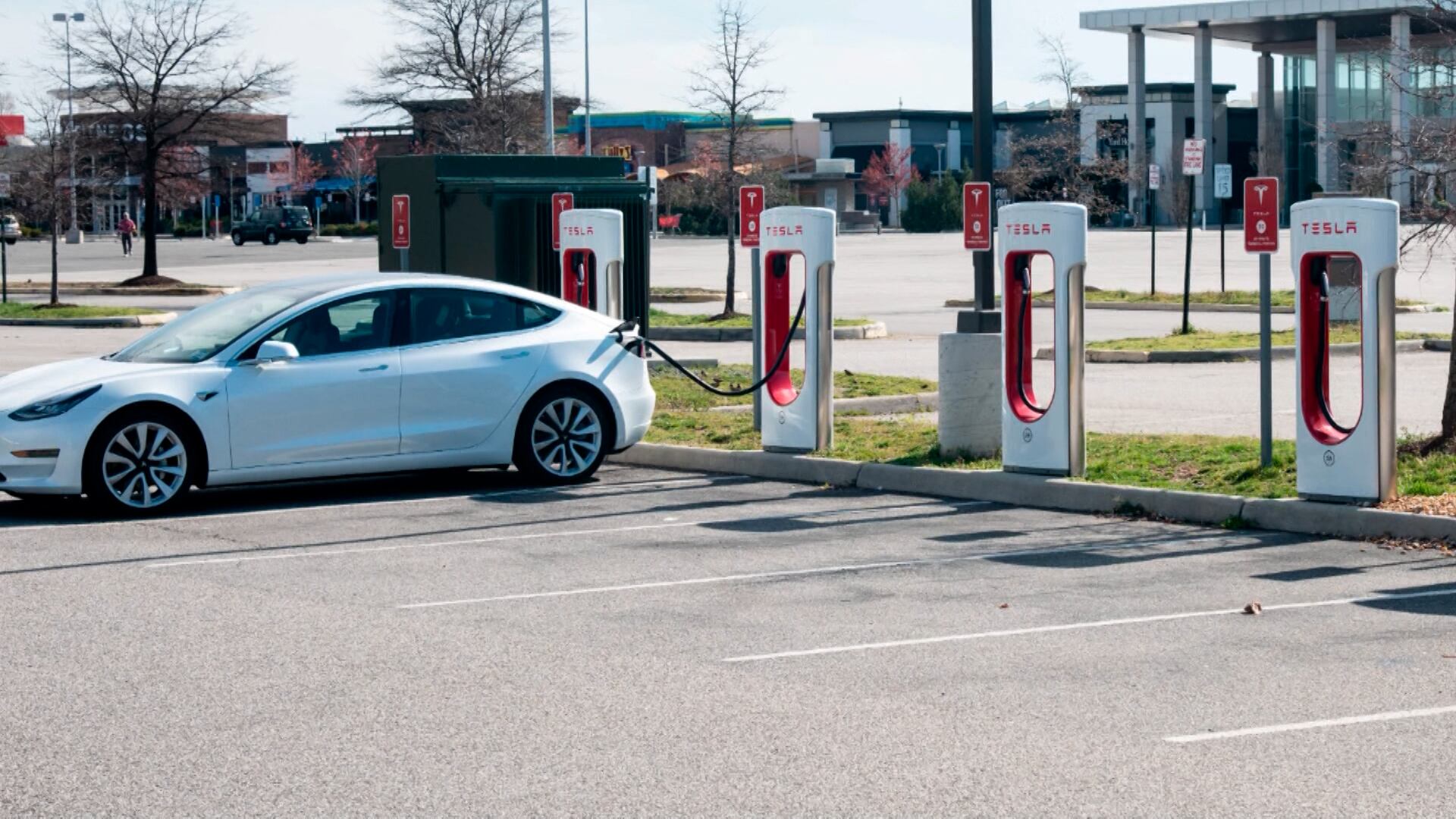
President Biden's infrastructure plan will be pumping billions of dollars into the EV sector. David Shepardson, Correspondent at Thomson Reuters, joined Cheddar News' Closing Bell to break down all of the details.
Al Root, Senior Writer at Barron's, joined Wake Up With Cheddar's Jill Wagner to break down who qualifies for the proposed EV tax credits and why some automakers aren't too pleased about extra incentives for vehicles made at union plants.
Jill Wagner is joined by Baker to talk about kids and vaccines: we finally know how many young kids are getting vaccinated. Plus, Democrats are working on a Plan B for paid family leave. And the salad chain Sweetgreen goes public.
A breakthrough deal between the U.S. and China when it comes to climate has finally been reached. The two countries have pledged to work together to curb carbon emissions. Amy Harder, executive editor at Cipher, joined Cheddar News to discuss more.
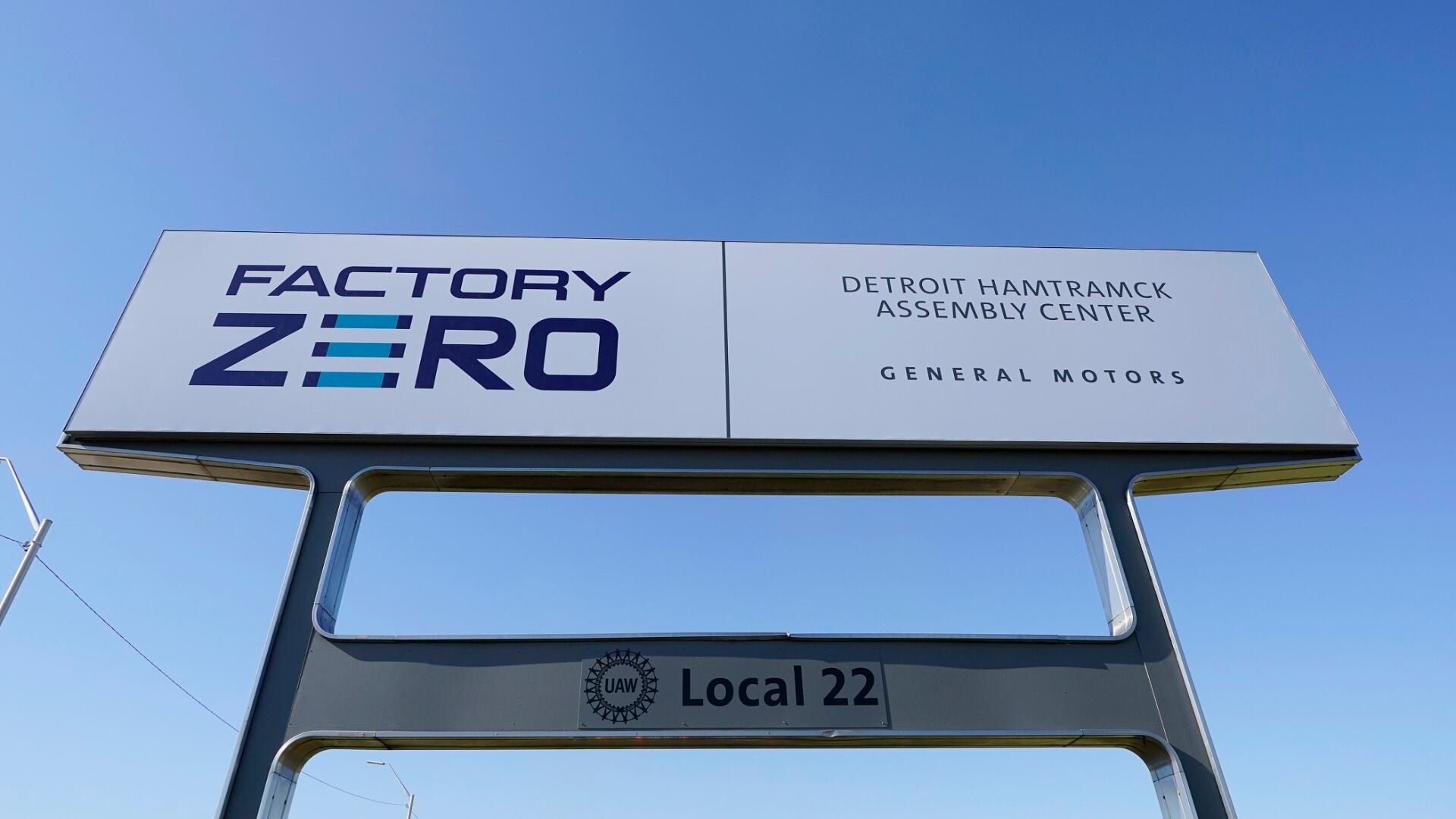
President Joe Biden is expected to visit GM's 'Factory Zero' plant in Detroit, where mass production of its electric vehicle fleet will get underway. Biden is likely to tout his recently passed $1.2 trillion infrastructure plan, which allocates $7.5 billion toward EV infrastructure.