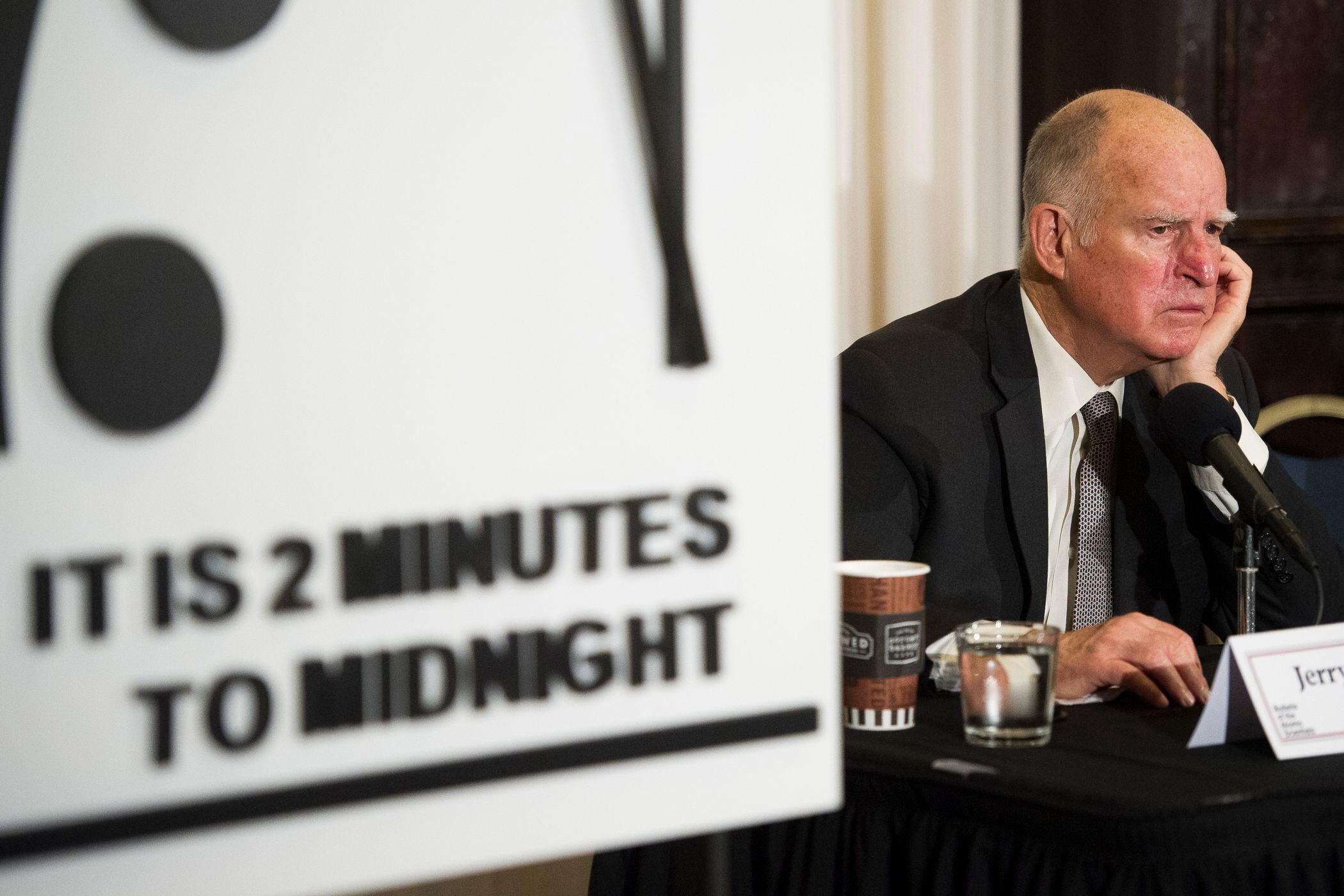
Former California Gov. Jerry Brown listens to a reporters question after unveiling the Doomsday Clock during The Bulletin of the Atomic Scientists news conference in Washington, Thursday, Jan. 24, 2019. (AP Photo/Cliff Owen)
Amid the COVID-19 pandemic set to kill well over two million people around the globe, an international countdown of what leading science and security experts say represents a threat to human existence remains stuck at about a two-minute warning.
Scientists say the mishandling of the grave global health crisis is a "wake-up call" that governments, institutions, and a misled public remain unprepared to handle the even greater threats posed by nuclear war and climate change.
Given this and the lack of progress in 2020 in dealing with nuclear and climate perils, the Doomsday Clock remains as close to midnight as it has ever been – just 100 seconds to midnight.
The Doomsday Clock decision is made by the Bulletin of the Atomic Scientists' Science and Security Board in consultation with the Bulletin's Board of Sponsors, which includes 13 Nobel Laureates. In January 2020, the Doomsday Clock moved to 100 seconds to midnight, closer to midnight than ever in its history.
In December 2020, the Bulletin of the Atomic Scientists marked its 75th anniversary. Founded in 1945 by Albert Einstein and University of Chicago scientists who helped develop the first atomic weapons in the Manhattan Project, the Bulletin of the Atomic Scientists created the Doomsday Clock two years later, using the imagery of apocalypse (midnight) and the contemporary idiom of nuclear explosion (countdown to zero) to convey threats to humanity and the planet.
Over time, the Clock has become a universally recognized indicator of the world's vulnerability to catastrophe from nuclear weapons, climate change, and disruptive technologies in other domains.
"The pandemic serves as a historic wake-up call, a vivid illustration that national governments and the international organizations are unprepared to manage complex and dangerous challenges," says Dr. Rachel Bronson, president, and CEO, Bulletin of the Atomic Scientists.
Jill and Carlo discuss what appears to be the beginning of the end of Roe v. Wade, another victim dies following the school shooting in Michigan, Omicron in the U.S., Trump's Covid chronology and more.
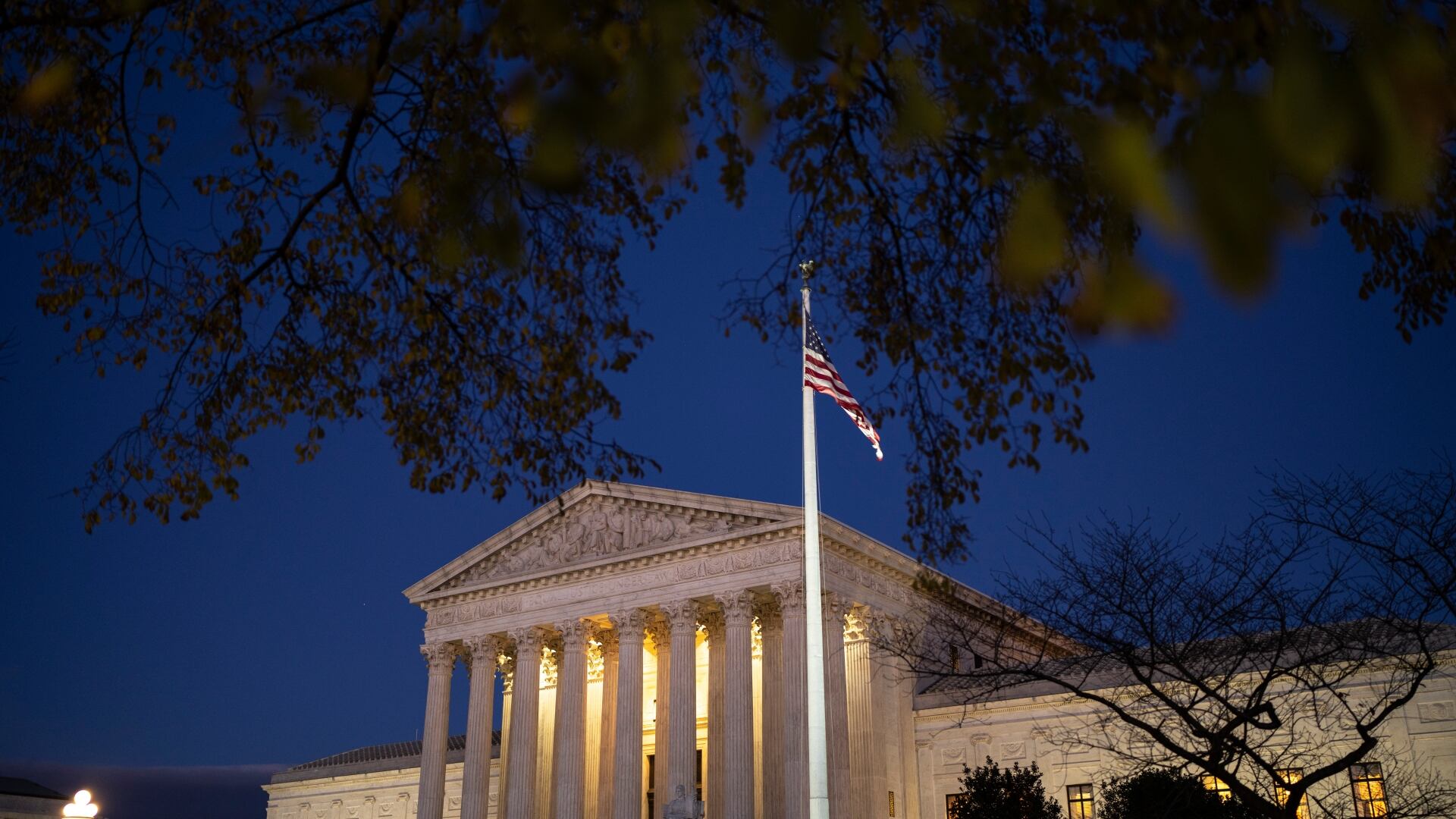
The Supreme Court appeared prepared Wednesday to uphold a Mississippi law that would ban almost all abortions after 15 weeks of pregnancy. The ruling is far from over, with Roe V. Wade at risk. Susan Rinkunas, senior reporter at Jezebel, joins Cheddar News to share the developments of the hearing.
The nine justices heard arguments Wednesday, around a Mississippi abortion law that bans the procedure after 15 weeks and appeared to lean toward upholding the law, while leaving uncertainty about the landmark precedent, Roe v. Wade. Kristin Ford, vice president of communications and research at NARAL Pro-Choice America joins Cheddar News to discuss.
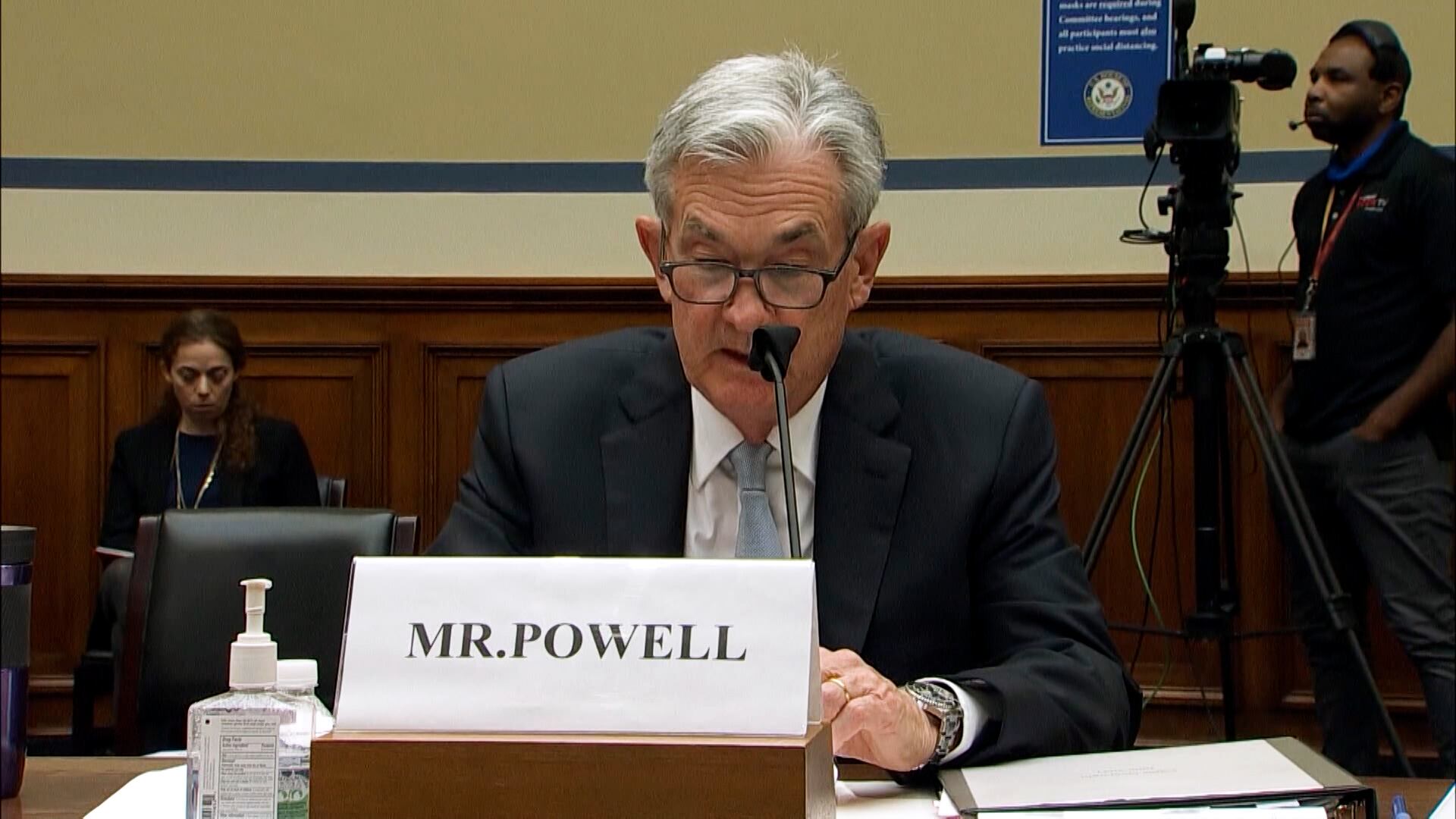
Just about a week after being re-nominated, Federal Reserve Chair Jermone Powell is changing his tune. After nearly a year of referring to inflation as 'transitory,' Powell said he will retire the 'T' word as inflation remains elevated. Christopher Russo, Post-Graduate Research Fellow, Mercatus Center joined Cheddar's Opening Bell to discuss.
Airbnb has come under fire after an Axios report found that the rental company has properties available in China's Xinjiang region where the nation has been accused of committing genocide against Uyghur Muslims, demolishing their homes, and replacing them with tourist attractions.
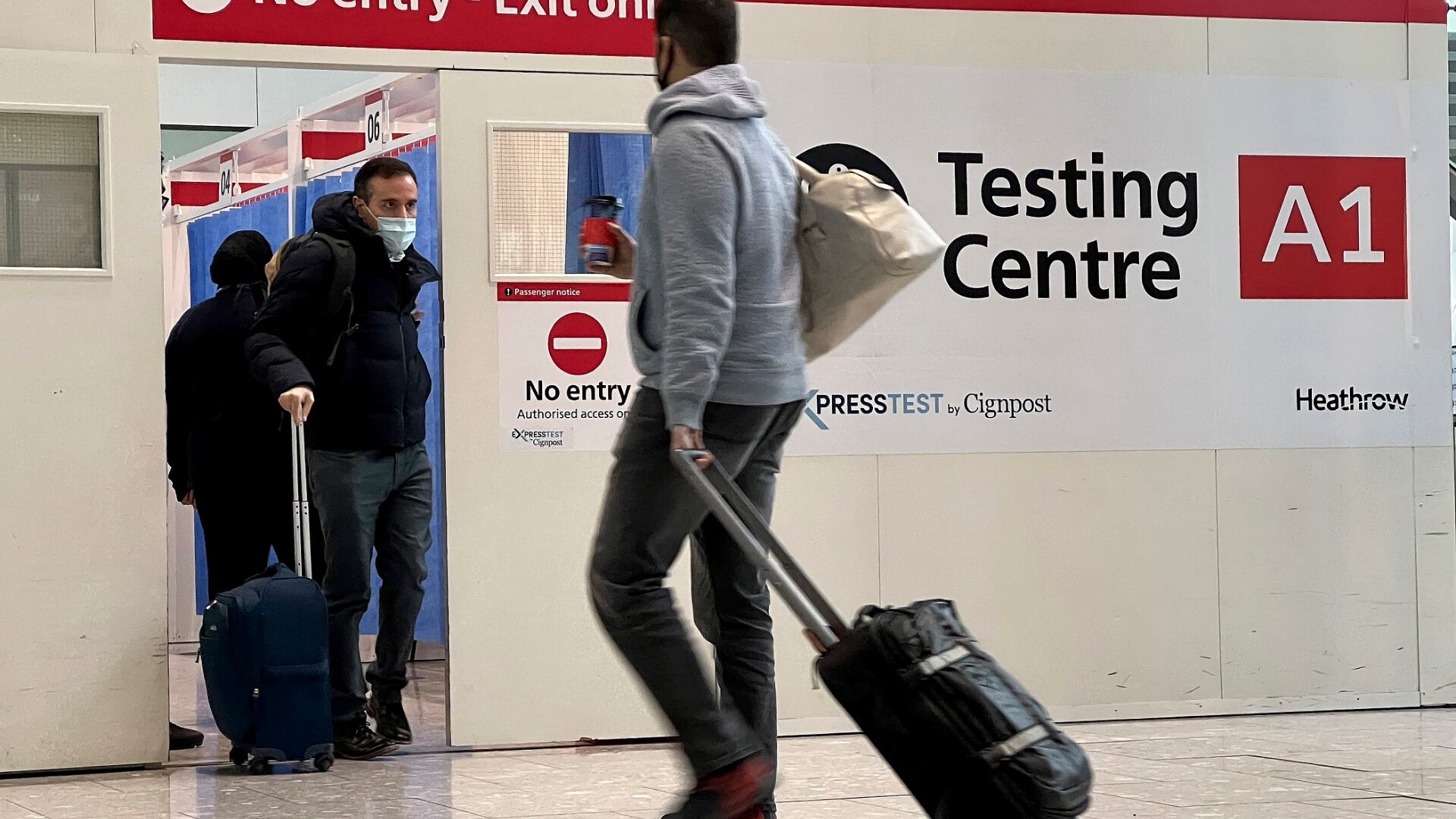
With the emergence of the omicron variant, the U.S. is considering tightening international travel guidelines. The CDC said it might reduce the window for foreign travelers to submit a negative COVID-19 test from three days prior to one day before allowing entry.
Jill and Carlo cover the latest on Omicron, another school shooting in America and more. Plus, bidding farewell to 'transitory' inflation, and the controversy surrounding 'Lovely Bones' author Alice Sebold.