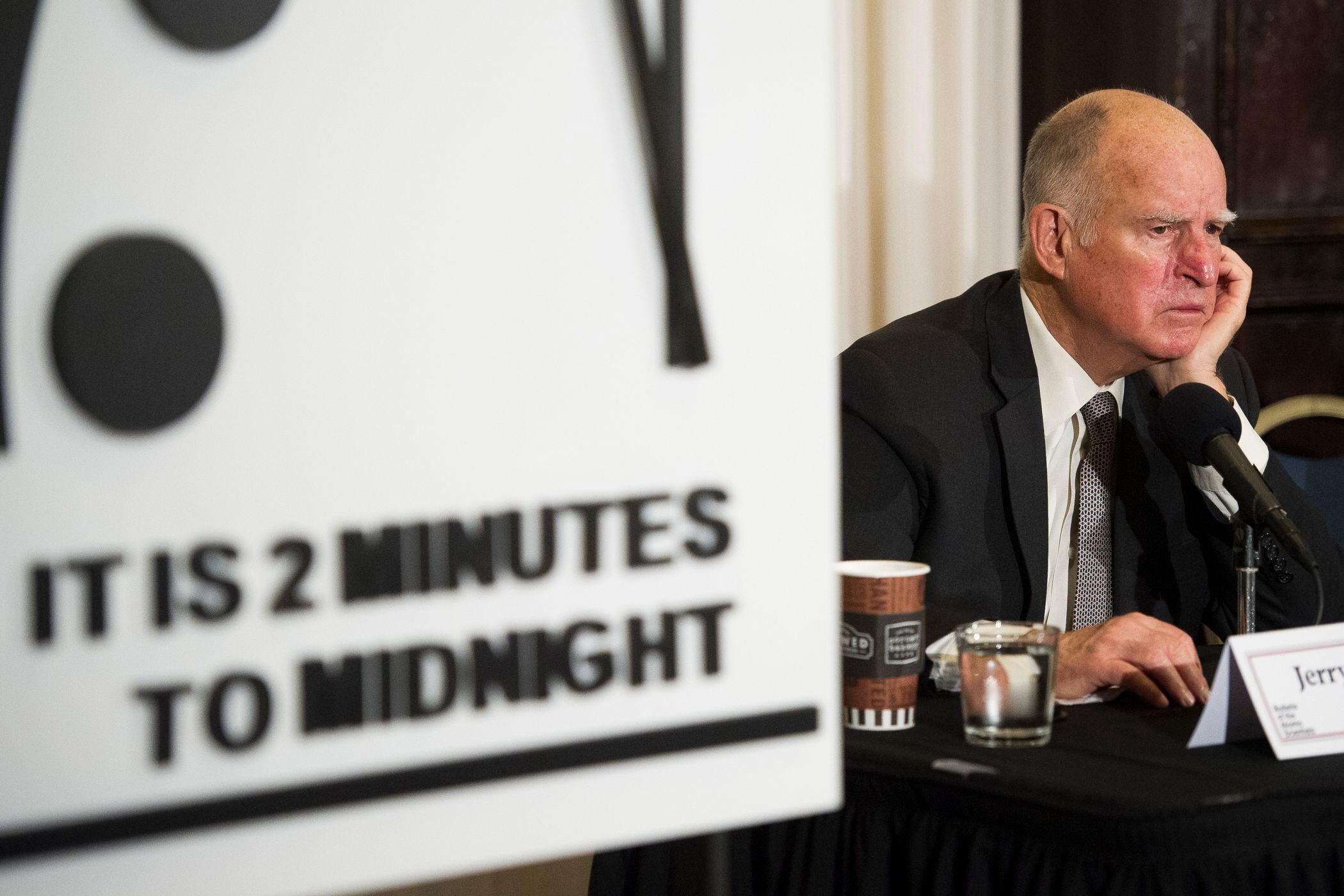
Former California Gov. Jerry Brown listens to a reporters question after unveiling the Doomsday Clock during The Bulletin of the Atomic Scientists news conference in Washington, Thursday, Jan. 24, 2019. (AP Photo/Cliff Owen)
Amid the COVID-19 pandemic set to kill well over two million people around the globe, an international countdown of what leading science and security experts say represents a threat to human existence remains stuck at about a two-minute warning.
Scientists say the mishandling of the grave global health crisis is a "wake-up call" that governments, institutions, and a misled public remain unprepared to handle the even greater threats posed by nuclear war and climate change.
Given this and the lack of progress in 2020 in dealing with nuclear and climate perils, the Doomsday Clock remains as close to midnight as it has ever been – just 100 seconds to midnight.
The Doomsday Clock decision is made by the Bulletin of the Atomic Scientists' Science and Security Board in consultation with the Bulletin's Board of Sponsors, which includes 13 Nobel Laureates. In January 2020, the Doomsday Clock moved to 100 seconds to midnight, closer to midnight than ever in its history.
In December 2020, the Bulletin of the Atomic Scientists marked its 75th anniversary. Founded in 1945 by Albert Einstein and University of Chicago scientists who helped develop the first atomic weapons in the Manhattan Project, the Bulletin of the Atomic Scientists created the Doomsday Clock two years later, using the imagery of apocalypse (midnight) and the contemporary idiom of nuclear explosion (countdown to zero) to convey threats to humanity and the planet.
Over time, the Clock has become a universally recognized indicator of the world's vulnerability to catastrophe from nuclear weapons, climate change, and disruptive technologies in other domains.
"The pandemic serves as a historic wake-up call, a vivid illustration that national governments and the international organizations are unprepared to manage complex and dangerous challenges," says Dr. Rachel Bronson, president, and CEO, Bulletin of the Atomic Scientists.
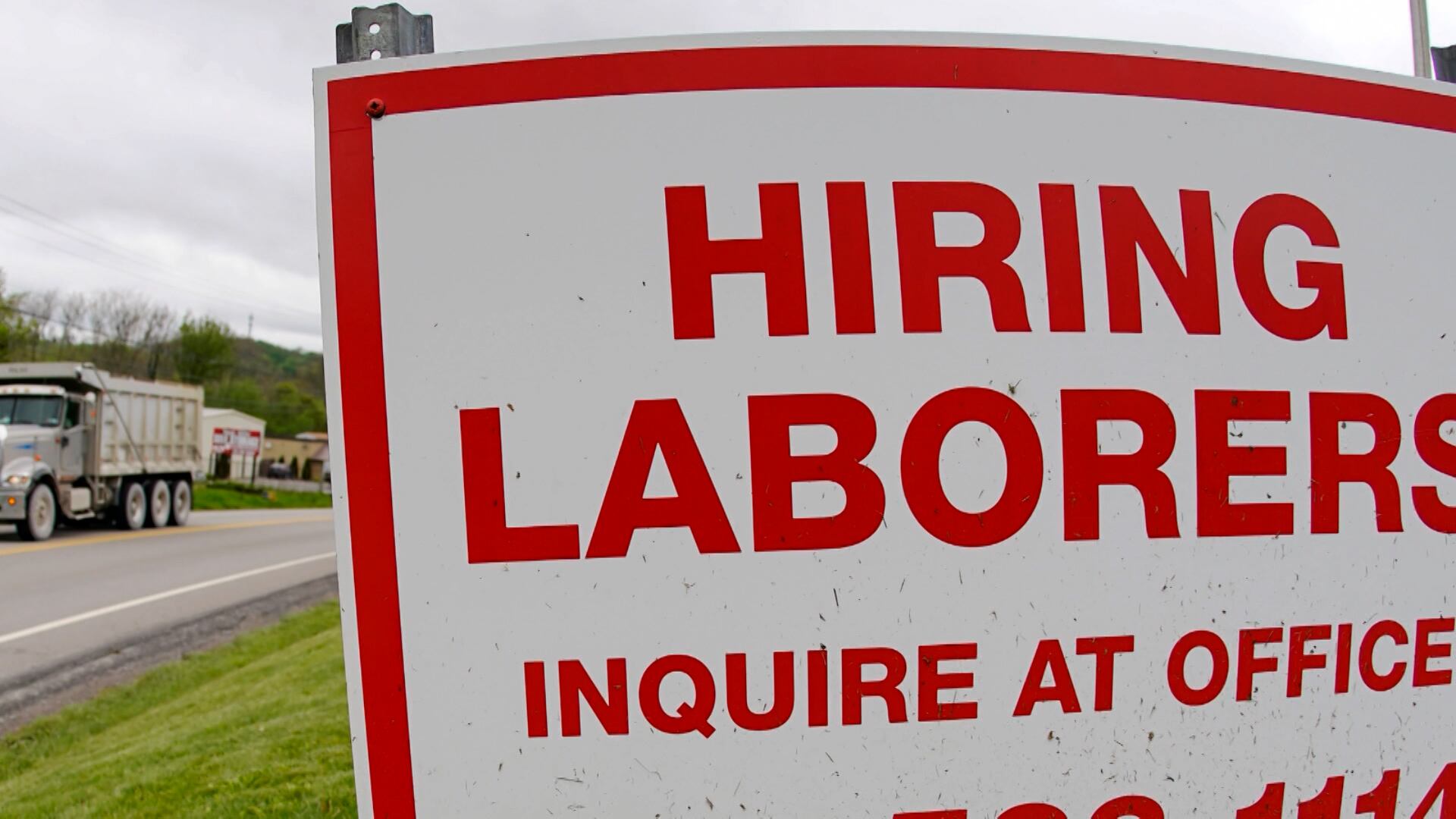
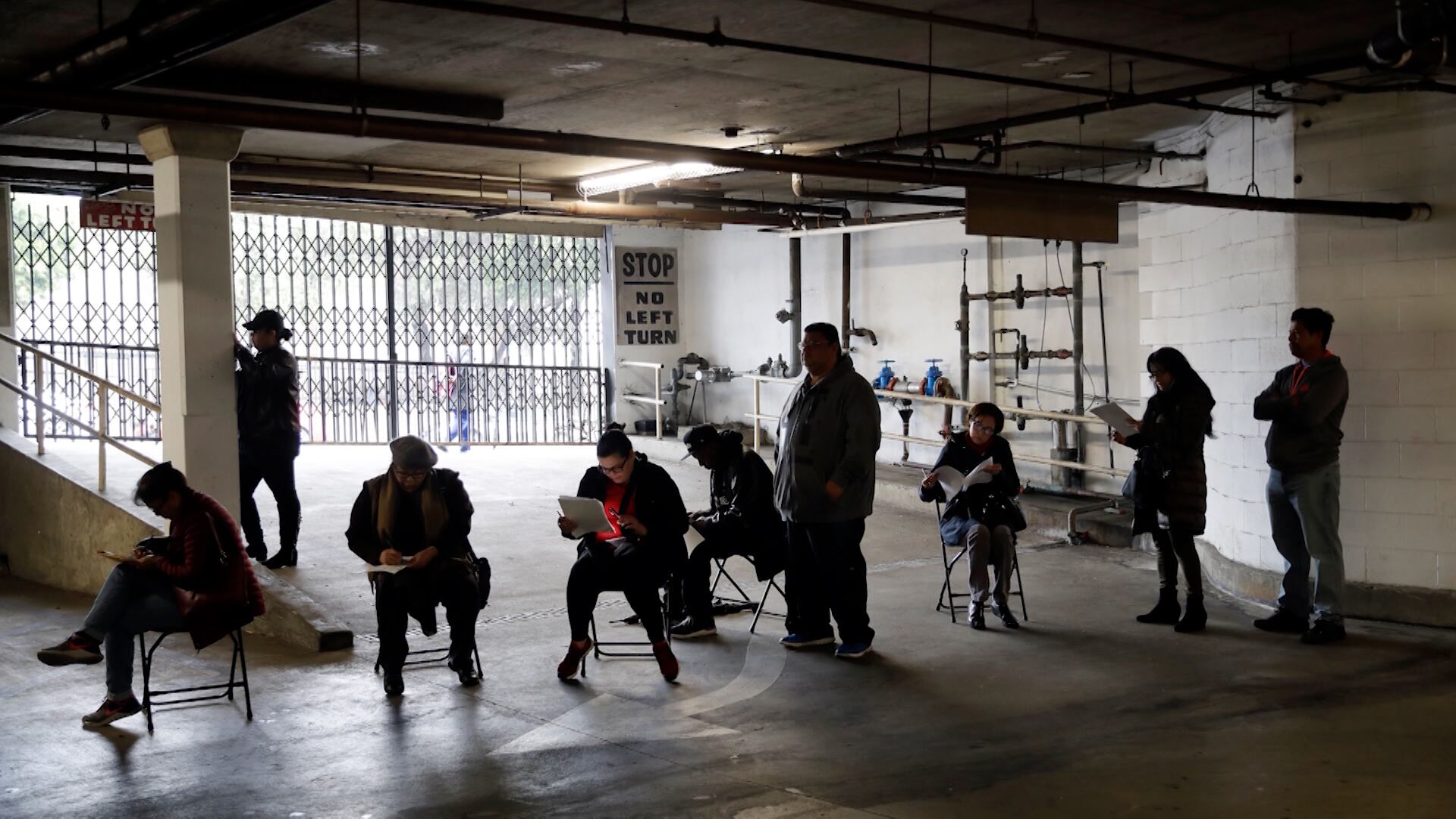
It's a mixed bag for the November jobs report. Hiring slowed last month as employers only added 210,000 jobs, massively missing the estimate of 550,000. But there was one bright spot: the unemployment rate fell to 4.2%, with the number of unemployed people dropping to 6.9 million. Both of those numbers are considerably down from their highs at the end of the 2020 recession. Heather Boushey, a member of President Biden's Council of Economic Advisers, joined Cheddar to discuss the report and the state of the country's ongoing economic recovery.
As the U.S. continues to face supply chain shortages, President Joe Biden is reassuring U.S. consumers that the supply chain is in "very strong shape" ahead of the all-important holiday season. As supply bottlenecks start to show signs of improvement, the industry may be faced with yet another challenge: the Omicron variant. Rob Caucci, Co-Founder & Co-CEO of Fillogic joined Cheddar's Opening Bell to discuss.
Markets rebounded Monday morning after Friday's deep sell-off that saw the Dow suffer its worse day since 2020. It comes as investors continue to react to the impact of the omicron variant on the broader reopening. Eddie Ghabour, Co-Owner at the Key Advisors Group joined Cheddar's Opening Bell to discuss.
Markets bounced back this morning with travel leading the gains after plunging on Monday as the first case of Omicron was detected in the U.S. Jimmy Lee, CEO, Wealth Consulting Group joined Cheddar's Opening Bell to discuss.
The market saw investors react to comments by the World Health Organization's chief scientist, who suggested existing vaccines are likely to offer protection against the new variant. According to Thomas Hayes, chairman of Great Hill Capital, the next two weeks will be crucial as the markets watch for not only the effects of the Omicron variant, but also the Fed's decision on a taper.
It's Friday at long last. Jill and Carlo cover the latest on Omicron, including a possible superspreader event in NYC. Plus, previewing the November jobs report, a new Zoom feature no one asked for, and when it's no longer a good idea to eat Thanksgiving leftovers.
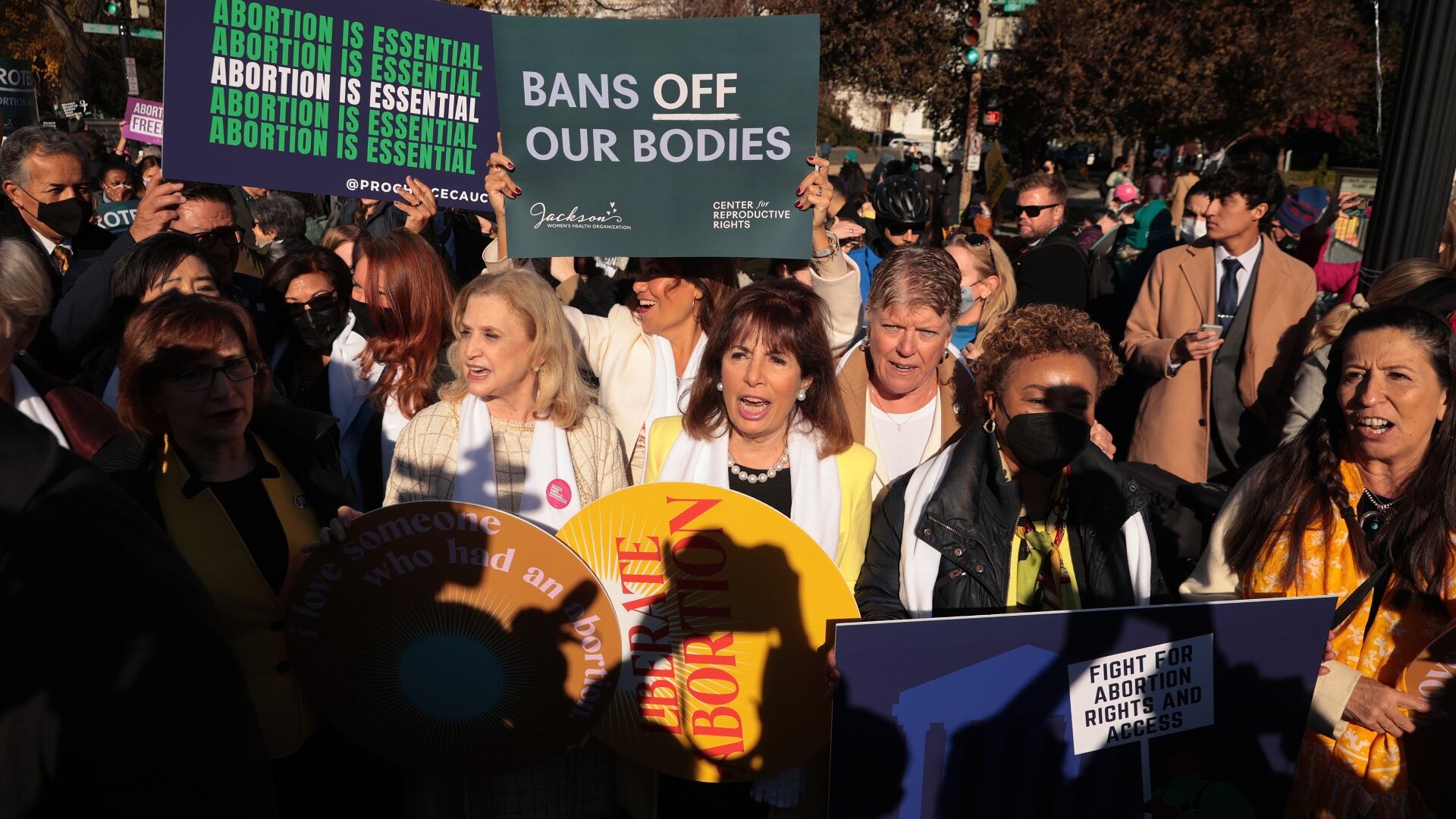
Following the Mississippi abortion case, the fate of Roe V. Wade is at stake. A decision is expected next summer, right around the time midterm candidates will be making their cases to voters. Laura Packard, executive director of Health Care Voter, joins Cheddar News to discuss how the ruling will impact upcoming elections.
Stock markets around the world continue to be impacted by fears of the new Omicron COVID-19 variant. President Biden today reiterated his stance that the new strain is cause for concern, but not cause for panic. Wells Fargo Investment Institute Global Equity Strategist Scott Wren joined Cheddar News' Closing Bell to discuss.