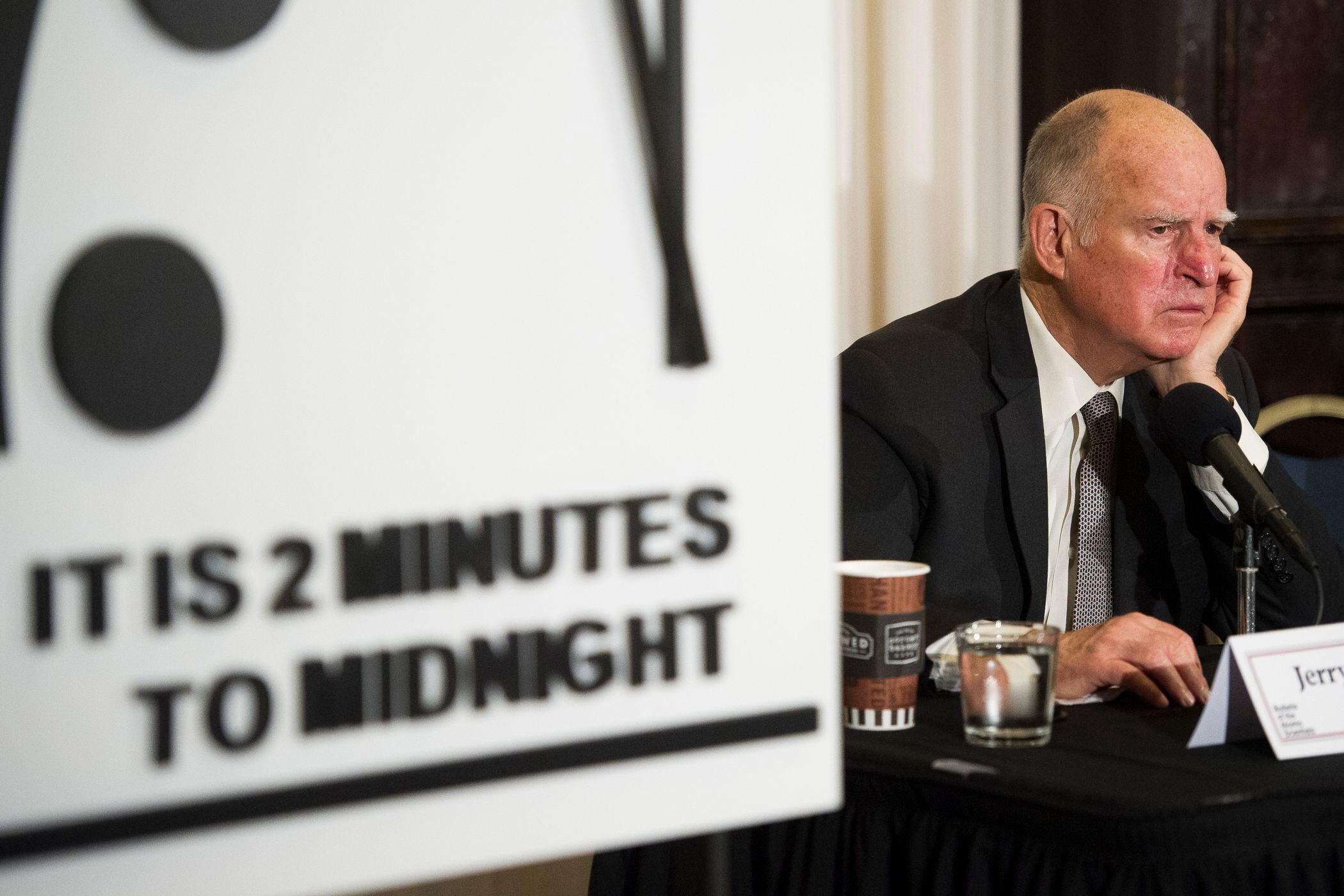
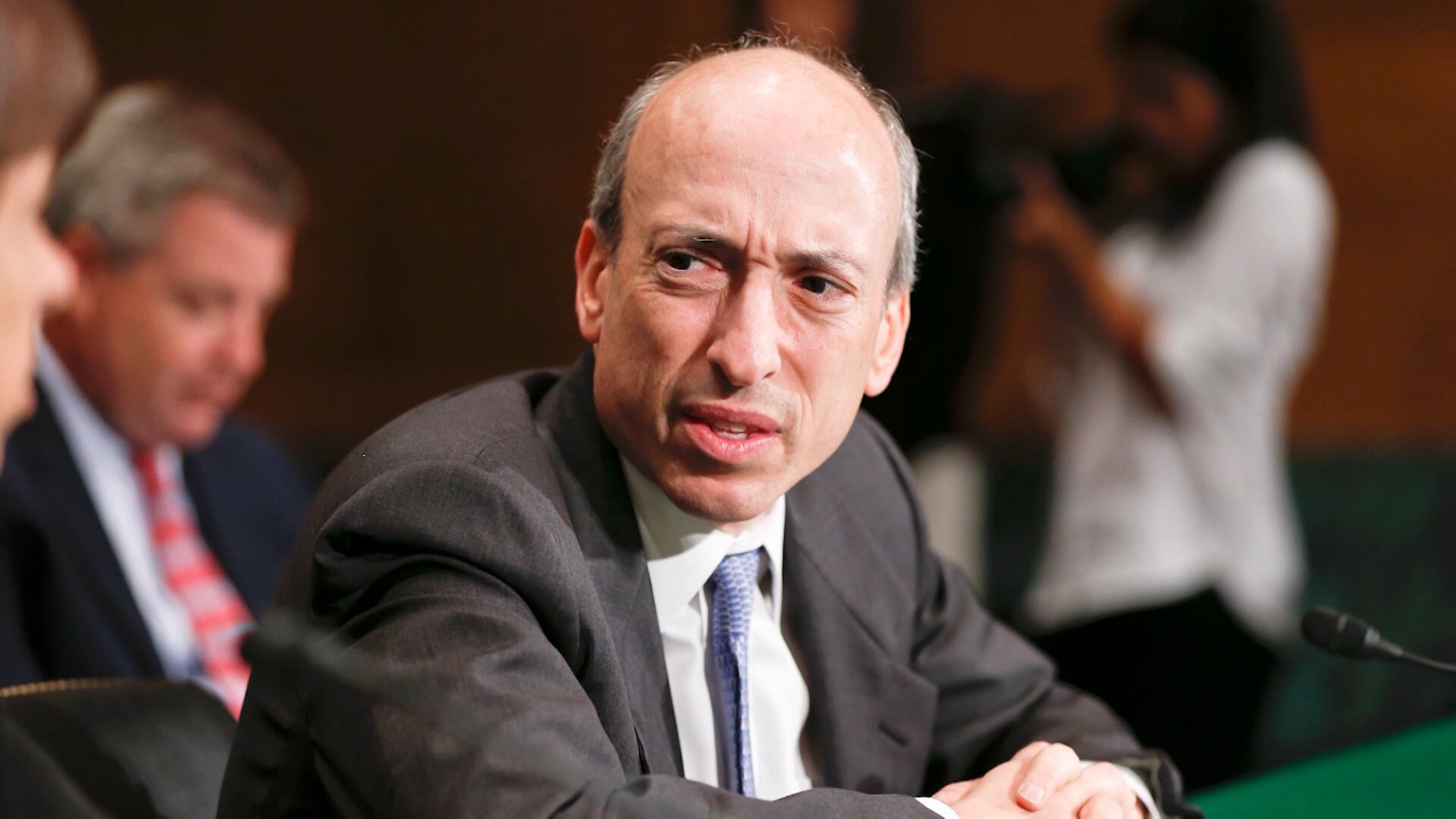
Former California Gov. Jerry Brown listens to a reporters question after unveiling the Doomsday Clock during The Bulletin of the Atomic Scientists news conference in Washington, Thursday, Jan. 24, 2019. (AP Photo/Cliff Owen)
Amid the COVID-19 pandemic set to kill well over two million people around the globe, an international countdown of what leading science and security experts say represents a threat to human existence remains stuck at about a two-minute warning.
Scientists say the mishandling of the grave global health crisis is a "wake-up call" that governments, institutions, and a misled public remain unprepared to handle the even greater threats posed by nuclear war and climate change.
Given this and the lack of progress in 2020 in dealing with nuclear and climate perils, the Doomsday Clock remains as close to midnight as it has ever been – just 100 seconds to midnight.
The Doomsday Clock decision is made by the Bulletin of the Atomic Scientists' Science and Security Board in consultation with the Bulletin's Board of Sponsors, which includes 13 Nobel Laureates. In January 2020, the Doomsday Clock moved to 100 seconds to midnight, closer to midnight than ever in its history.
In December 2020, the Bulletin of the Atomic Scientists marked its 75th anniversary. Founded in 1945 by Albert Einstein and University of Chicago scientists who helped develop the first atomic weapons in the Manhattan Project, the Bulletin of the Atomic Scientists created the Doomsday Clock two years later, using the imagery of apocalypse (midnight) and the contemporary idiom of nuclear explosion (countdown to zero) to convey threats to humanity and the planet.
Over time, the Clock has become a universally recognized indicator of the world's vulnerability to catastrophe from nuclear weapons, climate change, and disruptive technologies in other domains.
"The pandemic serves as a historic wake-up call, a vivid illustration that national governments and the international organizations are unprepared to manage complex and dangerous challenges," says Dr. Rachel Bronson, president, and CEO, Bulletin of the Atomic Scientists.
The U.S. cannabis industry is on track to hit almost $25 billion in sales, according to New Frontier Data. Vivien Azer, managing director and senior research analyst at Cowen, and Russell Stanley, managing director and equity research at Beacon Securities Limited, join Cheddar News to give their predictions for the budding industry in 2022.
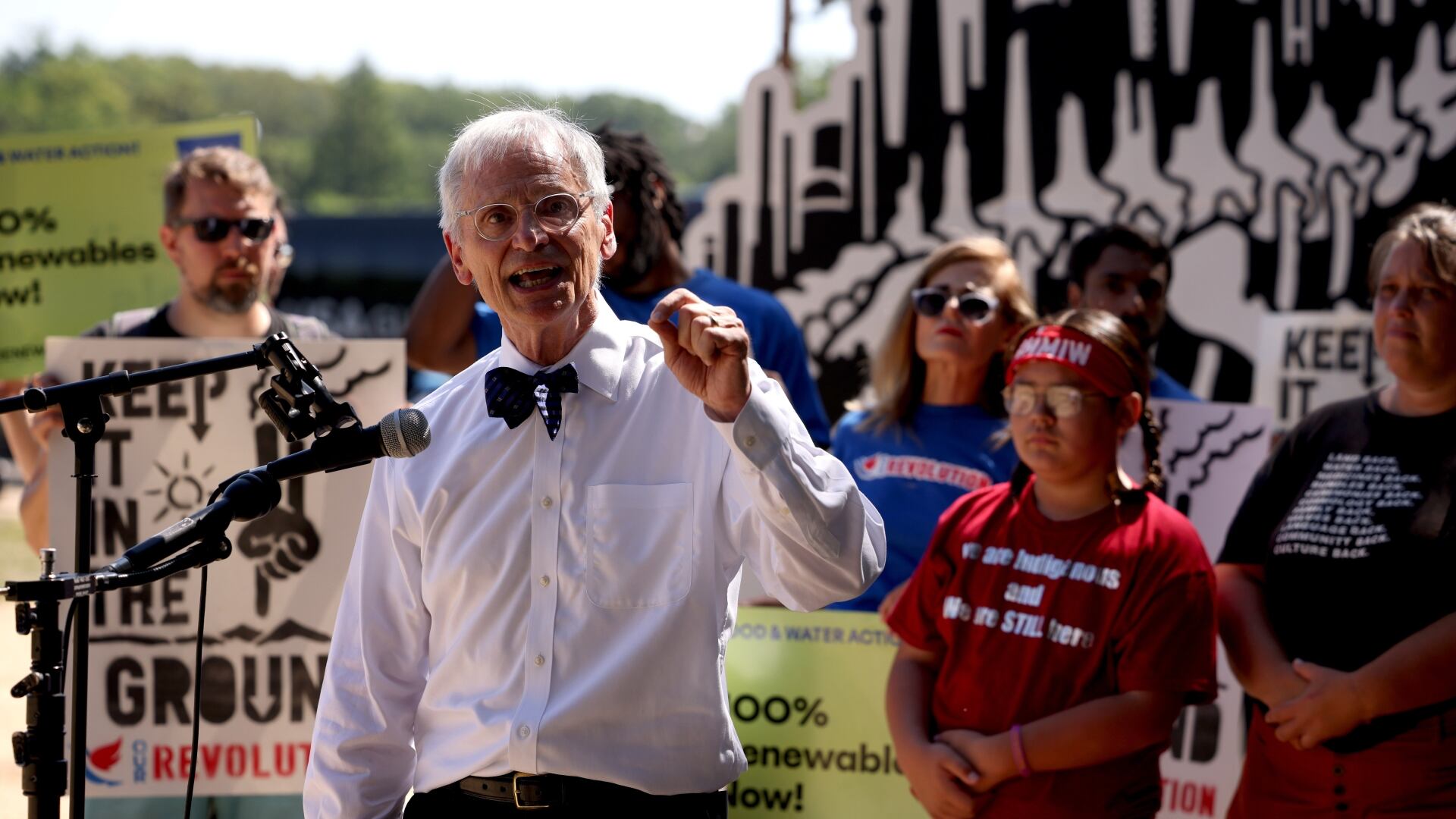
Rep. Earl Blumenauer (D-Ore. 3rd District), the co-chair of the Congressional Cannabis Caucus, joined Cheddar's "Cannabiz" to discuss the state of marijuana legalization on the federal level as more states continue to greenlight medical and adult use. He stated that there couldn't be a better time to revise the old policies on marijuana with more than 90 percent of Americans, including a majority of Republicans, on board. "This tidal wave of support continues. There were five states that approved in the last general election, and I think, rather than one single event, it is this momentum and the demonstration of broad public support that is making the difference," Blumenauer said.
Megan Horneman, Director of Portfolio Strategy at Verdence Capital Advisors, joins Cheddar News' Closing Bell, where she says there is some profit-taking ahead of the upcoming Fed meeting, and elaborates on some of the topics investors will be watching for more closely this week.
Rachel Bachman, senior sports reporter at the Wall Street Journal, joins Cheddar News' Closing Bell, where she explains how U.S. athletes have been inserted into the middle of a political debate after the country declared a diplomatic boycott of the upcoming Olympic Games in Beijing.
Lance Ippolito, Head Trader at the Future Of Wealth, joins Cheddar News' Closing Bell where he discusses the factors that have contributed to the recent slide of major cryptocurrencies like Bitcoin and Ether.