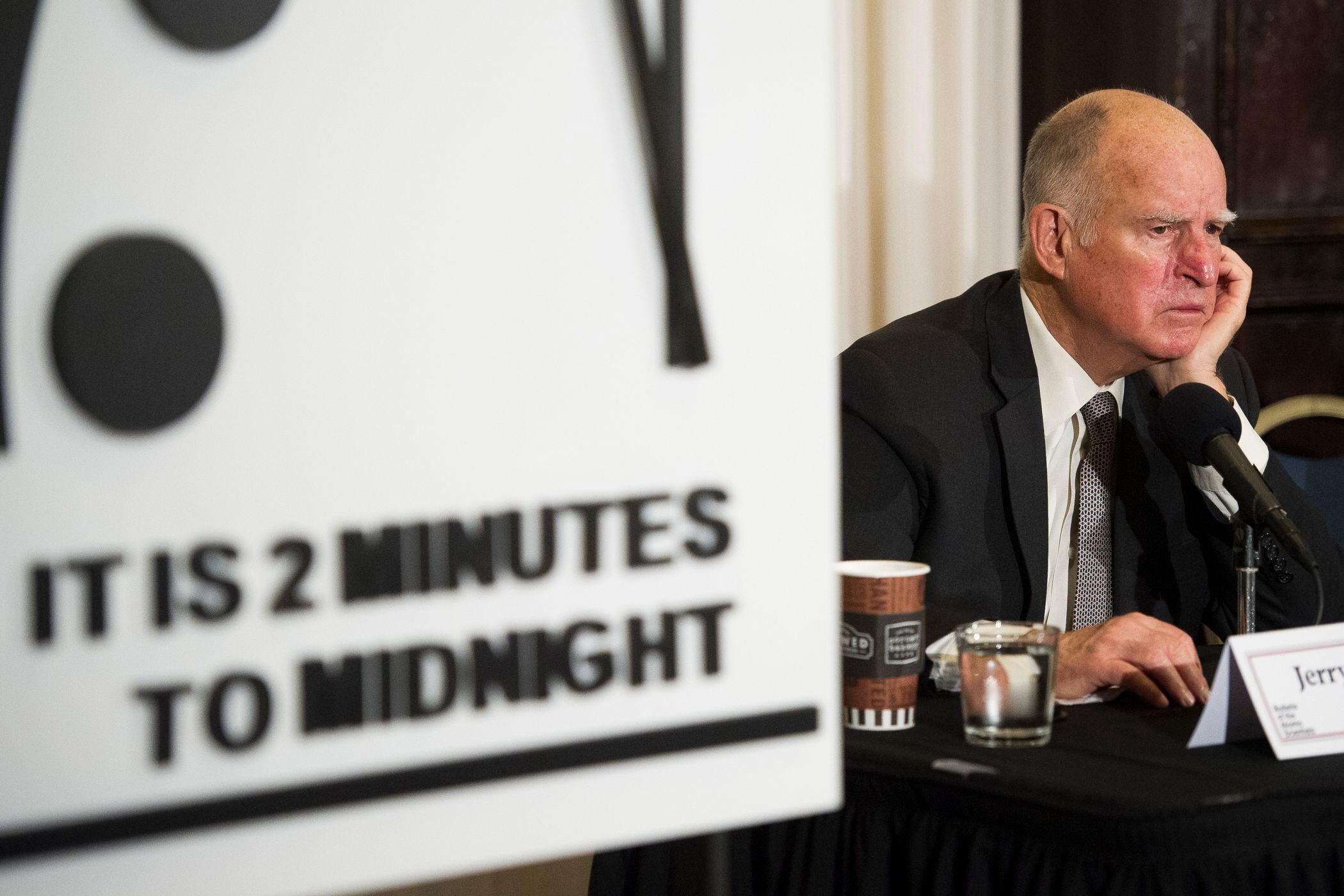
Amid the COVID-19 pandemic set to kill well over two million people around the globe, an international countdown of what leading science and security experts say represents a threat to human existence remains stuck at about a two-minute warning.
Scientists say the mishandling of the grave global health crisis is a "wake-up call" that governments, institutions, and a misled public remain unprepared to handle the even greater threats posed by nuclear war and climate change.
Given this and the lack of progress in 2020 in dealing with nuclear and climate perils, the Doomsday Clock remains as close to midnight as it has ever been – just 100 seconds to midnight.
The Doomsday Clock decision is made by the Bulletin of the Atomic Scientists' Science and Security Board in consultation with the Bulletin's Board of Sponsors, which includes 13 Nobel Laureates. In January 2020, the Doomsday Clock moved to 100 seconds to midnight, closer to midnight than ever in its history.
In December 2020, the Bulletin of the Atomic Scientists marked its 75th anniversary. Founded in 1945 by Albert Einstein and University of Chicago scientists who helped develop the first atomic weapons in the Manhattan Project, the Bulletin of the Atomic Scientists created the Doomsday Clock two years later, using the imagery of apocalypse (midnight) and the contemporary idiom of nuclear explosion (countdown to zero) to convey threats to humanity and the planet.
Over time, the Clock has become a universally recognized indicator of the world's vulnerability to catastrophe from nuclear weapons, climate change, and disruptive technologies in other domains.
"The pandemic serves as a historic wake-up call, a vivid illustration that national governments and the international organizations are unprepared to manage complex and dangerous challenges," says Dr. Rachel Bronson, president, and CEO, Bulletin of the Atomic Scientists.
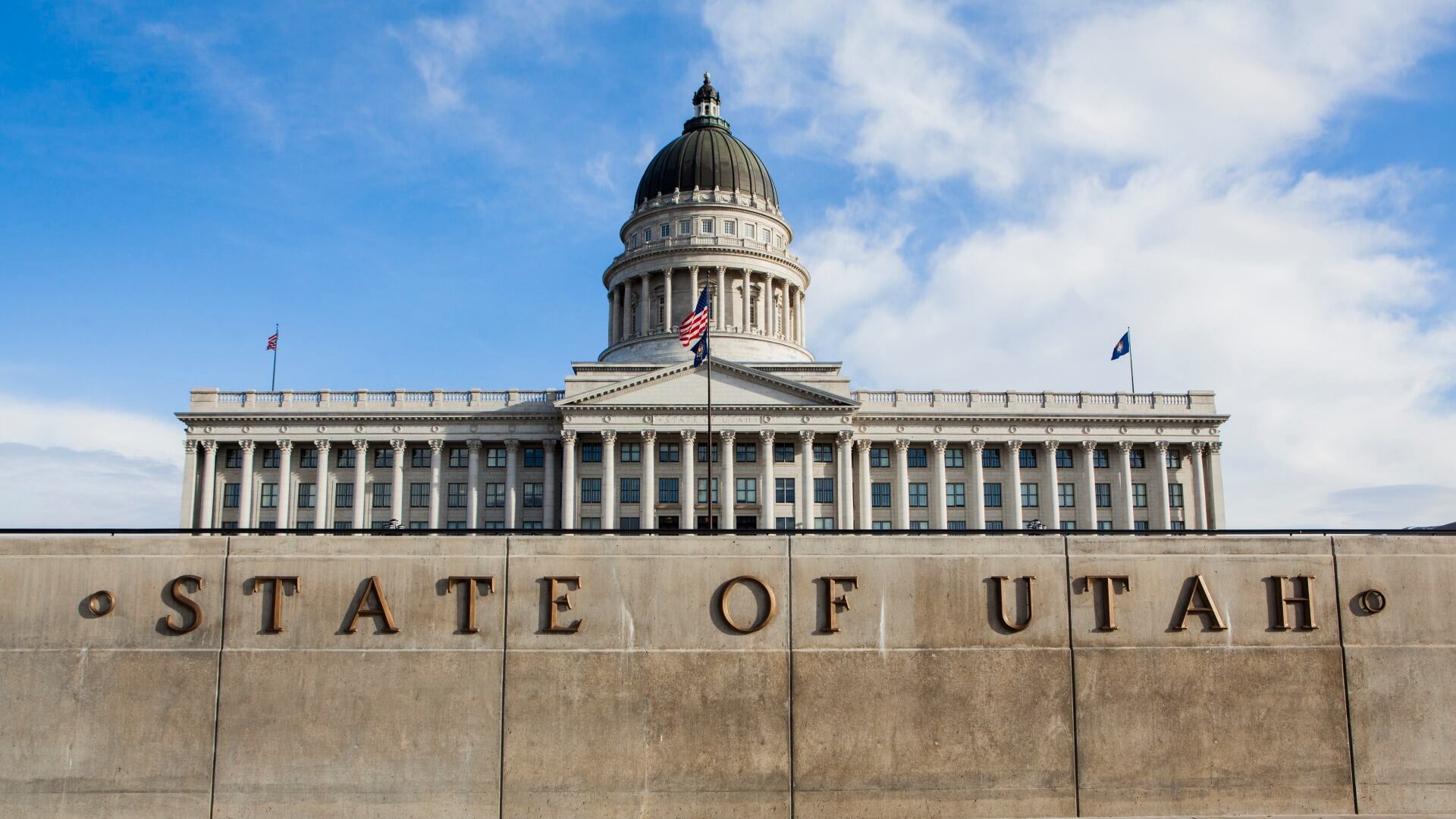
Governor Spencer Cox signed two measures restricting how easily children in the state can access platforms like TikTok and Twitter, setting the precedent in the U.S.
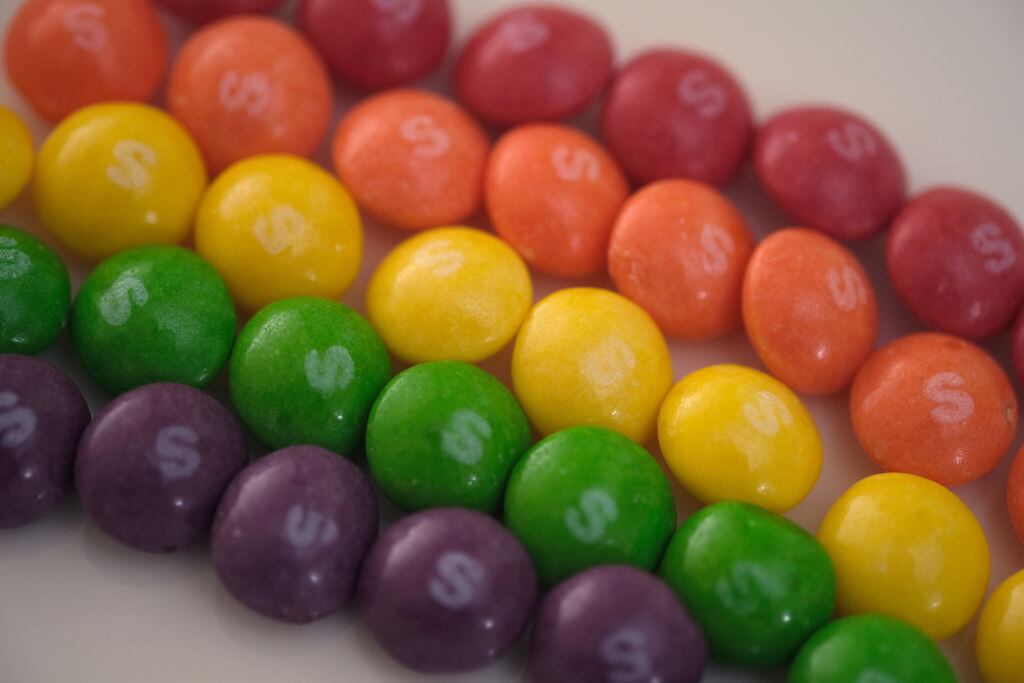
The California state legislature has proposed a bill banning candies such as Skittles and Nerds due to their containing chemicals linked to increased risk of cancer and behavioral issues in children. The chemicals in questions are brominated vegetable oil, propyl paraben, potassium bromate, titanium dioxide, and red dye no. 3.
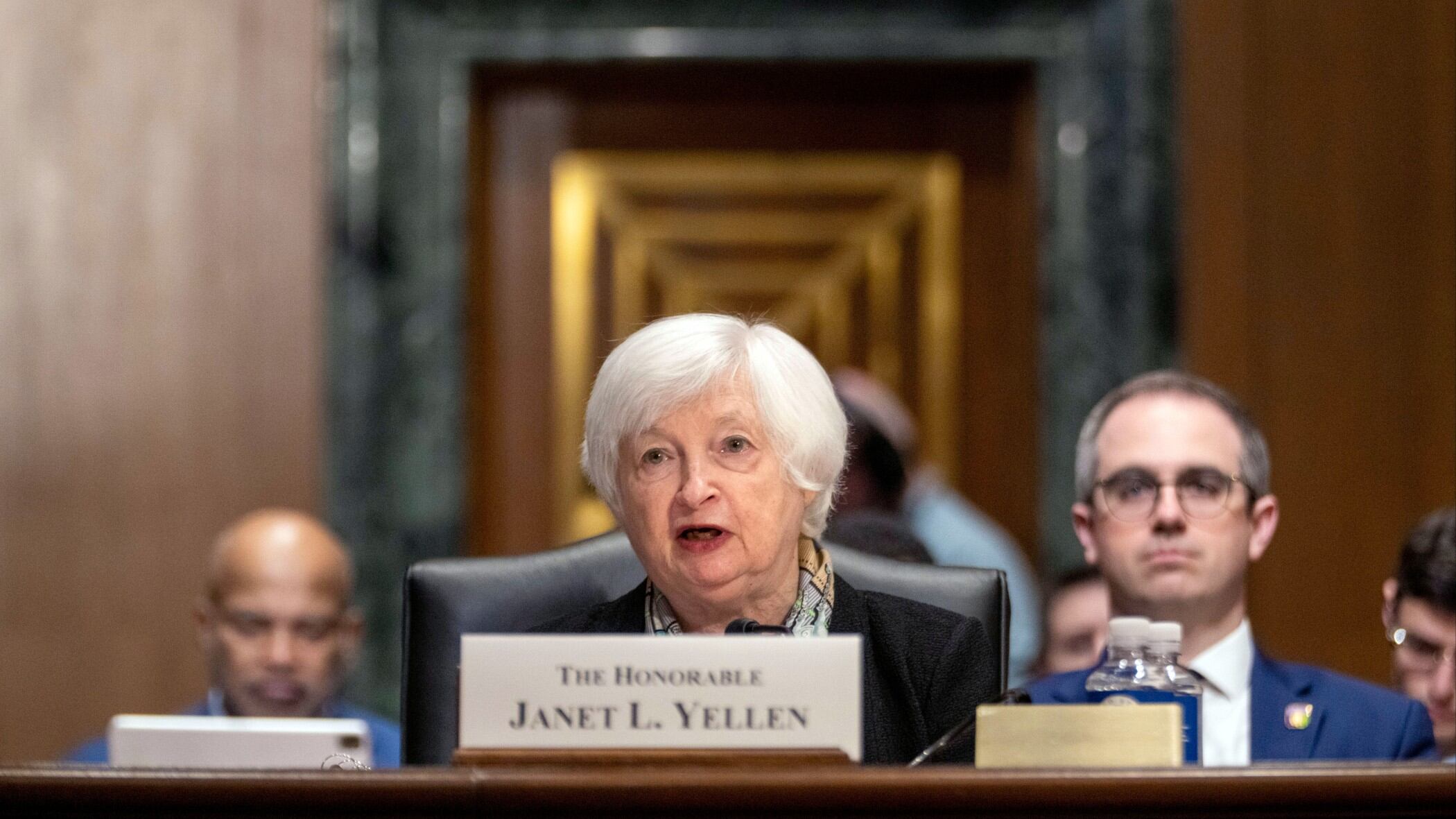
Treasury Secretary Janet Yellen on Thursday testified before the House that the government is ready to step in with more help for bank depositors if necessary
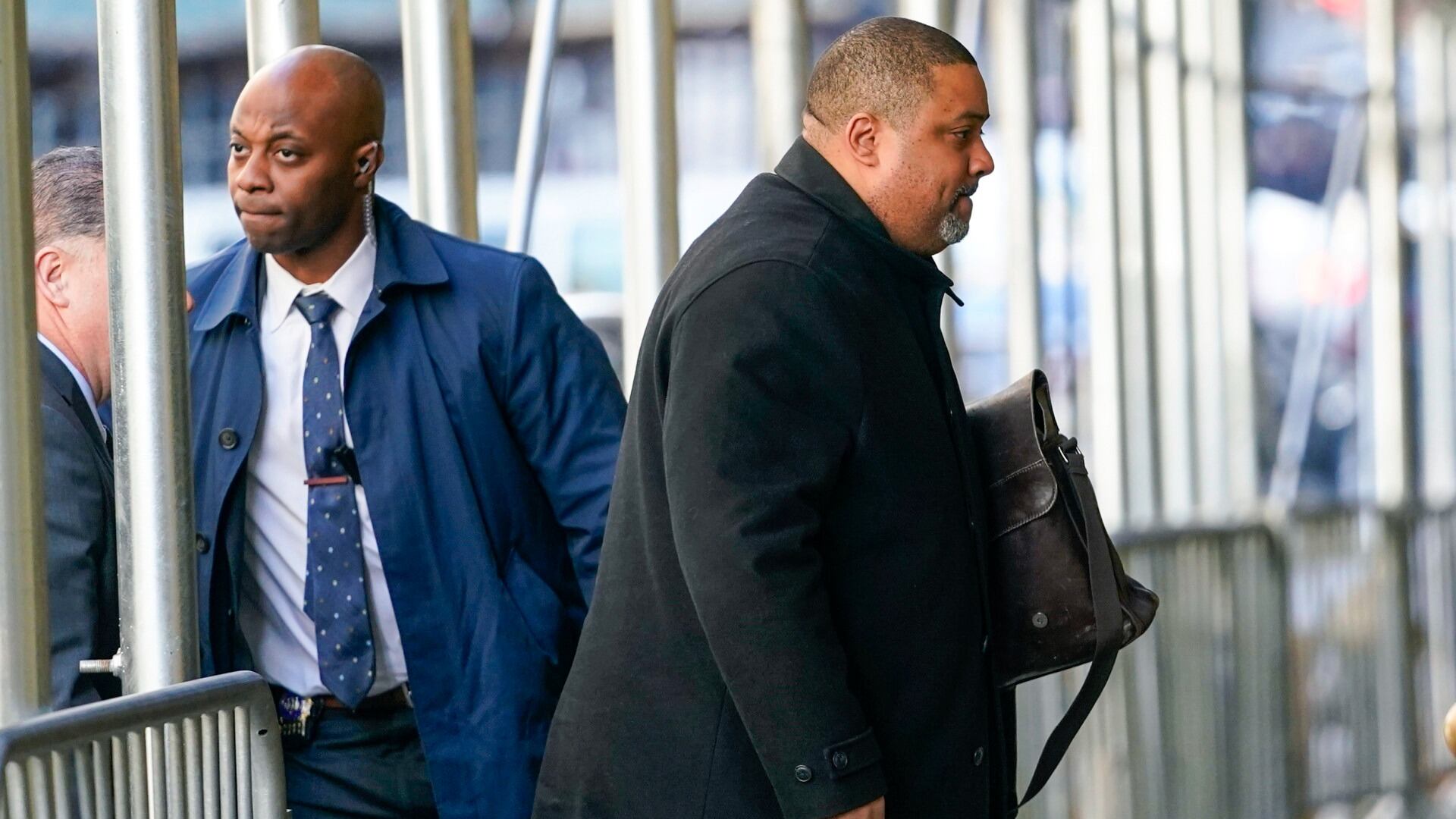
The Manhattan district attorney investigating Donald Trump has rebuffed House Republicans’ request to turn over documents.
Good2Know is your daily dose of the stories impacting your life
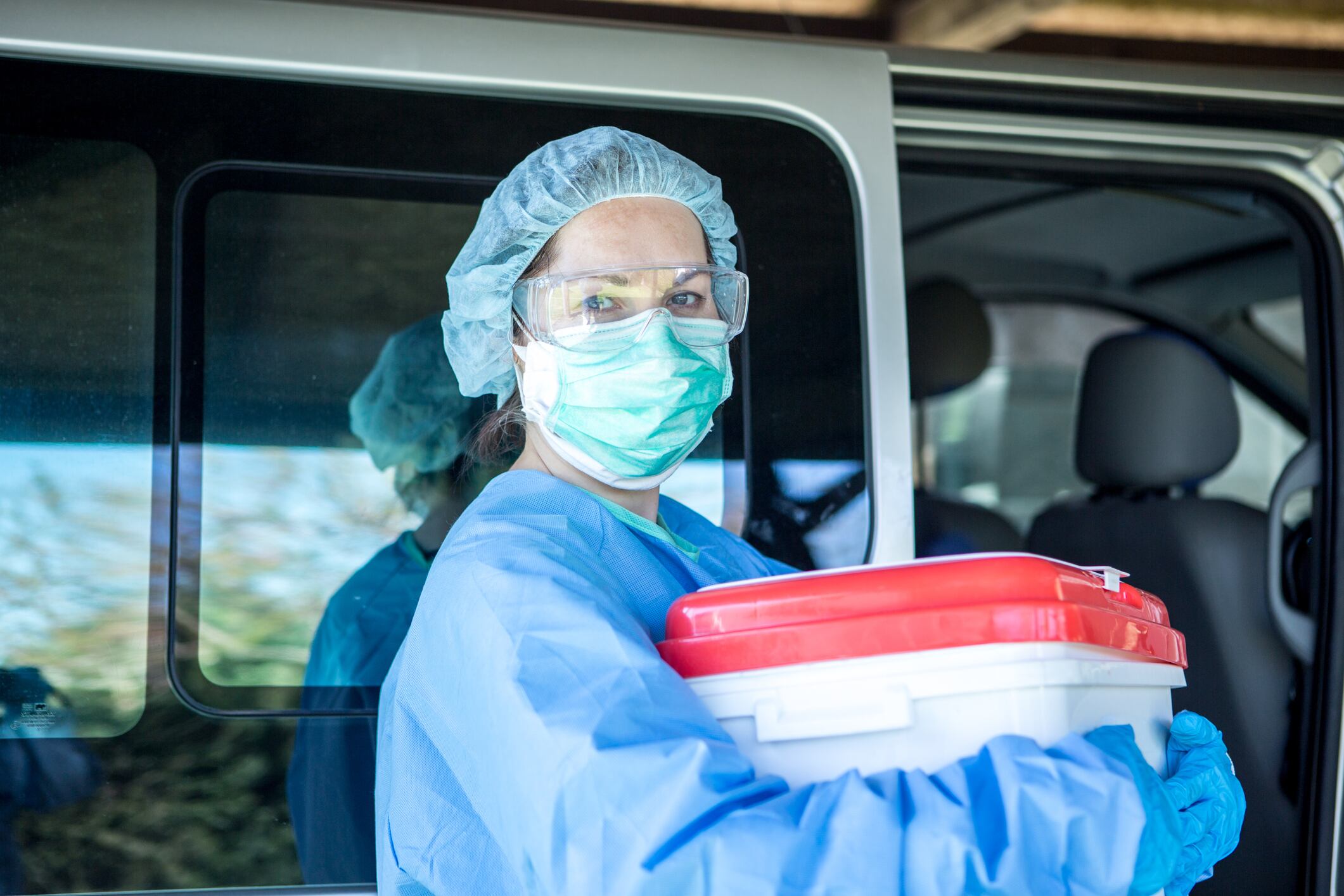
The U.S. Department of Health and Human Services has released a plan to overhaul the nation's organ transplant system, which has long been plagued by sometimes lethal delays and IT failures.
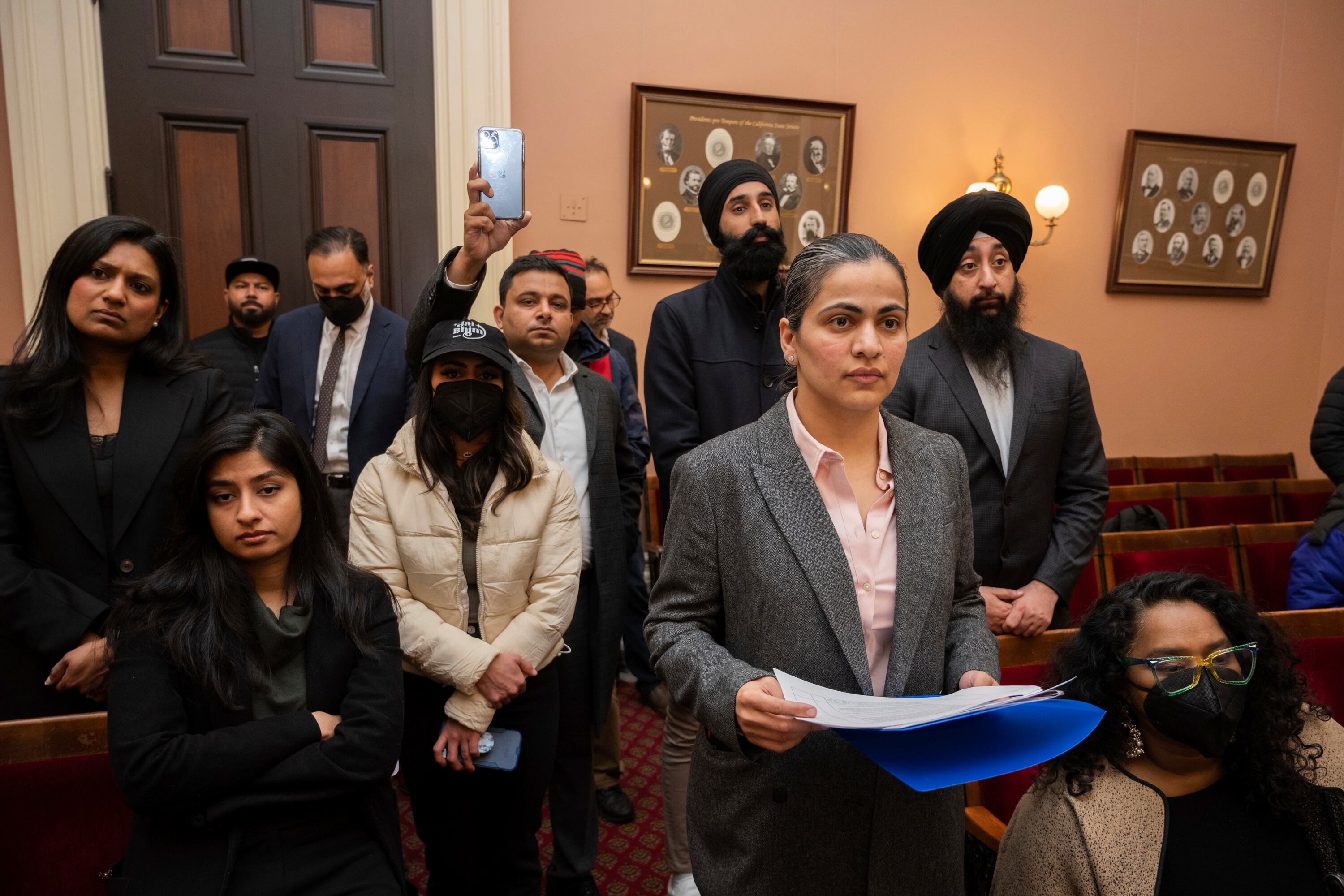
California may become the first state in the nation to outlaw caste-based bias, a safeguard people of South Asian descent say is necessary to protect them from discrimination in housing, education and the tech sector where they hold key roles.
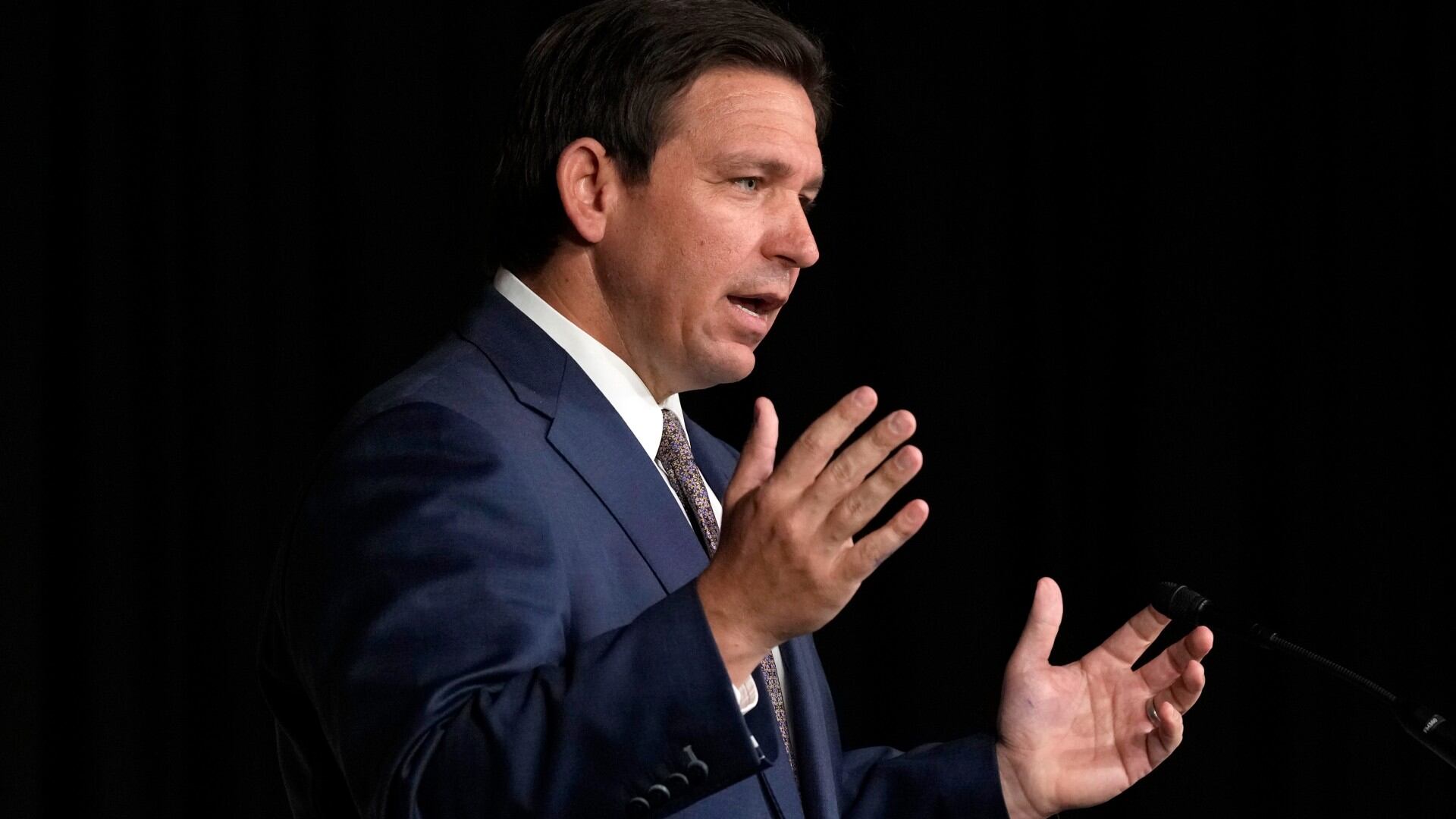
Florida Gov. Ron DeSantis ' administration is moving to forbid classroom instruction on sexual orientation and gender identity in all grades, expanding the controversial law critics call “Don't Say Gay” as the Republican governor continues to focus on cultural issues ahead of his expected presidential run.
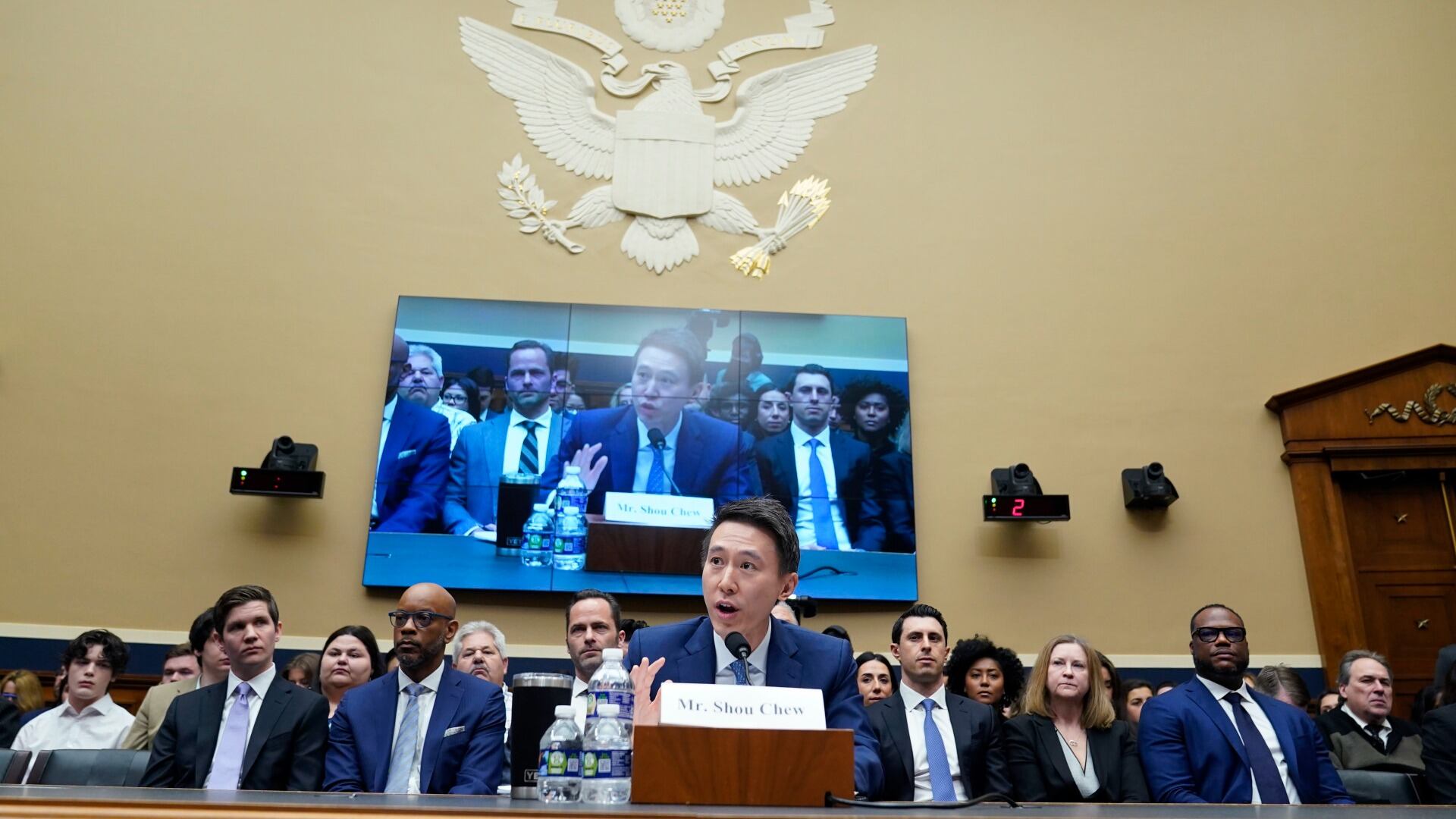
Lawmakers grilled TikTok CEO Shou Zi Chew on Thursday in a high-stakes hearing on the future of the popular, Chinese-owned video sharing platform in the U.S.
The pay is a driving factor behind a three-day strike that has shut down the entire Los Angeles school system and put a spotlight on the paltry pay of support staff that serves as the backbone of schools nationwide.