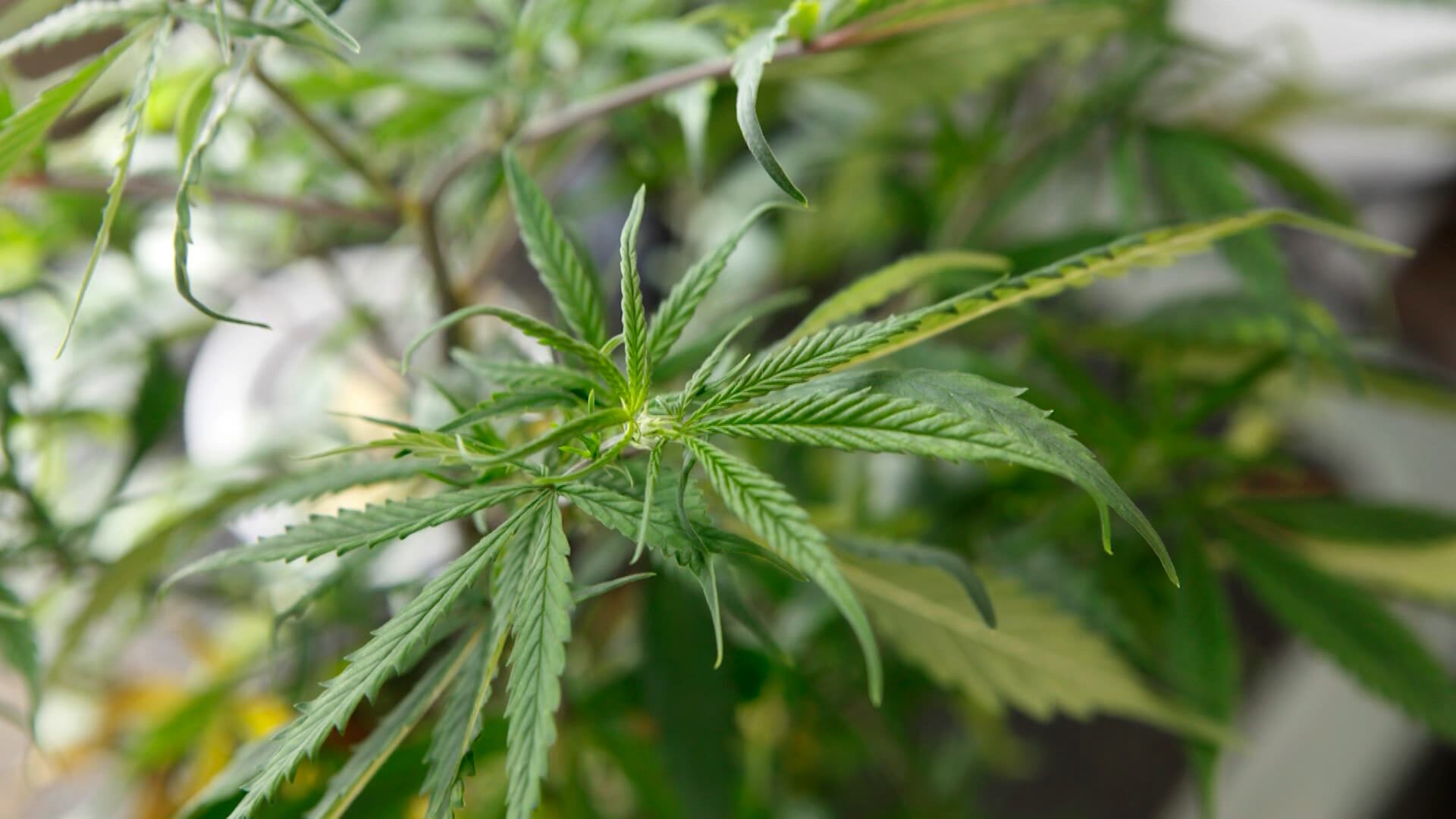
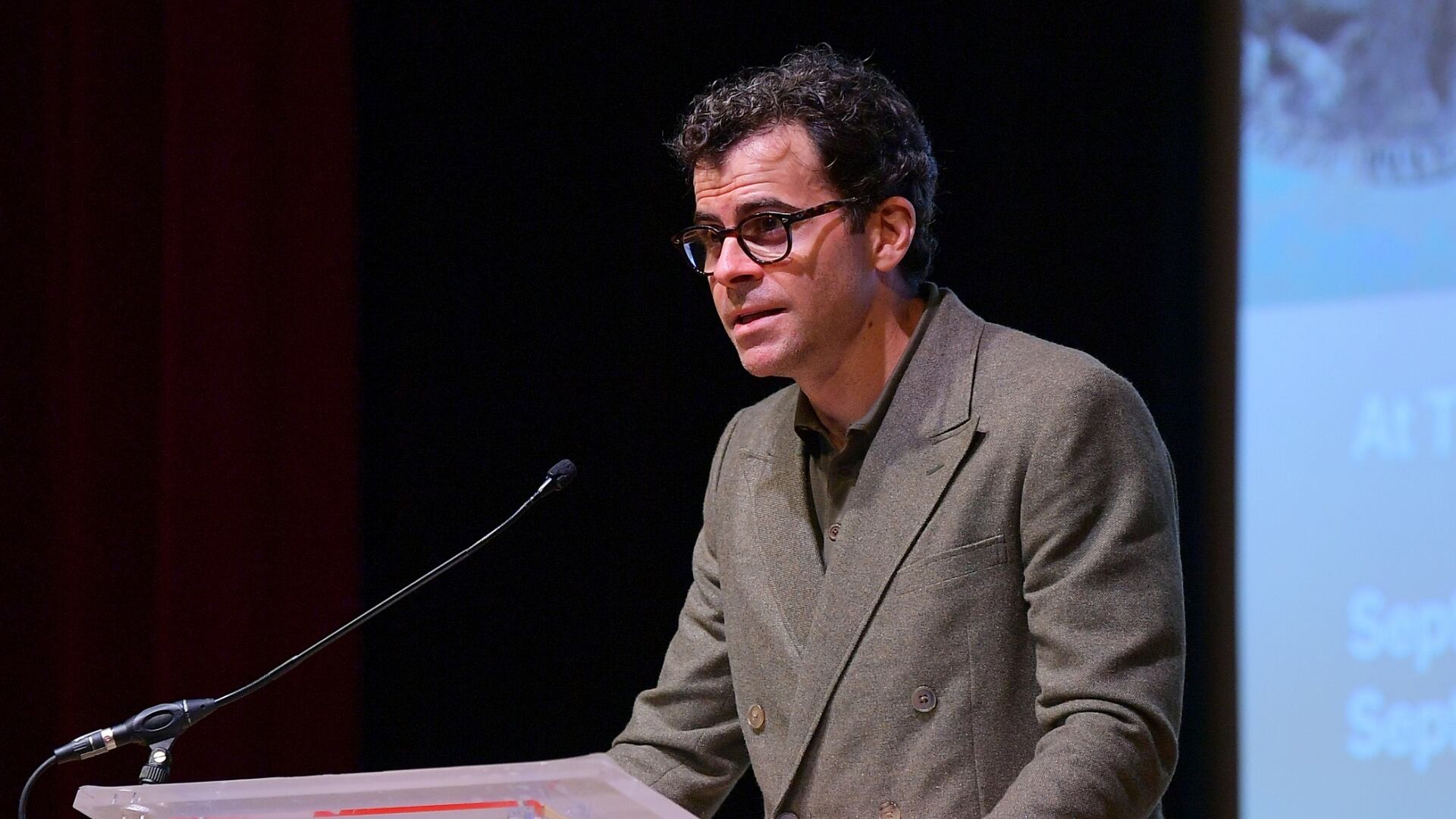
*By Chloe Aiello* New York Governor Andrew Cuomo may have radically changed his stance on marijuana ー but his former Democratic primary opponent Cynthia Nixon shouldn't be congratulated for his shift, according to New York State Assembly Health Committee chair Richard Gottfried. "On this particular issue, I don't think she gets any credit. I know from first-hand conversations from people in the Governor's office, as well as from their public statements going way back, that they have been working on developing this legislation for a long time," Gottfried, who has been working on marijuana policy reform since the 70s, told Cheddar Wednesday. In a Monday tweet, Nixon suggested that her progressive challenge of Cuomo in the gubernatorial race influenced his late embrace of marijuana reform and other issues. "Sometimes people ask me: was it worth it? YES. Here’s why," Nixon wrote on Twitter, citing a list from The New York Times reporter Shane Goldmacher compiling some highlights of Cuomo's 2019 agenda. Included on that list were legalizing marijuana, ending cash bail, and codifying *Roe v. Wade *ー among other issues that were major priorities for Nixon during her campaign. Some have already seized on the tweet, arguing that Nixon scored a victory ー despite losing the election ー by pushing Cuomo further left. But when it comes to marijuana, at least, Gottfried said the governor's shifting views predated the election. "There has been a really dramatic change in opinion in the Cuomo administration on this issue from back in '14 where he was pretty hostile to medical use. His thinking has I think really caught up with where the public is ー that goes back way before Cynthia Nixon's challenge," he said. Gottfried said the delay had less to do with determining whether pot would be legalized, and more to do with the details of how exactly legalization might work. "Do we organize it in ways that welcome in very capitalized big business? Do we try to structure it so that minority entrepreneurs and small businesses have more of a shot at being part of the market? That is what an awful lot of the discussion is about at this point, not the threshold question of do we allow adult use," Gottfried said. Gottfried himself knows all too well what questions like these involve, having worked on marijuana policy reform for at least 40 years. He helped write a 1977 bill that aimed to [decriminalize marijuana in New York](https://www.nytimes.com/1977/05/05/archives/albany-agreement-reached-on-easing-marijuana-curbs-measures-passage.html?module=inline) and in 2014 cosponsored the bill legalizing medical marijuana in New York. He said he thinks the governor will probably regulate marijuana in a similar fashion to the way alcohol is regulated in New York state. "We don't allow people who produce alcohol to distribute it, we don't allow them to retail it. Those are very powerful vertical disintegration statutes in New York going back to 1933," he said, adding that the approach helps include small businesses in the retail market. "I think it's been a pretty good system. I think that is where the governor is looking." For full interview [click here](https://cheddar.com/videos/cuomo-expected-to-fast-track-legislation-to-legalize-marijuana).