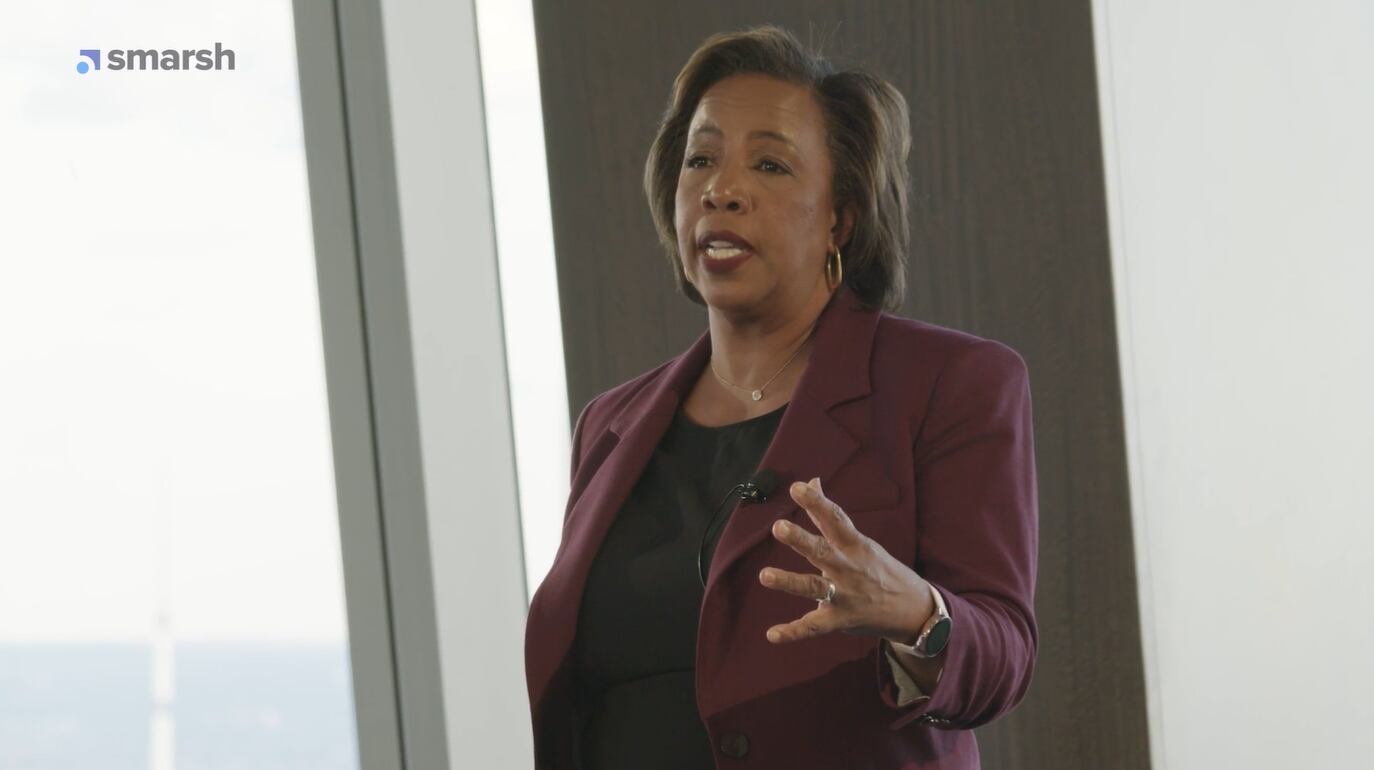
Sarah Kauss is the CEO of water bottle company S'well. Her small idea has turned into one of the most successful female-run businesses. She joins Kristen Schoeler at the Goldman Sachs 10,000 Small Businesses Summit to discuss how to build a brand and why S'well is doing so well.
In terms of advice on how to grow a small business, Kauss says to build a strong brand and then try to understand what your product and service can bring to other big companies and brands.
On what is next for S'well, Kauss says S'well is exploring new ways to further product innovation. As they move into new product categories and countries, Kauss does anticipate changing their marketing strategy. At this point, S'well has not spent any money on marketing and instead relies on consumers to be brand ambassadors. Kauss also says that more is spent on legal issues than she would like to deal with copycats.
S'well has not announced any numbers for 2017, but Kauss explains that the company has continued to grow since 2015 and the goals just continue to get higher with each year.
Fintech pioneer Tom Sosnoff discusses the evolution of retail investing, the rise of AI, and his new platform Lossdog aimed at the next generation of trading.
The FAA prepares to select cities for its eVTOL pilot program, marking a major step toward electric air taxis and the future of urban air mobility in the U.S.
Rising oil prices tied to the Iran conflict are driving up gas and airfare costs, creating new challenges for travelers heading into the spring break season.
The Supreme Court strikes down Trump-era tariffs, limiting presidential trade powers and raising questions about refunds, global trade, and business impact.
New research from GoDaddy and UCLA shows small businesses signal shifts in GDP, jobs, and digital growth earlier than traditional data or Wall Street trends.
GoFundMe launches Back in Business Fund with Paris Hilton to provide targeted grants helping women entrepreneurs recover and rebuild after natural disasters.
Samsung launches its “AI in Action Lab” in NYC, giving public high school students hands-on AI experience and tools to prepare for real world innovations.
Gen Z workers are increasingly worried AI could replace their jobs. However, experts say companies are using AI more to assist workers than replace them.