Sarah Kauss is the CEO of water bottle company S'well. Her small idea has turned into one of the most successful female-run businesses. She joins Kristen Schoeler at the Goldman Sachs 10,000 Small Businesses Summit to discuss how to build a brand and why S'well is doing so well.
In terms of advice on how to grow a small business, Kauss says to build a strong brand and then try to understand what your product and service can bring to other big companies and brands.
On what is next for S'well, Kauss says S'well is exploring new ways to further product innovation. As they move into new product categories and countries, Kauss does anticipate changing their marketing strategy. At this point, S'well has not spent any money on marketing and instead relies on consumers to be brand ambassadors. Kauss also says that more is spent on legal issues than she would like to deal with copycats.
S'well has not announced any numbers for 2017, but Kauss explains that the company has continued to grow since 2015 and the goals just continue to get higher with each year.
If you're shopping on Amazon and want to save even more money after Prime Day, Cheddar News has got you covered. Senior reporter Michelle Castillo talked to the experts at the company to find out how you can keep an eye on deals and even get cash back on your household purchases.
Did you happen to watch the series The Bear? The show follows a struggling small business owner in Chicago who is trying to save his business. It's a story a lot of small business owners in the U.S. can relate to. To help out these struggling entrepreneurs, Cheddar News brought on an expert here to help take your company from stressful to successful.
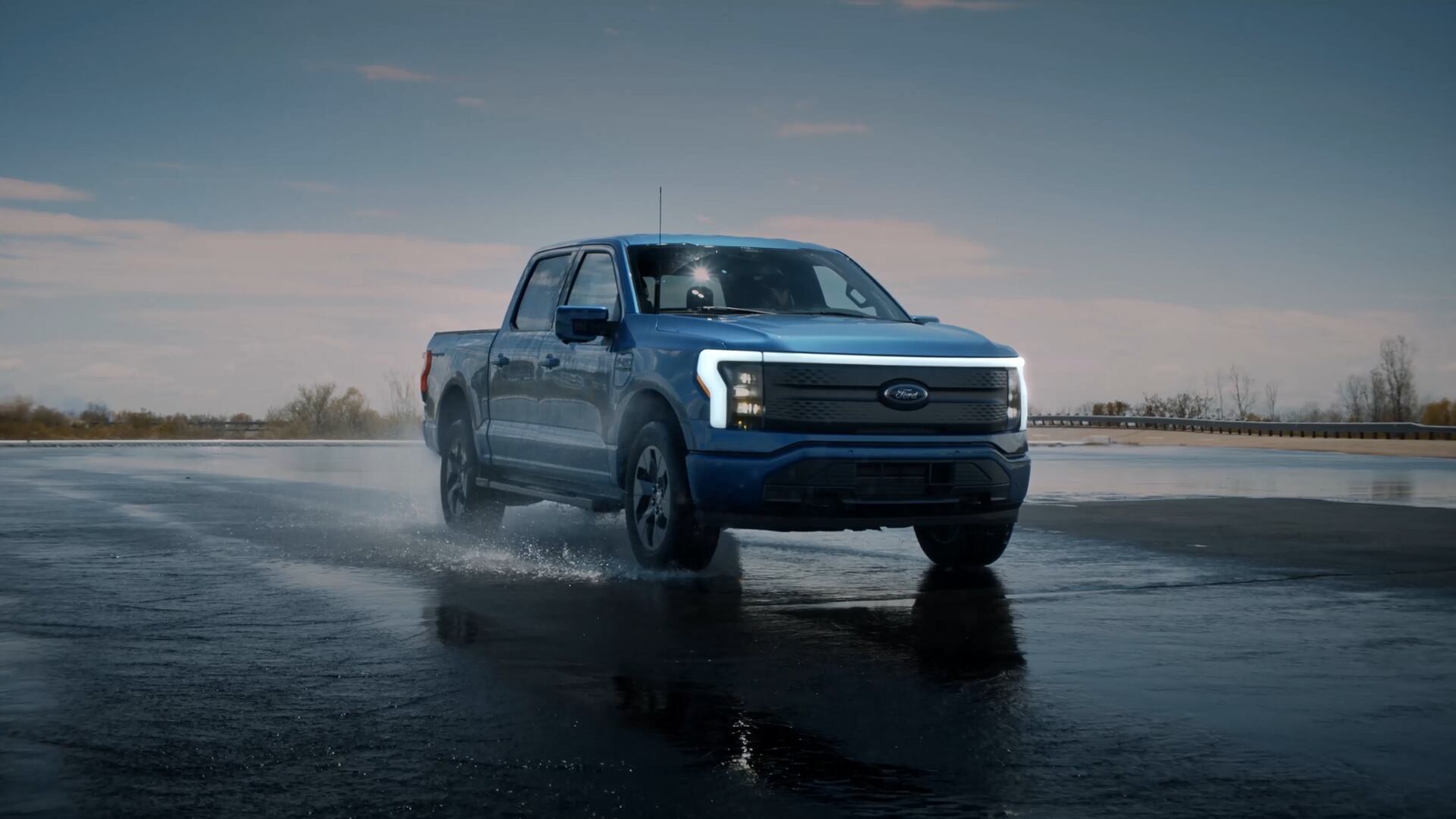
The sticker prices for Ford's F-150 Lightning electric pickup trucks are being lowered by thousands of dollars across the board, the company said Monday, due to increased plant capacity, falling costs for battery raw materials and internal efforts to scale production by the Detroit automaker.
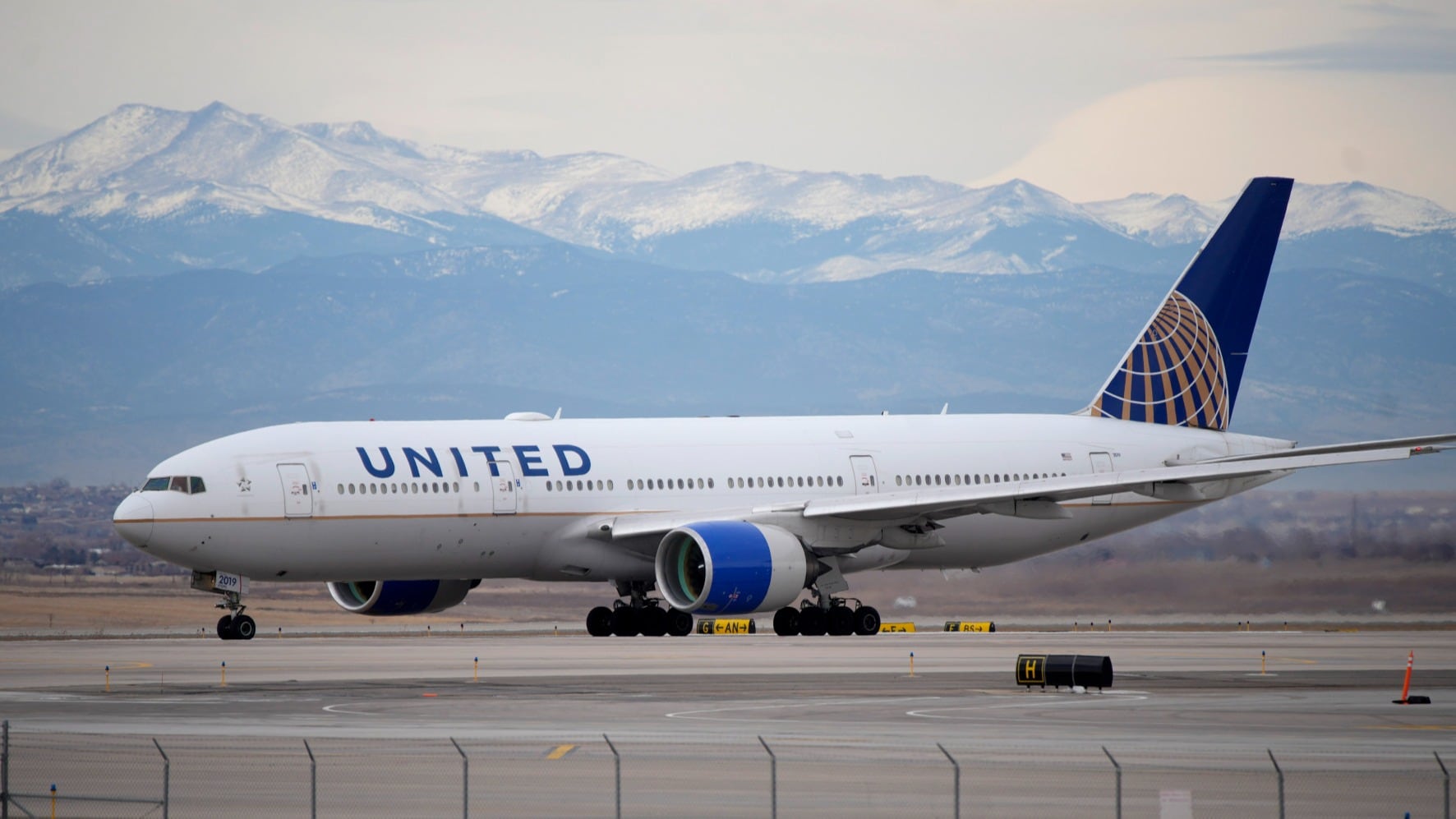
United Airlines and the union representing its pilots said Saturday they reached agreement on a contract that will raise pilot pay by up to 40% over four years.
The court’s ruling applies to higher education institutions and other entities that receive federal funding and doesn’t directly change private employer obligations, but business leaders might pull back diversity, equity and inclusion programs to avoid lawsuits.