Does wearing two masks provide more protection?
It depends, but it’s possible that doubling up could help in some situations.
The U.S. Centers for Disease Control and Prevention recommends wearing a cloth mask made with two or more layers, and ensuring it covers your nose and mouth. The agency says it should fit snugly so there aren't any gaps at the sides of your face.
Wearing just one mask should be enough for most situations, as long as it fits well and isn't loose, said Dr. David Hamer, an infectious disease expert at Boston University.
“Starting out with a good mask to begin with is going to be key,” Hamer said.
Still, some people might want extra protection if they're at risk for severe illness if infected or will be in situations where they expect to be around others for extended periods, such as on a plane.
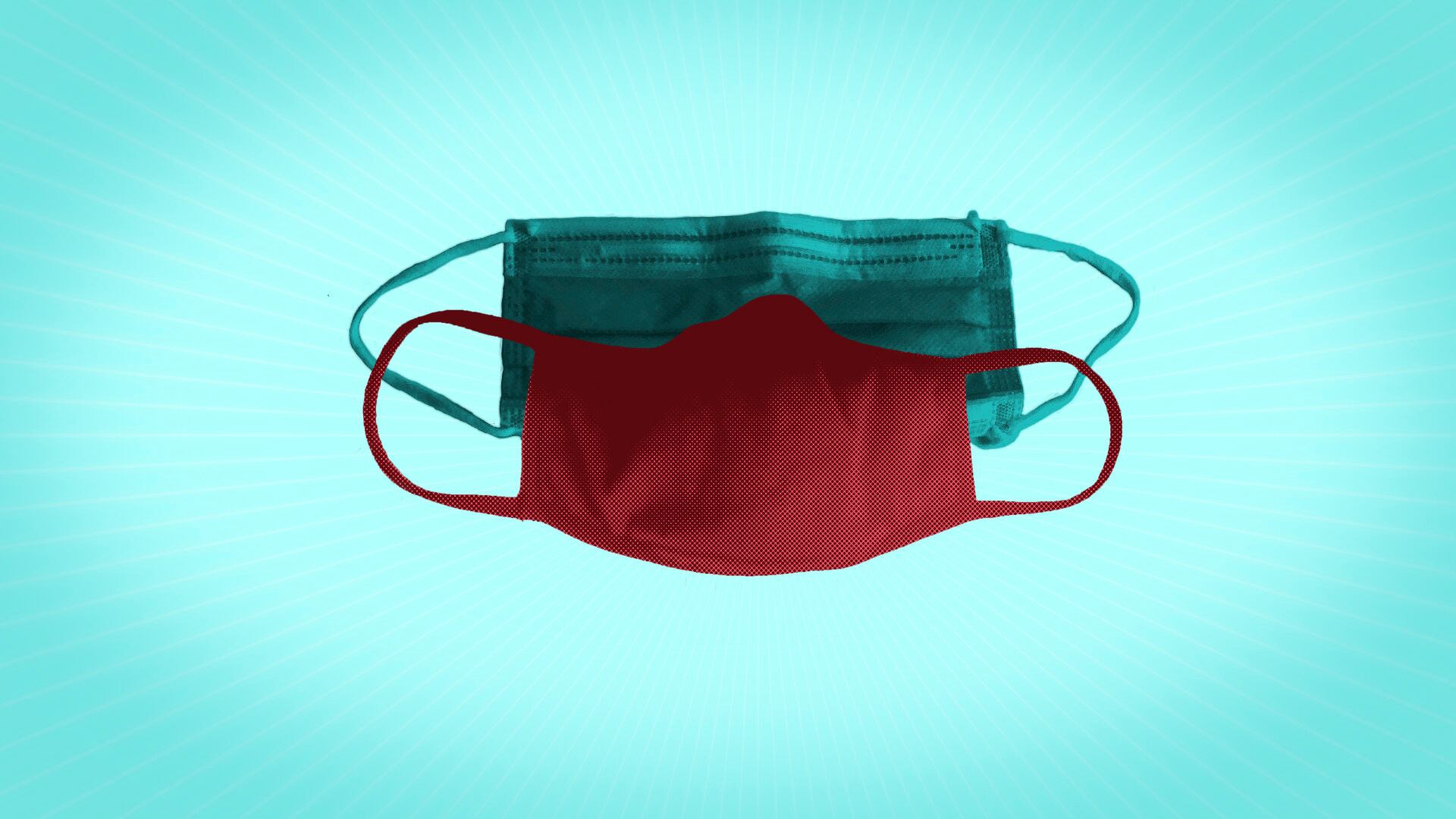
One option in scenarios when you want extra protection is to wear a cloth mask as well as a regular surgical mask, said Dr. Monica Gandhi, an infectious disease expert at the University of California, San Francisco.
Gandhi said that combination -- with either mask on top -- could help achieve a similar effect as the N95 mask. She recommended the added protection for people who will be indoors in areas where transmission rates are high — which could reflect the circulation of more contagious variants.
Another option Gandhi and a colleague recommend for situations where you want “maximum” protection: A two-layer cloth mask that has a filter material in between.
With single cloth masks for everyday use, Gandhi noted it's important that they're made of tightly-woven material and have at least two layers, which creates “an obstacle course” that makes it harder for virus-carrying particles to break through.
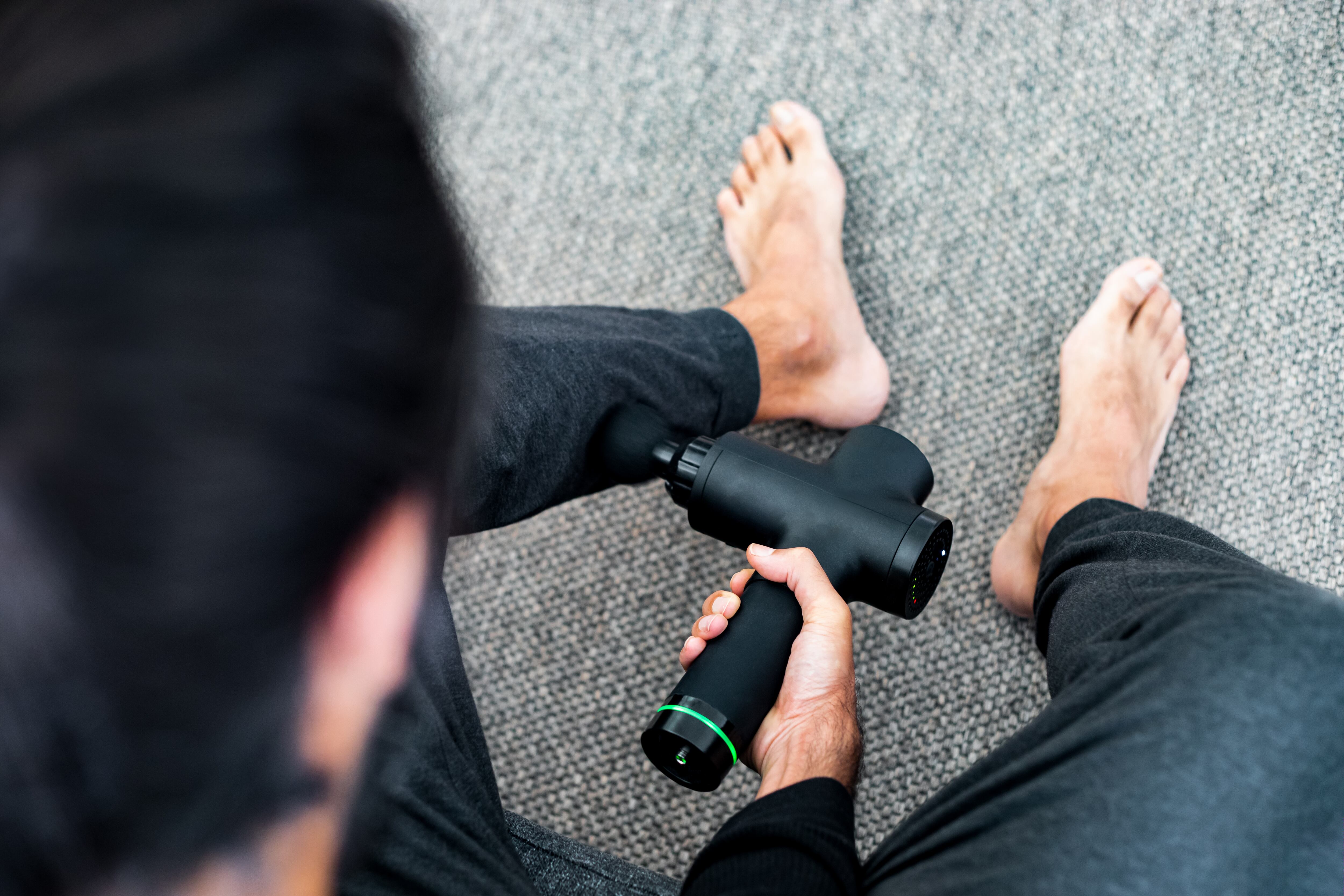
Melissa Whitely, personal trainer for Life Time Fitness, spoke with Cheddar News about the importance of recovery following a tense workout session. "If we're not going through the proper recovery methods, we can have undue pain, discomfort, tightness in our muscles and all those other things we can avoid," she said.
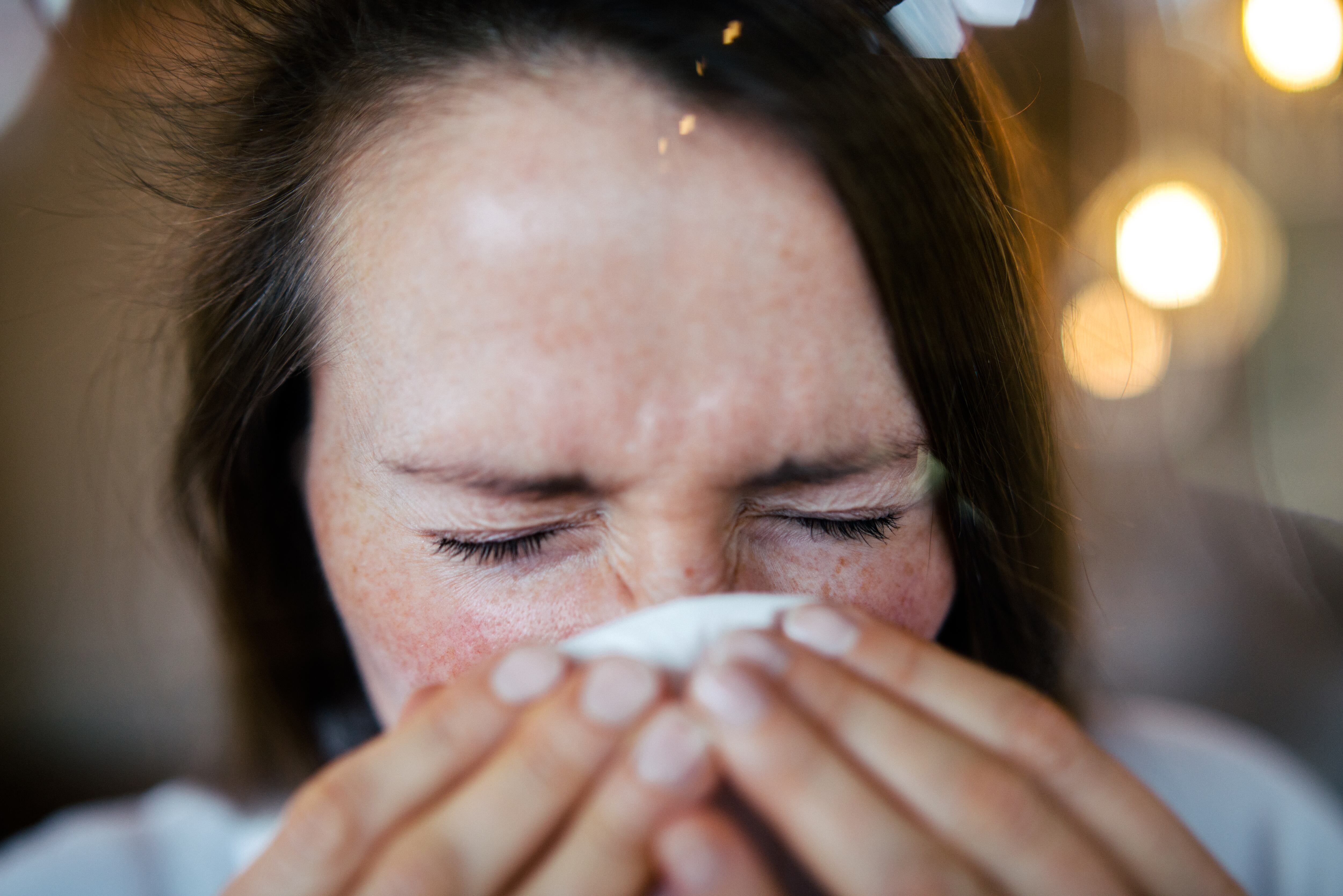
Dr. Payel Gupta, medical director of allergy, asthma, immunology & ENT for LifeMD.com, joined Cheddar News to discuss some tips on how to cope with allergy season. "With the warmer temperatures, we're seeing that the seasons arrive sooner and actually last longer, and also the elevated CO2 levels actually cause the plants to release more pollen," she said.
A new survey from the National Council for Mental Wellbeing shows that four in five behavioral health workers were concerned that labor shortages in their field “negatively impact society as a whole.”
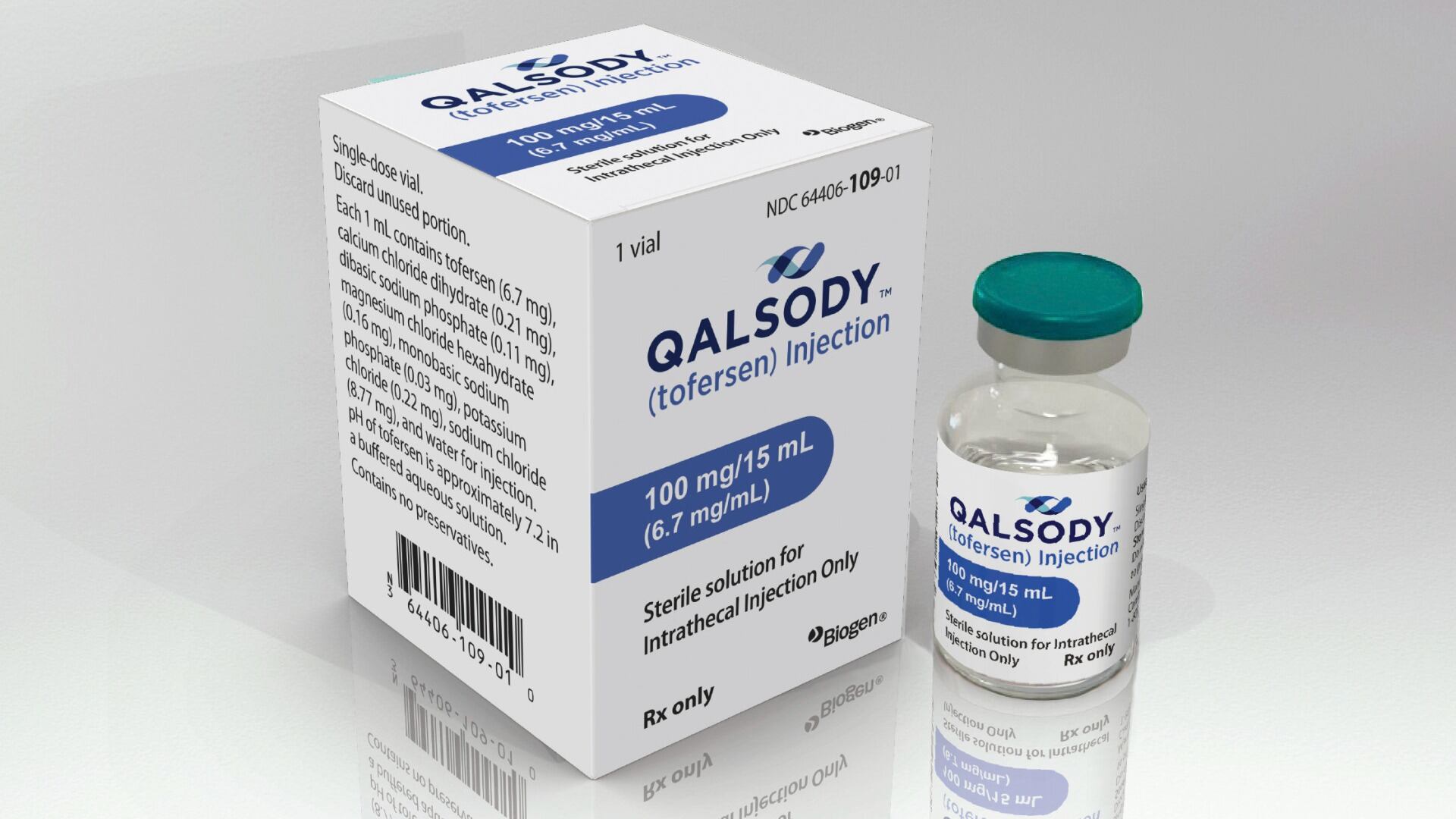
Food and Drug Administration regulators on Tuesday approved a first-of-a-kind drug for a rare form of Lou Gehrig’s disease, though they are requiring further research to confirm it truly helps patients.
How Accelerated Glacier Melting Is Impacting Rising Sea Levels
A Japanese company's attempt to land a spacecraft on the moon has apparently failed. Flight controllers lost contact Wednesday with the lander after it descended from lunar orbit, aiming for the dusty surface.
A bird strike sparked an engine fire on a plane shortly after takeoff from an Ohio airport on Sunday.
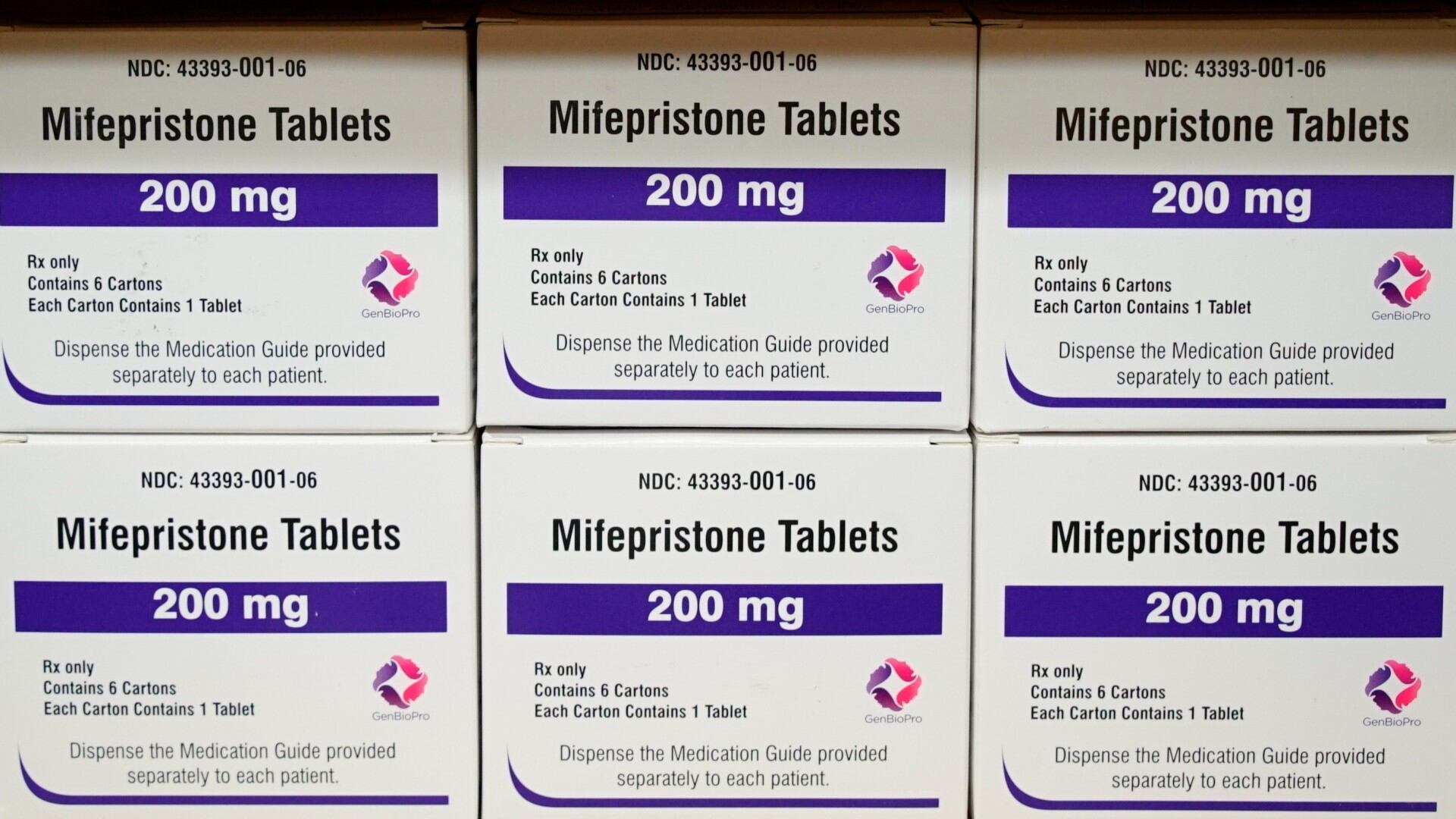
The Supreme Court on Friday preserved women’s access to a drug used in the most common method of abortion, rejecting lower-court restrictions while a lawsuit continues.
Buick's Global Vice President Talks Development of 'Envista,' Gas-Powered Cars
Peter Krull, a partner and director of sustainable investing at Prime Capital Investment Advisors company Earth Equity Advisors, joined Cheddar News to give some tips on green investments.