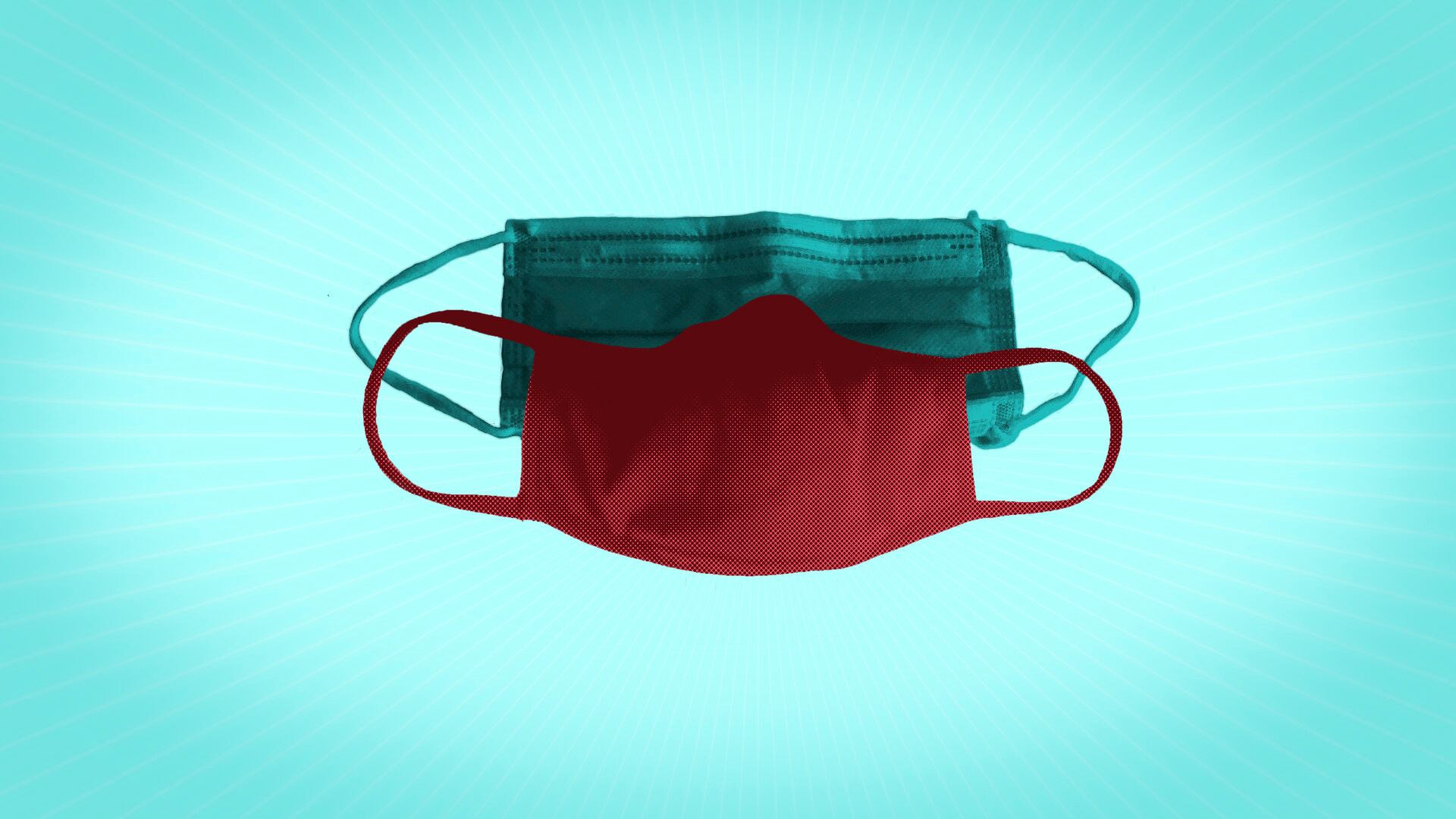
Does wearing two masks provide more protection?
It depends, but it’s possible that doubling up could help in some situations.
The U.S. Centers for Disease Control and Prevention recommends wearing a cloth mask made with two or more layers, and ensuring it covers your nose and mouth. The agency says it should fit snugly so there aren't any gaps at the sides of your face.
Wearing just one mask should be enough for most situations, as long as it fits well and isn't loose, said Dr. David Hamer, an infectious disease expert at Boston University.
“Starting out with a good mask to begin with is going to be key,” Hamer said.
Still, some people might want extra protection if they're at risk for severe illness if infected or will be in situations where they expect to be around others for extended periods, such as on a plane.
One option in scenarios when you want extra protection is to wear a cloth mask as well as a regular surgical mask, said Dr. Monica Gandhi, an infectious disease expert at the University of California, San Francisco.
Gandhi said that combination -- with either mask on top -- could help achieve a similar effect as the N95 mask. She recommended the added protection for people who will be indoors in areas where transmission rates are high — which could reflect the circulation of more contagious variants.
Another option Gandhi and a colleague recommend for situations where you want “maximum” protection: A two-layer cloth mask that has a filter material in between.
With single cloth masks for everyday use, Gandhi noted it's important that they're made of tightly-woven material and have at least two layers, which creates “an obstacle course” that makes it harder for virus-carrying particles to break through.
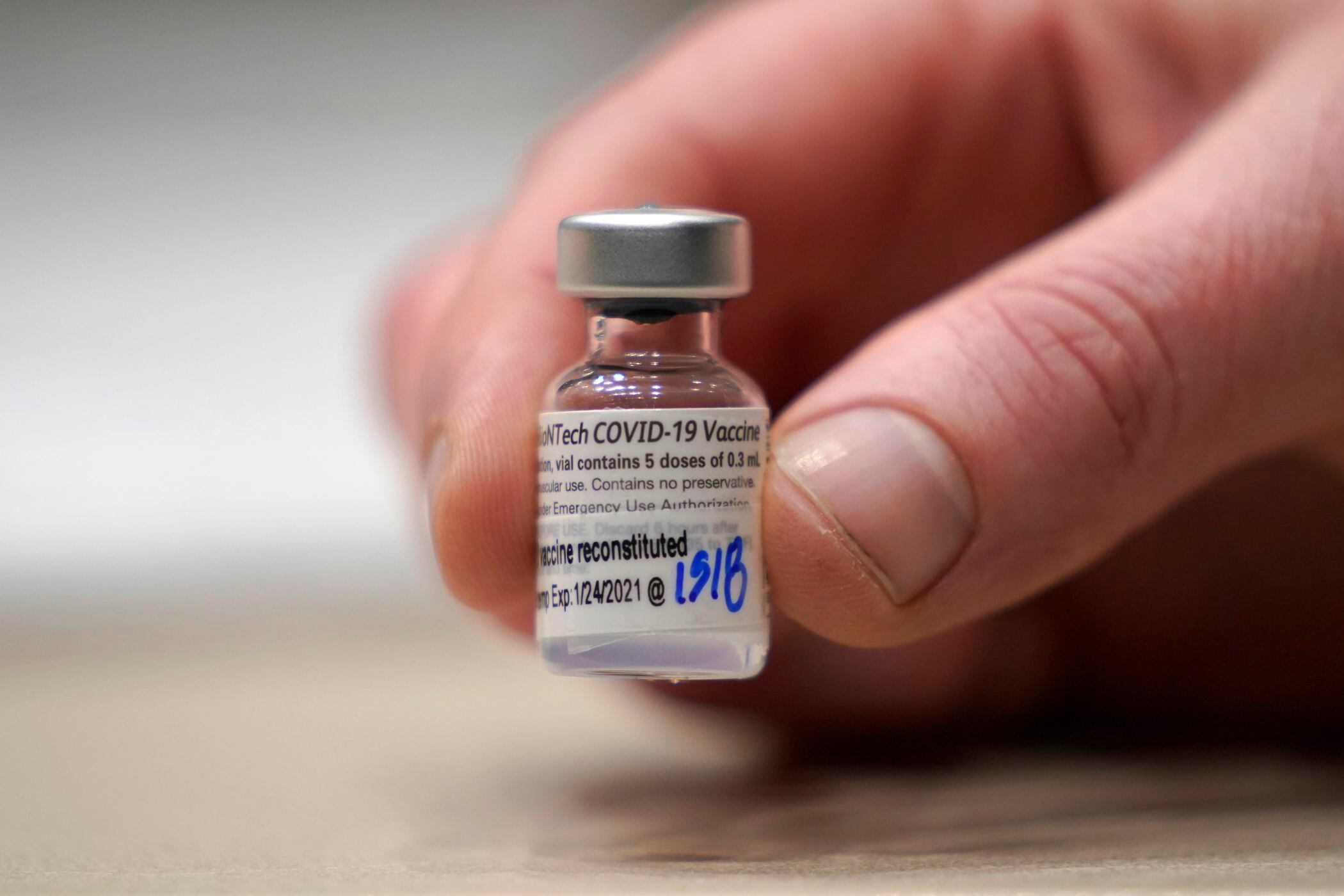
The Food and Drug Administration said Monday the shot is safe and offers strong protection for younger teens based on testing of more than 2,000 U.S. volunteers.
British authorities are seeking to recapture a young minke whale lost far from home in the Thames River after it escaped from rescuers overnight.
From Wall Street to Silicon Valley, these are the top stories that moved markets and had investors, business leaders, and entrepreneurs talking this week on Cheddar.
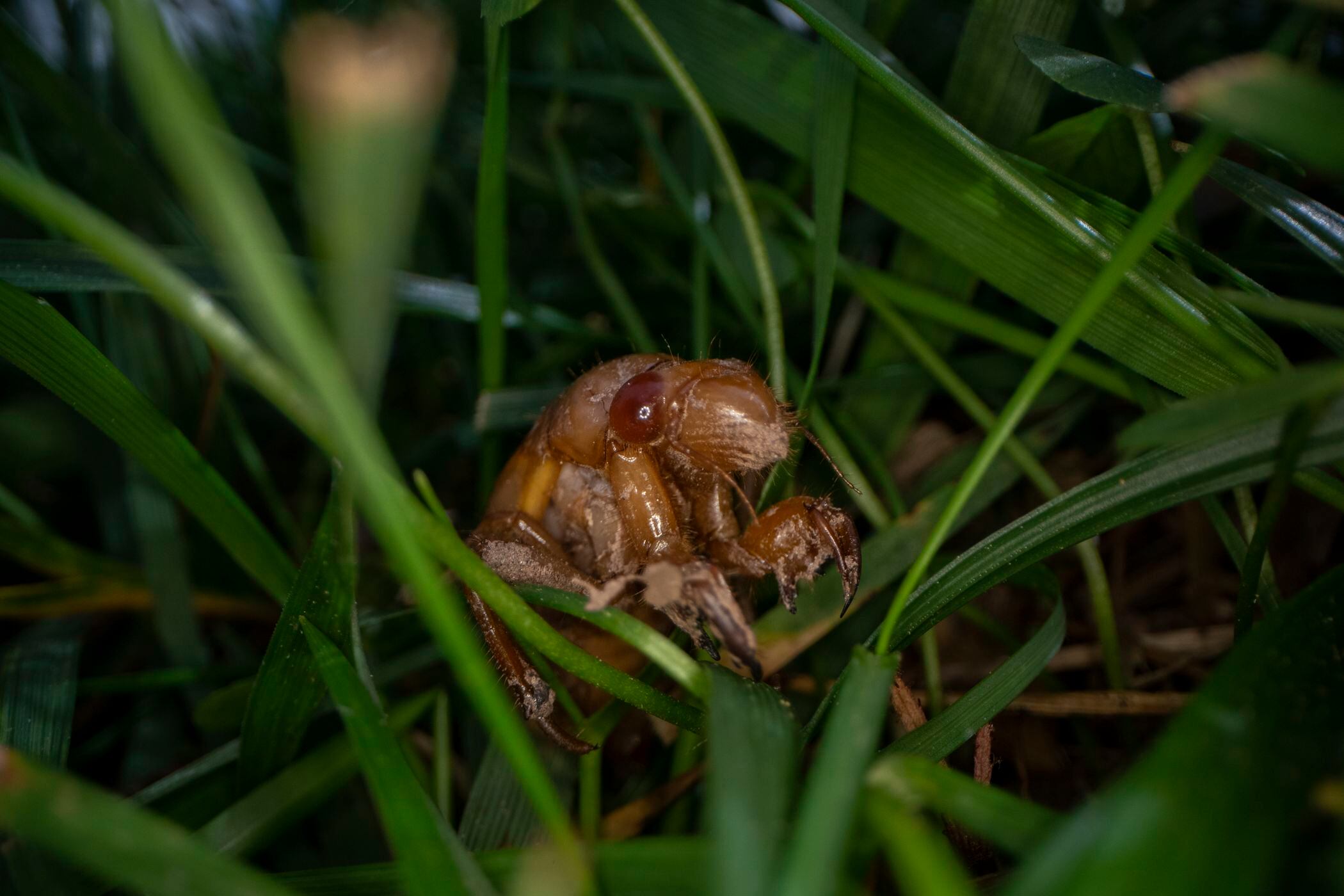
Trillions of cicadas are about to emerge from 15 U.S. states. Scientists say Brood X (as in 10, not the letter) is one of the biggest for these bugs that come out only once every 17 years.
The largest section of the rocket that launched the main module of China’s first permanent space station into orbit is expected to plunge back to Earth as early as Saturday at an unknown location.
Turkey’s shipbreaking yard is located in the town of Aliaga - about 30 miles north of Port Izmir. Usually, this yard breaks down cargo and container ships. But in 2020, it started bringing in another type of vessel. And business is booming.
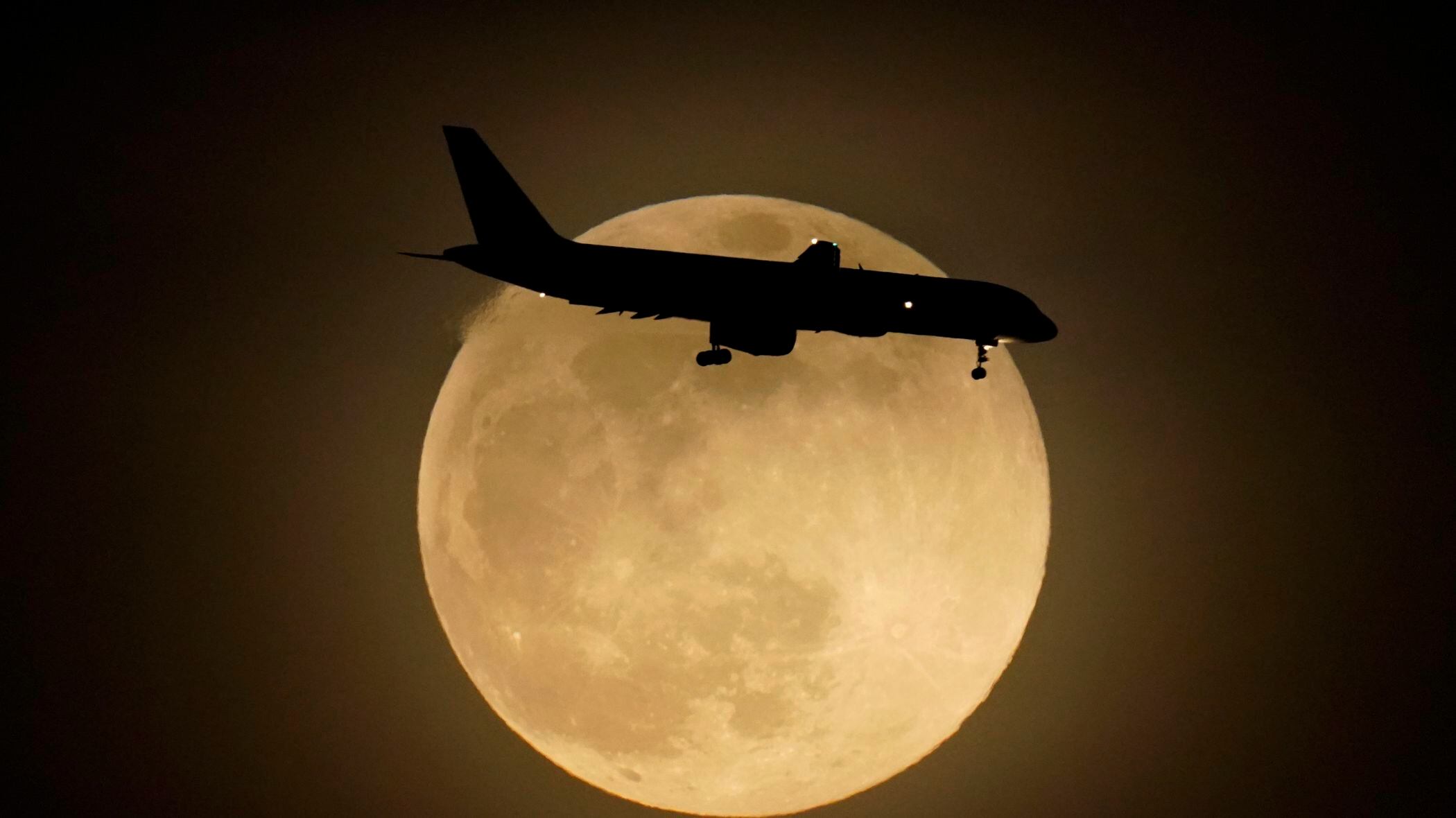
Air travel continues to recover from the pandemic, although it's still not close to normal.
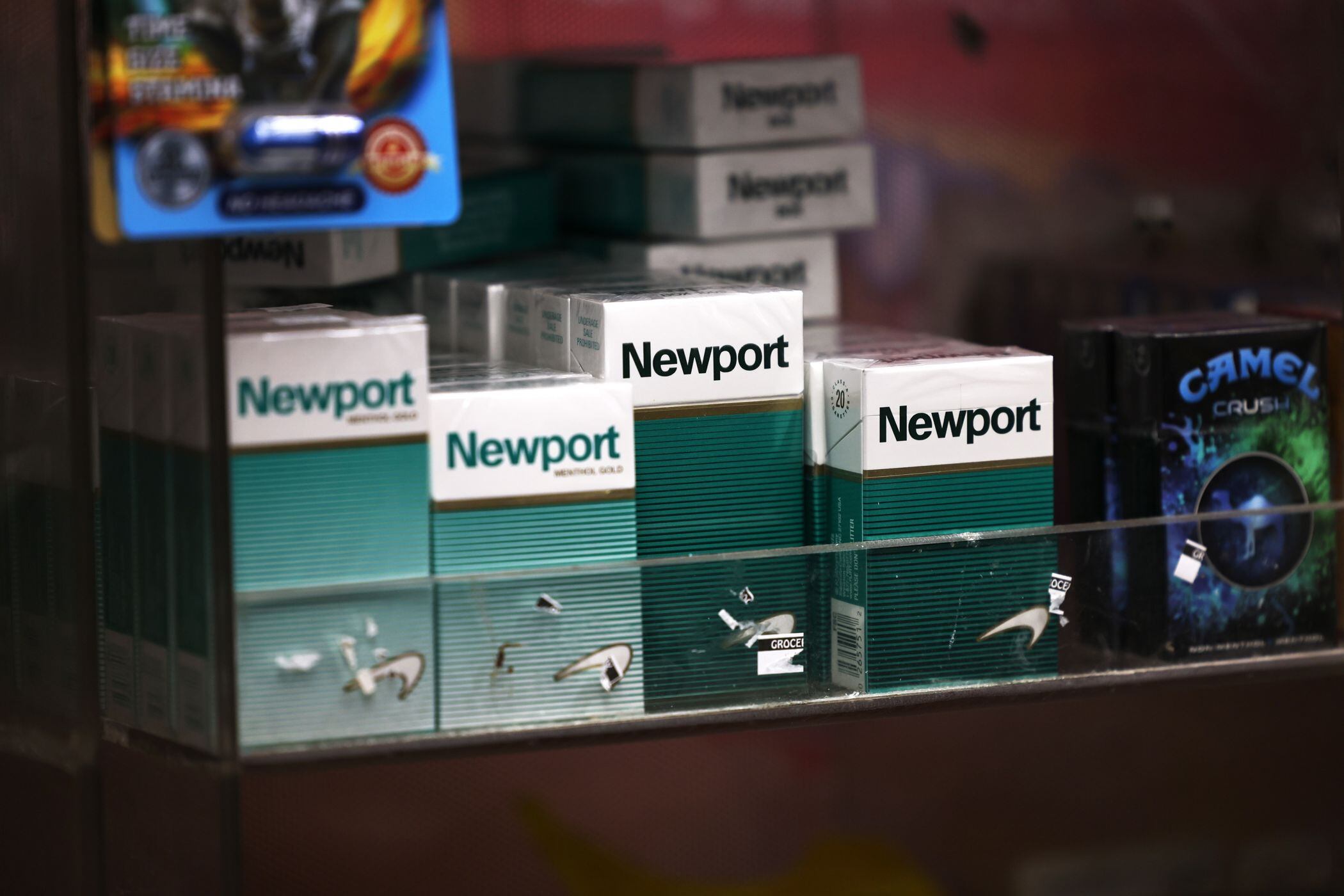
Lincoln Mondy, advocate and filmmaker behind the short film "Black Lives/Black Lungs," talked to Cheddar about the FDA's announcement it will move to ban menthol-flavored cigarettes.
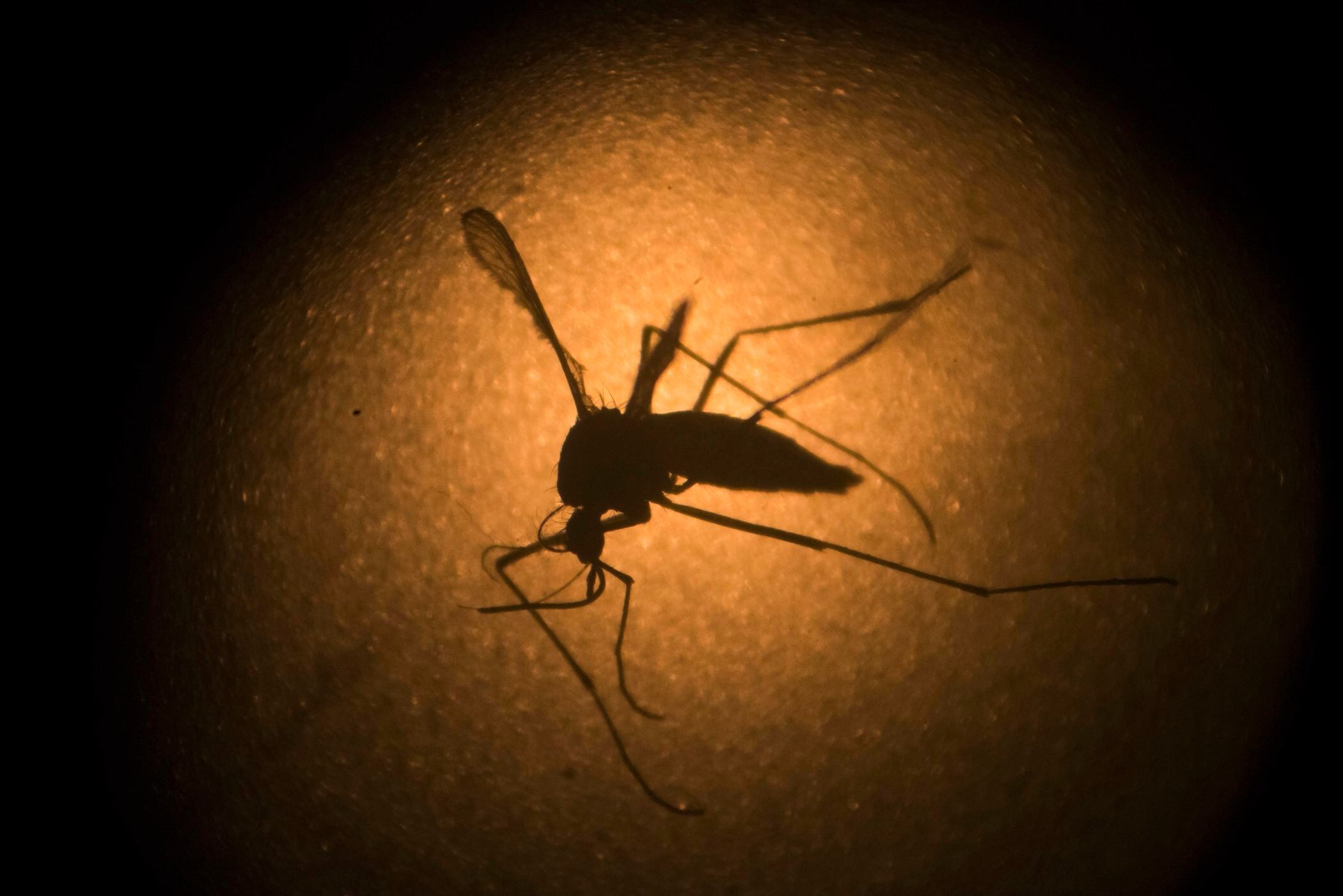
Genetically modified mosquitoes are being released in the Florida Keys in an effort to combat persistent insect-borne diseases such as Dengue fever and the Zika virus.
Disneyland has reopened after a 13-month closure. The iconic theme park in Southern California that was closed under the state's strict virus rules swung open its gates Friday and some visitors came in cheering and screaming with happiness.