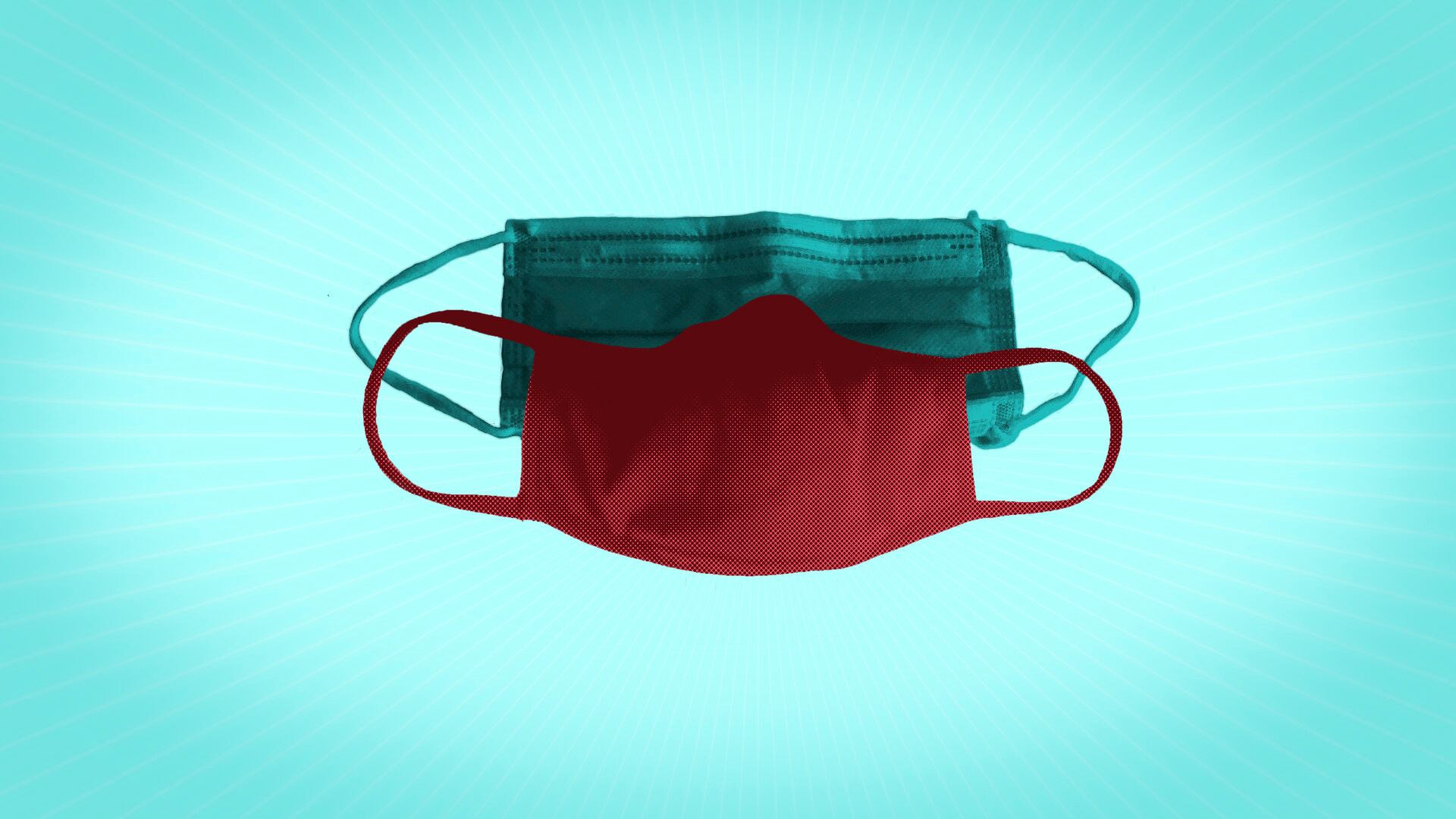
Will wearing two masks better protect me from the virus? AP Illustration/Peter Hamlin
Does wearing two masks provide more protection?
It depends, but it’s possible that doubling up could help in some situations.
The U.S. Centers for Disease Control and Prevention recommends wearing a cloth mask made with two or more layers, and ensuring it covers your nose and mouth. The agency says it should fit snugly so there aren't any gaps at the sides of your face.
Wearing just one mask should be enough for most situations, as long as it fits well and isn't loose, said Dr. David Hamer, an infectious disease expert at Boston University.
“Starting out with a good mask to begin with is going to be key,” Hamer said.
Still, some people might want extra protection if they're at risk for severe illness if infected or will be in situations where they expect to be around others for extended periods, such as on a plane.
One option in scenarios when you want extra protection is to wear a cloth mask as well as a regular surgical mask, said Dr. Monica Gandhi, an infectious disease expert at the University of California, San Francisco.
Gandhi said that combination -- with either mask on top -- could help achieve a similar effect as the N95 mask. She recommended the added protection for people who will be indoors in areas where transmission rates are high — which could reflect the circulation of more contagious variants.
Another option Gandhi and a colleague recommend for situations where you want “maximum” protection: A two-layer cloth mask that has a filter material in between.
With single cloth masks for everyday use, Gandhi noted it's important that they're made of tightly-woven material and have at least two layers, which creates “an obstacle course” that makes it harder for virus-carrying particles to break through.
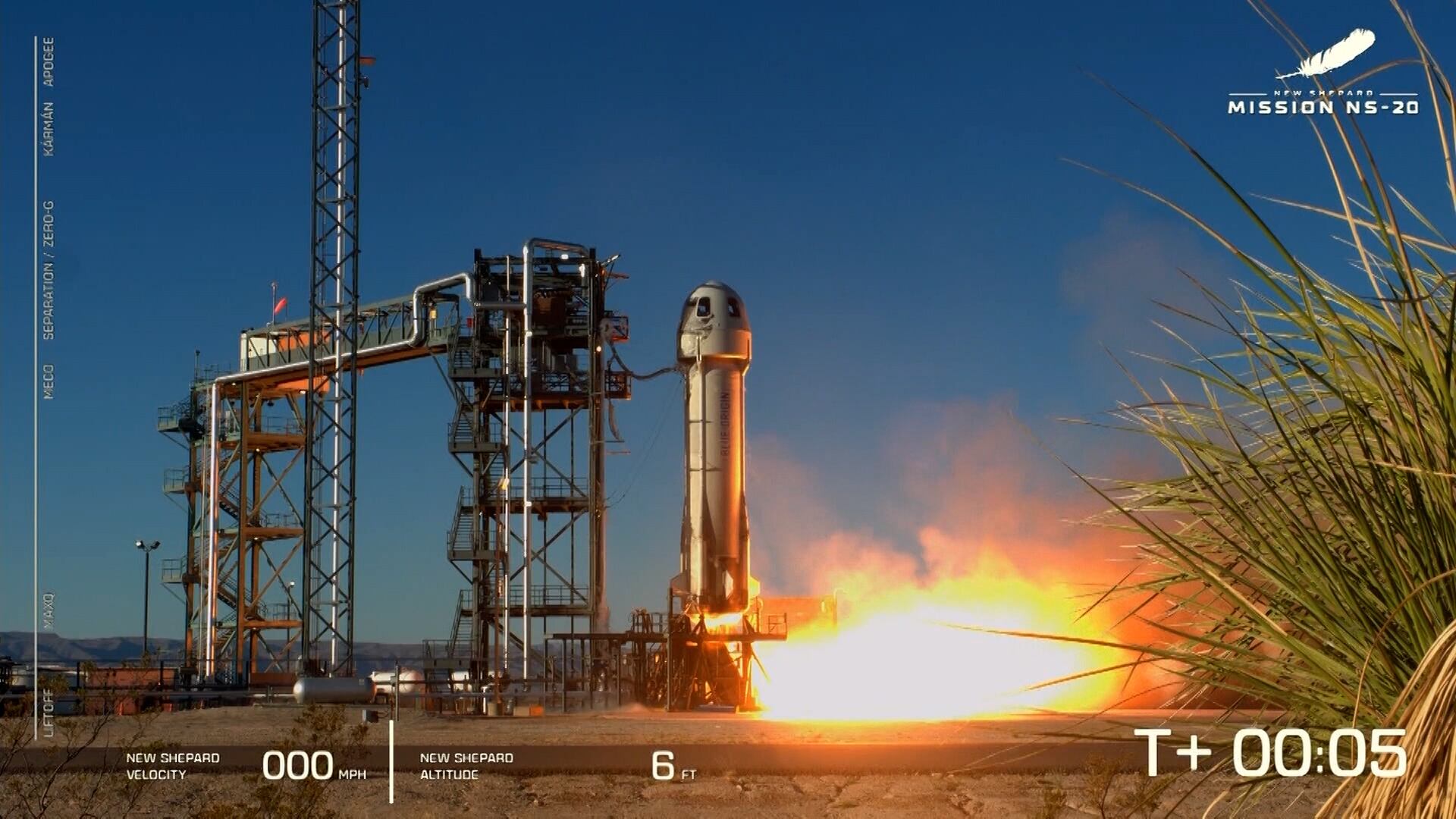
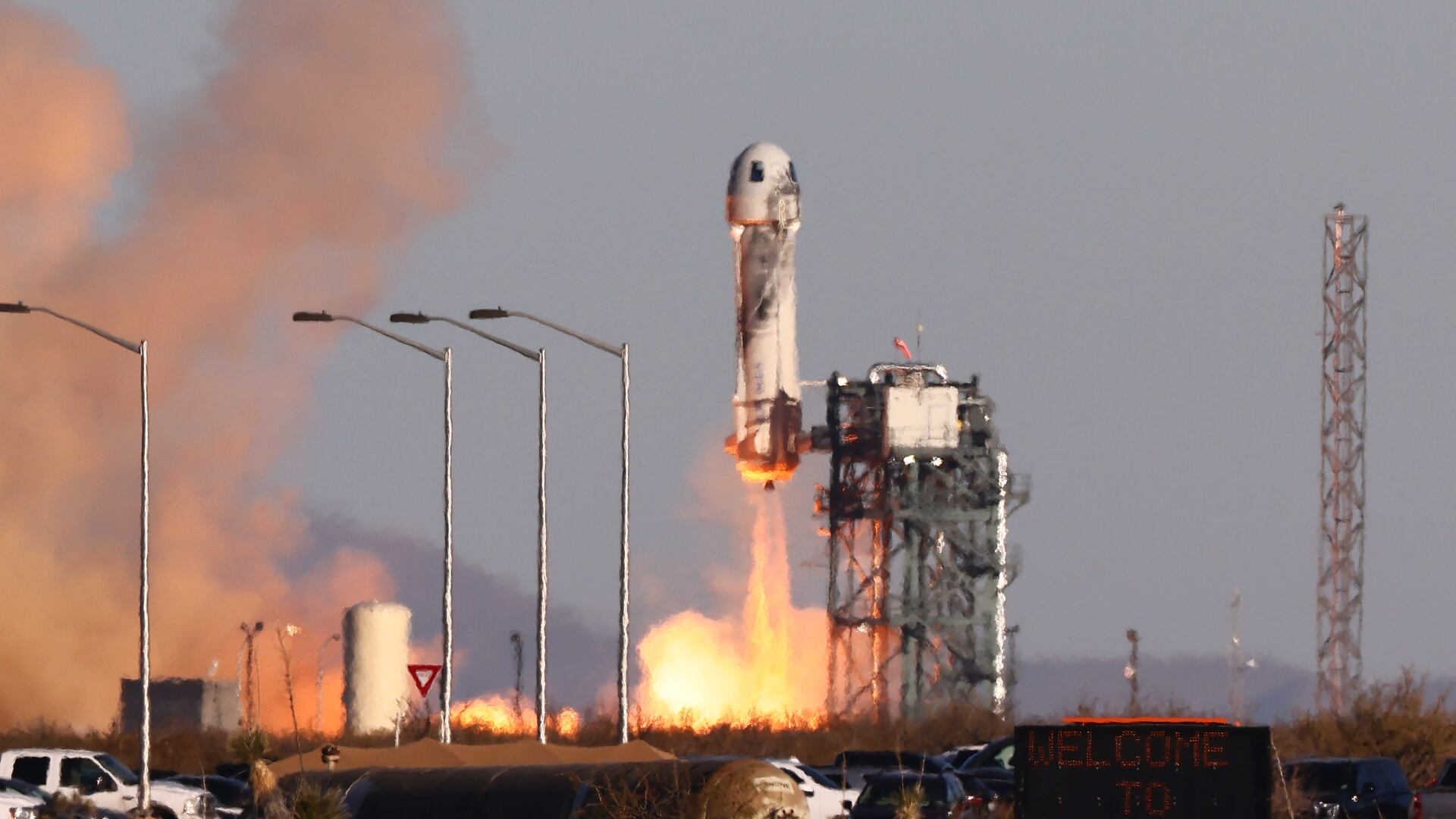
Jeff Bezos’ aerospace company Blue Origin successfully held a fourth civilian launch into space on Thursday. Former NASA Astronaut, Leroy Chiao, joined Cheddar News to talk about the significance of this launch for the future of civilian launches and to discuss the issue of safety. "This is opening space up to more people, raising more awareness, which is good for the entire industry," Chiao said. He also discussed the nature of pricing the tickets for space tourism.
The most popular and most valuable cryptocurrency is also the least eco-friendly - data shows that Bitcoin mining generates the same amount of carbon emissions as the entire country of Thailand. According to nonprofit Fair Planet, 96 million tons of carbon dioxide emissions come from Bitcoin mining every year. Now, a consortium of climate activist groups is calling on the Bitcoin industry to cut its energy use by making changes to its software code. Michael Brune, former executive director of the Sierra Club, joins Cheddar News' Closing Bell to discuss.
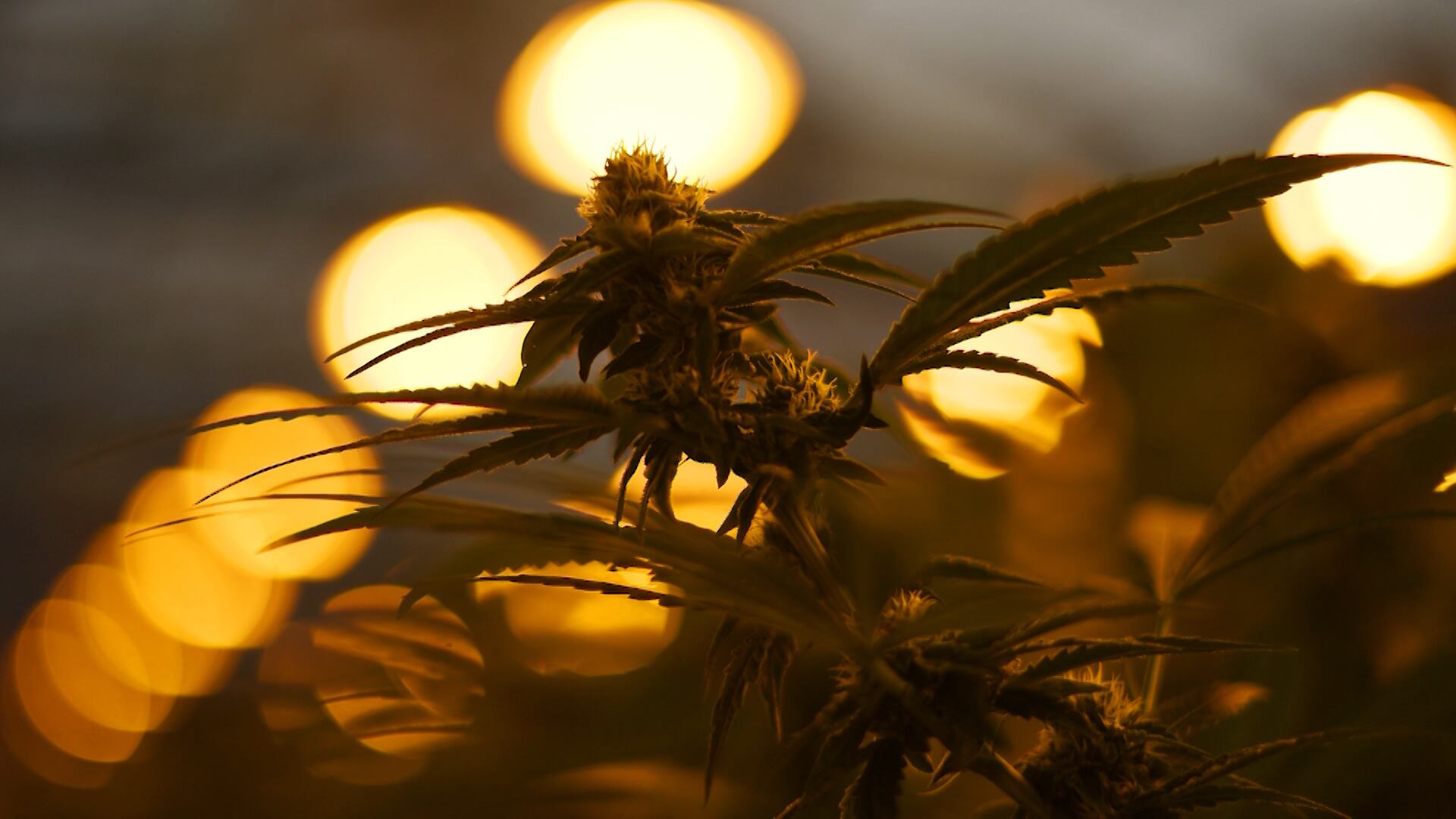
A cannabis software startup is offering a first-of-its-kind perk for its employees - reimbursements for legal cannabis purchases. Jointly Better bills itself as an experience-based cannabis wellness tracker and product platform. In an attempt to attract top talent, the company will reimburse up to $150 a month for its workers' lawful cannabis purchases. David Kooi, co-founder and CEO of Jointly, joins Cheddar News' Closing Bell to discuss.
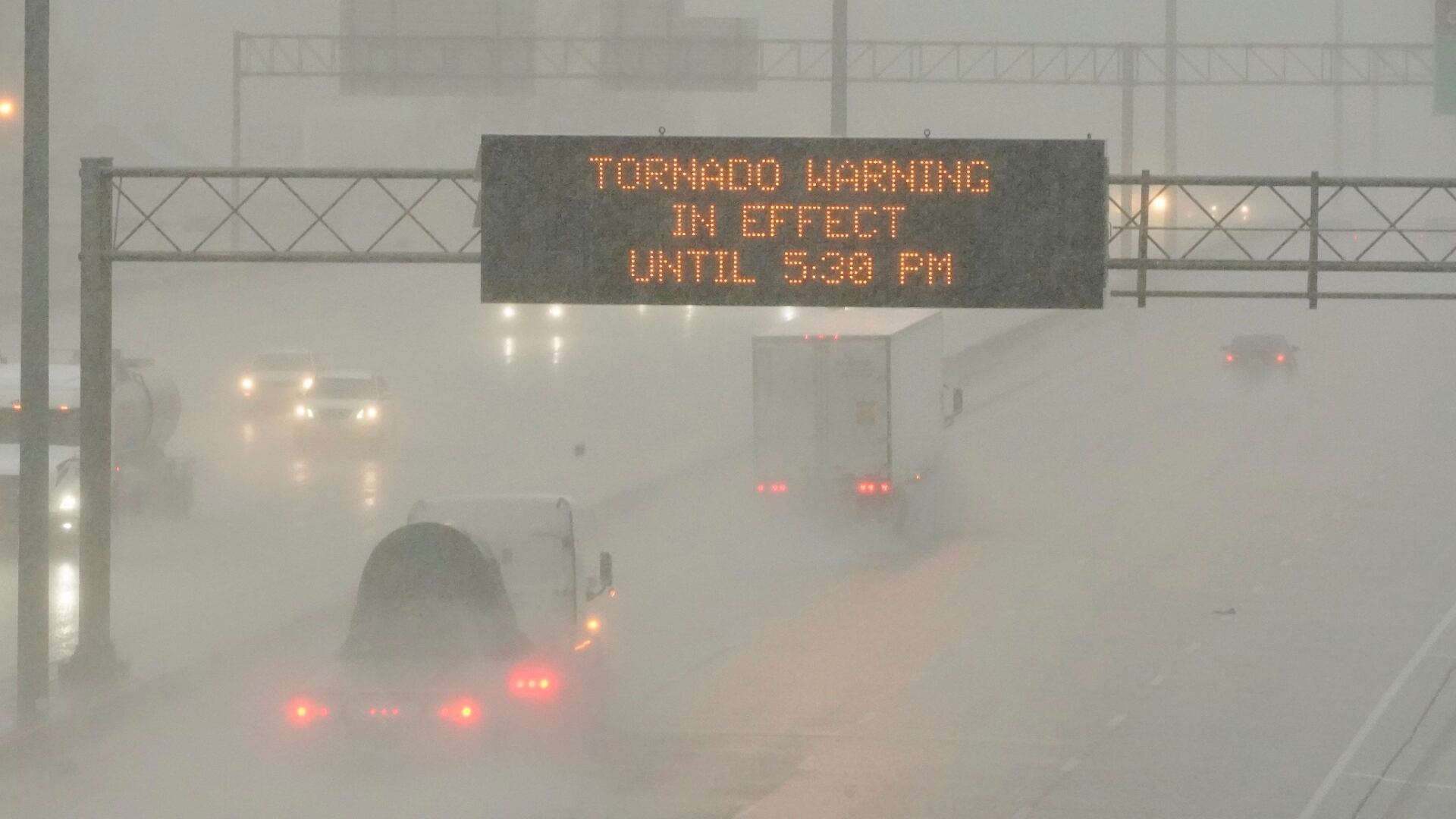
Catching you up on what you need to know on Mar 31, 2022, with updates on Biden's push for more COVID funding, a wave of storms hammering the South, Etsy sellers going on strike, and more.
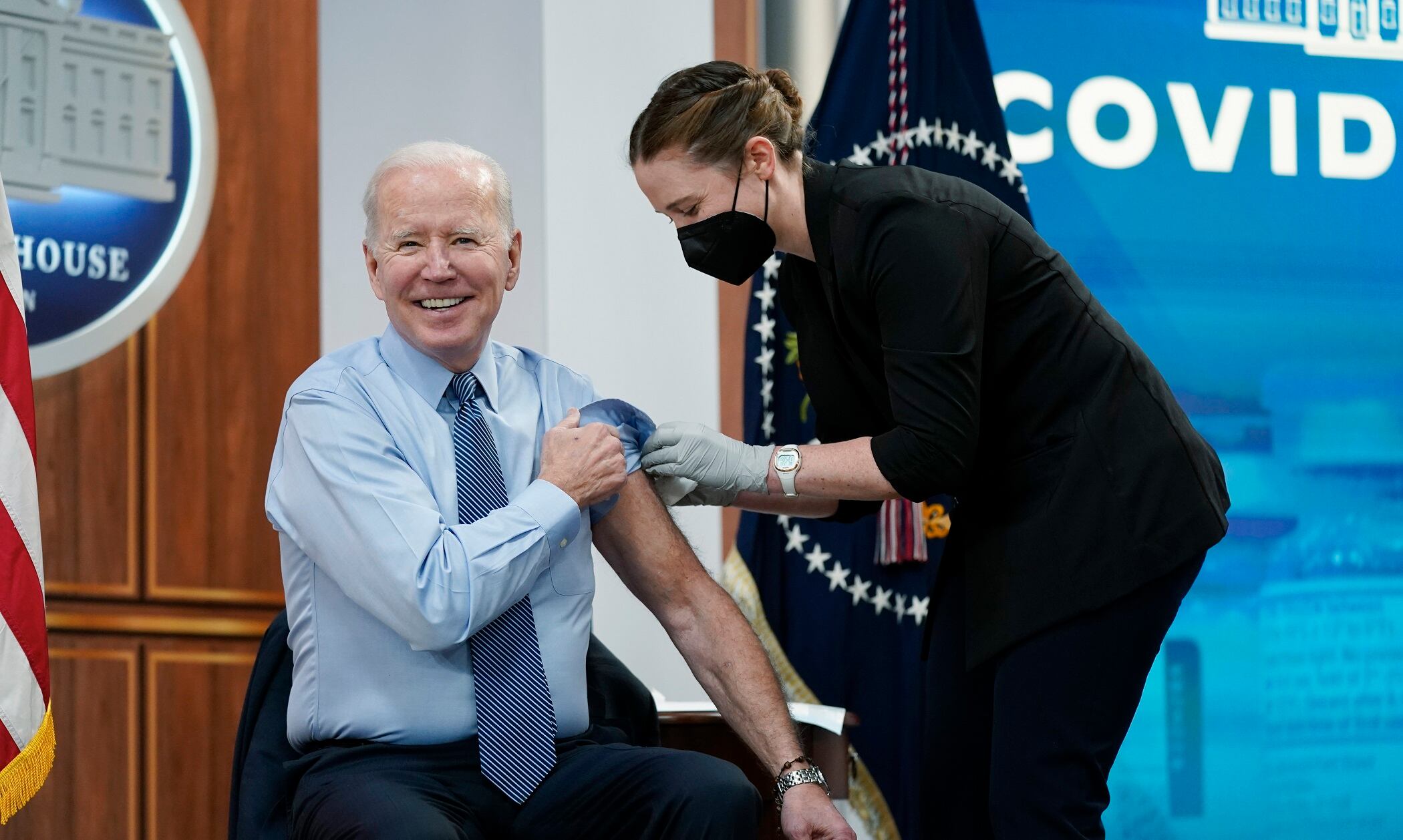
President Joe Biden has gotten a second booster dose of the Pfizer COVID vaccine, and he used the occasion Wednesday to call on Congress to pass billions of dollars in additional funding to fight the pandemic.
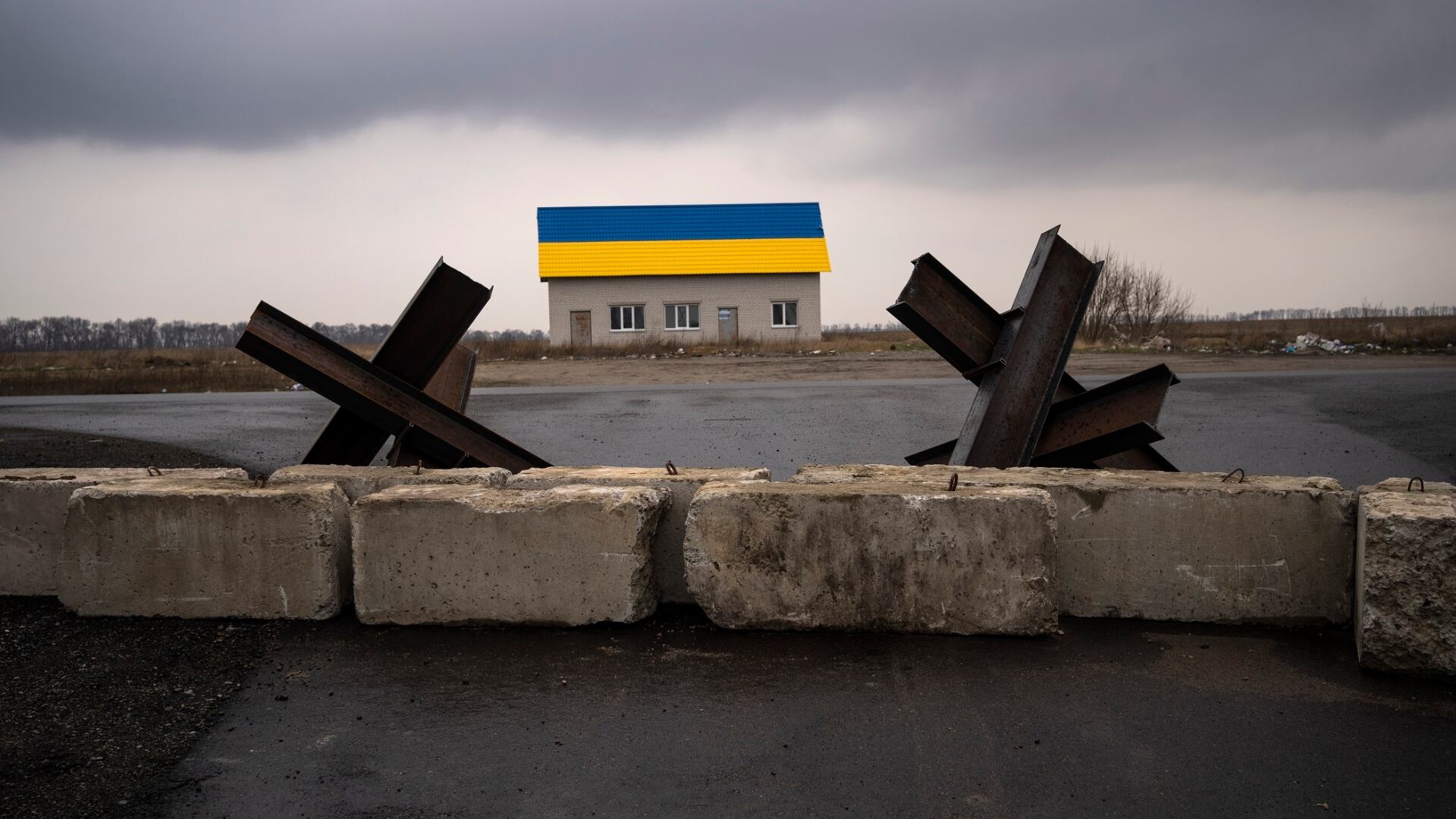
Catching you up on what you need to know on March 30, 2022, with updates on what is happening in Kyiv, the FDA releases plans for a fourth dose of COVID vaccines, COVID subvariant BA.2 becomes dominant variant in the U.S., employees at Conde Nast form a union, and more.
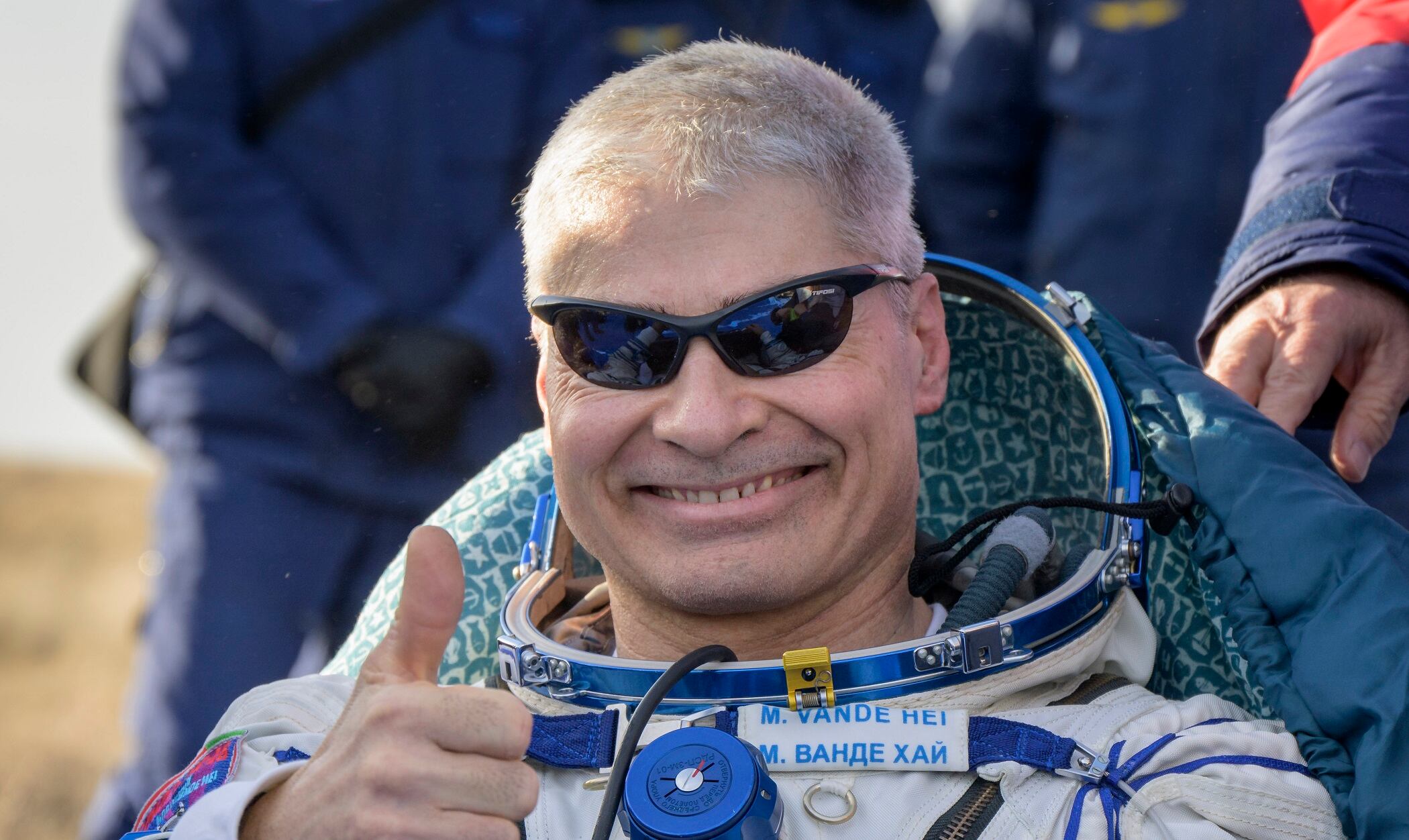
A NASA astronaut is back on Earth after a yearlong, record-setting spaceflight. He caught a Russian ride from the International Space Station on Wednesday with two cosmonauts.
Blue Origin is gearing up for its first launch of the year, set for March 31st, but it's not the only one. NASA is also days away from making history with its first private mission to the International Space Station. Three amateur astronauts, who have each paid about $55 million for their seat, will reach the ISS and spend eight days at the off-earth outpost. Jim Cantrell, CEO and co-founder of Phantom Space, joins Cheddar News to discuss what the future of space tourism may look like.