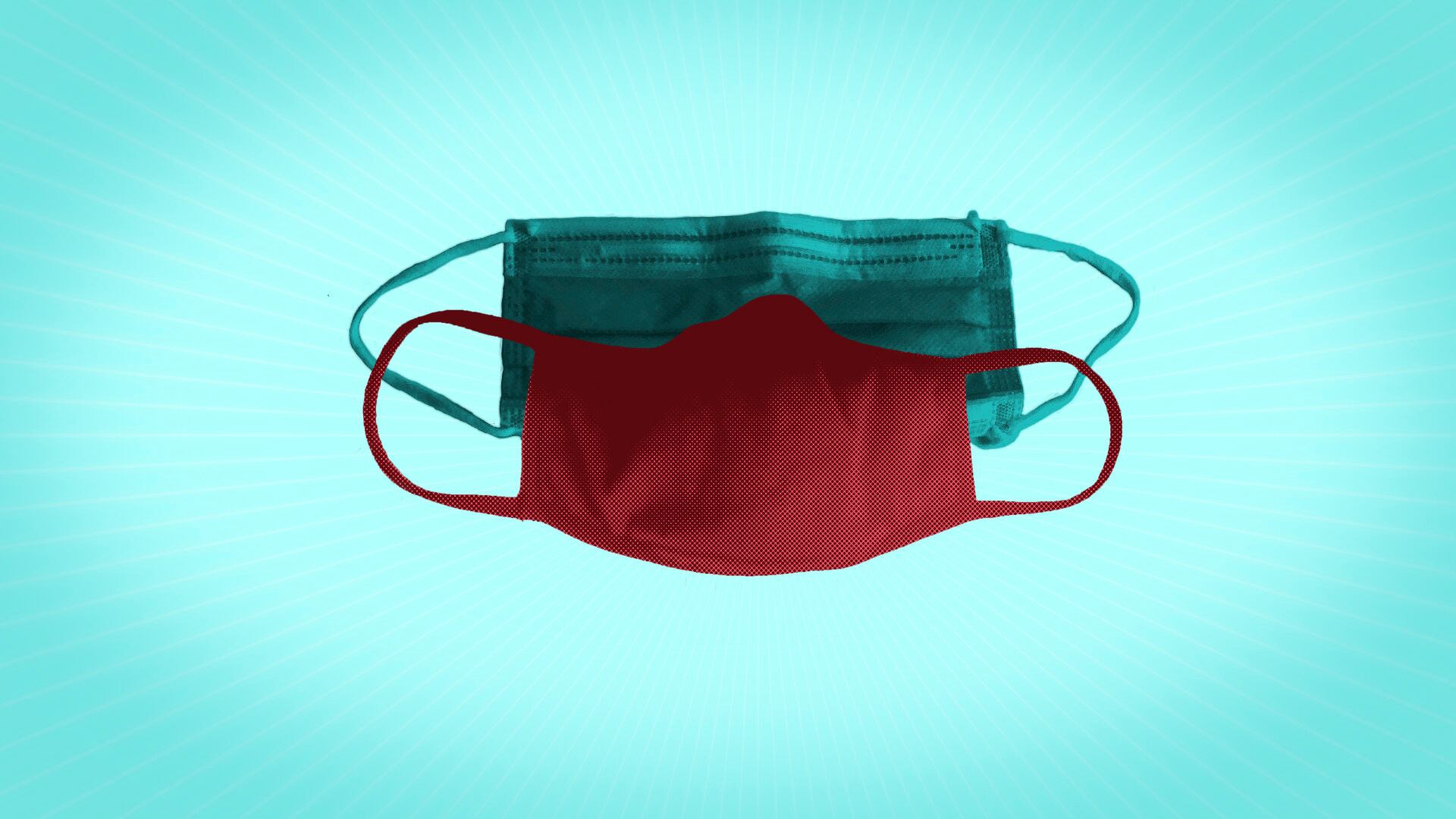
Will wearing two masks better protect me from the virus? AP Illustration/Peter Hamlin
Does wearing two masks provide more protection?
It depends, but it’s possible that doubling up could help in some situations.
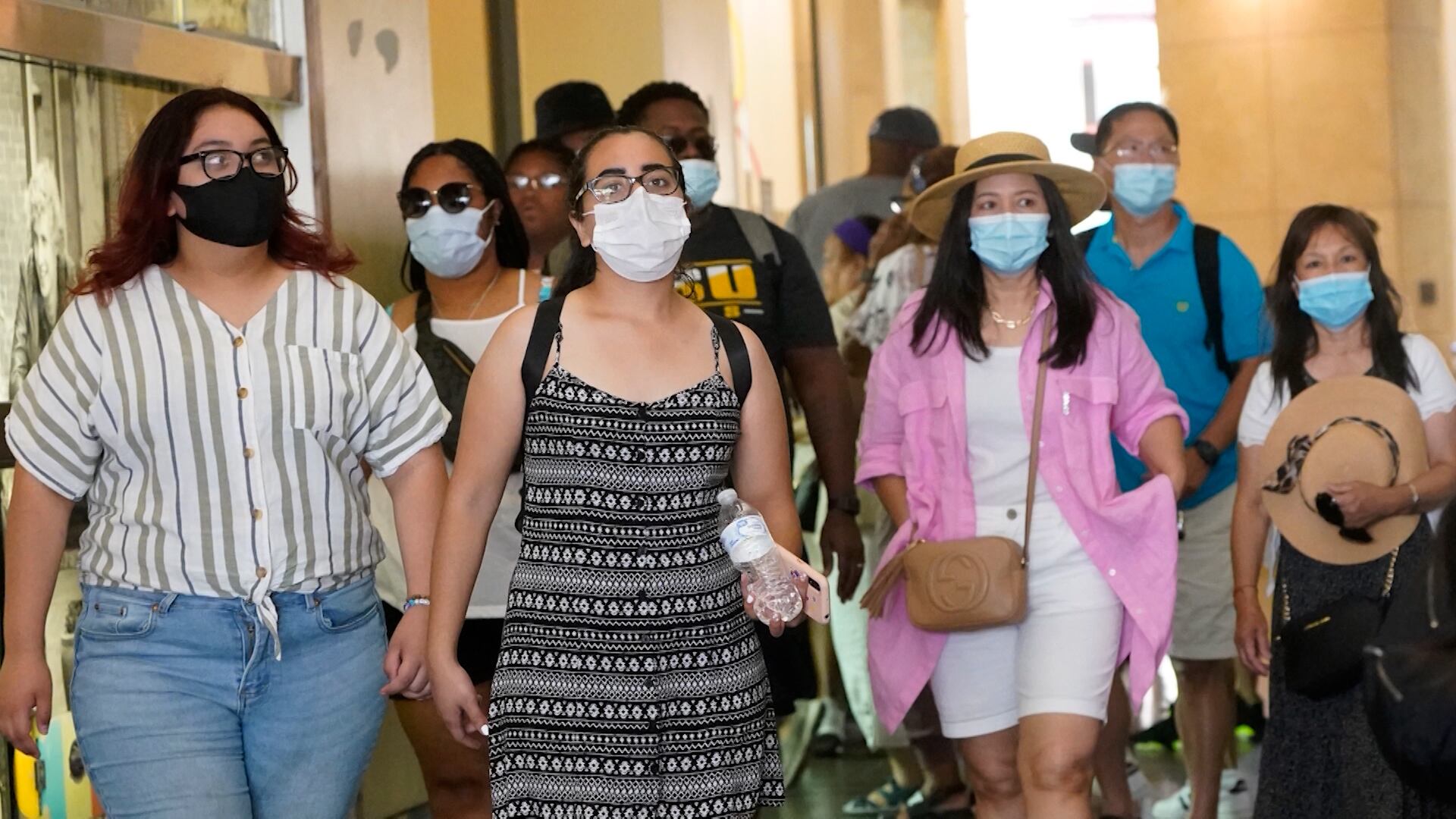
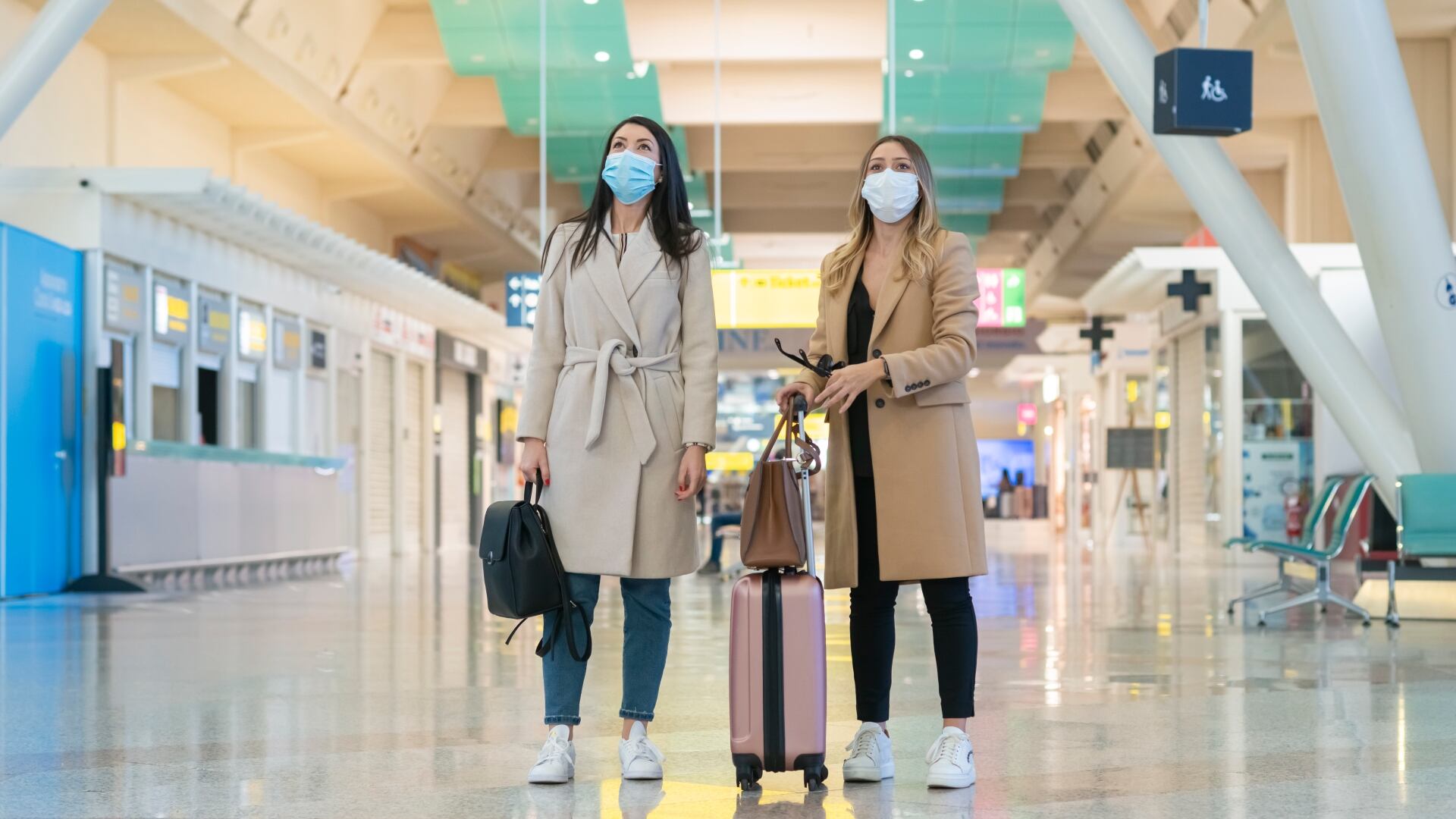
The U.S. Centers for Disease Control and Prevention recommends wearing a cloth mask made with two or more layers, and ensuring it covers your nose and mouth. The agency says it should fit snugly so there aren't any gaps at the sides of your face.
Wearing just one mask should be enough for most situations, as long as it fits well and isn't loose, said Dr. David Hamer, an infectious disease expert at Boston University.
“Starting out with a good mask to begin with is going to be key,” Hamer said.
Still, some people might want extra protection if they're at risk for severe illness if infected or will be in situations where they expect to be around others for extended periods, such as on a plane.
One option in scenarios when you want extra protection is to wear a cloth mask as well as a regular surgical mask, said Dr. Monica Gandhi, an infectious disease expert at the University of California, San Francisco.
Gandhi said that combination -- with either mask on top -- could help achieve a similar effect as the N95 mask. She recommended the added protection for people who will be indoors in areas where transmission rates are high — which could reflect the circulation of more contagious variants.
Another option Gandhi and a colleague recommend for situations where you want “maximum” protection: A two-layer cloth mask that has a filter material in between.
With single cloth masks for everyday use, Gandhi noted it's important that they're made of tightly-woven material and have at least two layers, which creates “an obstacle course” that makes it harder for virus-carrying particles to break through.
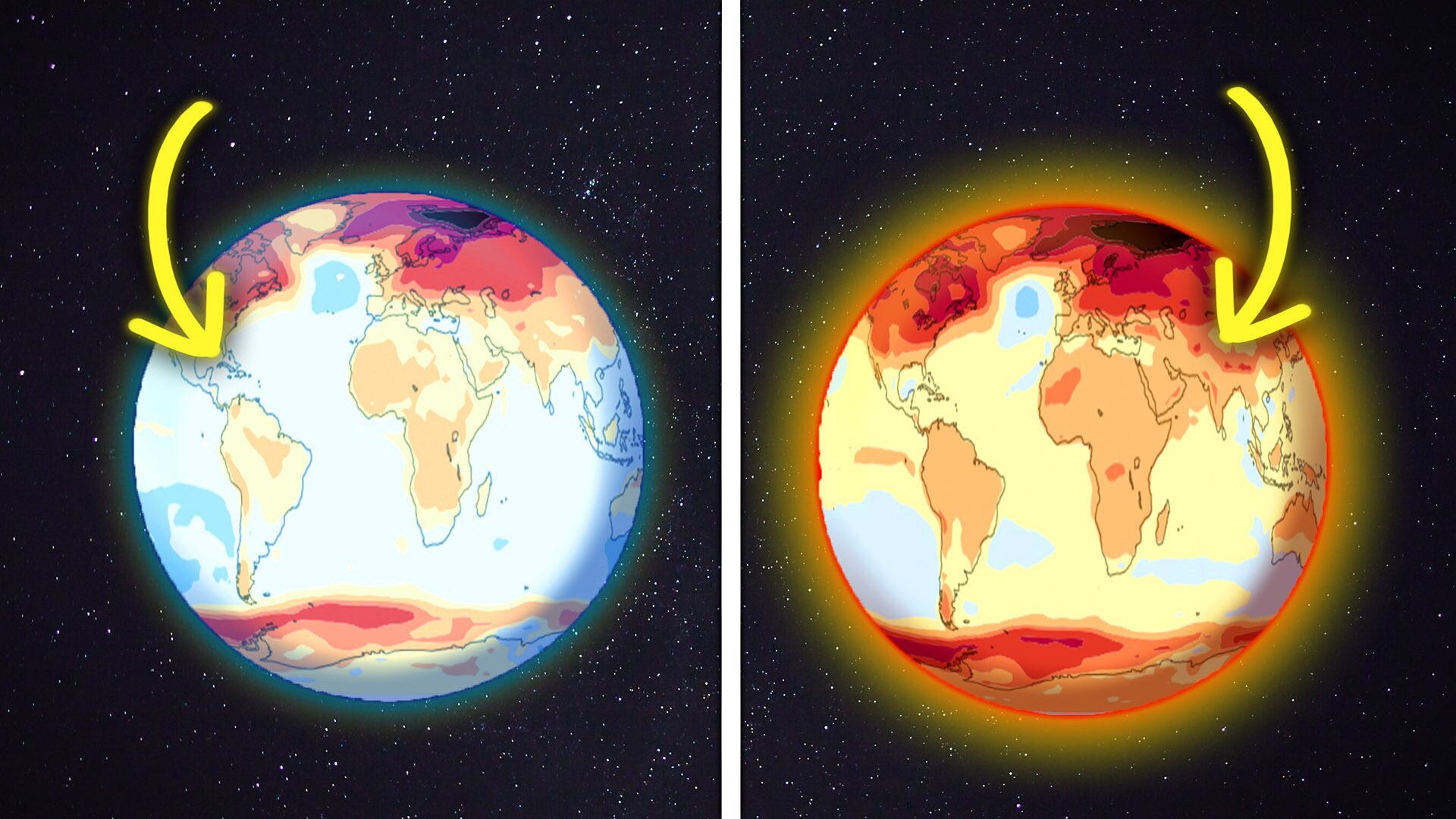
In 2015, 193 parties signed the Paris Agreement. In doing so, they agreed to pursue efforts to limit the average global temperature increase to 1.5° Celsius - or 2.7 degrees Fahrenheit -above pre-industrial levels. To be clear, our planet is already 1.1 degrees hotter than it was 150 years ago. But most scientists agree that an increase of just .4 more degrees will drastically change the world. However, it would continue to be livable. Things do get murky, though, as the projections increase above that.
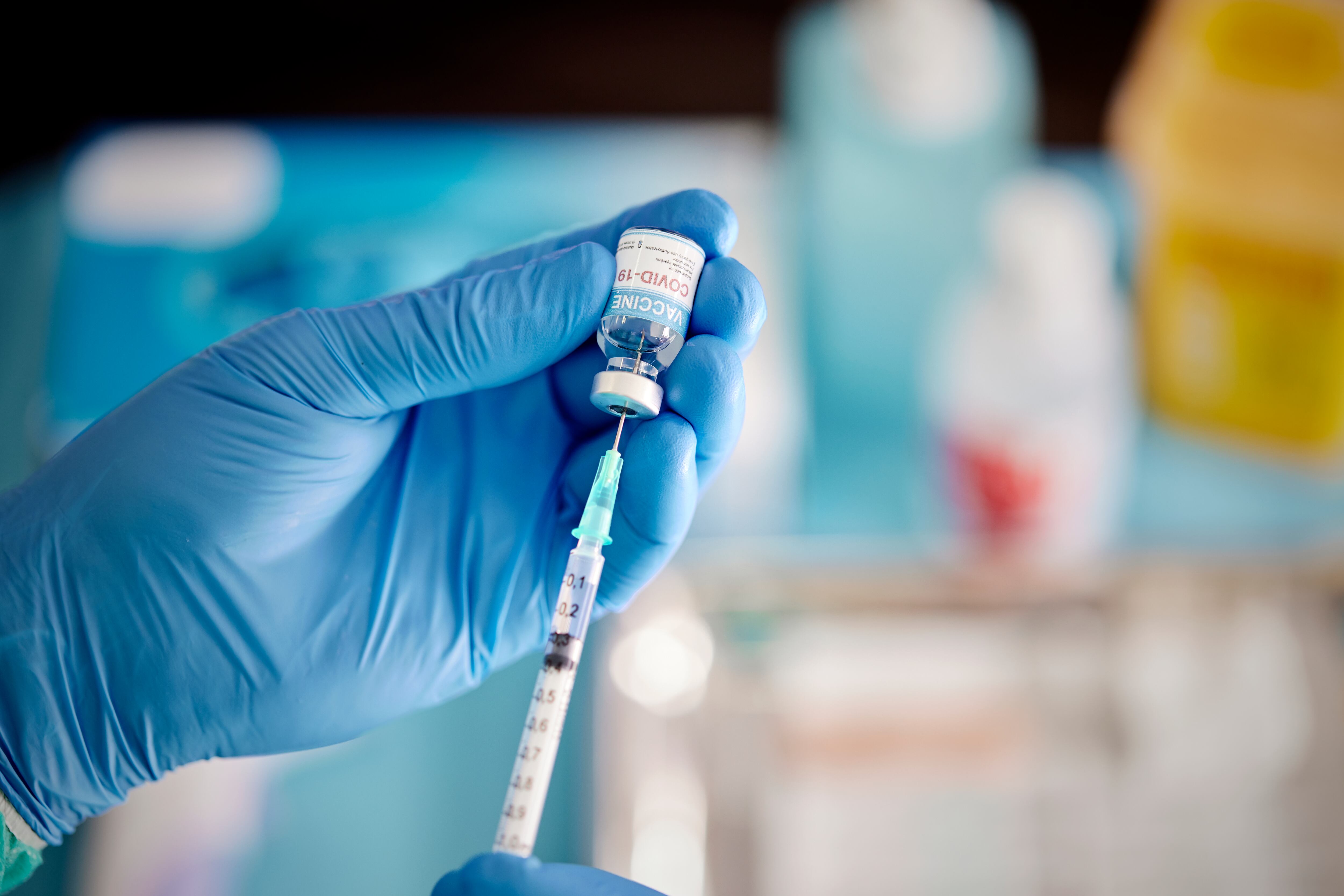
Dr. Jen Caudle, family physician and associate professor at Rowan University, joined Cheddar to break down how people can protect themselves and family amid the uncertainty of the new Omicron COVID-19 variant. Caudle emphasized the importance of getting vaccinated against COVID-19 with so much still uncertain about the pandemic. "We have to remember delta variant is still here in the United States," she said. "We're still losing too many people every single day to this virus."
Jill and Carlo discuss what appears to be the beginning of the end of Roe v. Wade, another victim dies following the school shooting in Michigan, Omicron in the U.S., Trump's Covid chronology and more.
Was it a coincidence that the omicron coronavirus variant evolved in a region with low vaccination rates? Cheddar speaks with epidemiologist Dr. Eric Feigl-Ding on the topic.
Astra founder, chairman, and CEO Chris Kemp spoke to Cheddar's Kristen Scholer about his company's first successful launch into orbit last month, becoming the fastest space company to reach orbit using a privately developed liquid-fueled rocket. He also noted that the company's priority is to "improve life on Earth from space" by rapidly increasing the number of low-orbiting satellites to do everything from connecting people to monitoring weather patterns.
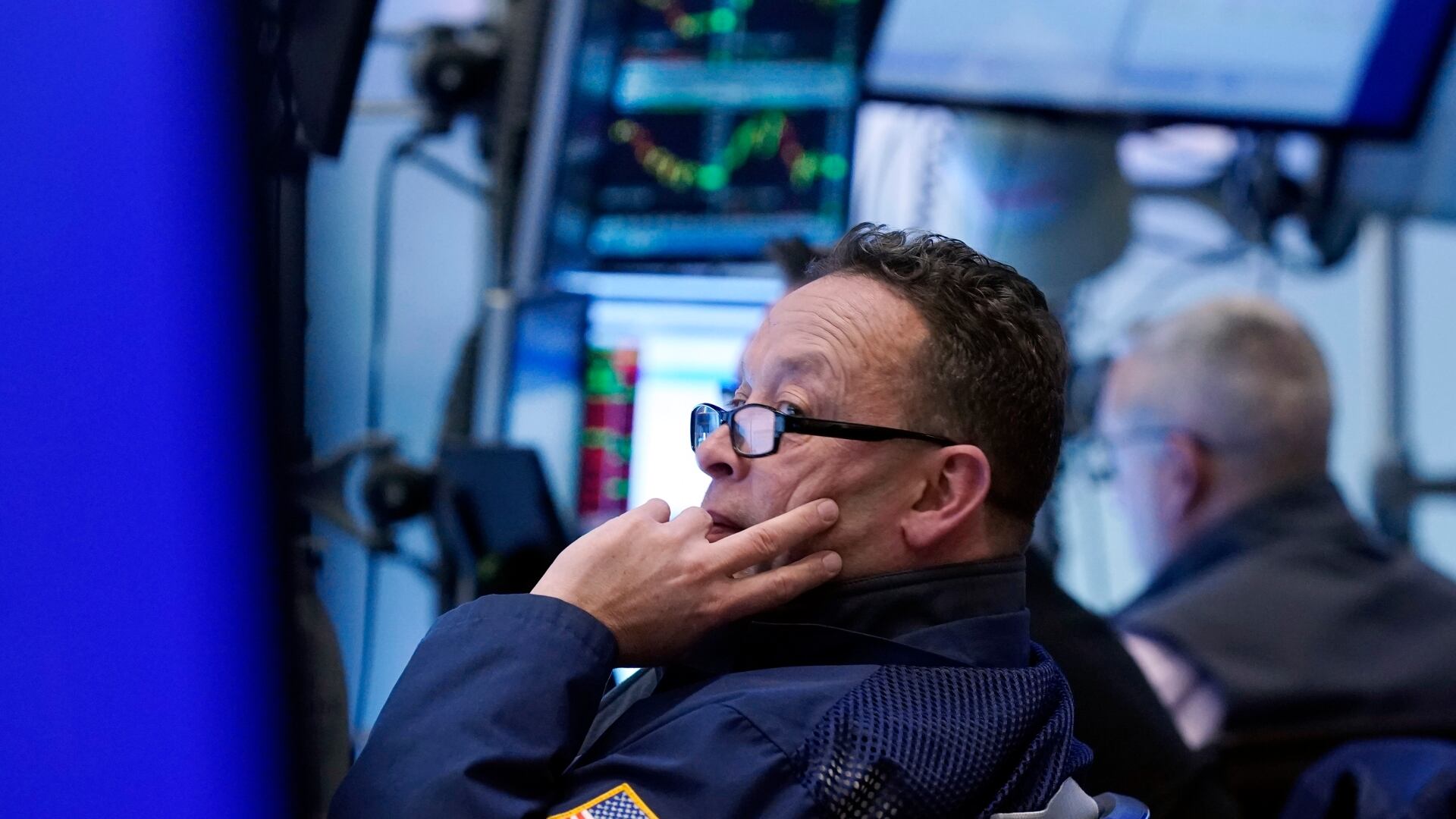
Stocks closed at session lows Wednesday as investors grew skittish over the first reported case of the COVID-19 omicron variant in California. Josh Sailar, Partner at Blue Zone Wealth Advisors, joins Cheddar News' Closing Bell to discuss investor worry over the new variant, the Fed dropping the word 'transitory' to describe inflation and potentially speeding up their asset tapering timeline, 2022 predictions, and more.
As cases of the COVID-19 Omicron variant continue to pop up, including the first U.S. case in California, how will domestic holiday travel be impacted? That part of the travel sector has mostly recovered from the year-long pandemic rout, while business travel continues its slump. But could a new variant bring new lockdowns and domestic restrictions? Clint Henderson, Senior News Editor at The Points Guy, joins Cheddar News' Closing Bell to discuss what the omicron variant means for holiday travel, best practices for passengers traveling through airports, and more.
Over the Thanksgiving holiday, Elon Musk warned SpaceX employees in a leaked email that the company could be forced to file Chapter 11 bankruptcy if its raptor engine program fails. Musk then commented on the previous statement adding the detail that a recession could make such a bankruptcy possible.