Does Robinhood Crypto Present a Threat to Coinbase?
Robinhood may be super popular with millennial traders, but it won’t overthrow Coinbase in the crypto world.
That’s according to Adam Draper, founder and managing director at start-up accelerator Boost VC. Also a Coinbase investor, he says he doesn’t view the companies as competing platforms.
“If you think long-term, they’re both looking at [trading digital coins] from completely different sides,” he told Cheddar. “Robinhood is coming at it from an asset management side, where Coinbase is coming at it from a crypto platform side.”
Robinhood Crypto went live in five states Thursday, offering zero-fee trading and promising a roll out more broadly in the coming months.
While some argue the no-commission strategy could take share away from Coinbase, Draper says the platform has a different target audience.
“With Coinbase Custody, they’re rolling out to institutional investors,” he said. “Robinhood is much more focused on the consumer, millennial generation.”
For the full interview, [click here](https://cheddar.com/videos/what-robinhoods-crypto-trading-means-for-coinbase).
Daniel Folkman, senior vice president of business at Gopuff, joined Cheddar to talk about the company's year of hypergrowth in 2021, particularly amid the COVID-19 pandemic, and what consumers can expect from the quick delivery market in 2022. He noted that the company's delivery sector performed at a high level this year but its e-commerce business is still in its infancy, with less than 10 percent of customers purchasing items sold by Gopuff. Folkman also talked about production expansion, including freshly-made pizza and milkshakes that people can order along with their cleaning supplies.
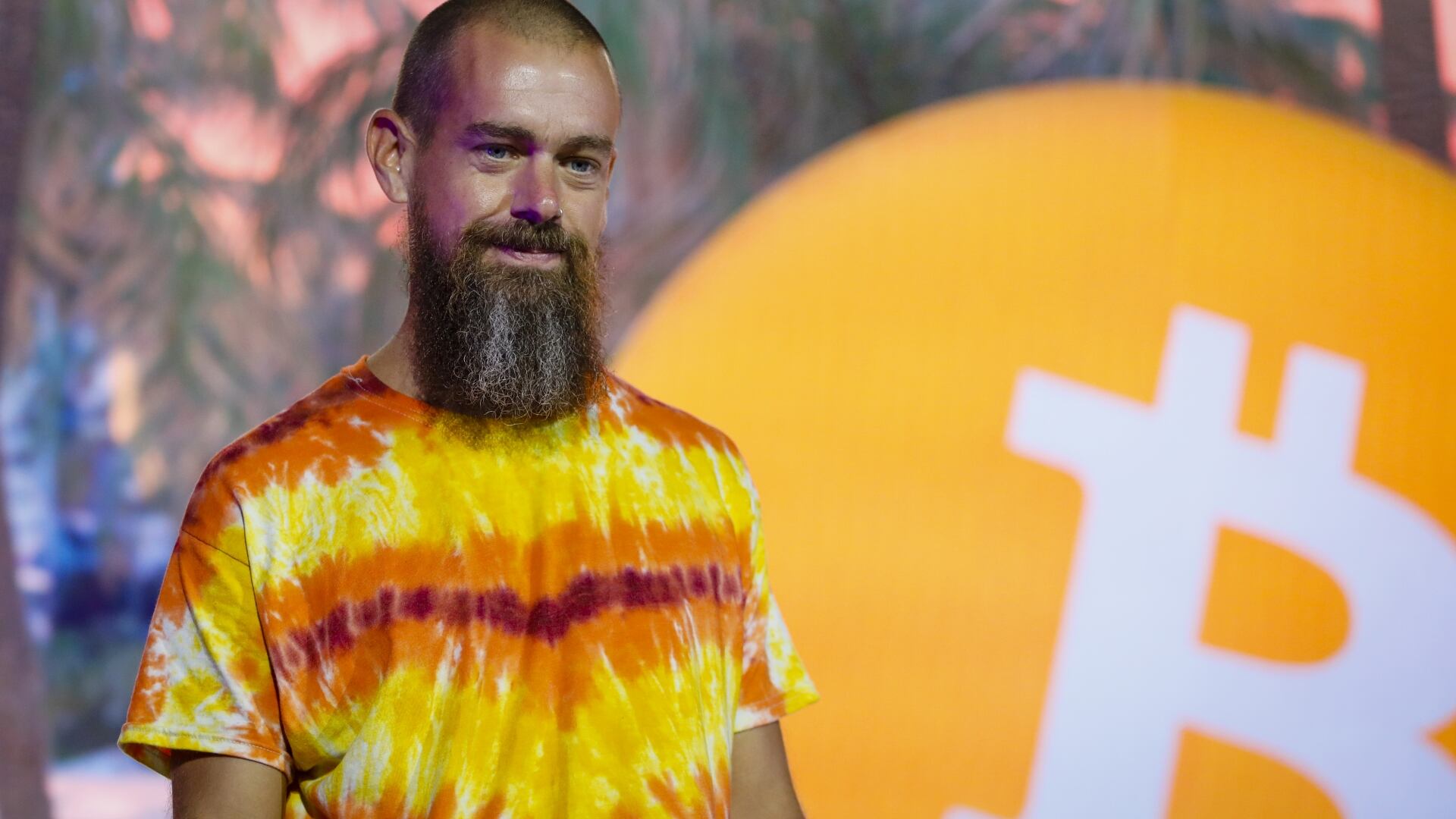
Venture capitalists and CEOs are clashing over the future of the internet. Web3 is the tech world's name for a decentralized, blockchain-based internet that runs on cryptocurrency. It was recently the topic of a tweet from Block CEO and former Twitter CEO Jack Dorsey who wrote that Web3 will not actually be owned by users, and instead be controlled by rich venture capitalists. Dorsey later shared that he was blocked on Twitter by Marc Andreesen, co-founder of VC firm Andreesen Horowitz, which has invested billions of dollars into Web3 and crypto projects. Correspondent for DealBook from the New York Times, Ephrat Livni, joins Cheddar News' Closing Bell to discuss what this could mean for the future of Web3.