Actress Cynthia Nixon may stand a chance in her bid to be the Democratic nominee for New York Governor if she positions herself to the left of rival Andrew Cuomo.
That’s according to Erin Delmore, Senior Political Correspondent at Bustle.
“[She] is one of the only people who can credibly come in and get all this fundraising and leverage all of her connections and beat a two-term incumbent with a family legacy in New York politics,” explained Delmore.
Nixon is doing that by “staking out the more progressive, more Democratic side of the ticket,” focusing on issues that New Yorkers feel “very strongly” about, such as the subway and the public schools system. Plus, her star power will only give her a wider appeal.
Nixon, known for her role as Miranda Hobbes on HBO’s “Sex and the City,” announced her candidacy for the primary on Monday, taking on fellow Democrat Andrew Cuomo, who’s been in office since 2011. If she were to win, she would become New York’s first female and first openly gay governor.
However, her celebrity status could be a drag on her campaign. New York may be reluctant to throw its weight behind another celebrity in the era of President Trump. And whether her star shines quite so bright outside the city remains to be seen.
Additionally, Nixon’s lack of experience would run up against Cuomo’s strong track record with Democrats in the state, having implemented a minimum wage increase and paid family leave.
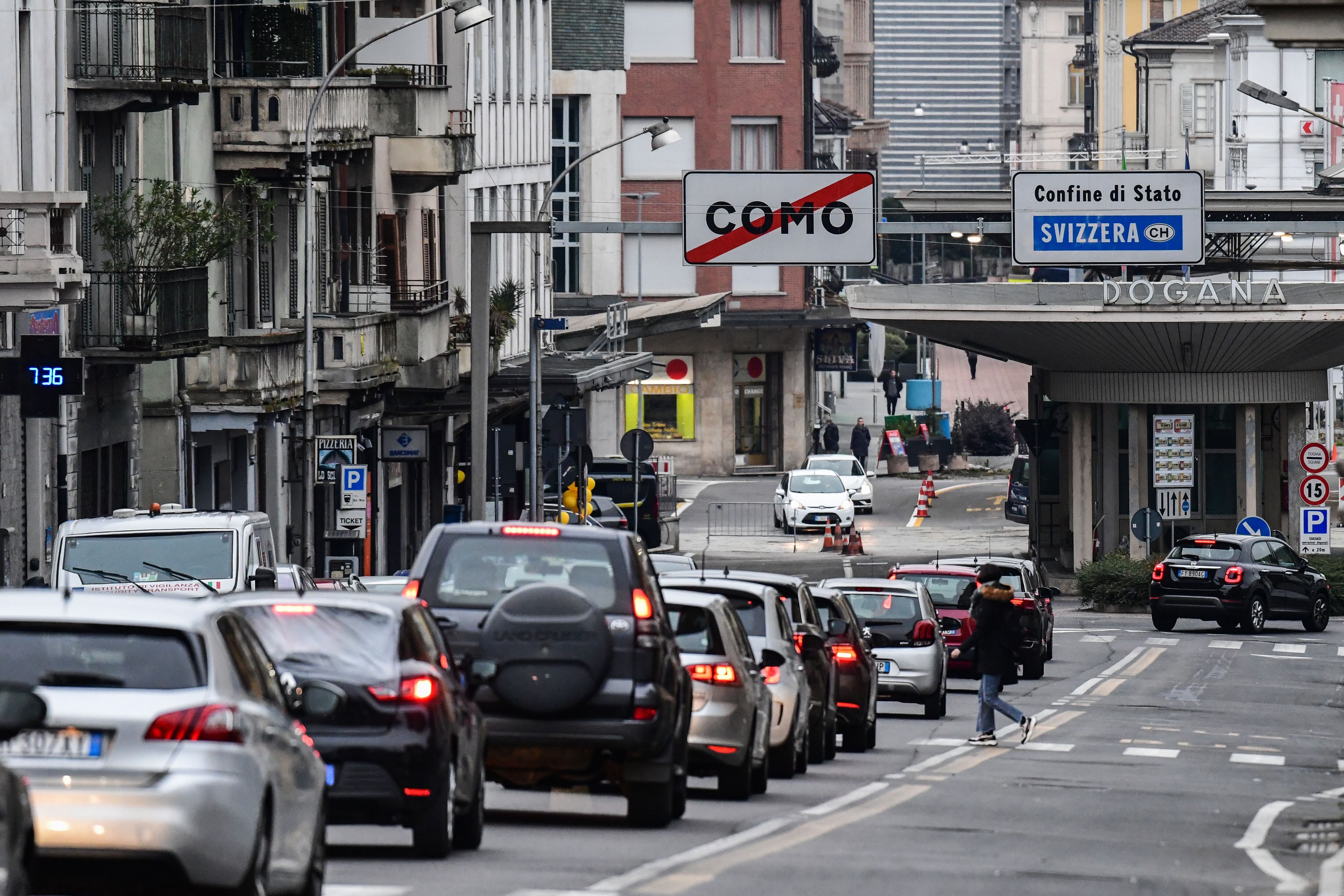
Lenore Hawkins, chief macro strategist at Tematica Research, told Cheddar from Lake Como, Italy, that the local populace seems to be taking the directives to stay indoors seriously.
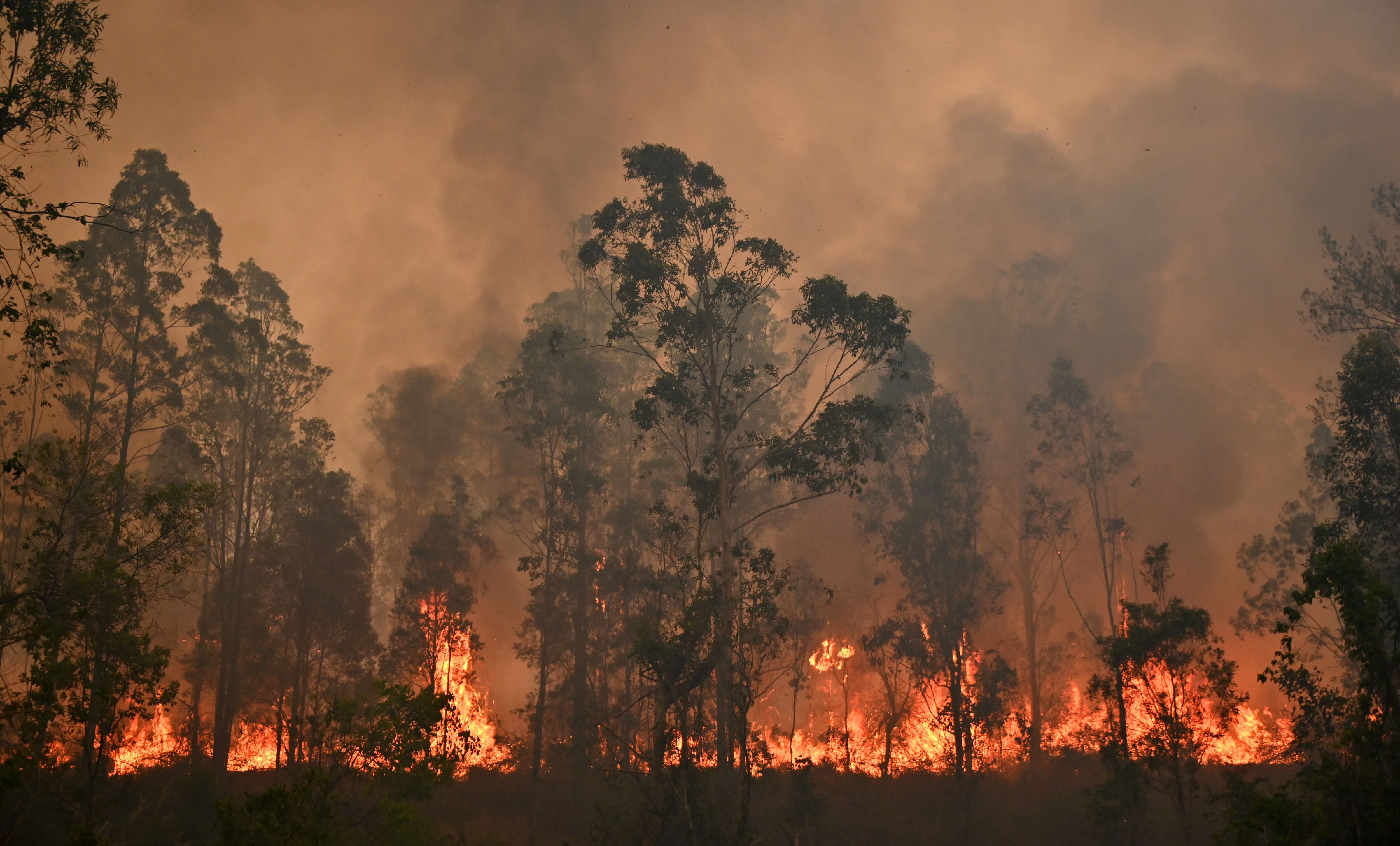
The Earth's average temperature last year was about 1.1 degrees Celsius higher than pre-industrial levels, second only to the record established in 2016.
Swaths of shale producers, many heavily in debt and still recovering from the price crash of 2015, have posted double-digit drops in stock prices in the past 48 hours, with some companies already announcing rounds of layoffs.
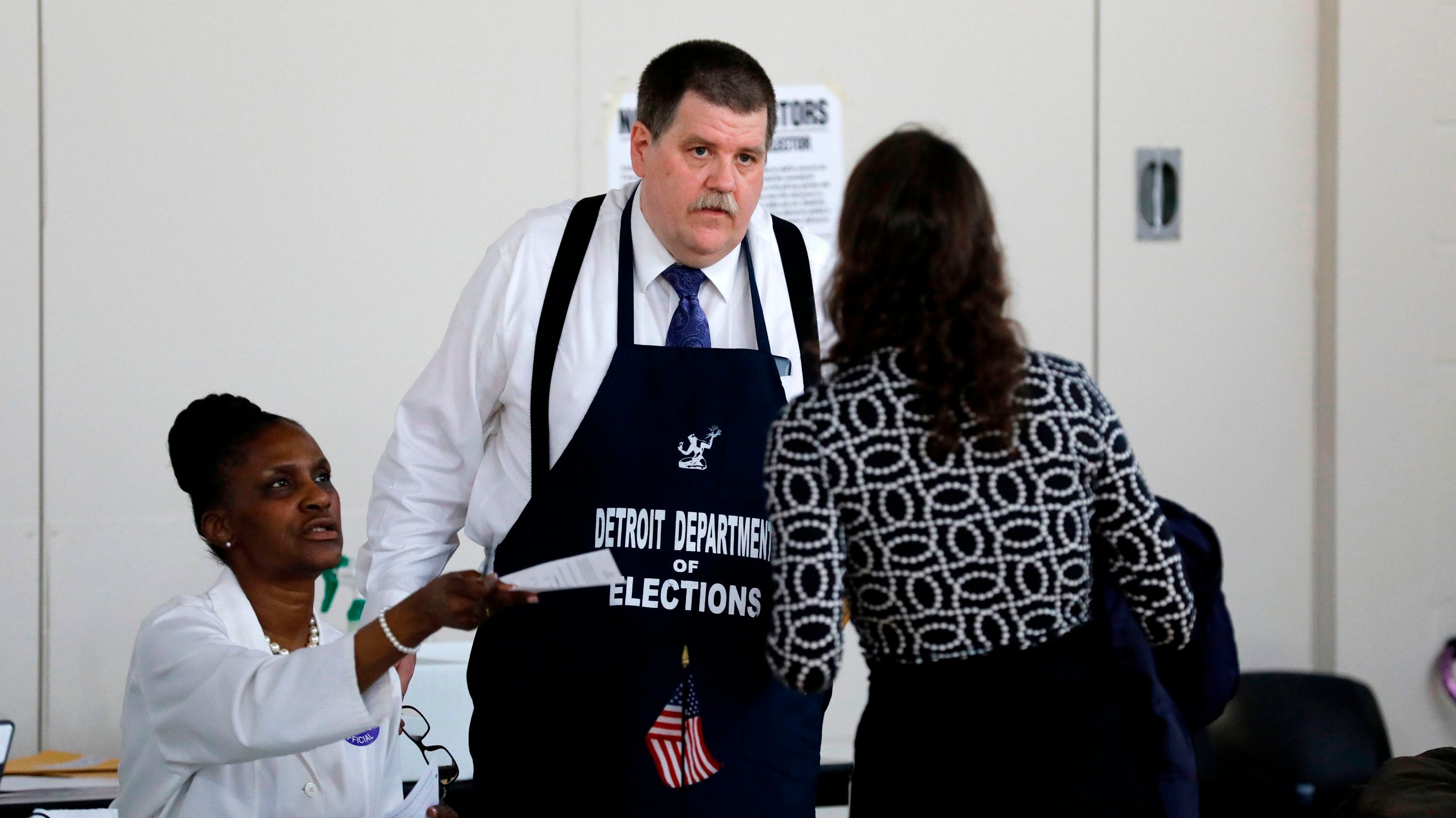
Biden and Vermont Senator Bernie Sanders will go head to head for the 352 delegates promised on what some are calling ‘Super Tuesday 2.0,’ with a focus on the battleground state of Michigan.
These are the headlines you Need 2 Know for Tuesday, March 10, 2020.
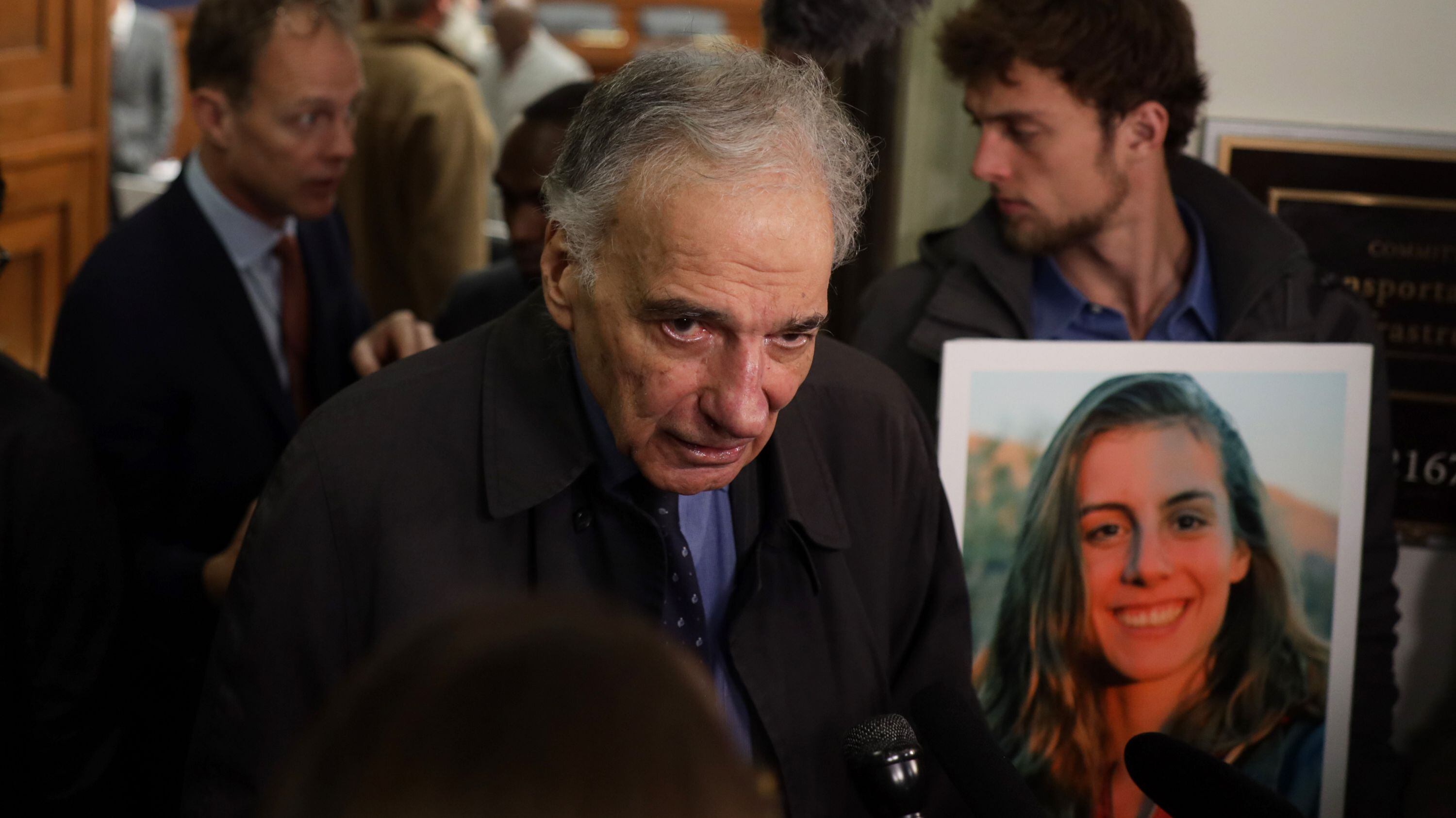
Consumer advocate Ralph Nader, whose grandniece was killed in that disaster, said that even once the plane makes it back to the skies, he won't fly in it.
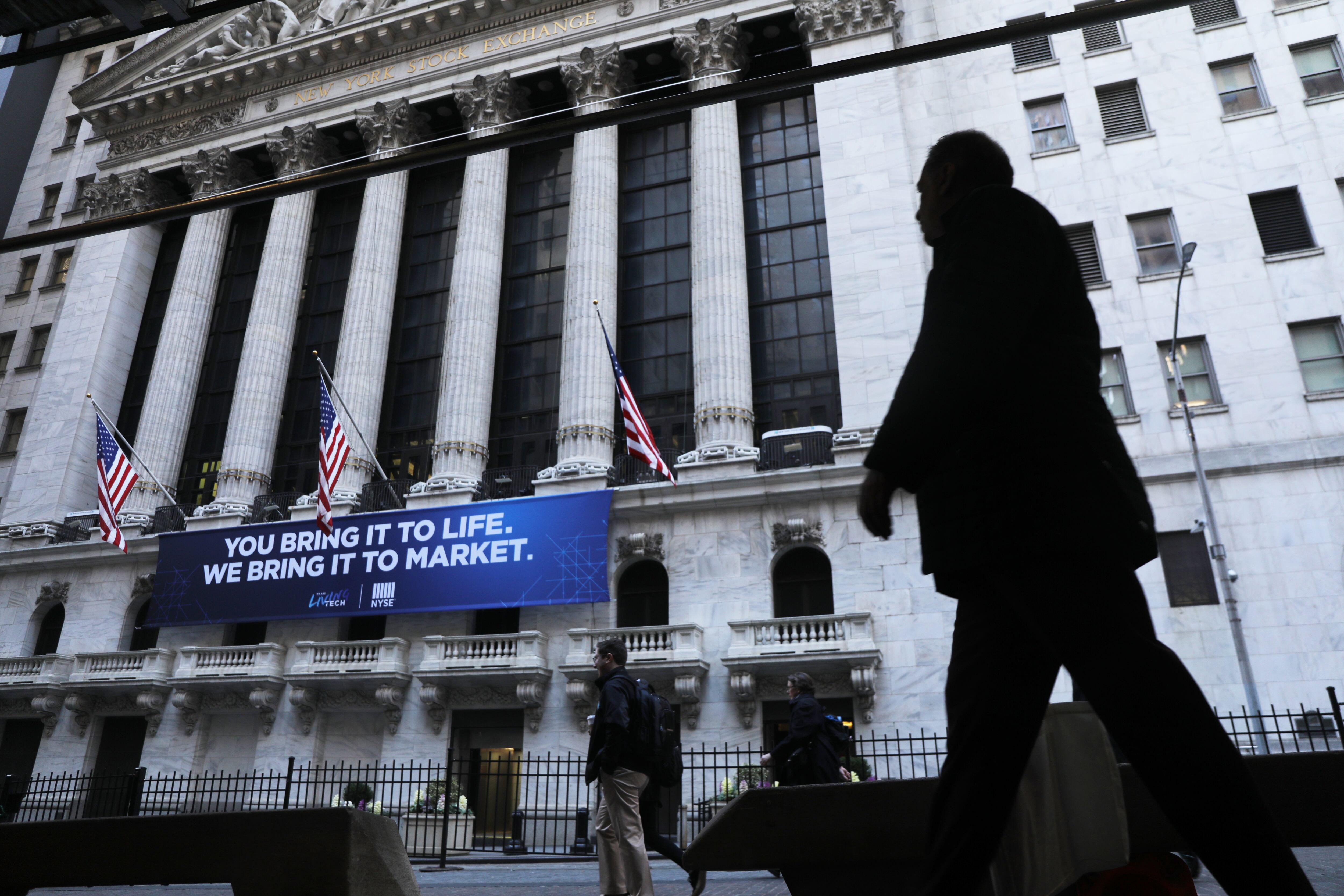
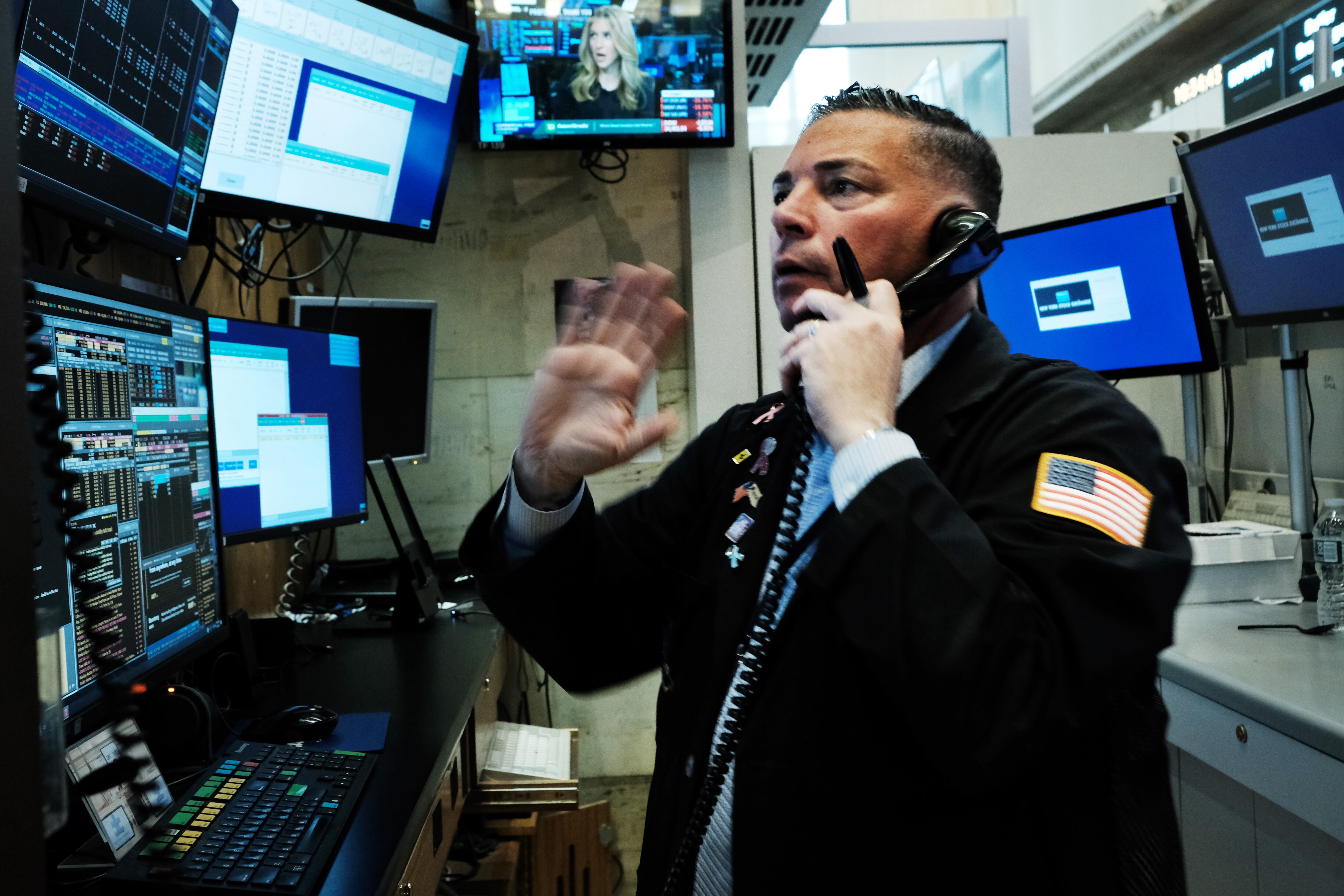
The Dow Jones Industrial Average sank 7.8%, its steepest drop since the financial crisis of 2008, as a free-fall in oil prices and worsening fears of fallout from the spreading coronavirus outbreak seize markets. The sharp drops triggered the first automatic halts in trading in two decades.
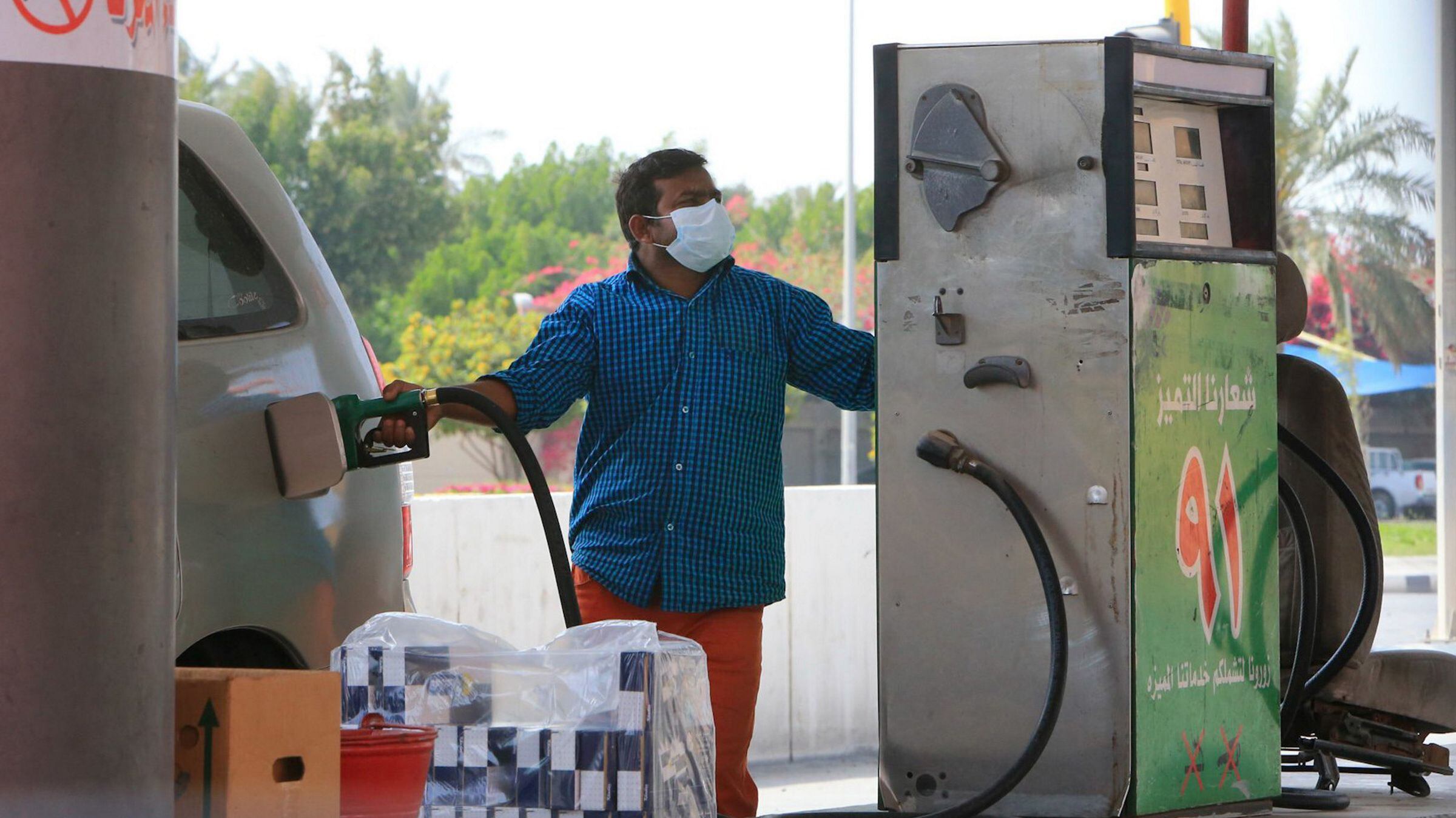
Brent crude, the global benchmark for oil and for U.S. gasoline prices, hovered around $36 a barrel after opening Monday at about $33 -- down from $45 a barrel on Friday and nearly $70 in January.
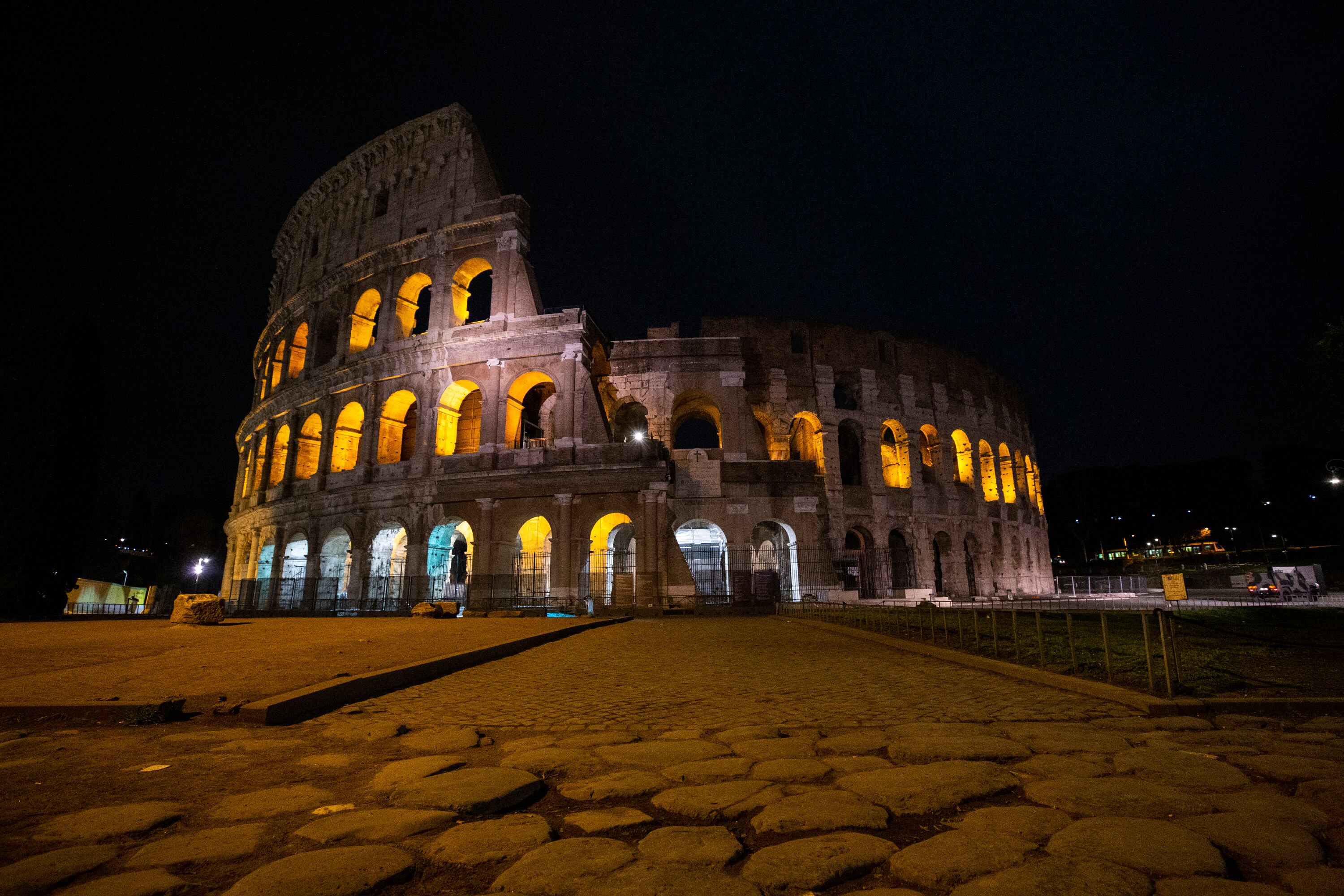
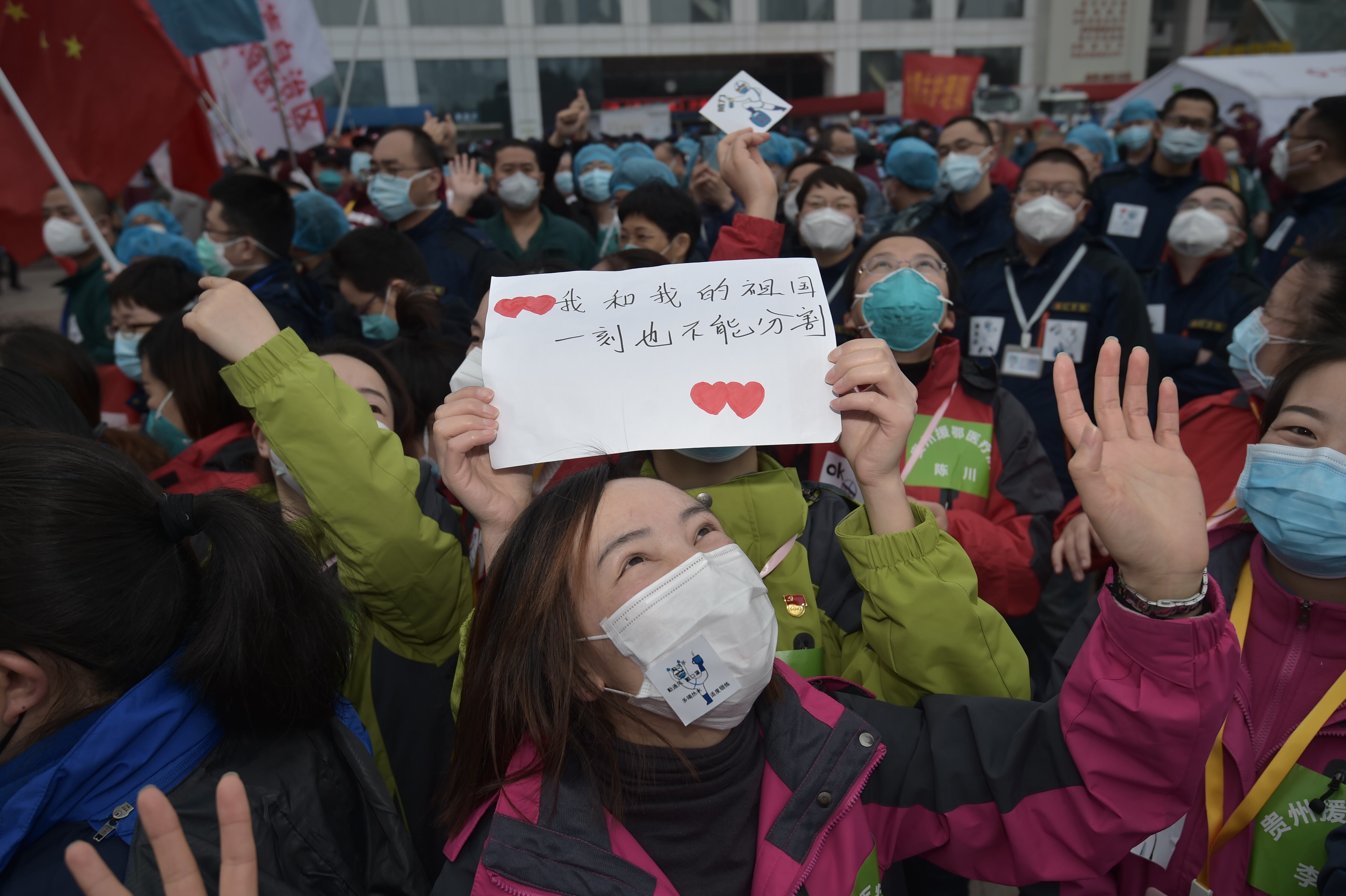
Officials at the World Health Organization said Monday that of about 80,000 people who have been sickened by COVID-19 in China, more than 70 percent have recovered and been discharged from hospitals.
Stocks are falling sharply Monday on Wall Street on a combination of coronavirus fears and plunging oil prices, triggering a brief, automatic halt in trading to let investors catch their breath.