Actress Cynthia Nixon may stand a chance in her bid to be the Democratic nominee for New York Governor if she positions herself to the left of rival Andrew Cuomo.
That’s according to Erin Delmore, Senior Political Correspondent at Bustle.
“[She] is one of the only people who can credibly come in and get all this fundraising and leverage all of her connections and beat a two-term incumbent with a family legacy in New York politics,” explained Delmore.
Nixon is doing that by “staking out the more progressive, more Democratic side of the ticket,” focusing on issues that New Yorkers feel “very strongly” about, such as the subway and the public schools system. Plus, her star power will only give her a wider appeal.
Nixon, known for her role as Miranda Hobbes on HBO’s “Sex and the City,” announced her candidacy for the primary on Monday, taking on fellow Democrat Andrew Cuomo, who’s been in office since 2011. If she were to win, she would become New York’s first female and first openly gay governor.
However, her celebrity status could be a drag on her campaign. New York may be reluctant to throw its weight behind another celebrity in the era of President Trump. And whether her star shines quite so bright outside the city remains to be seen.
Additionally, Nixon’s lack of experience would run up against Cuomo’s strong track record with Democrats in the state, having implemented a minimum wage increase and paid family leave.
The U.S. Senate Committee on Banking, Housing and Urban Affairs introduced legislation Tuesday requiring banks to maintain “digital dollar wallets” for coronavirus stimulus payments to consumers.
New York Governor Andrew Cuomo Wednesday afternoon said the greatest strain on the state’s health care system from the coronavirus could come in approximately 21 days, while also providing early indications about steps the state might eventually take to restart the economy.
One of the most influential industries on Capitol Hill was left out of the package that advanced early Wednesday, an apparent setback for a sector that had expected to easily secure $3 billion to fund the purchase of oil to fill the Strategic Petroleum Reserve (SPR).
There's no 12th Democratic presidential debate on the horizon now that the nominating process is in a holding pattern due to the coronavirus pandemic.
The Senate will reconvene later Wednesday to vote on the package. But that does not mean the bill is guaranteed to land on President Donald Trump’s desk. The House of Representatives has to pass it, and that may not be an easy feat.
The White House and Senate leaders of both major political parties announced agreement early Wednesday on an unprecedented $2 trillion emergency bill to rush sweeping aid to businesses, workers and a health care system slammed by the coronavirus pandemic.
Stocks are moving tentatively higher in early trading on Wall Street Wednesday after Congress and the White House reached a deal to inject nearly $2 trillion of aid into an economy ravaged by the coronavirus.
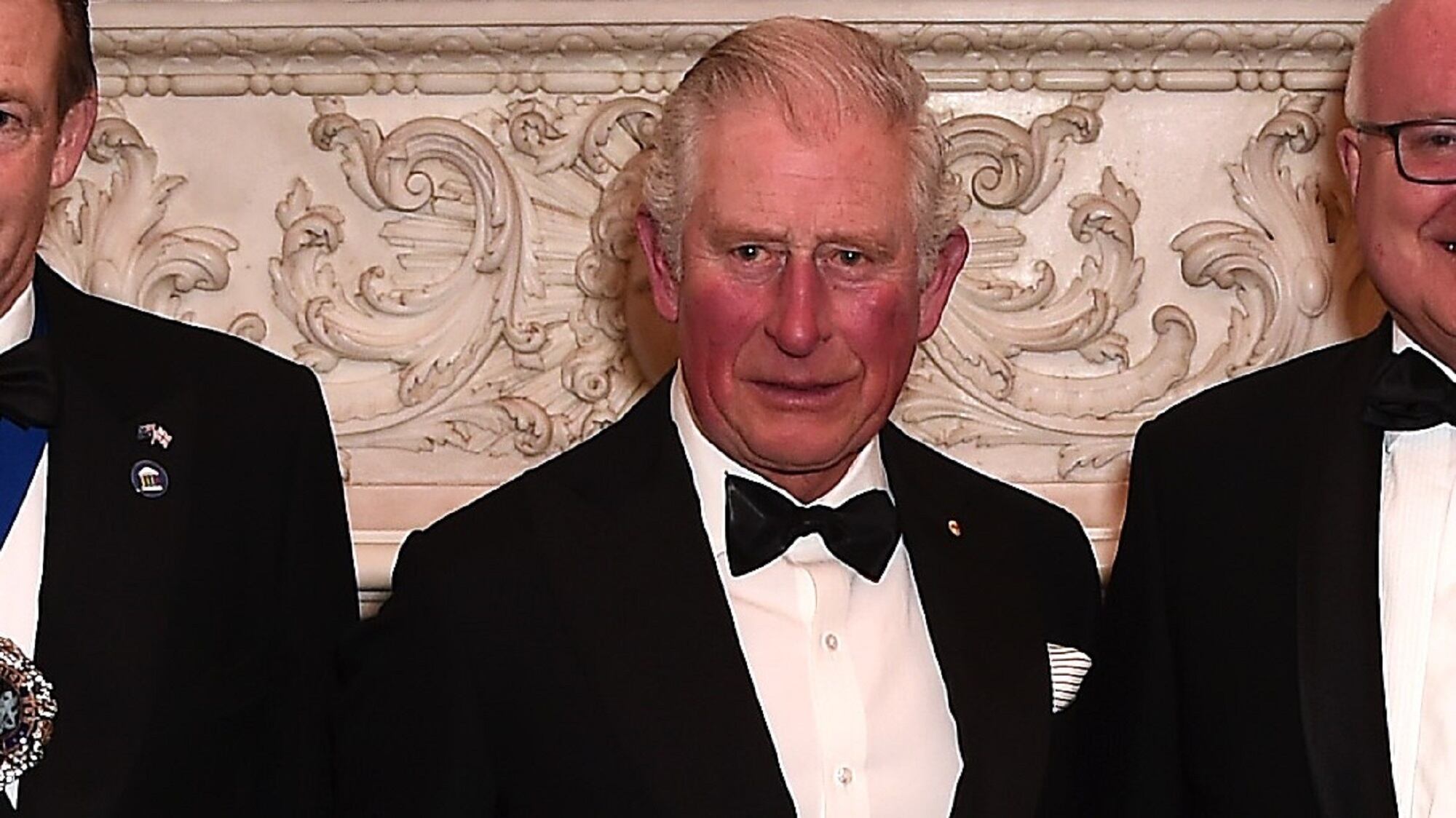
The death toll in Spain from the coronavirus shot up by more than 700 on Wednesday, surpassing China and is now second only to Italy as the pandemic spread rapidly in Europe, with even Britain’s Prince Charles testing positive for the virus.
Each piece of legislation is long: 247 pages for the Senate bill and a whopping 1,404 pages for the House bill. While we cannot distill every provision, here’s a look at some of the major differences between the two pieces of legislation.
Stocks are jumping in midday trading on Wall Street Tuesday amid expectations that Congress is nearing a deal on a big coronavirus relief bill. That would follow more aggressive steps from the Federal Reserve announced a day earlier to support lending and bond markets.