Volunteer Nicolle Eagan plays the violin for dogs being cared for at the ASPCA animal recovery center, Friday, April 21, 2023, in New York. Many nonprofits use images of suffering and need to motivate people to give, but a recent study from economists found there may be other effective strategies for prompting acts of generosity. (AP Photo/Mary Altaffer, File)
Those ads showing caged dogs and desperate looking cats while Canadian singer Sarah McLachlan's “Angel” played in the background have been not just effective at making viewers sad, but also remarkably successful at raising money for the American Society for the Prevention of Cruelty to Animals since 2007.
However, a new study shows other strategies may also be effective at motivating people to give, apart from all that “ sadvertising.” Maybe try “Hakuna Matata.”
The study from Nathan Chan, assistant professor at the University of Massachusetts Amherst, and Casey Wichman, assistant professor at the Georgia Institute of Technology, found that people in good moods are more likely to donate to a charitable cause.
The study gathered posts made to Twitter, the social media platform now called X, from people who gave to Wikipedia and posted a hashtag acknowledging the donation. The researchers analyzed the posts from before and after the users made a donation and found that it improved shortly before they gave.
“It suggests that rather than this conventional notion that people give because it makes them feel good about themselves for doing the right thing, we found that people were in a good mood prior to donating, and that’s potentially the causal factor for why they decided to give," Wichman said.
The findings indicate charities may want to improve a potential donor's mood before making the ask, Wichman said.
Their study isn't the first to find a connection between well-being and generosity, said Lara Aknin, professor of social psychology at Simon Fraser University, but it does a provide a valuable look at a person's specific feeling at a specific moment in a real world example. One takeaway could be that it would be beneficial to reach people at times when they are already feeling good, like on holidays or a loved one's birthday, she said.
But people give for many reasons and many levers motivate that generosity, Aknin said, including showing how a potential donor can make a meaningful impact on other people, animals or causes they care about. She also warned that people are very attuned to ulterior motives attached to requests for help.
“If people feel that they’re insincerely being fattened up before the request, then that could that could really spoil giving,” she said, “which I think for many people is truly a pretty wonderful experience when they get to give in ways that they care about and feel like they’ve chosen to do so.”
The researchers used natural language processing tools to analyze the sentiments of a person's tweets and identify their mood based on their posts.
They also designed a second experiment to test their findings where they asked online volunteers to decide how to split $50 between themselves and a charity. They showed some a clip of “Hakuna Matata” from from “The Lion King,” while others watched a science video about microbes. Those who watched the dancing warthog gave a little more to charity and were more likely to give the whole amount, though the results are less conclusive because of a small sample size.
While nonprofits always want to attract additional donations, many feel a particularly acute need right now. Human service, arts and educational organizations among others were profoundly stretched and stressed by the pandemic. Many continue to report increased demand for their services at the same time, economic conditions like inflation and major declines in the stock market impacted philanthropic giving. Last year, the overall amount of donations dropped for only the fourth time in four decades, according to Giving USA.
The trend also continued of fewer donors giving more, and so Michael Thatcher, CEO of Charity Navigator, encouraged nonprofits to experiment carefully and keeping true to an organization's mission.
"I think we need to be trying new things right now because there is donor fatigue," he said. But also, he added, “Don't try every new fad.”
John Bencich, CEO of Achieve Life Sciences, joins Cheddar Innovates to discuss a new plant-based compound that's being used to fight nicotine addiction.
On this episode of Cheddar Innovates: CEO of Achieve Life Sciences discusses a new plant-based compound that's being used to fight nicotine addiction; President & CEO OF DiaMedica Therapeutics explains a new ischemic stroke treatment option that expands the window for effective therapy for stroke patients; Cheddar gets a look at Curiosity Stream's 'Asteroid Rush.'
Catching you up on today's entertainment headlines with the Tribeca Film Festival has kicked off in NYC, "Black Adam," starring Dwayne "The Rock" Johnson dropped its first full trailer, the musical "Come From Away" based on a true story set during 9/11 will be closing on Broadway this October, and more.
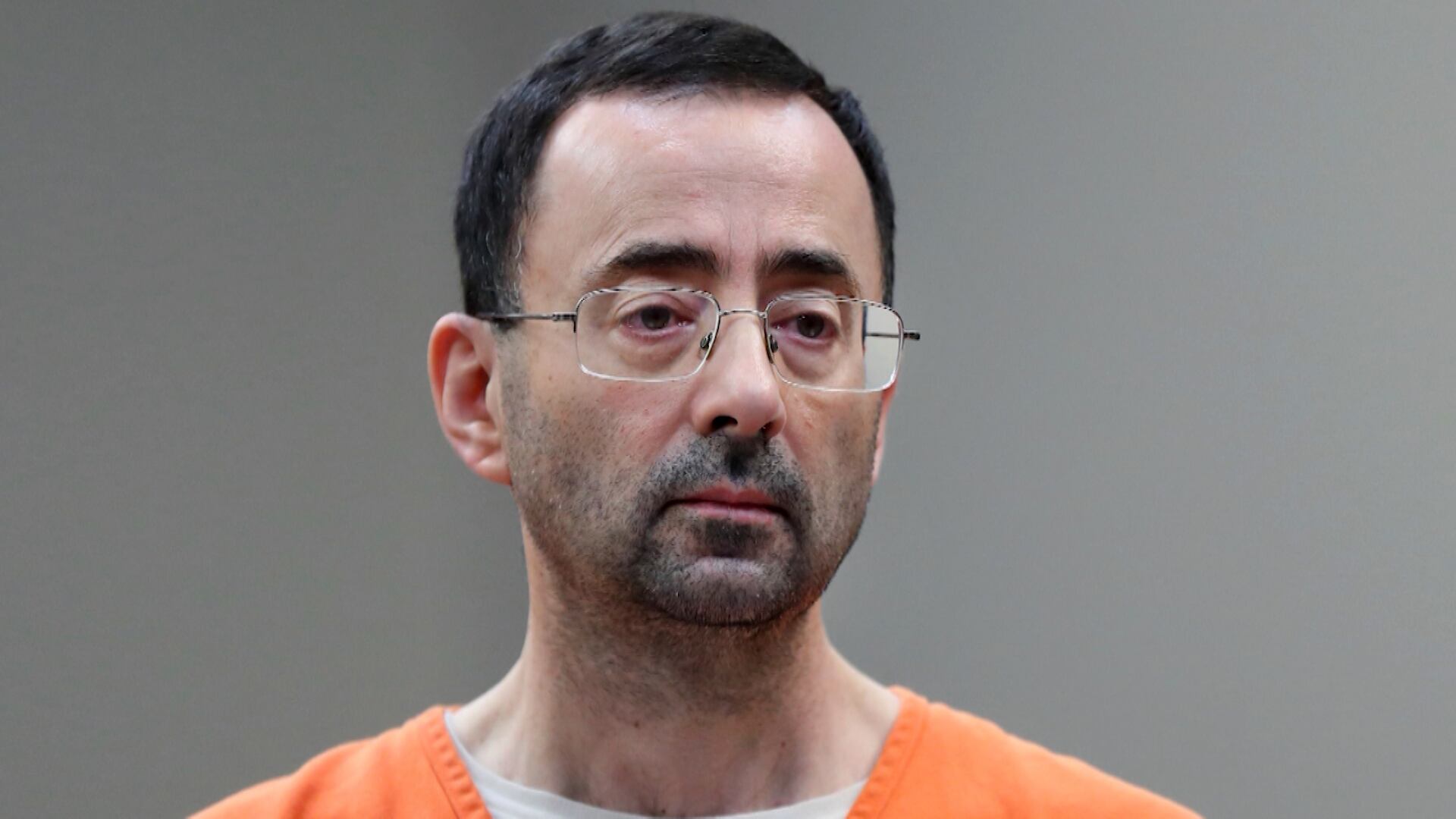
Survivors of Larry Nassar, including Olympian Simone Biles, are seeking $1 billion in damages from the FBI due to its failure to investigate the former gymnastics team doctor convicted of committing years of serial sexual abuse of minors. Jack Queen, a senior reporter at Law360, joined Cheddar News to break down the legal grounds of this case. "This is one of the biggest black eyes that the Bureau has faced in generations, quite frankly, and the FBI has taken full responsibility and admitted that it completely botched this investigation," he said. "So, there's a lot of pressure to settle."
The Elevate Prize Foundation is donating $10,000 to different grassroots organizations based on a theme every month to help scale their work, focusing on a different theme each time. Upcoming prizes will help uplift an organization supporting the LGBTQ community and one mobilizing to help end gun violence. The foundation's CEO Carolina Garcia Jayaram joined Cheddar to discuss the initiative and why it's important to uplift these grassroots organizations. "We are identifying social entrepreneurs around the world to help them scale their work. but the ultimate purpose of that is to create the first-ever fanbase for good," she said. "We're trying to make good famous and by inspiring people to think about the role they can play in doing good in the world."
With real estate being a largely male-dominated industry, Stephanie Shojaee, vice president and chief marketing officer at development company Shoma Group, joined Cheddar News to discuss how she took on the gender gap for women to achieve leadership roles, starting at her own company. “It's been very important to teach all the women that work here, especially the younger ones, that they shouldn't change themselves," she said. "You need to be happy with who you are and just keep breaking barriers."
We are already starting to feel the effects of summer. Heat waves in Texas and California are already sending temperatures soaring. That could spell trouble for the nation's power supply. there are new concerns about outages in many areas of the country. Cheddar's Shannon Lanier explains the two main causes of blackouts, and what states are doing to keep the lights on and the air conditioning running.
If you have been on the road this past year, you've probably seen more accidents on the road than you ever have. You're not wrong. Traffic fatalities are not only increasing they are hitting historic highs. Almost 43,000 people died in motor vehicle accidents in 2021. Cheddar's Shannon Lanier investigates - and finds out why.
U.S. stocks close Tuesday at session highs after a subpar start to the trading day. Tim Chubb, Chief Investment Officer at the wealth advisory firm, Girard, joins Cheddar News' Closing Bell to discuss. 'We're starting to see the moderation of three core things -- we've seen the moderation of prices, we've seen the moderation of wage growth we've seen in the labor market, and we've also seen a moderation of job openings,' he says.
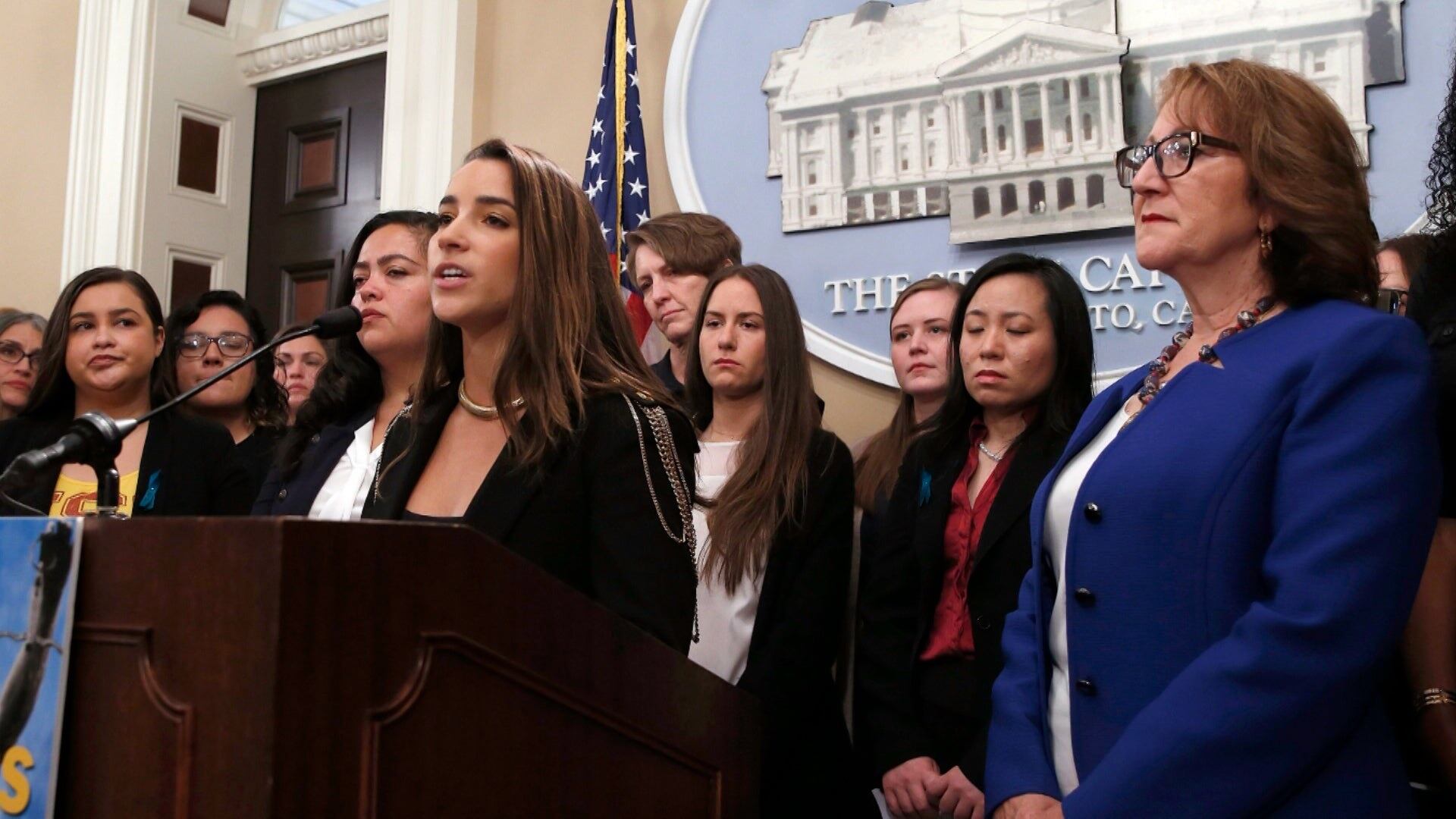
The victims from the USA gymnastics sexual abuse scandal continue to seek justice. Survivors of Larry Nassar are seeking more than one-billion dollars from the FBI for failing to stop the convicted sports doctor when the agency first received allegations. According to a report released by the Justice Department's Inspector General, FBI agents knew
in July of 2015 that Nassar was accused of abusing gymnasts; however, Nassar wasn't arrested until December of 2016. The group that filed the claim includes Olympic medalist Simone Biles and around 90 other women. Louise Radnofsky, sports reporter at The Wall Street Journal, joins Cheddar News' Closing Bell to discuss.