David Tamarkin, editor of Epicurious, discusses the 3rd annual launch of his #Cook90 challenge, which encourages participants to cook 90 meals in 30 days.
Any month of the year, participants must cook breakfast, lunch and dinner. The plan is for those that are looking to sharpen their cooking skills, or for the people looking to make cooking a bigger part of their lives in the new year.
Tamarkin talks what constitutes cooking and what does not. If you're heating up a frozen pizza, that's not cooking. However, if you took any fresh ingredients and altered them with heat or combined them in a way, you have cooked something. This includes anything from a new pasta recipe to creating a sandwich.
Tamarkin notes that cooking is a dying practice. For the first time in America, people are spending more money at restaurants than they are on home cooked meals. He hopes that #Cook90 can change that.
The U.S. economy is being held up in part by the AI boom, but that boom could still lead to broader prosperity or inequality, says a Nobel Prize winner.
Foundation Robotics co-founder Michael LeBlanc explains how humanoid robots are moving from the lab to military and industrial missions and what comes next.
Jeff Burnstein, President of the Association for Advancing Automation (A3), discusses humanoid robots, AI, smart manufacturing, and the future of U.S. industry.
Should kids be banned from social media? Nick Lichtenberg of Fortune breaks down the global push to restrict under-16 users and what it means for Big Tech.
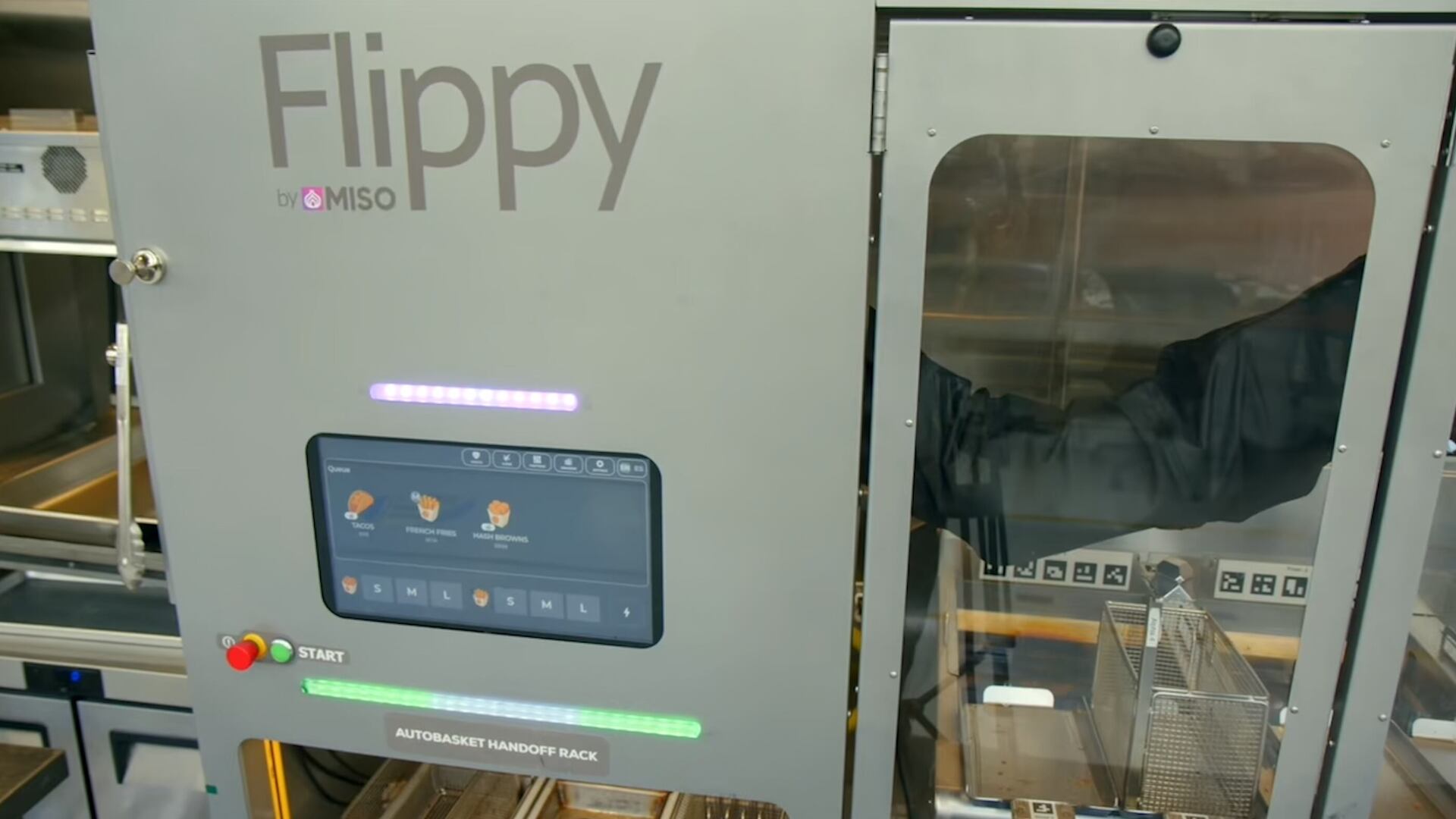
Miso Robotics CEO Rich Hull discusses Flippy Fry Station, the future of AI-powered restaurant automation and how acquiring Zume's IP could reshape food robotics
After two years of AI-fueled spending, Wall Street is asking what's next. Gil Luria breaks down monetization, valuations, winners, losers, and AI's future.