The Democratic National Committee stands by its decision not to allow Fox News to host a Democratic primary debate in the 2020 presidential election, a party official told Cheddar on Thursday.
“Our role at the DNC is to make sure we have a fair process and we do not believe Fox News can have a fair debate,” the DNC communications director Xochitl Hinojosa said.
DNC Chairman Tom Perez announced the party’s decision earlier this week following a bombshell report from investigative journalist Jane Mayer in The New Yorker that outlined how Fox News’s coverage has moved far beyond its conservative bent and is now defined by the close relationship between President Trump and network executives. The report also cited sources who suggested that during the 2016 campaign, then-candidate Trump may been tipped off about some of the questions he would be asked during a Fox News-hosted debate.
“Fox has been both his shield and his sword,” Mayer writes. “The White House and Fox interact so seamlessly that it can be hard to determine, during a particular news cycle, which one is following the other’s lead.”
“Recent reporting has made it clear that we cannot rely on Fox to host a fair and neutral debate,” Perez said in a statement.
Fox News urged the DNC to reconsider its decision. Fox reporters “embody the ultimate journalistic integrity and professionalism” and “offer candidates an important opportunity to make their case to the largest TV news audience in America,” the network's senior vice president, Bill Sammon, said in a statement.
Hinojosa added that the DNC’s concerns lie not with the reporters but with the network’s top brass. “If the top executives are in the pocket of Donald Trump, that is not a good thing and something that deeply concerns us. It is too much of a risk,” she said.
President Trump tweeted his thoughts on the decision:
Hinojosa acknowledged that Fox viewers are “an important audience” and people the DNC “needs to reach,” but urged candidates to go directly to them through other press events and campaign stops.
Yet, regarding the debates, “the damage is done,” Hinojosa said. “We have seen with Fox News that they have not been willing to be fair when it comes to their inappropriate behavior with Donald Trump.”
To accommodate the large number of primary candidates ー 14 and counting ー the summer debates have the option of taking place over two consecutive nights. The nightly lineups will be determined at random.
“My goal in this framework is to give the grassroots a bigger voice than ever before; to showcase our candidates on an array of media platforms; to present opportunity for vigorous discussion about issues, ideas and solutions; and to reach as many potential voters as possible,” Perez said in a statement.
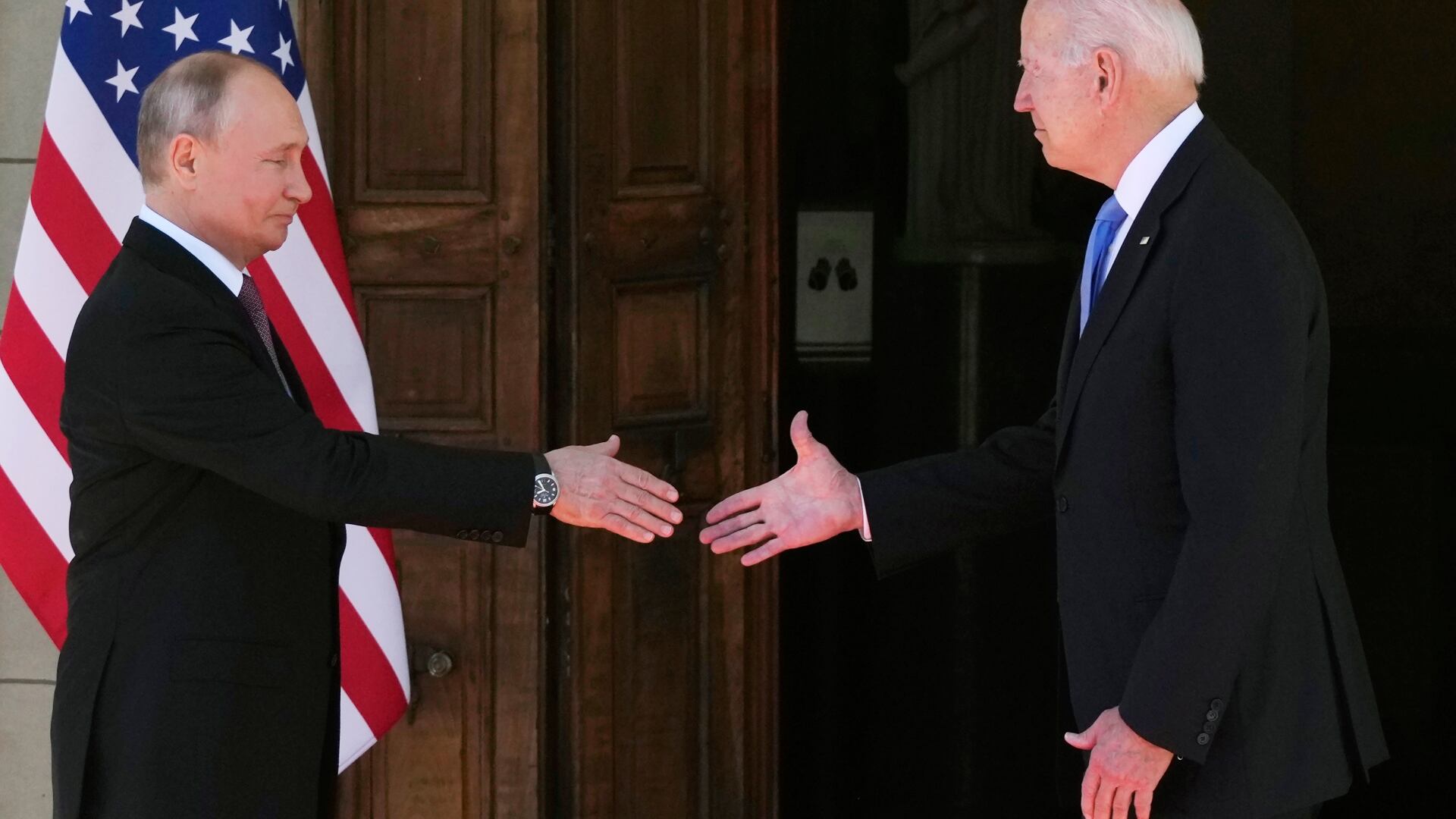
President Biden spoke with Russian President Vladimir Putin for the fourth time this year. Biden and Putin spoke for two hours about the massing of Russian troops and materials near the Russian border with Ukraine. Various outlets have reported that the U.S. has intelligence that Russia could be planning an invasion of Ukraine in the next few months. Both countries said the call was productive, but the situation remains tense.
Hagar Chemali, foreign policy expert and host of "Oh My World!" on YouTube, joins Cheddar Politics to discuss.
A recent Wall Street Journal poll indicated that Hispanic voters are up for grabs for the upcoming midterm elections, with 41 percent of respondents saying they would vote for Democrats and 44 percent for Republicans. Bryanta "Bre" Maxwell, a Democratic Strategist, former political director for Jaime Harrison's senate campaign, and principal and CEO of Indigo Consulting, LLC, joined Cheddar to break down the numbers and to dive into what this specific electorate is looking for as the balance of power in Congress hangs in the balance in 2022.
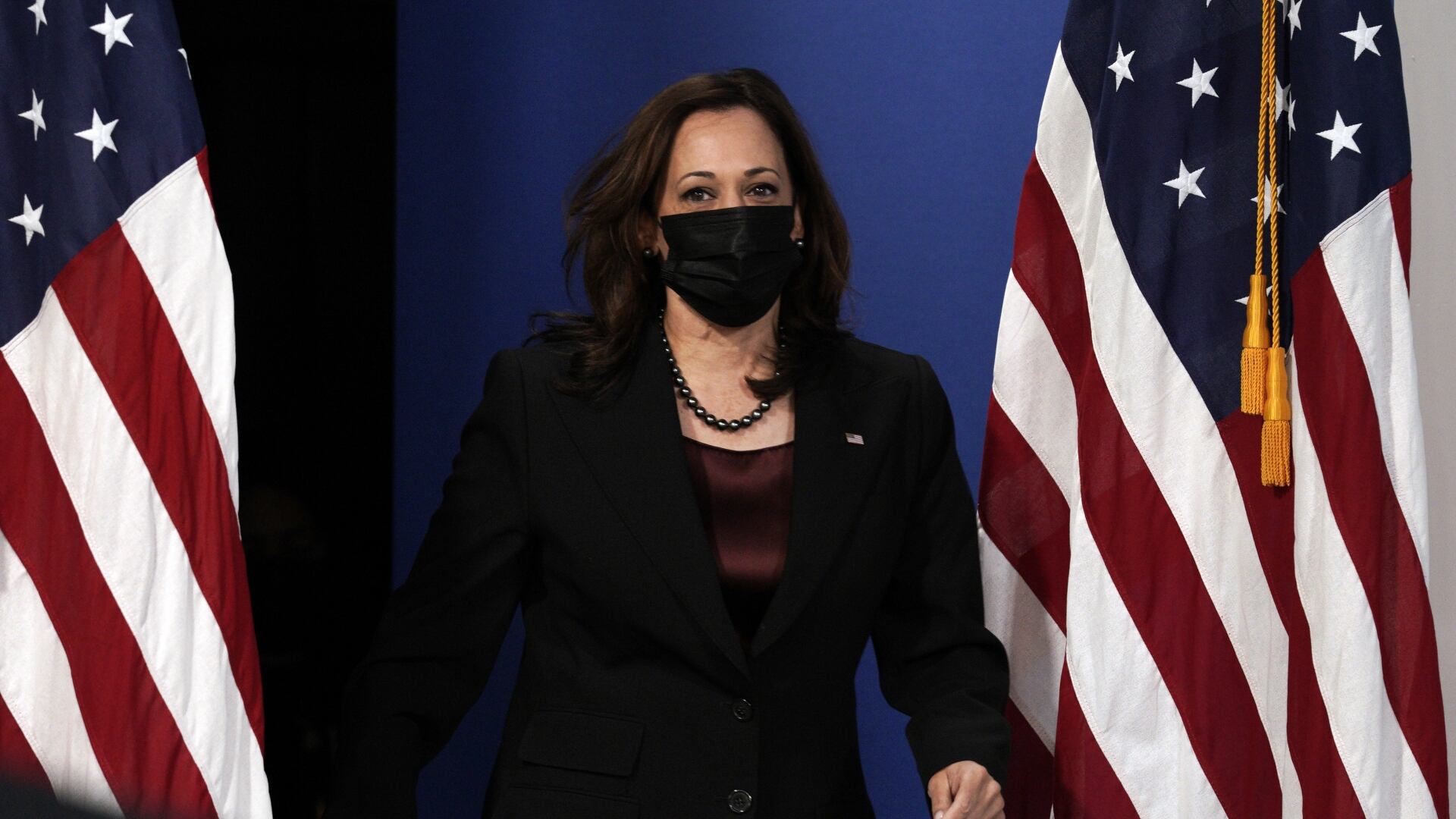
Vice President Kamala Harris received impressive amount of media coverage in January for making history. However, the media attention waned significantly and some are now even saying she has almost disappeared from public view. Reecie Colbert, founder of BlackWomenViews Media, joined Cheddar Politics to discuss more.
If you thought you heard the last of the Mueller report back in 2019, you'd be wrong. While the bombshell report was the biggest story in Washington for years, much of the report remained redacted. Our friends at BuzzFeed News weren't satisfied, so they sued to have certain passages unredacted. They notched another win when a federal appeals court ordered ten passages from the report to be released.
Matt Topic, BuzzFeed's attorney in the case, and Jason Leopold, reporter at BuzzFeed News, join Cheddar Politics to discuss.
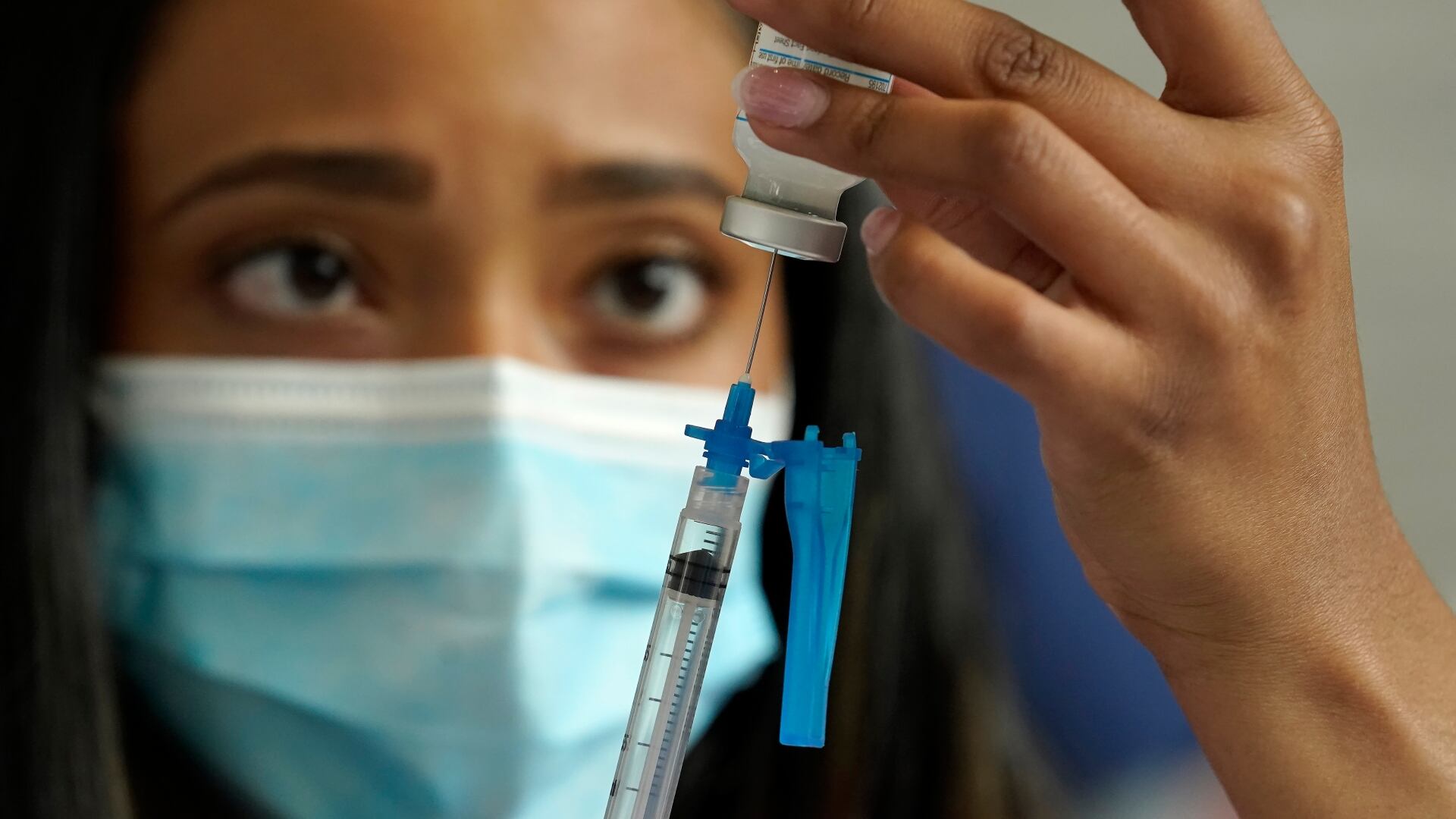
The U.S. reported its first confirmed case of the omicron variant in California on Wednesday. Scientists and health officials are racing to understand the variant, with the WHO saying it's still too early to determine whether it's more contagious, more deadly or more resistant to vaccines than other variants. Omicron has pushed members of the WHO to commit to start talks over a "gobal pandemic treaty" for future pandemic preparedness.
Priti Krishtel, co-founder and co-executive director of the Initiative for Medicines, Access & Knowledge, joins Cheddar Politics to discuss.
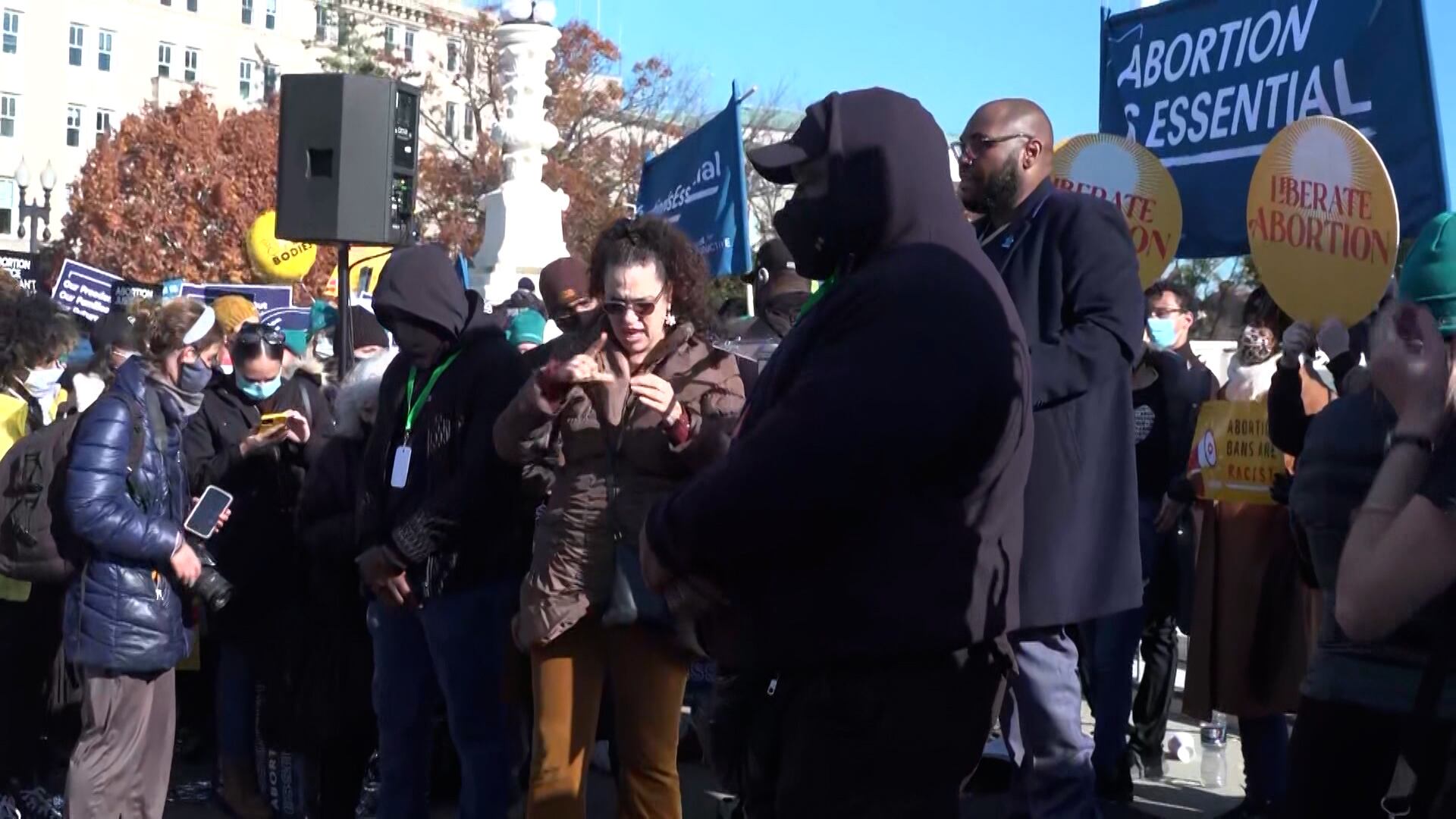
Wednesday was not a good day for those who believe in abortion rights in this country as the Supreme Court heard arguments on a Mississippi abortion law that bans most abortions after 15 weeks of pregnancy. The majority of the court appears poised to roll back abortion rights, and the questions from the conservative justices seemed to indicate the law for nearly 50 years is likely to change.
Jessica Mason Pieklo, senior vice president and executive editor of Rewire News Group, joined Cheddar Politics to discuss Wednesday's hearing.
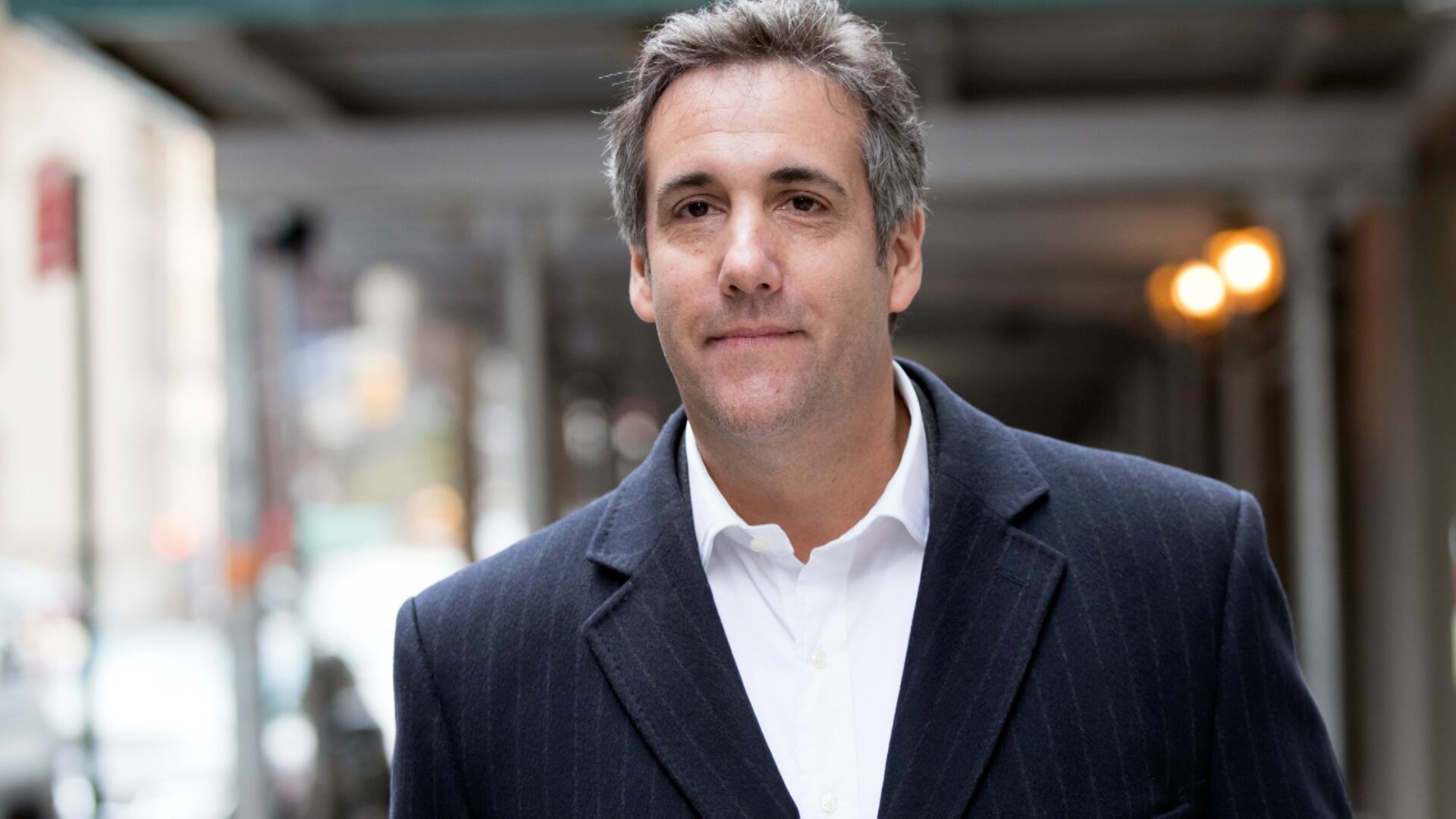
Michael Cohen, Donald Trump's former personal lawyer, has been busy since completing his prison sentence in November. He's getting into the NFT space, selling his federal prison badge and the original manuscript of his book "Disloyal" as NFTs. Cohen joined Cheddar to discuss his latest venture and why he thinks there is still much to be revealed about his case.
Jonathan Adler, Law Professor at Case Western Reserve University, joined Wake Up With Cheddar to discuss Tuesday's ruling and provide legal context to recent battles over vaccine mandates.
Carlo and Baker wrap up the week talking about the Biden economic boom that no one seems to notice, a verdict in the Jussie Smollett case, the first Starbucks union in America and the pleasures of the "dude nod."