*By Conor White*
Despite sci-fi's habit of making technology the enemy, DJ/entrepreneur Steve Aoki doesn't think machines are necessarily the villains. That's why he's written a new comic book, "Neon Future," to cast A.I. in a different, less ominous light.
"In most sci-fi, in most comic book stories, technology is the problem...or is the evil machine," Aoki told Cheddar this weekend at New York Comic Con. "In this story, we tell something different."
"I really feel like we can use A.I. to the point where we eventually will become cyborgs," he added.
Aoki's comic book tells of a near-future when dictators have stripped citizens of their technology. A hero emerges, showing the world that humans and tech can, in fact, live in harmony.
"I want to see a future where we keep finding ways and avenues to use A.I., to use technology, so we can keep growing," said Aoki, who in addition to his DJ gig owns both his own clothing line and a chain of pizza restaurants. He reportedly has earned $28 million so far this year.
Tom Bilyeu, co-founder of Impact Theory, the studio publishing the comic book, agreed with Aoki.
"Science-fiction authors have a moral obligation to paint a picture of a future worth building," he told Cheddar. "That's literally what we're trying to do."
"Neon Future" takes place just 30 years in the future, a conscious decision by its creators.
"We wanted the world to be entirely too recognizable, so that the threat that's happening becomes really real," Bilyeu said.
"What we wanted to do was start in a world that's dystopian and then explore: How do you get out of that?"
For full interview [click here](https://cheddar.com/videos/steve-aokis-future).
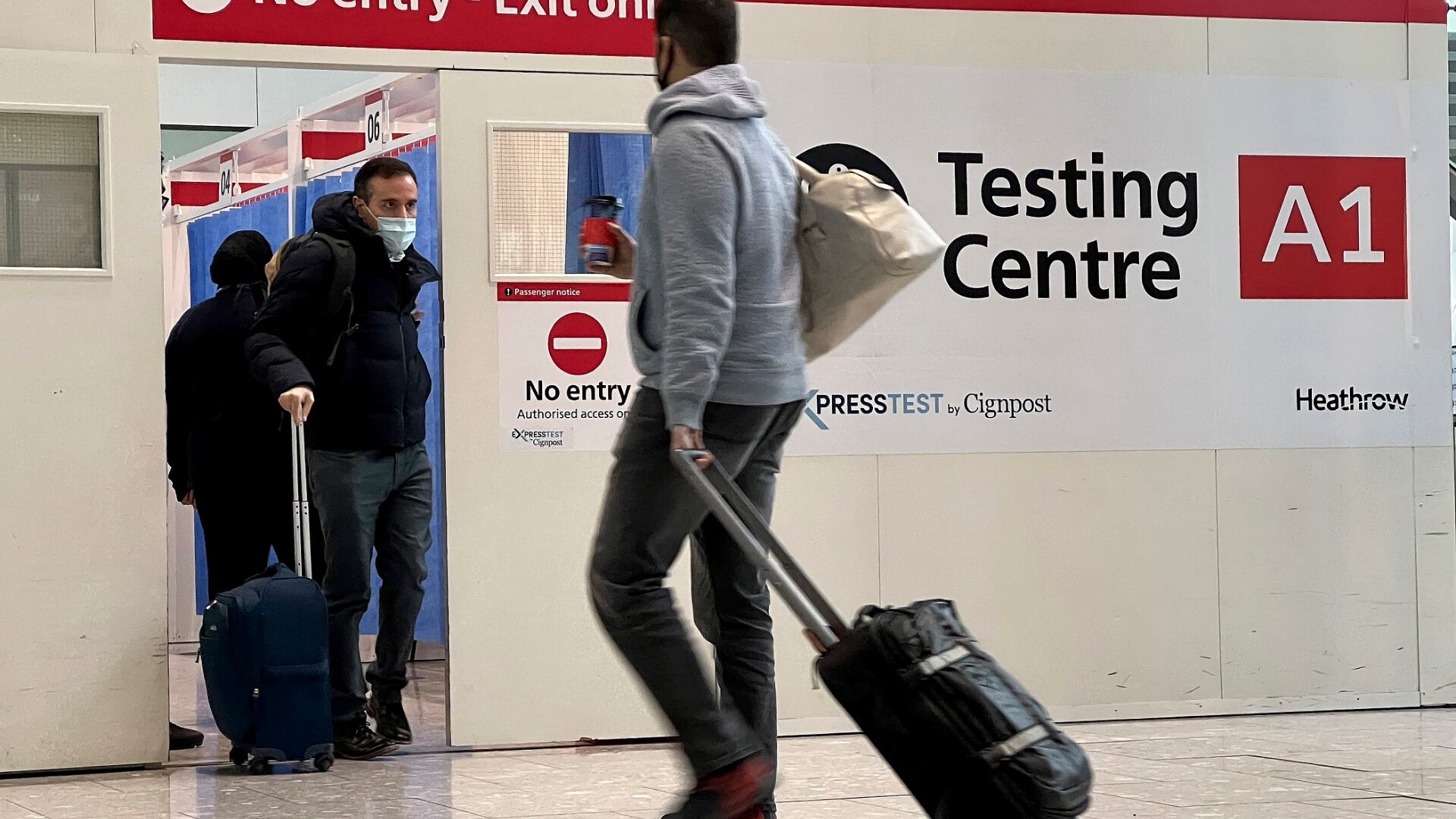
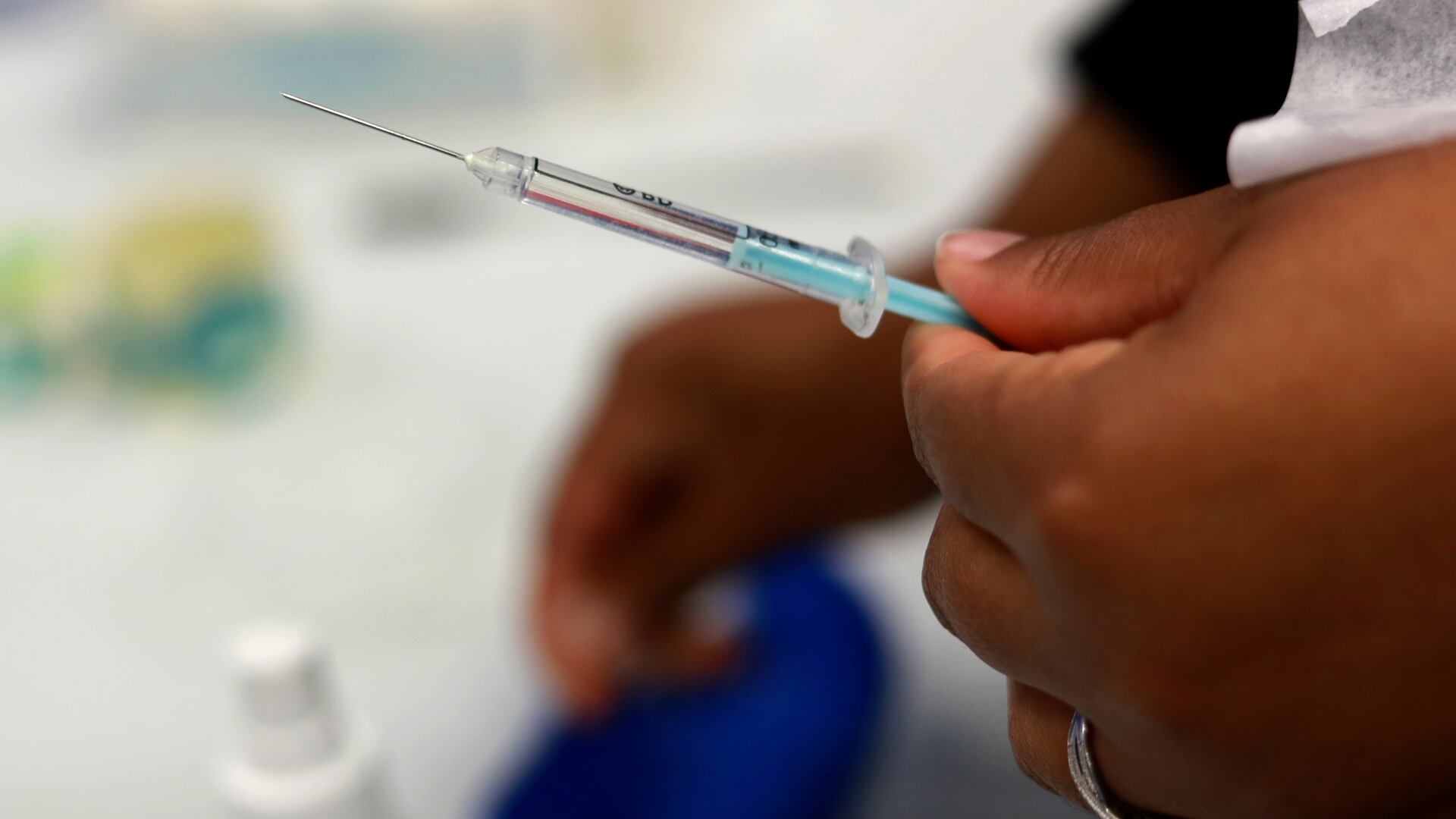
With the emergence of the omicron variant, the U.S. is considering tightening international travel guidelines. The CDC said it might reduce the window for foreign travelers to submit a negative COVID-19 test from three days prior to one day before allowing entry.
Jill and Carlo cover the latest on Omicron, another school shooting in America and more. Plus, bidding farewell to 'transitory' inflation, and the controversy surrounding 'Lovely Bones' author Alice Sebold.
Sarav Arunachalam, air pollution scientist at the University of North Carolina at Chapel Hill, joins Cheddar Climate, where he discusses what he needs to happen when it comes to EV production on a global level to help reduce the effects of climate change.
The United Nations Secretary-General said this year that his agency's warning about climate change was a 'code red for humanity.' So how will political pledges to lower emissions, increase green energy, and ramp up electric vehicle infrastructure play out, and can we reverse some climate damage next year? Vijay Vaitheeswaran, Global energy & climate innovation editor for The Economist, and host of 'To a Lesser Degree,' The Economist’s podcast on climate change, joins Cheddar Climate to discuss what we can look ahead to in 2022, including global policy shifts and investments from the private and public sectors, holding global leaders accountable, and more.
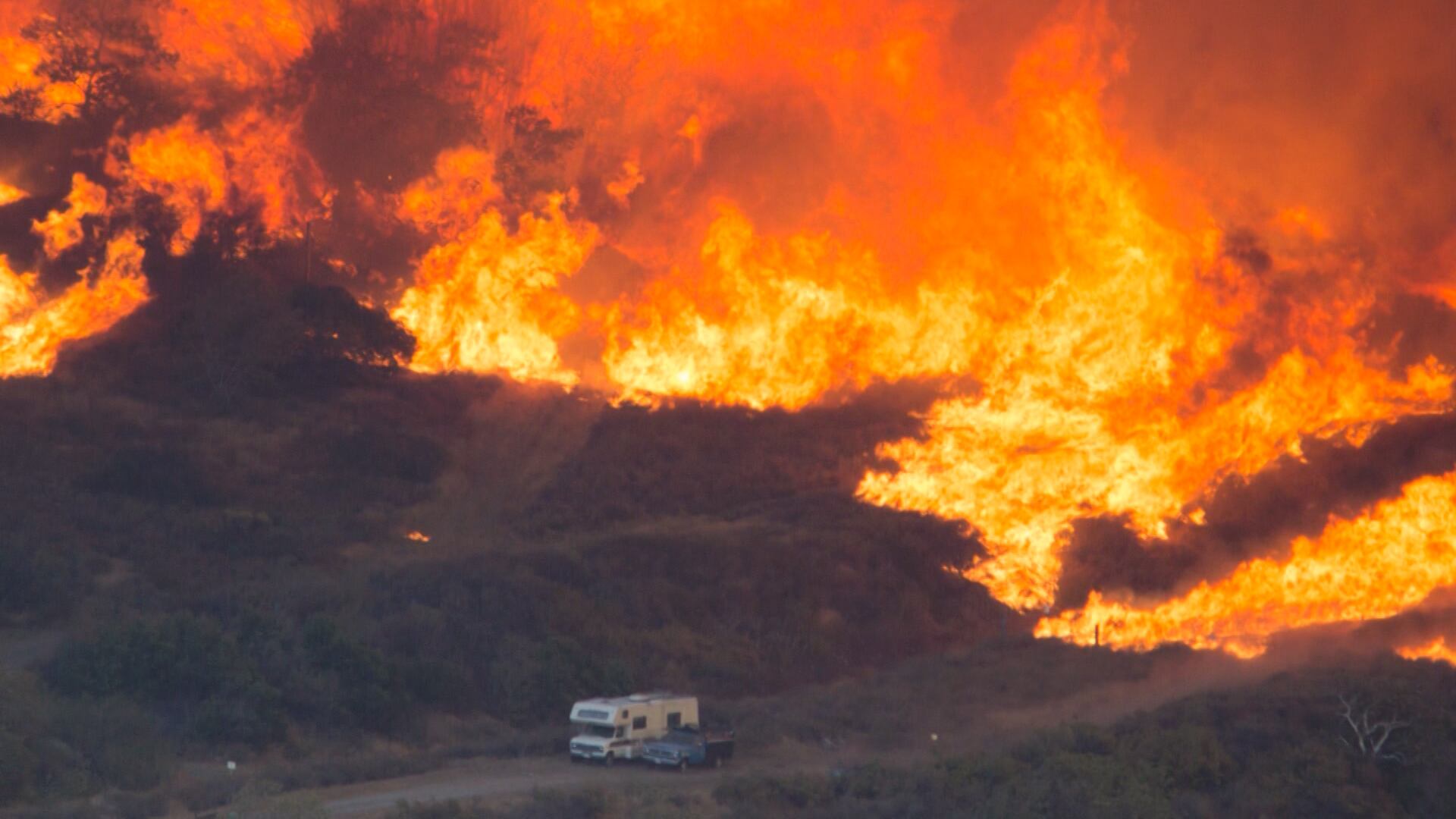
In recent years, extreme weather events like flooding and wildfires have become more frequent, and more severe - and scientists say global warming is to blame. Climate crises could leave people in need of help, and that's where Global Rescue steps in. The crisis response firm employs former Navy Seals and Army Rangers to rescue travelers from climate-related emergencies. Global Rescue CEO Dan Richards joins Cheddar Climate to discuss.
Jennifer Lotito, president and COO at the non-profit (RED), joined Cheddar to discuss the CODE (RED) campaign as the organization looks to expand its mission to support both AIDS and COVID-19 relief. She explained that people can get involved in the campaign for Giving Tuesday and ahead of World AIDS Day by shopping (RED) branded products and even using credit card rewards points to add their own support. Lotito also pointed out that COVID-19 has also impacted HIV testing as people avoid clinics out of fear of the other pandemic.
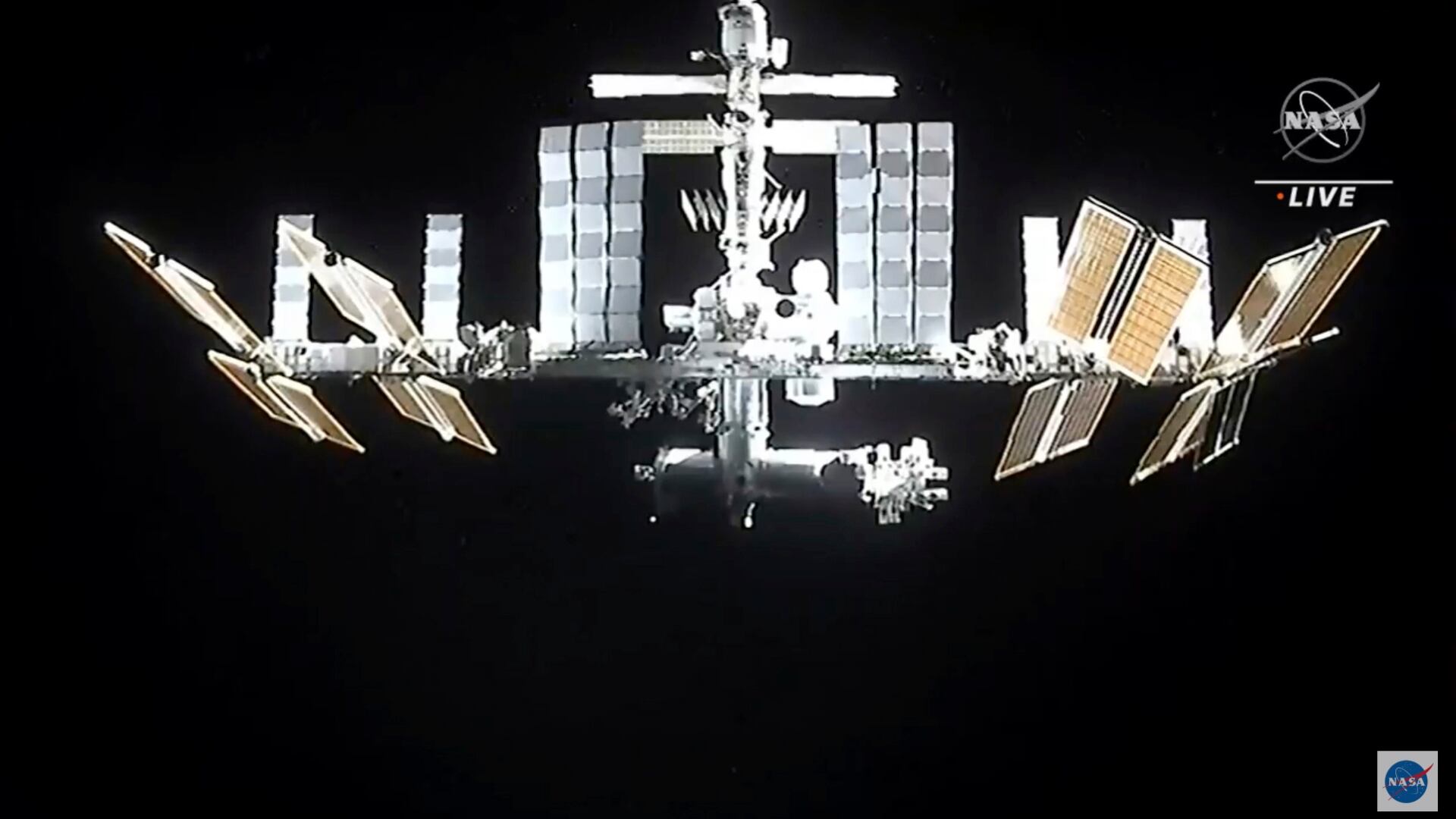
NASA indefinitely delayed a spacewalk to repair an ISS antenna, citing concerns about space debris. It was unclear if the warning from the space agency to astronauts aboard the ISS was related to the recent destruction of a non-functioning Russian satellite.