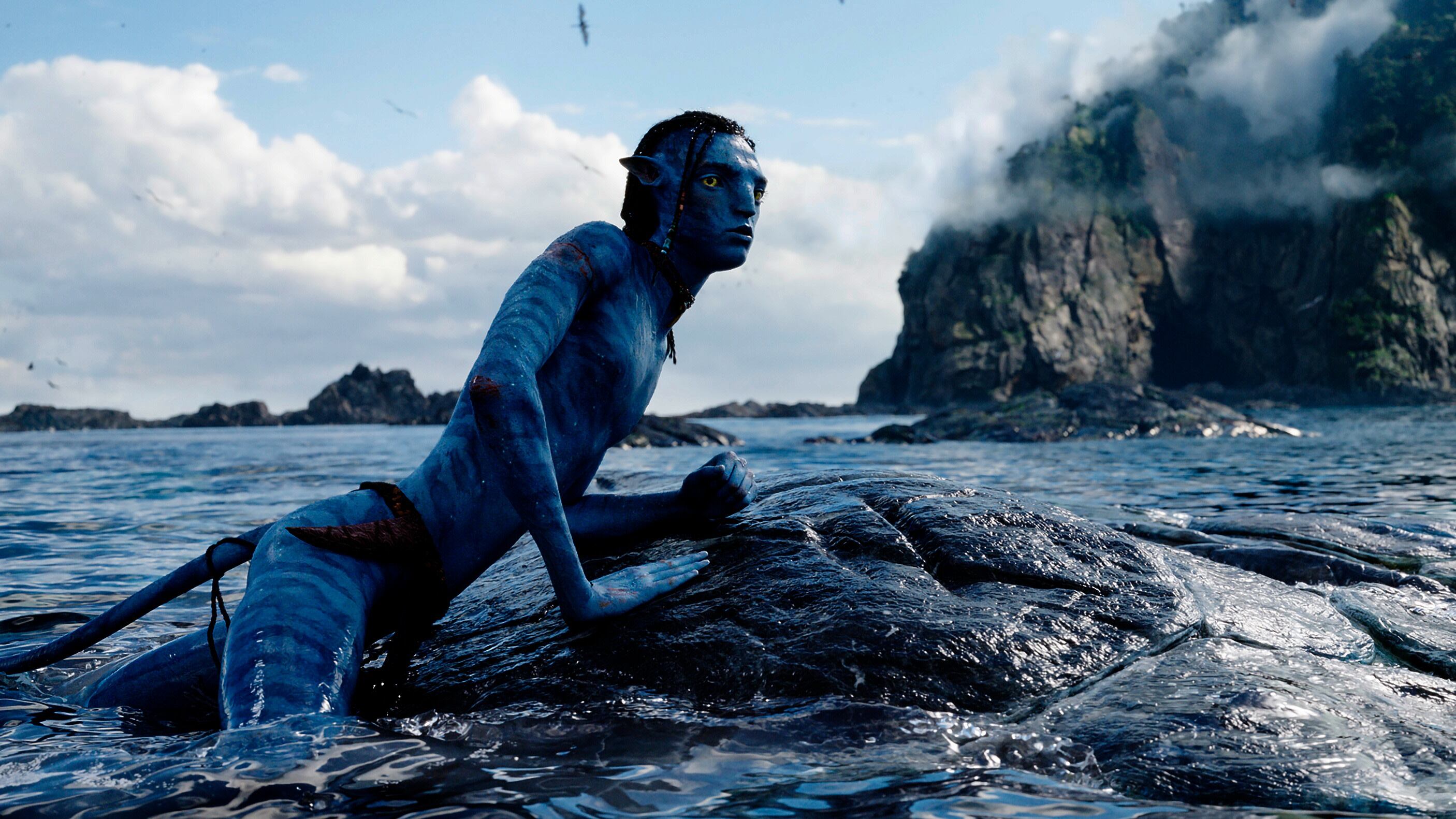
Disney and Fox on Wednesday announced they'd reached a new merger deal, after the media giant raised its offer for the assets of 21st Century Fox by about 35 percent. Disney will now pay $38 a share in cash or stock, compared to the original all-stock offer of $28. That values the assets at $71.3 billion. In a statement Fox called the deal "superior" to the $65 billion all-cash bid made by Comcast last week. But not everyone thinks Disney would benefit from an acquisition. Research firm Pivotal cut its rating on the stock from "hold" to "sell" earlier this week, saying the company finds itself in a lose-lose situation. If it raises its bid and wins the battle, that ultimately reduces the value it gets out of any deal. At the same time, if it loses its bid, it won't benefit from the synergies it was hoping to achieve. The two suitors are vying for properties that include Fox's TV and film studios, with rights to franchises like *X-Men*, *Avatar*, and *Simpsons*; its stake in Hulu; stakes in international outlets like India's Star TV and the UK's Sky; and cable channels including FX and National Geographic. Fox's board of directors are scheduled to consider Comcast's offer at a meeting on Wednesday. The company postponed those discussions to give shareholders a chance to examine the new deal.