Disney share prices fell on Tuesday following the release of the media titan's quarterly earnings report. The company's stocks were trading more than 2.5 percent up in the afternoon but fell sharply during after-hours trading.
According to the report, earnings per share fell from $1.87 from the third quarter of last year to $1.35, while analysts had expected a much lighter tumble to $1.75. Revenues also underperformed, reaching just $20.25 billion instead of the $21.47 billion anticipated by analysts.
The earnings report comes amid major shifts in Disney's business. This is the first quarter that takes into account the company's acquisition of 21st Century Fox, which was completed in late March. It also comes as Disney ($DIS) ramps up for the launch of Disney+, a streaming network that's meant to compete with Netflix.
Disney's studio entertainment — which handles its blockbuster films like "Aladdin" and "Avengers: Endgame" — saw its income grow to $3.8 billion this quarter.
While the company's direct-to-consumer business also surged, Disney attributed its operating losses to increased investment into ESPN+, a live sports streaming service, and the launch of the Disney streaming network, among other factors.
The company is hoping that latter platform will create a new revenue stream for its widely-popular franchises.
"This year, with the strongest year in the box office, in the company's history, I think that is by design," Andrew Freedman, managing director at Hedgeye Risk Management, told Cheddar. "All these big movies that are getting released are going to be used to drive acquisition for their Disney+ service next year."
He added that his company has maintained its expectation that Disney will reach 20 million subscribers in its first 12 months.
Disney also reported that its parks and experiences revenues grew by 7 percent, to $6.6 billion, but that area of its business does have vulnerabilities.
"We've been in this rip-roaring bull market for 10 years," said Freedman. "Make no mistake, Disney is consumer-mediated. It's a cyclical company. The theme parks have been driving a lot of the operating business and a lot of the upside for them. So to any extent you see a weakness in the consumer, it's going to hurt Disney."
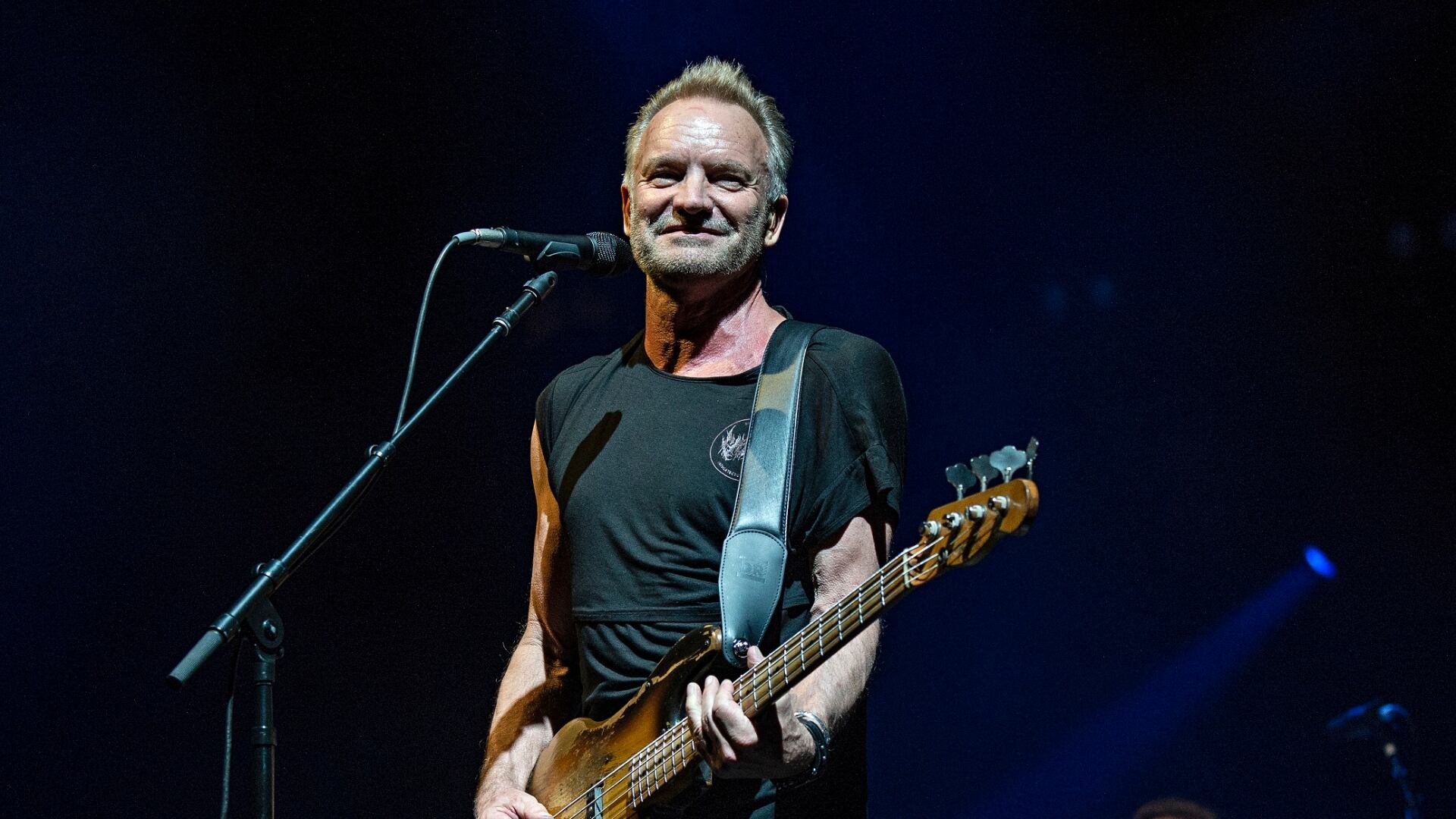
Sting has sold his catalog of more than 600 songs for $300 million to Universal Music. The deal gives the label the rights to all of his work, including “Every Breath You Take," as well as all future royalties.
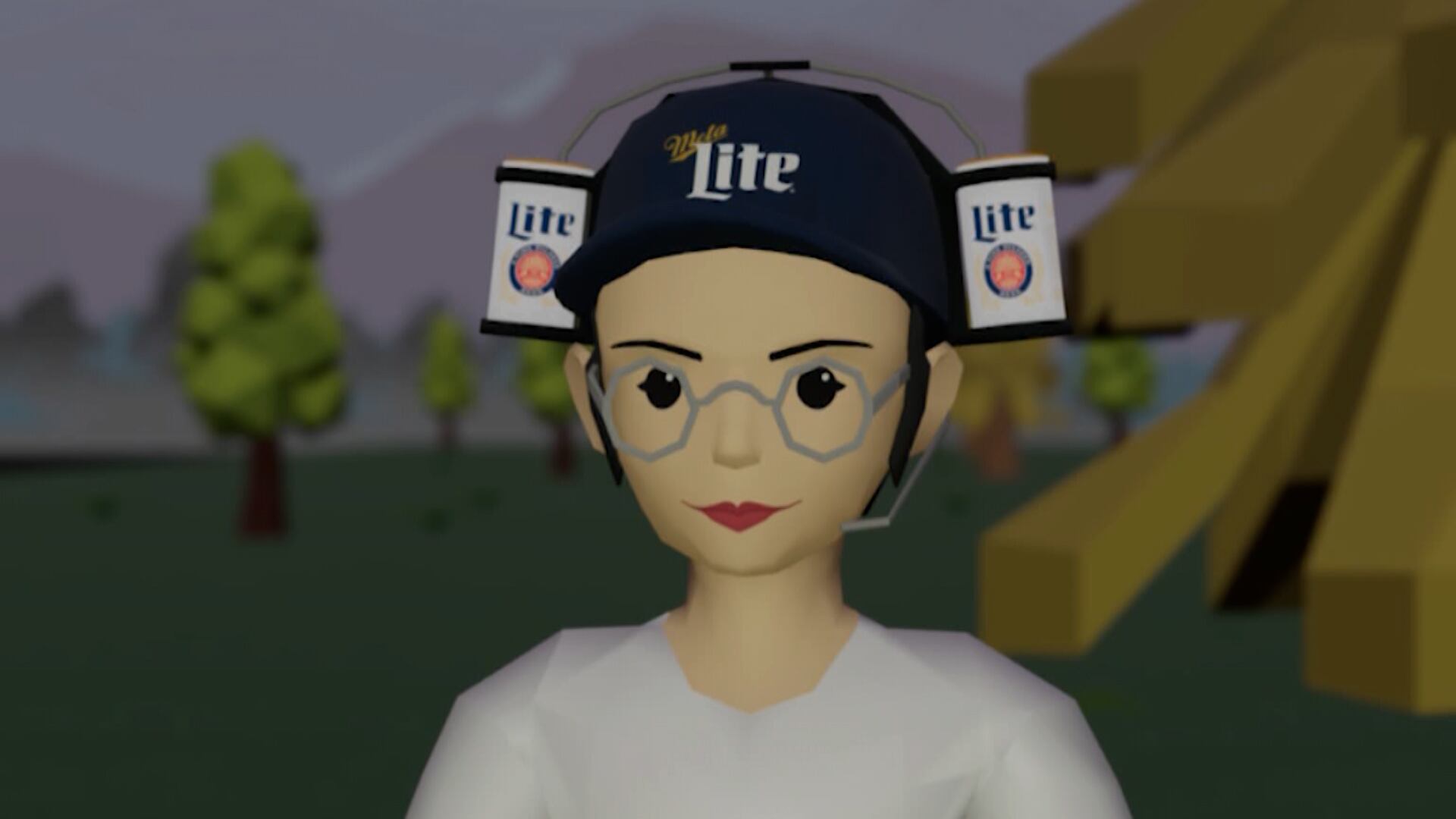
Miller Lite is opening the first branded bar in the metaverse, by way of Decentraland, as a way to advertise during the Super Bowl this year without buying an expensive TV commercial slot. Sofia Colucci, global vice president of Miller Family of Brands, joined Cheddar to talk about the new marketing concept. "We have a lot of great partnerships with NFL teams throughout the year but were shut out of advertising during the Super Bowl game, so this pushes us to think creatively and also think of what feels really relevant right now," Colucci said. "There's no question that there's a lot of excitement with the metaverse, and we wanted to participate but in a way that felt right for Miller Lite."
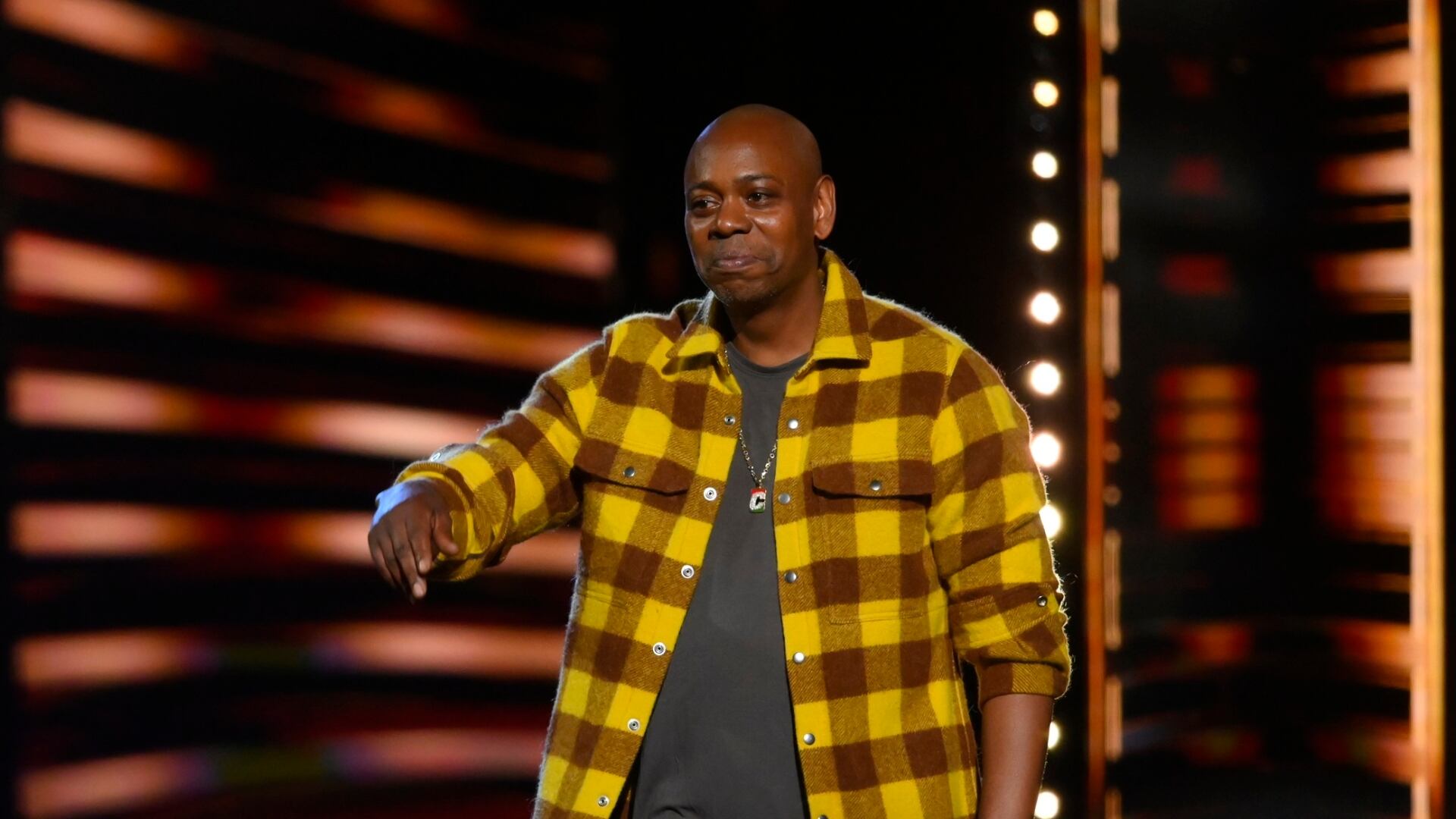
Plans to add affordable housing to a development in Yellow Springs, Ohio, were squashed after comedian Dave Chappelle and other community members spoke out against the project. Chappelle threatened to pull the plug on his local comedy club and restaurant projects if the development had been approved.
Jason Moser, Senior Analyst at The Motley Fool, joined Wake Up With Cheddar to talk about the big takeaways from Disney's Q1 report, which showed the company nearing 130 million Disney+ subscribers as parks revenue ticks up.
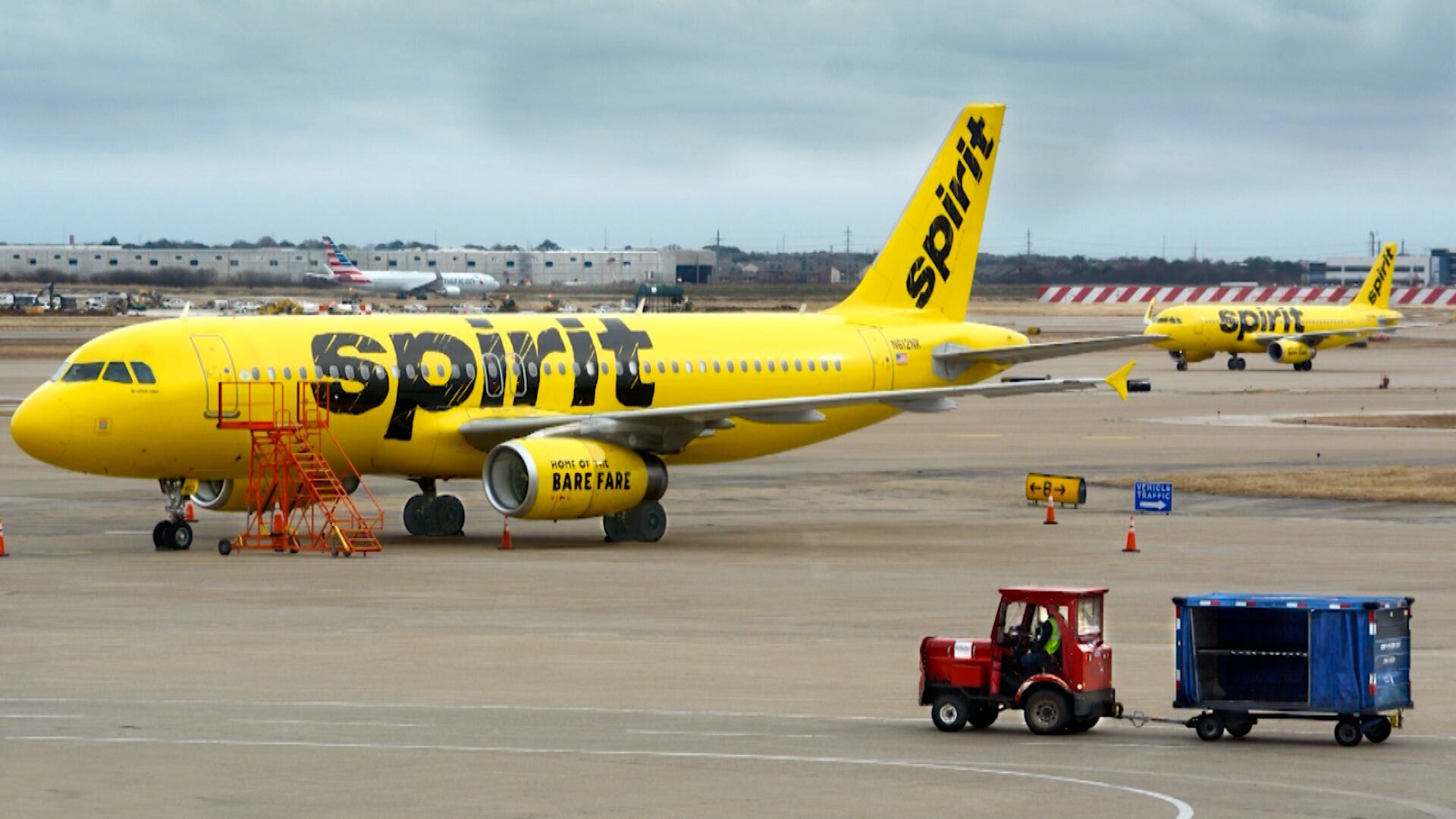
The airline industry is seeing a major consolidation as Frontier and Spirit Airlines have agreed to merge in a deal valued at $6.6 billion dollars. Frontier will control just over 51% of the company, and Spirit will control the other 48%, creating what would become the fifth-largest airline in the U.S. The deal was approved over the weekend, with Spirit CEO Ted Christie saying that the merger aims to create an aggressive, low-fare competitor focused on consumer-friendly pricing. John Grant, Senior Analyst at OAG explains the gravity of the merger, and the wider impact it could have on competition and the airline industry as a whole.
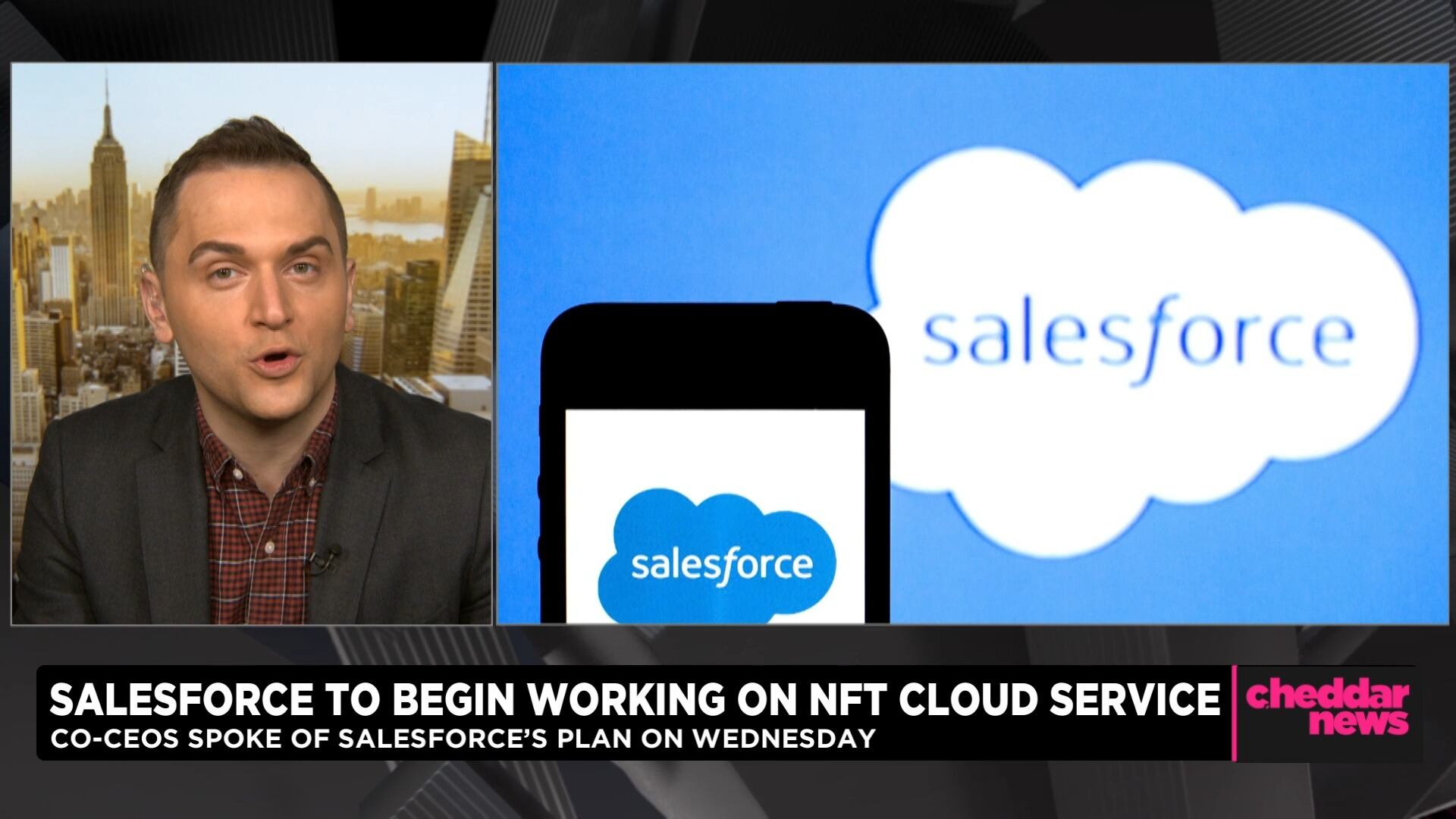
Cheeze, Inc. is a media platform that hopes to help photographers to tell stories through the use of NFT’s. Simon Hudson, founder and CEO of Cheeze, Inc. joined Cheddar News to explain the process as well as teasing its "Women of Authenticity" display for Women’s History Month. "We've made it very simple and focused very hard on reducing all of the friction to bring their items to the blockchain." Hudson explained. He also addressed reports that cloud software giant Salesforce could be getting into the NFT marketplace.
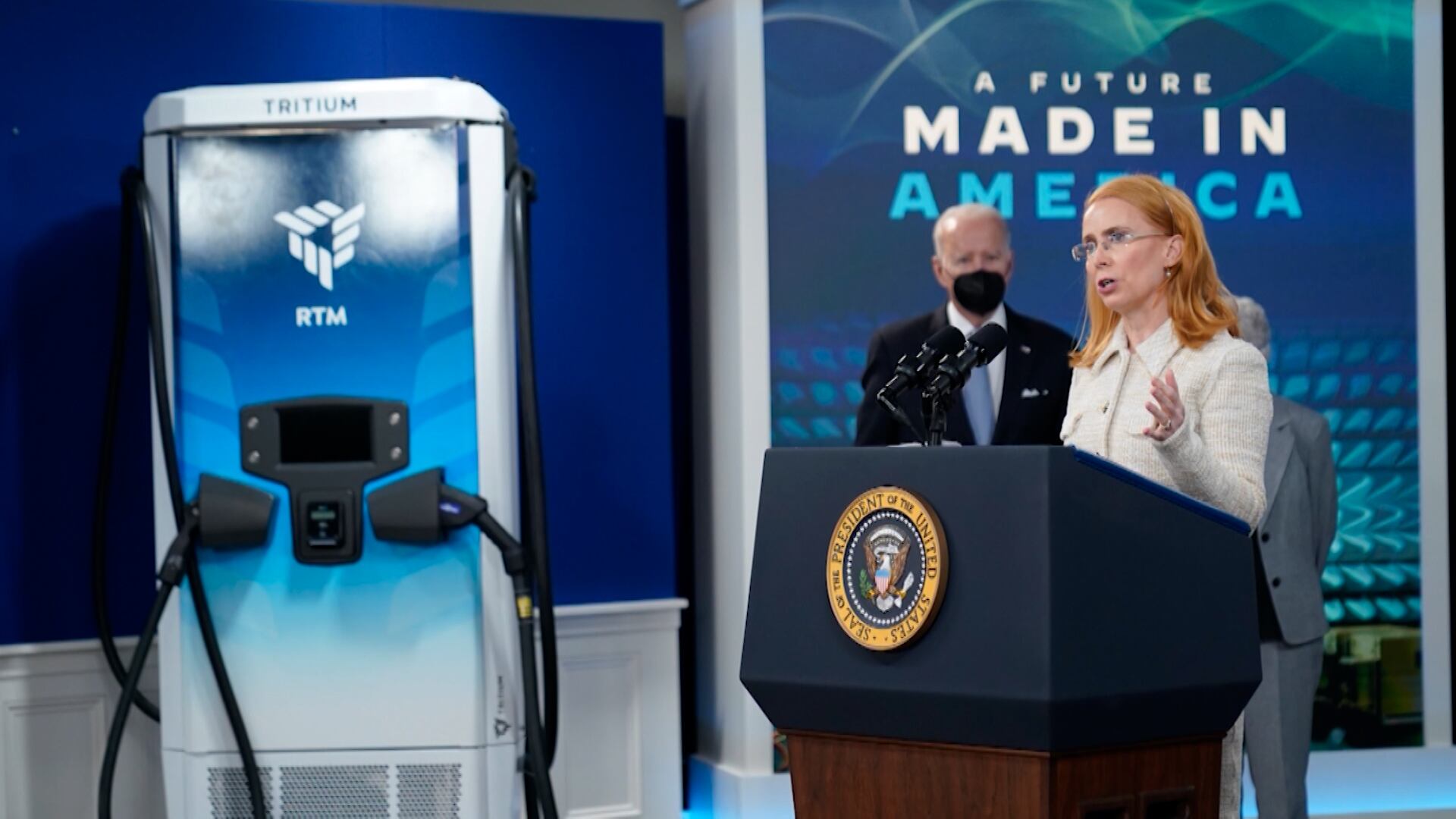
President Biden's push for electric vehicles is doing more than trying to hold off climate change as it also hopes to revive American manufacturing jobs. The latest company to open an EV charging production plant in the U.S. is Australia-based Tritium, looking to open its new Lebanon, Tennessee, facility in the fall of 2022. It's expected to create at least 500 jobs in the region and reach a production capacity of 10,000 charging units per year. Jane Hunter, CEO and executive director of Tritium, joined Closing Bell to discuss the plant, production capacity, and working with the Biden administration. "The policies that they put in place have directly driven demand for our fast charging products," she said. "Discussions that we have are just incredibly positive because this administration wants to have an electric superhighway that runs all across the country so that it's open equitably for all people to drive electric vehicles."