Disney share prices fell on Tuesday following the release of the media titan's quarterly earnings report. The company's stocks were trading more than 2.5 percent up in the afternoon but fell sharply during after-hours trading.
According to the report, earnings per share fell from $1.87 from the third quarter of last year to $1.35, while analysts had expected a much lighter tumble to $1.75. Revenues also underperformed, reaching just $20.25 billion instead of the $21.47 billion anticipated by analysts.
The earnings report comes amid major shifts in Disney's business. This is the first quarter that takes into account the company's acquisition of 21st Century Fox, which was completed in late March. It also comes as Disney ($DIS) ramps up for the launch of Disney+, a streaming network that's meant to compete with Netflix.
Disney's studio entertainment — which handles its blockbuster films like "Aladdin" and "Avengers: Endgame" — saw its income grow to $3.8 billion this quarter.
While the company's direct-to-consumer business also surged, Disney attributed its operating losses to increased investment into ESPN+, a live sports streaming service, and the launch of the Disney streaming network, among other factors.
The company is hoping that latter platform will create a new revenue stream for its widely-popular franchises.
"This year, with the strongest year in the box office, in the company's history, I think that is by design," Andrew Freedman, managing director at Hedgeye Risk Management, told Cheddar. "All these big movies that are getting released are going to be used to drive acquisition for their Disney+ service next year."
He added that his company has maintained its expectation that Disney will reach 20 million subscribers in its first 12 months.
Disney also reported that its parks and experiences revenues grew by 7 percent, to $6.6 billion, but that area of its business does have vulnerabilities.
"We've been in this rip-roaring bull market for 10 years," said Freedman. "Make no mistake, Disney is consumer-mediated. It's a cyclical company. The theme parks have been driving a lot of the operating business and a lot of the upside for them. So to any extent you see a weakness in the consumer, it's going to hurt Disney."
Cristyl Kimbrough, real estate attorney and star of 'Ladies Who List: Atlanta,' joins Cheddar News to discuss her new show on OWN and breaking into Atlanta's luxury real estate space.
Carl Tobias, professor of law at the University of Richmond, joins Cheddar News to talk about how Johnson & Johnson funded experiments on mostly Black men comparing the effects of talc and asbestos on their skin.
Amazon unveiled its new mobile app called Amp as a direct competitor to Clubhouse, allowing people to host live radio shows. Although it is still in beta, users can join the waitlist from the iOS store.
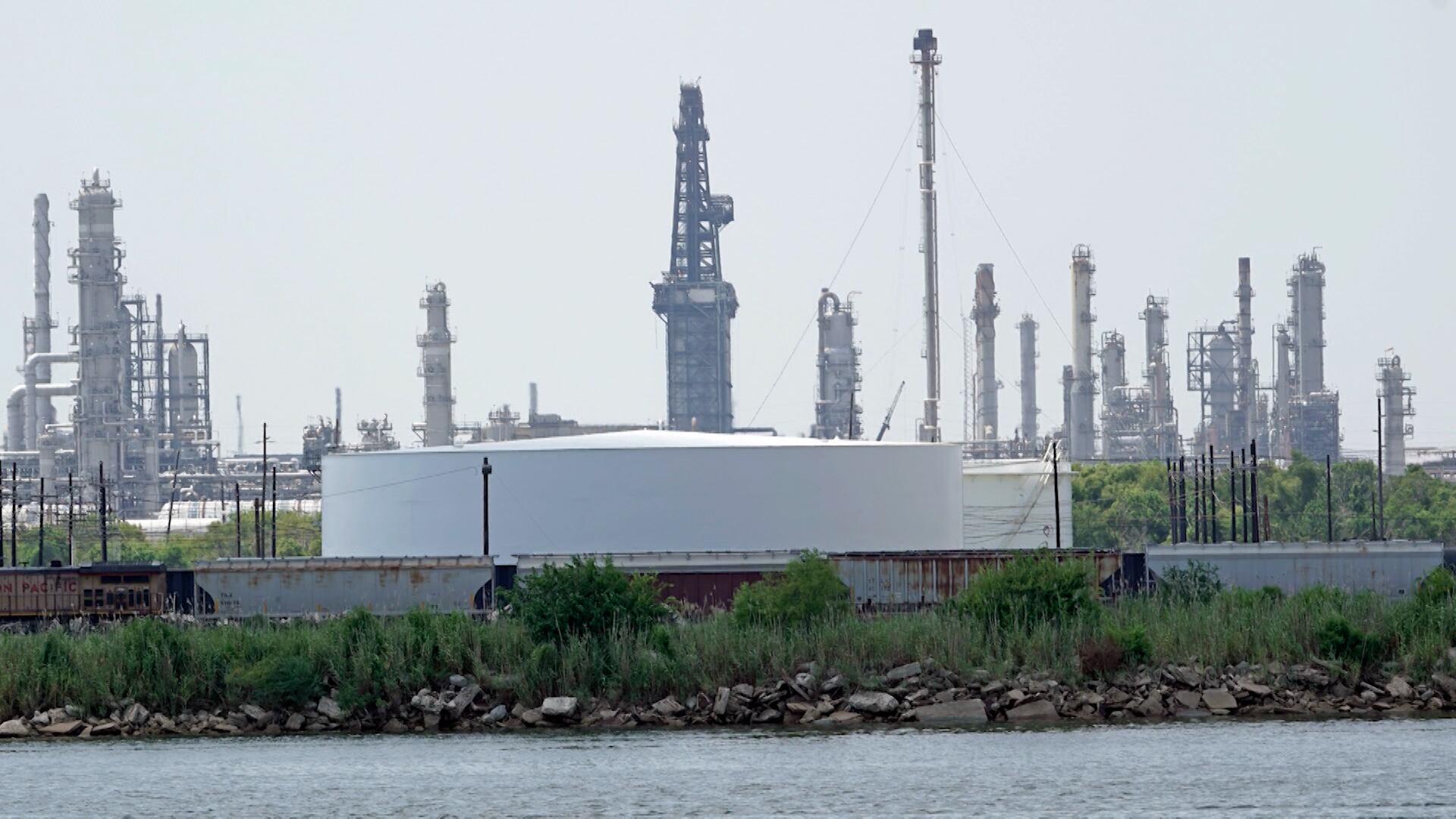
President Biden announced a ban on Russian oil and natural gas imports to the U.S. in response to its invasion of Ukraine, a move he warned could lead to an even greater surge in gas prices. The ban is prompting a conversation about the current oil production levels in the U.S. and whether or not the industry can ramp up production to soften the blow to American families at the gas pump. Clark Williams-Derry, Energy Finance Analyst with the Institute for Energy Economics and Financial Analysis, breaks down the state of the U.S. oil industry and how the ban might impact production levels here at home.
PepsiCo, Coca-Cola, McDonald’s, and Starbucks are the latest American food brands to have halted business operations in Russia after having faced scrutiny and criticism for originally failing to do so amid the country's invasion of Ukraine.
As Russia intensifies its war on Ukraine, President Biden announced a ban on oil imported from the aggressor nation. Critics of Russia have said this would be the best way to force Putin to pull back, but curbs on Russian oil exports are expected to send already skyrocketing oil and gas prices even higher, further impacting consumers, businesses, financial markets, and the global economy. Leslie Beyer, CEO of the Energy Workforce and Technology Council, joined Cheddar News' Closing Bell to discuss. "It's certainly going to increase pricing, but it is the right thing to do," she said. "The industry itself has already pulled out of the significant portion of its operations in Russia."
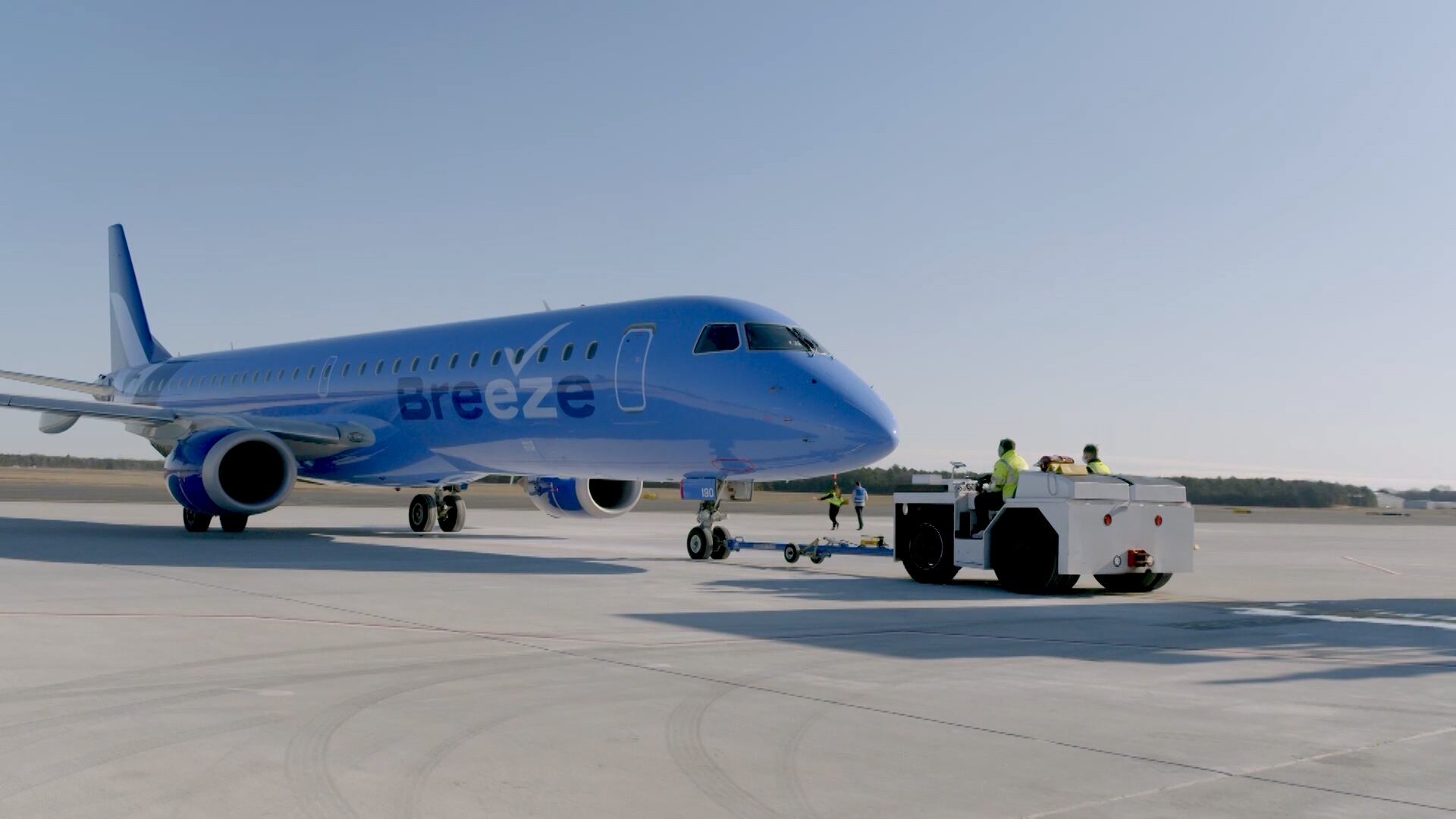
As airlines recover from COVID-19 and the industry becomes more competitive than ever, low-fare carrier Breeze Airlines is offering 35 new routes and reduced prices for its first-class experiences. CEO David Neeleman joined Cheddar News to talk about the rollout of services amid plenty of headwinds including high fuel costs. "We can limit a lot of costs because we're a technology company that happens to fly airplanes," he noted.