Disney share prices fell on Tuesday following the release of the media titan's quarterly earnings report. The company's stocks were trading more than 2.5 percent up in the afternoon but fell sharply during after-hours trading.
According to the report, earnings per share fell from $1.87 from the third quarter of last year to $1.35, while analysts had expected a much lighter tumble to $1.75. Revenues also underperformed, reaching just $20.25 billion instead of the $21.47 billion anticipated by analysts.
The earnings report comes amid major shifts in Disney's business. This is the first quarter that takes into account the company's acquisition of 21st Century Fox, which was completed in late March. It also comes as Disney ($DIS) ramps up for the launch of Disney+, a streaming network that's meant to compete with Netflix.
Disney's studio entertainment — which handles its blockbuster films like "Aladdin" and "Avengers: Endgame" — saw its income grow to $3.8 billion this quarter.
While the company's direct-to-consumer business also surged, Disney attributed its operating losses to increased investment into ESPN+, a live sports streaming service, and the launch of the Disney streaming network, among other factors.
The company is hoping that latter platform will create a new revenue stream for its widely-popular franchises.
"This year, with the strongest year in the box office, in the company's history, I think that is by design," Andrew Freedman, managing director at Hedgeye Risk Management, told Cheddar. "All these big movies that are getting released are going to be used to drive acquisition for their Disney+ service next year."
He added that his company has maintained its expectation that Disney will reach 20 million subscribers in its first 12 months.
Disney also reported that its parks and experiences revenues grew by 7 percent, to $6.6 billion, but that area of its business does have vulnerabilities.
"We've been in this rip-roaring bull market for 10 years," said Freedman. "Make no mistake, Disney is consumer-mediated. It's a cyclical company. The theme parks have been driving a lot of the operating business and a lot of the upside for them. So to any extent you see a weakness in the consumer, it's going to hurt Disney."
On this episode of ChedHER, Amira Rasool, CEO and Founder of The Folklore, discusses her $1.7 million pre-seed funding round and why she's being intentional about the investors she's working with; Brittany Merrill-Yeng, co-founder Skrewball Whiskey, reveals the origins of Skrewball Whisky, experiencing a period of rapid growth, and navigating a male-dominated industry; Suz Hernandez, Owner of MamaP, breaks down how her company is combining eco-friendly and sustainable products with a mission to donate to non-profits that help people and the planet.
On this episode of ChedHER: CEO of The Lactation Network breaks down how they are expanding access to lactation support for families nationwide; CEO of Vanta explains the importance of a security team for startups; Midwest Divison Area Manager at JPMorgan Chase discusses the perks of having a business mentor.
The global oil benchmark has crossed the $100 per barrel mark for the first time since 2014. Oil prices have surged nearly 10 percent since Russia's invasion of Ukraine. Russia is the number two oil producer in the world, and it comes at a time when global oil supplies have already been constrained over the course of the past year. Rob Thummel, portfolio manager at Tortoise, joined Cheddar Movers to discuss.
Russia's economy is falling on hard times as businesses throughout the world continue to shut out the country after its invasion of Ukraine. Cheddar News was joined by Christine McDaniel, Senior Research Fellow at the Mercatus Center, to learn more about the situation.
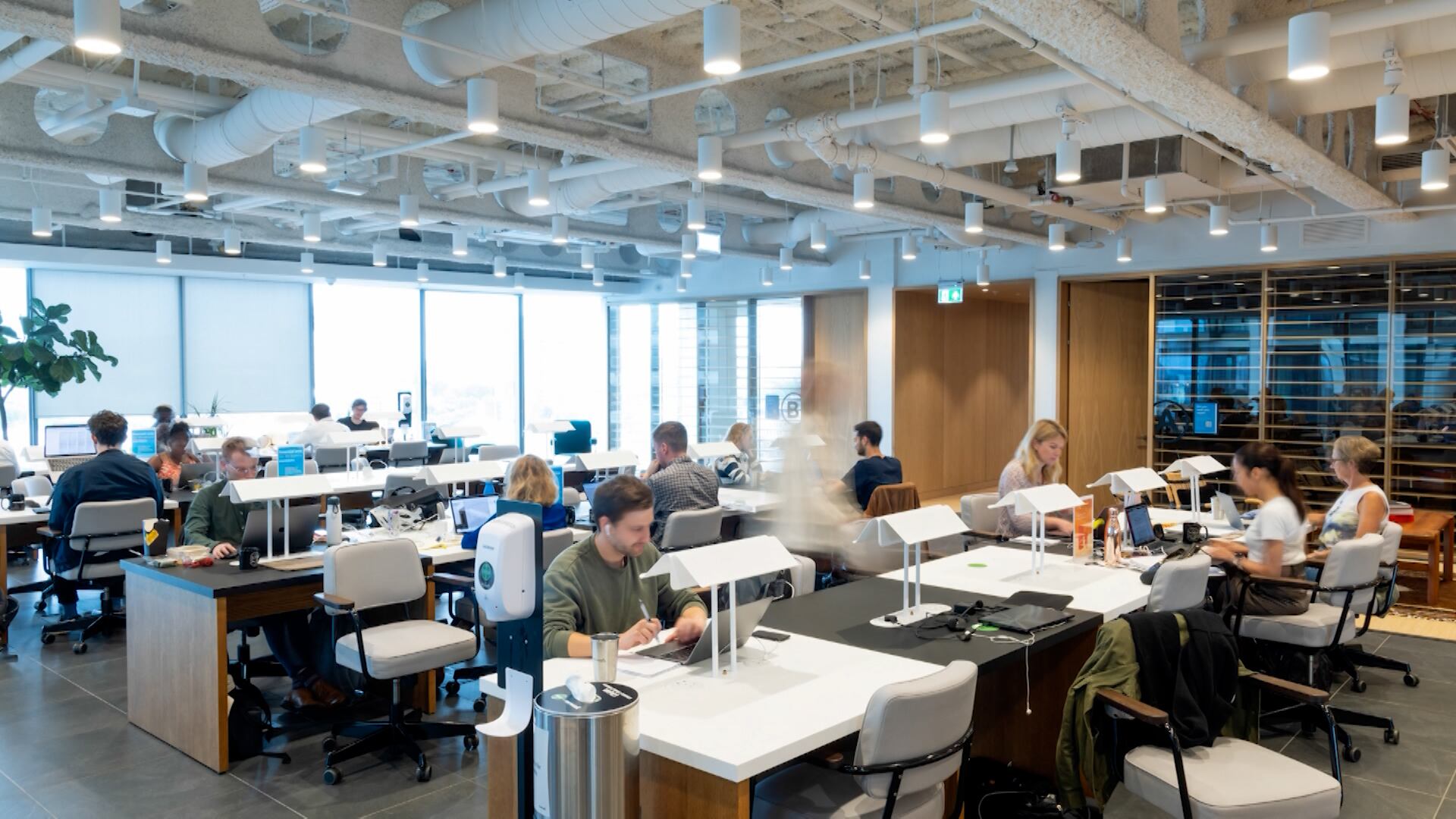
Tech companies such as Google, Apple, and Twitter are the latest to announce back-to-office plans. Google has asked its employees to return starting on April 4th. Heidi Brooks, senior lecturer in organizational behavior at Yale University School of Management, joins Cheddar News to discuss.
Businesses face more challenges for building a positive work environment as offices reopen. Workplace tech platform Envoy's At Work Report showed that hybrid work is currently in vogue, featuring focused work in both the office and at home. Annette Reavis, chief people officer for Envoy, joined Cheddar to discuss how employers can smooth the rough edges for their returning employees. "It is about hybrid though, it's really important for the future that we change our mindset from five days a week," she said. "Those are days of the past to working hybrids. So when you're in the office, you're focused, you're working cross-functionally."
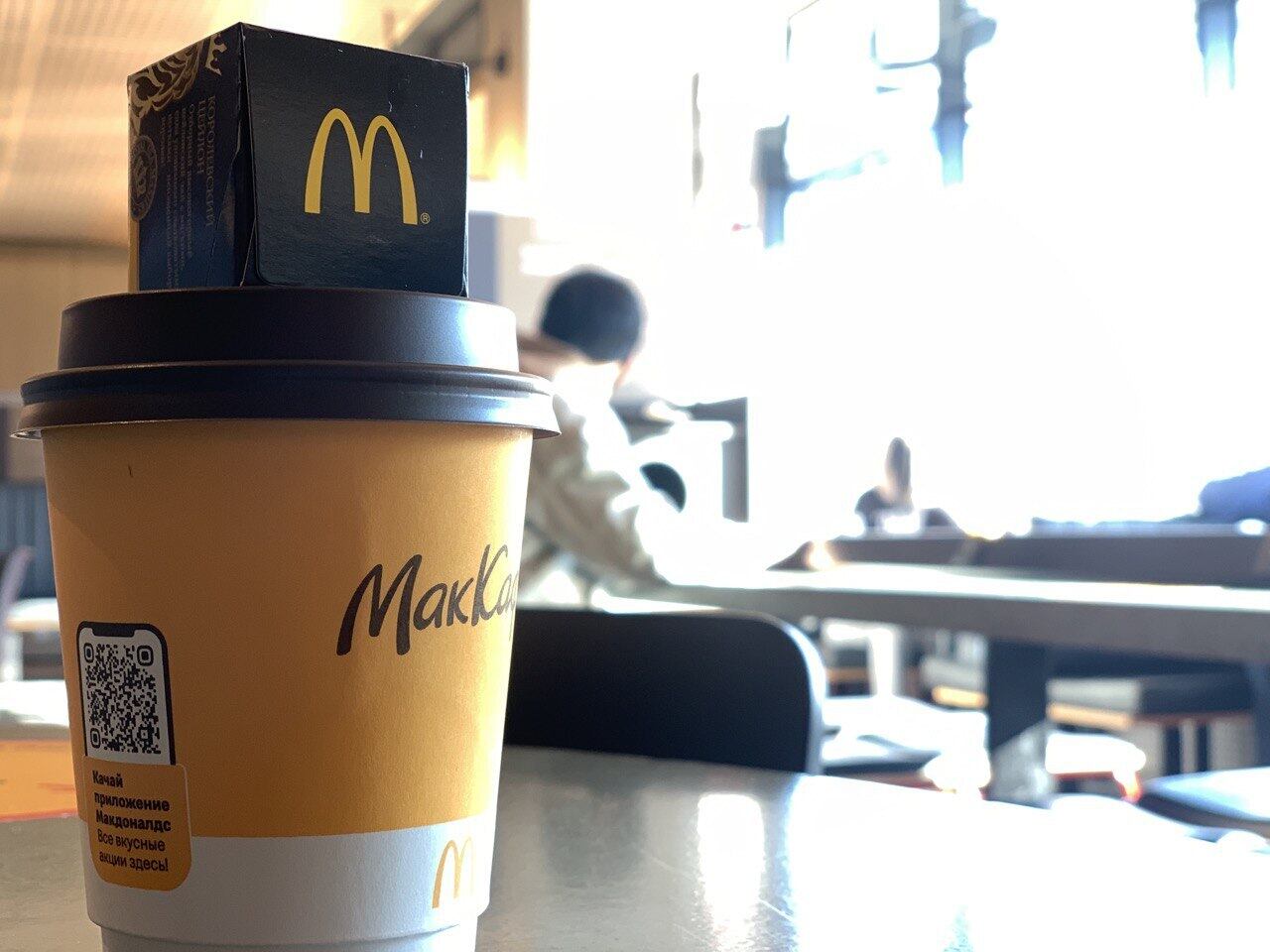
Following the invasion of Ukraine, a multitude of Western companies have paused doing business with Russia. PepsiCo, Coca-Cola, McDonald's, and Starbucks are the most recent companies to temporarily cease operations in Russia. Dean of Miami Herbert Business School at the University of Miami, John Quelch, joined Cheddar News to discuss what message this sends to Russia and the Russian consumer. “I would not underestimate the collective strength of all of these multinational companies, essentially coming together to make their collective statement in support of the political statements that have come out of Washington," he said.