Disney share prices fell on Tuesday following the release of the media titan's quarterly earnings report. The company's stocks were trading more than 2.5 percent up in the afternoon but fell sharply during after-hours trading.
According to the report, earnings per share fell from $1.87 from the third quarter of last year to $1.35, while analysts had expected a much lighter tumble to $1.75. Revenues also underperformed, reaching just $20.25 billion instead of the $21.47 billion anticipated by analysts.
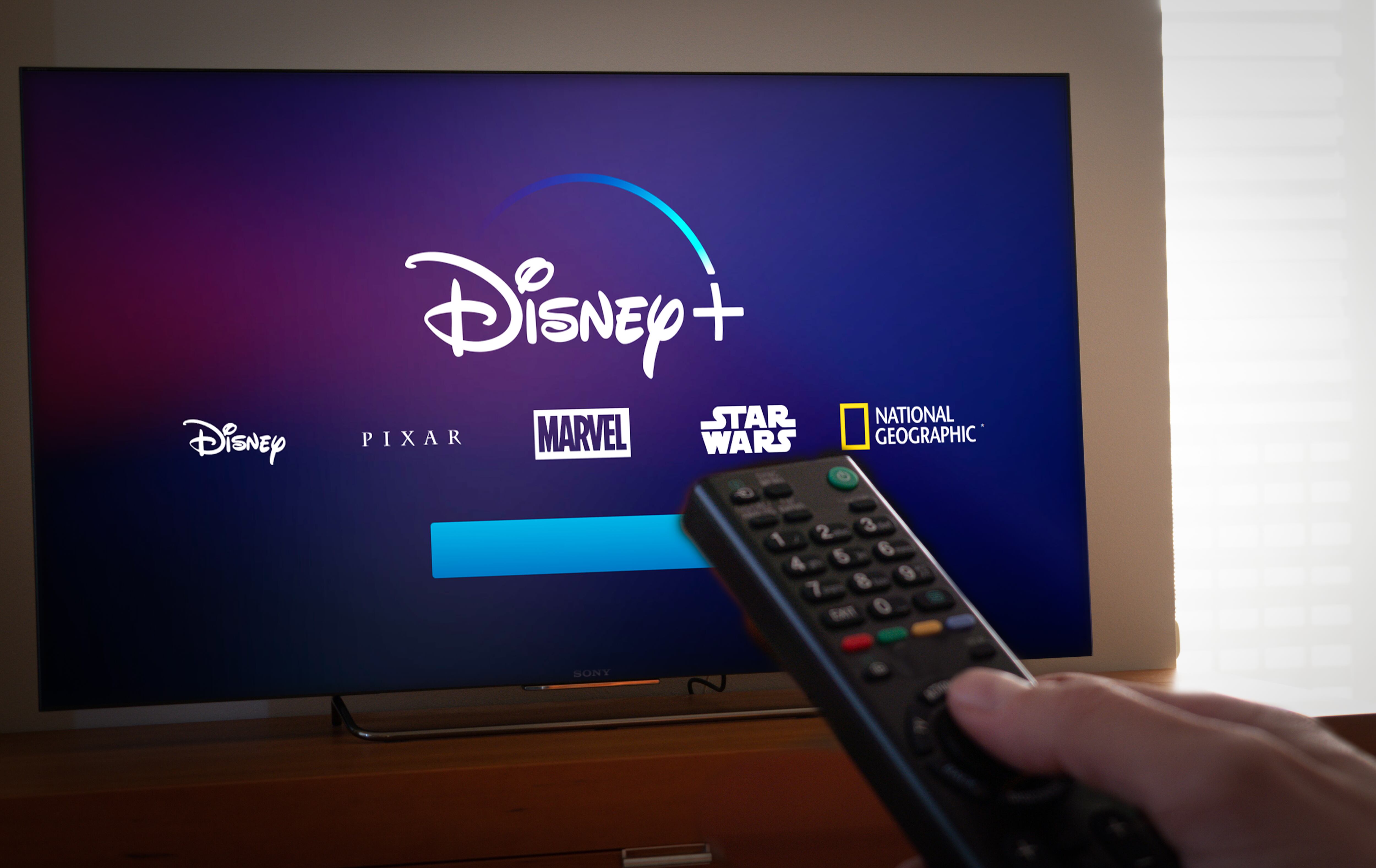
The earnings report comes amid major shifts in Disney's business. This is the first quarter that takes into account the company's acquisition of 21st Century Fox, which was completed in late March. It also comes as Disney ($DIS) ramps up for the launch of Disney+, a streaming network that's meant to compete with Netflix.
Disney's studio entertainment — which handles its blockbuster films like "Aladdin" and "Avengers: Endgame" — saw its income grow to $3.8 billion this quarter.
While the company's direct-to-consumer business also surged, Disney attributed its operating losses to increased investment into ESPN+, a live sports streaming service, and the launch of the Disney streaming network, among other factors.
The company is hoping that latter platform will create a new revenue stream for its widely-popular franchises.
"This year, with the strongest year in the box office, in the company's history, I think that is by design," Andrew Freedman, managing director at Hedgeye Risk Management, told Cheddar. "All these big movies that are getting released are going to be used to drive acquisition for their Disney+ service next year."
He added that his company has maintained its expectation that Disney will reach 20 million subscribers in its first 12 months.
Disney also reported that its parks and experiences revenues grew by 7 percent, to $6.6 billion, but that area of its business does have vulnerabilities.
"We've been in this rip-roaring bull market for 10 years," said Freedman. "Make no mistake, Disney is consumer-mediated. It's a cyclical company. The theme parks have been driving a lot of the operating business and a lot of the upside for them. So to any extent you see a weakness in the consumer, it's going to hurt Disney."