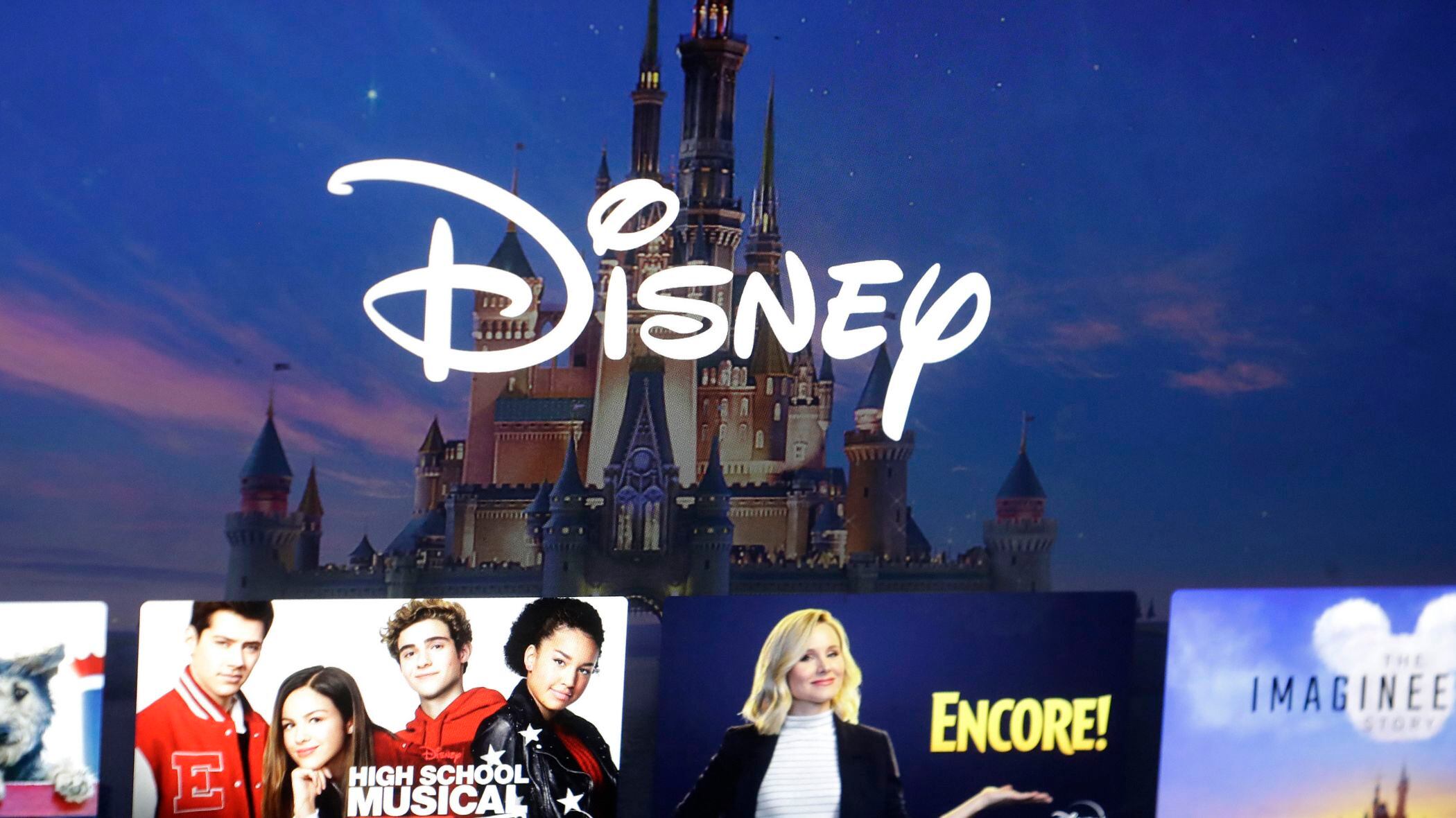
Disney said Monday that it is reorganizing its business units to focus even more on streaming.
The company said in August that its Disney Plus service has more than 60 million subscribers, and subscribers to its main combination of streaming services — Disney Plus, ESPN Plus, and Hulu — top 100 million. It still plans to launch another international streaming service called Star.
The coronavirus pandemic has hit box-office revenue by closing many theaters. Disney has released several major titles on streaming services that would traditionally have appeared at cinemas, like a live-action remake of "Mulan" and the upcoming Pixar film “Soul" that will hit Disney Plus at Christmas. Americans continue to drop their cable subscriptions, affecting the company's TV networks.
So the company is creating three content arms, one each for sports, general entertainment and its studios, which have famous brands including Star Wars and Marvel. Their primary focus will be on making shows and movies for streaming services, Disney CEO Bob Chapek said in a statement. Meanwhile, a new distribution group will centralize how the content is sold and oversee streaming operations.
Disney's are among a slew of new streaming services from tech and entertainment companies — like NBCUniversal's Peacock and WarnerMedia's HBO Max — that are challenging Netflix for consumers' attention and money. Disney Plus is considered one of the most successful so far.
Disney shares rose 5.6% in after-market trading on the news.
The self-proclaimed "only Post who worked at Kellogg" was a military veteran who fought in World War II before inventing everyone’s favorite fruit-filled breakfast ravioli.
Kevin Gordon, Senior Investment Research Manager at Charles Schwab, shares his thoughts on how investors can take advantage of the current bull market while keeping in mind the impacts of Fed policy and inflation.
Lab-created diamonds come with sparkling claims: that they are ethically made by machines running on renewable energy. But many don't live up to these claims or don't respond to questions about their electricity sources, and lab diamonds require a lot of electricity.
Geoff Freeman, president and CEO of the U.S. Travel association, explains why other nations are outcompeting the U.S., and the innovations that would put American back on top.
Tony Drake, founder of Drake & Associates, breaks down the latest CPI report, why ‘inflation is still trending down,’ and why the Fed doesn’t want to cut rates too soon.
Make sure your love don't cost a thing this Valentine's Day to any scammers. Note: we're not talking about your partner that didn't do the dishes after saying they would.