Disney Parks is lowering some prices and increasing benefits for guests in a bid to win back customers who felt nickel-and-dimed in recent years. Among other changes, the company is increasing the number of cheaper tickets available to guests, relaxing reservation requirements, and reintroducing complimentary overnight self-parking.
The policy changes come after a whirlwind couple of years for the House of Mouse. After shutting down completely early in the pandemic, former CEO Bob Chapek led an initiative to focus on getting visitors to spend more money rather than driving more traffic to the park. Chapek called the strategy "yield management."
This approach worked — for a while. Disney had some record quarters, with the experiences and parks division making $7.9 billion in profits in 2022, which was up from $6.8 billion in profits in 2019, but Disney's famously loyal park visitors could only take so much change. Multipleoutlets reported that the combination of higher costs and more restrictive policies was causing a backlash from customers.
The parks also implemented a number of changes related to the pandemic, such as requiring contactless payment, which also weren't received well by customers.
Now Disney is trying to win them back.
"As we step into this bright future it is important that we continuously evolve to help deliver the best guest experience possible," wrote Josh D’Amaro, parks and resorts chairperson, in a letter. "Many of you know that I’m in the parks fairly often … and I listen to you and to our guests about the things that are working … as well as the things that might need some change."
Disney is making these changes less than two months after CEO Bob Iger took the head role once again from Chapek for a two-year stint aimed at getting the company on firmer ground.
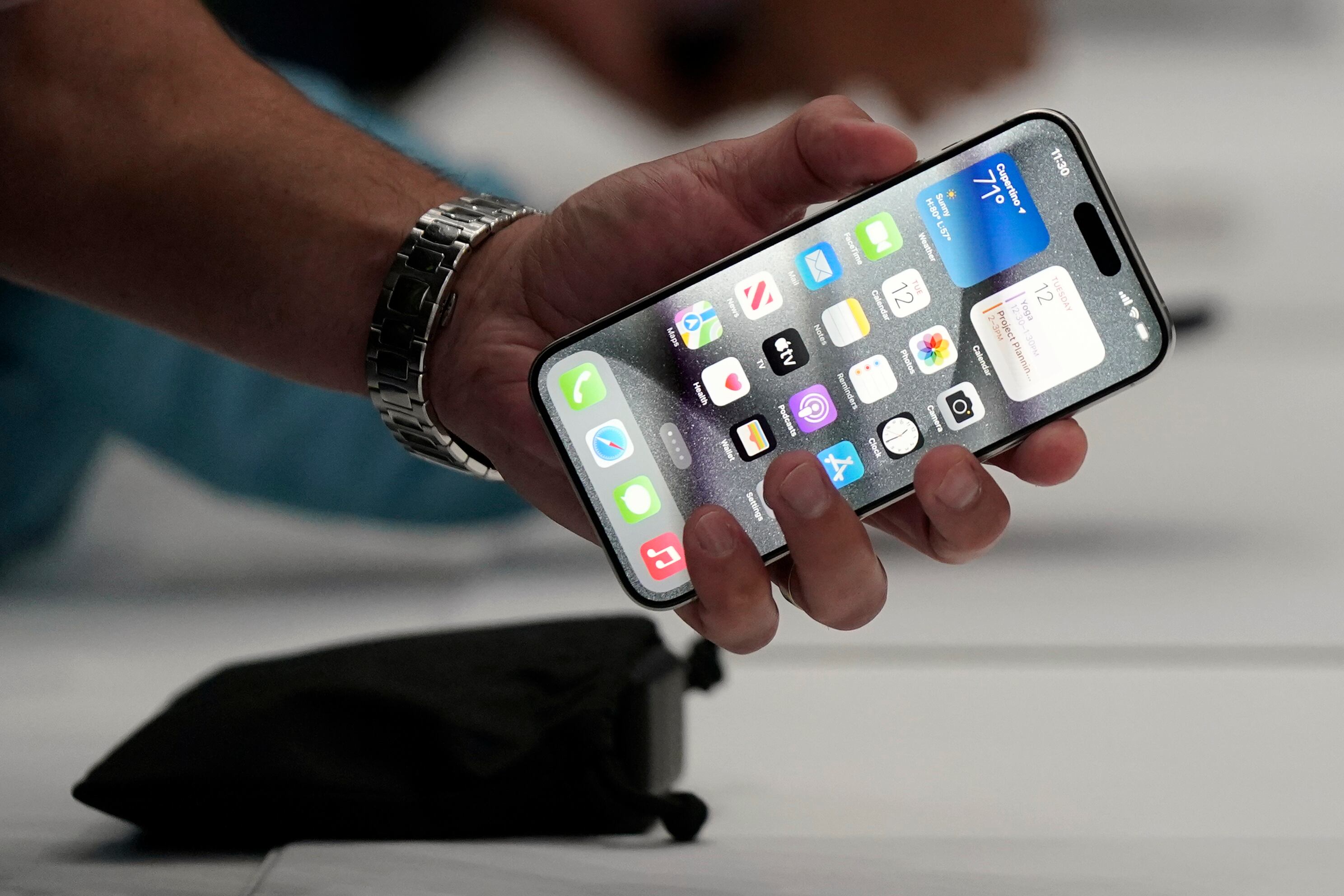
Apple has rolled out an update to its operating system this week with a feature called Stolen Device Protection. It makes it a lot harder for phone thieves to access key functions and settings, and users are being urged to turn it on immediately.
The U.S. economy grew at an unexpectedly brisk 3.3% annual pace from October through December as Americans showed a continued willingness to spend freely despite high interest rates and frustrating price levels.
Alan Becker, CEO and Investment Adviser Representative at Retirement Solutions Group and RSG Investments, shares his thoughts on the latest GDP data plus why he's not sold cryptocurrency as a long-term asset.
The Biden administration wants to ban another type of bank “junk fee," targeting fees that are typically charged by banks when a transaction is declined in real time.
Al Root, senior writer at Barron’s, breaks down everything expected from Tesla’s earnings report, from Elon Musk’s demands from the board to why the market has been looking for affordable EV options.
Online retailer eBay Inc. will cut about 1,000 jobs, or an estimated 9% of its full-time workforce. The announcement follows similar moves by other tech companies that ramped up hiring during the pandemic while people spent more time and money online.
Tony Drake, CFP at Drake and Associates, LLC shares thoughts on whether the record gains in technology will broaden to other sectors, the risks of the Fed keeping interest rates higher for too long, and the health of the U.S. consumer.