Discovery’s $11.9 billion acquisition of Scripps Networks is now complete, and the company has rebranded itself as Discovery, Inc.
Cheddar CEO Jon Steinberg spoke with chief exec David Zaslav on what this deal means for the company's position in entertainment.
Unlike Netflix, Amazon, and HBO, he said Discovery, Inc. will steer clear of scripted original content because that segment of the industry is increasingly crowded, competitive, and expensive.
“That marketplace is tightening. There’s more people bidding for the movies, more people bidding for series. The cost of content is going up,” said Zaslav.
Instead, Discovery, Inc. will focus on its strength: unscripted content that works better on all kinds of devices and around the world.
"We own all of our content globally," Zaslav told Cheddar. "But we'll resell that IP onto different devices. We might be selling it to Facebook, to Amazon, to Apple, to the mobile players."
That gives the company the flexibility to offer “skinny” direct-to-consumer packages.
“We’re the only company that could do it,” he said. “We’re also trying to really drive the marketplace ... We think the skinny bundle could really help the ecosystem here in the U.S.”
Through its acquisition, Discovery, Inc. now has 19 cable networks and reaches 20 percent of women watching prime time pay-TV, something that appeals to advertisers.
“Not only can we do one ad across all those channels...we have viewers that are passionate and engaged with our brands,” said Zaslav.
He added that some of the company’s channels bring in the “longest length of view for any cable network for women on TV.”
For the full interview, [click here](https://cheddar.com/videos/discovery-inc-ceo-david-zaslav-on-closing-scripps-deal).
A lot has changed since the pandemic began back in march 2020. COVID-19 caused a huge disruption in the U.S. labor force that is just beginning to normalize. As of last month, about 96% of jobs lost in the pandemic have returned. Still, where people work now looks very different from two years ago. Cheddar's Shannon Lanier looks at where the jobs are now and where they aren't.
Dave Burg, EY Americas Cybersecurity Leader, joins Cheddar News to discuss the rise of quantum computing and how it can compromise existing security measures at play today, and what the timeline looks like for quantum computing to become a reality.
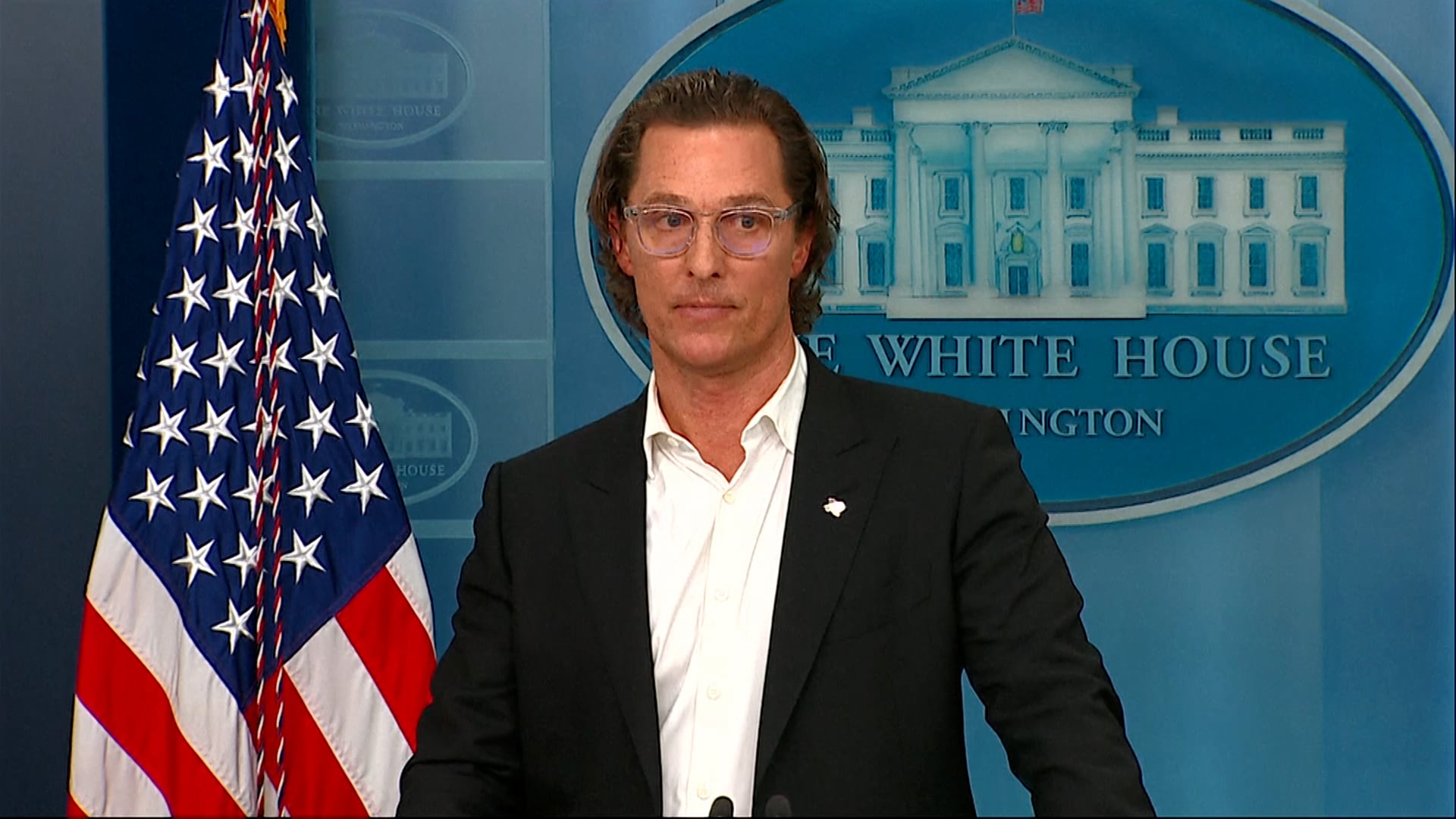
Getting you caught up on the stories you need to know this morning: Matthew McConaughey lends his voice to the gun control fight in congress, at least 30 people were injured in Germany after a car plows into a crowd, and a new weight loss drug shows promising results.
Michelle Bond, CEO of the Association for Digital Asset Markets, joins Closing Bell, where she breaks down the Responsible Financial Innovation Act, which would not only establish a regulatory structure for digital assets, but hand over crypto oversight to the CFTC instead of the SEC.
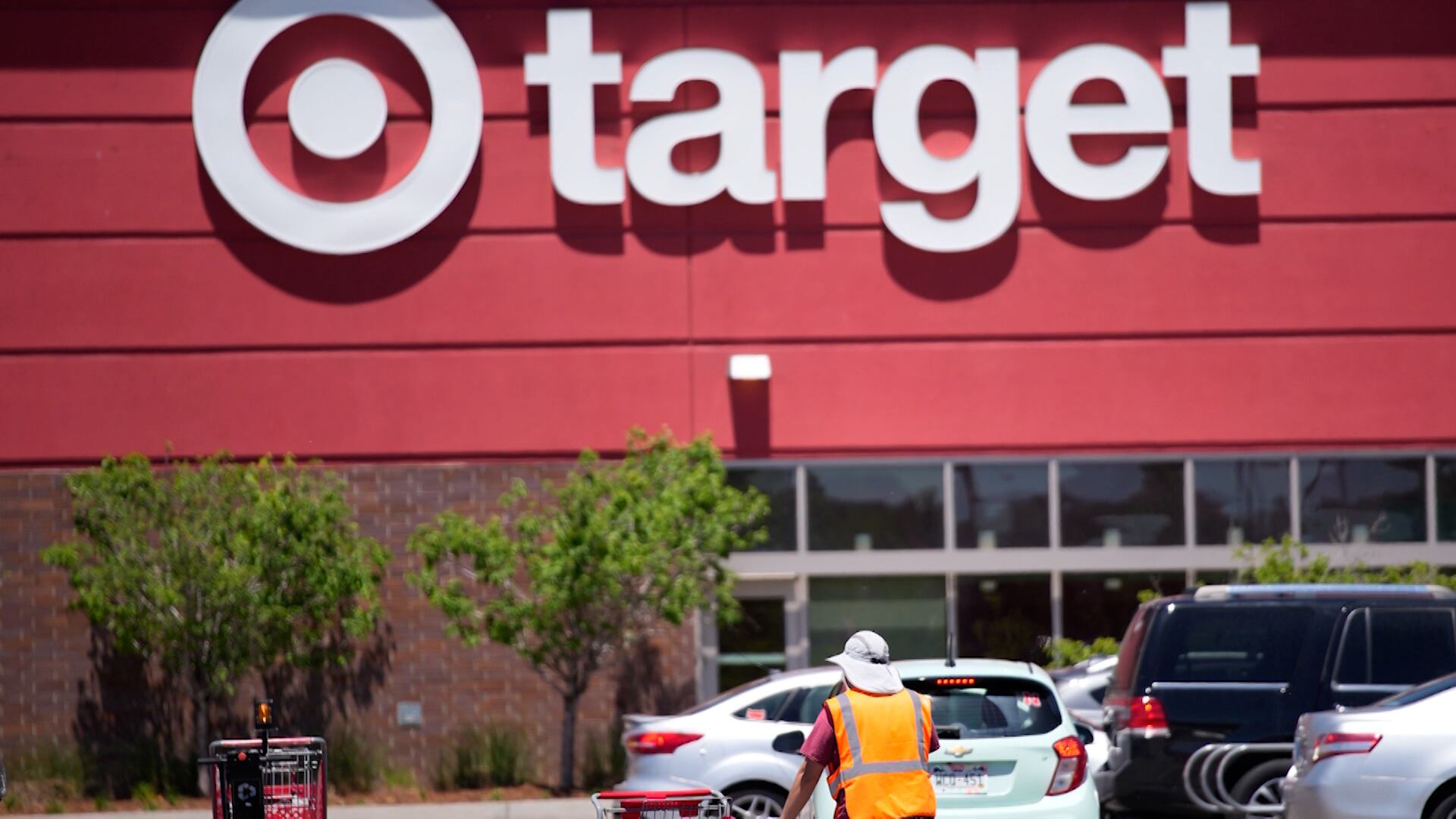
Caleb Silver, Editor-in-Chief at Investopedia, joined Closing Bell to break down what Target's lowered forecast means for the retail industry ahead of Friday's CPI report.
Jim Corridore, Senior Insights Manager at Similarweb, joined Closing Bell to break down the competing offers from JetBlue and Frontier as both airlines look to join forces with Spirit Airlines.
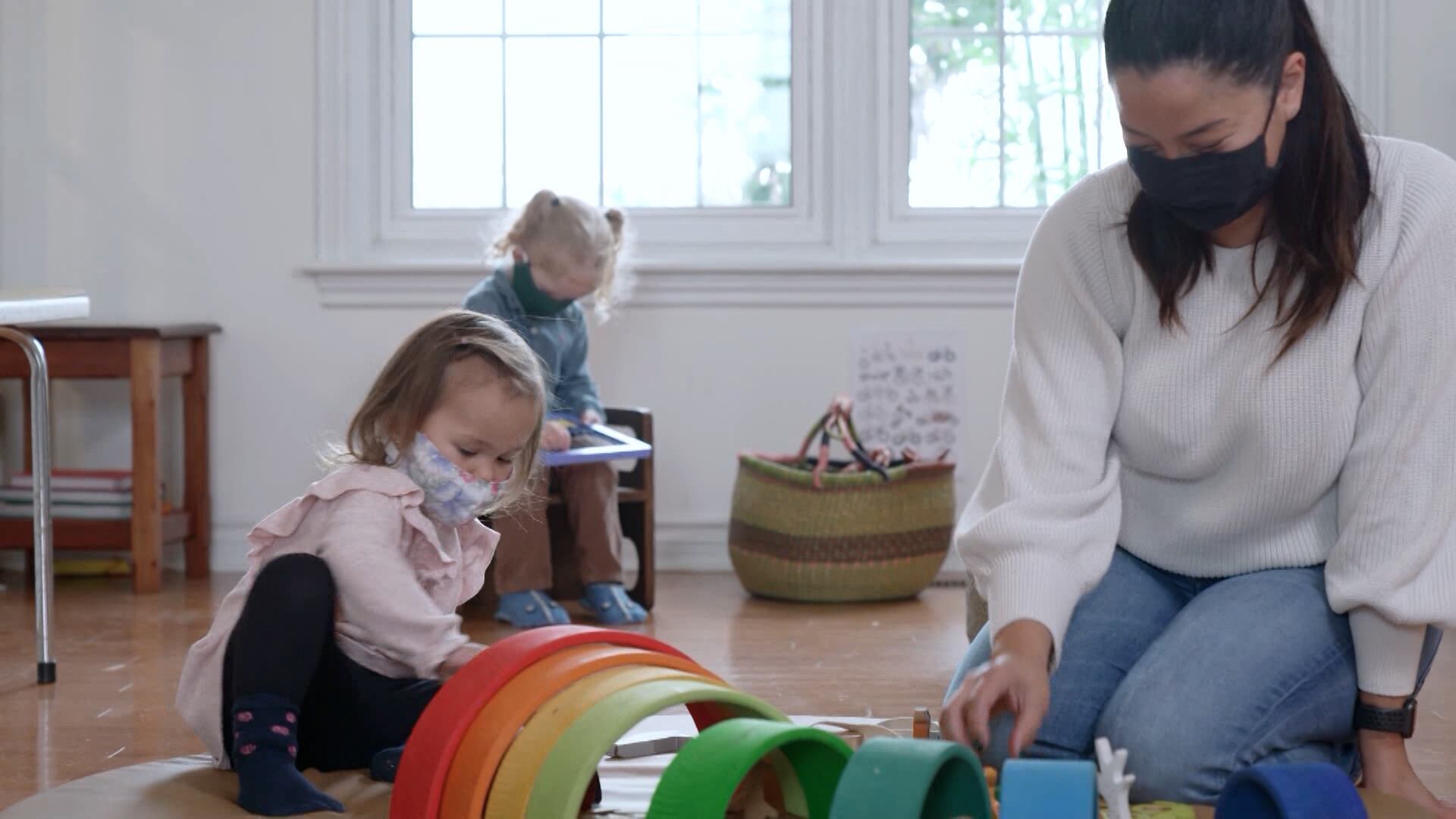
Child care marketplace startup Kinside announced raising $12 million in a Series A round led by venture capitalists who are mothers themselves. The company aids parents searching for affordable child care easier by providing concierge support in a marketplace of verified professionals and helping them tap into flexible spending accounts (FSA) and other benefits. Founder and CEO Shadiah Sigala joined Cheddar News to talk about the fresh funds and the ongoing effects of the pandemic on the care of young children.
Apple revealed its plans for new IOS software, products, and more at its Worldwide Developers Conference. However, new features added to iMessage, including options to delete and edit already sent text messages, stole the show.