Digital Payment Service Zelle Looks to Close Loopholes
*By Conor White*
Digital payment service Zelle is expected to grow its user base by 73 percent in 2018, and overtake rival Venmo in the process, according to a new forecast from eMarketer. But the growth has little to do with user preferences or word of mouth ー rather, it's because Zelle is readily available inside the apps of more than 30 U.S. banks.
With such wide availability, though, comes the risk of fraud.
"Any financial product is confronted with these kinds of fraud issues," explained Ravi Loganathan, head of business intelligence at Early Warning Services, the company that created the Zelle app. "On the fraud side, we are well below any industry benchmarks out there."
But according to an April report by the New York Times, Zelle is especially vulnerable thanks to aspects of its design: all someone needs is a phone number or email address, and the user is not always notified when money is transferred into or out of an account.
In an interview Wednesday on Cheddar, Loganathan insisted Early Warning Services is fixing the loopholes being exploited by hackers.
"What we are doing is working actively with the financial institutions to strengthen and to do the education and training that is needed for consumers to better understand how to use the service and then how to also detect fraudsters."
The improvements come at a crucial time. According to a new study from Zelle, 75 percent of millennials have used a digital peer-to-peer payment service at least once, and 49 percent use one weekly.
For the full segment, [click here.](https://cheddar.com/videos/zelle-examines-consumer-payment-tech-and-behavior)
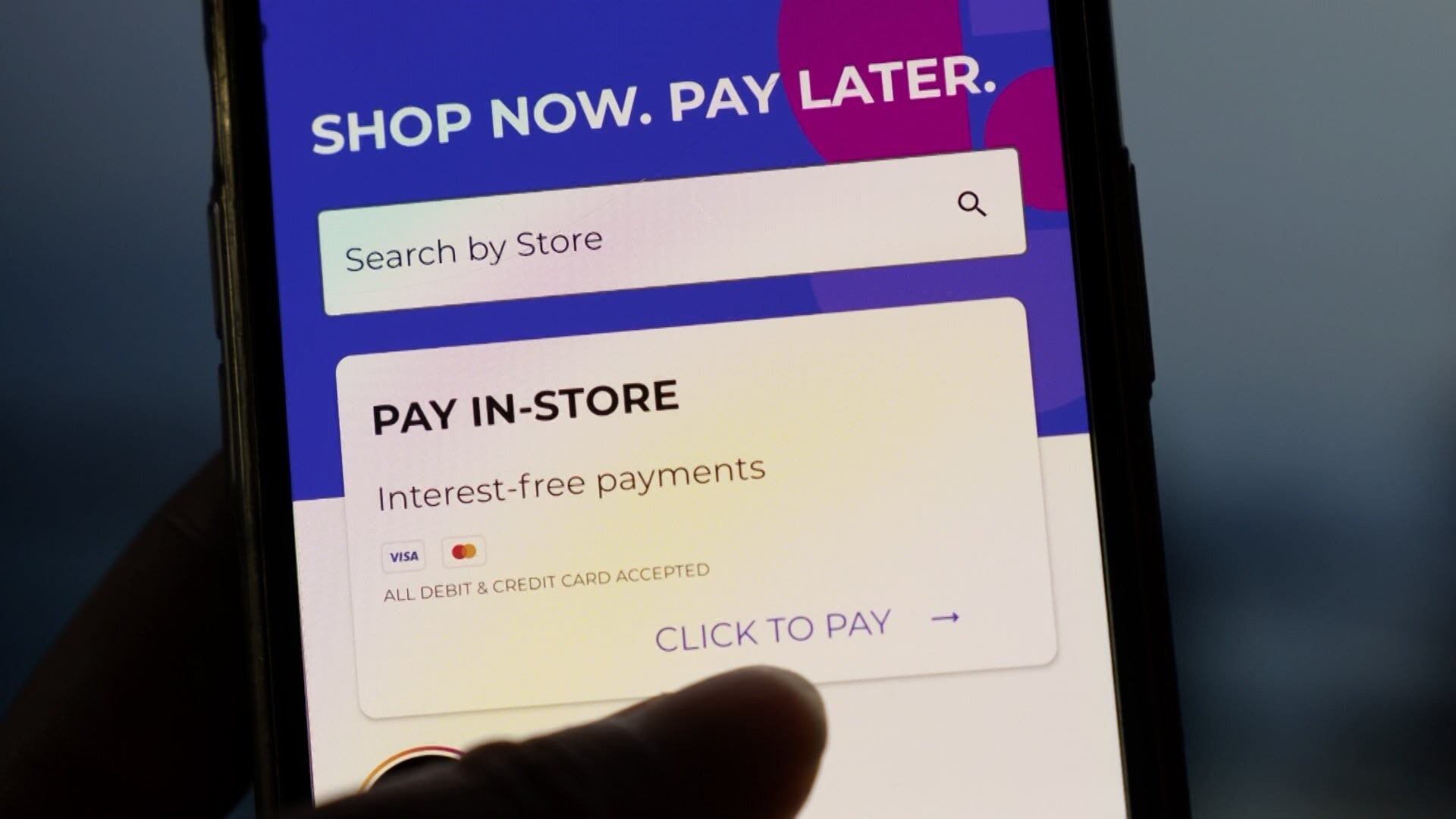
Buy now, pay later — or point-of-sales loans — might be making it difficult to get a handle on your credit. These companies typically do not report payment history during transactions, so without this data going to credit scoring companies, it makes it difficult to know how many loans a customer still needs to pay. Experts are recommend paying off these debts as soon as possible.
As manufacturing and shipping continue to face staffing challenges, robotic replacements are increasingly on their way to plug the gaps. Cheddar's Alex Vuocolo takes a deeper look at the latest trend.
Tiffany Johnson, CEO of Built for Launch, joins ChedHER to discuss the Black Founders Ecom Pledge that provides tools and resources for Black founders to build, launch, and scale a successful e-commerce business.
Tech-enabled residential hospitality company Mint House recently raised $35 million in a Series B round led by Mohari Hospitality. Mint House was described by one of its backers as 'the best of a hotel without the worst of a hotel, and the best of an Airbnb without the worst of an Airbnb.' Mint House offers apartment-style lodging across the country. The company claims its spaces combine the comfort of a home with the luxury of a hotel in order to give guests all of the perks and none of the tradeoffs. Will Lucas, Founder and CEO of Mint House, joins Cheddar News' Closing Bell to discuss.
Social media platforms walk a fine line when it comes to free speech, especially when posts lead to real-life negative consequences. Texas lawmakers are trying to enforce a law that would prohibit platforms from taking any action when it comes to malicious or violent posts, and they insist it does not violate the First Amendment. But the Supreme Court thinks otherwise, at least for now. Matt Schruers, President of the Computer & Communications Industry Association, joins Closing Bell to discuss what threat the Texas law poses to social platforms, why his organization sued over the law, what it could mean for users, and more.