Digital Payment Service Zelle Looks to Close Loopholes
*By Conor White*
Digital payment service Zelle is expected to grow its user base by 73 percent in 2018, and overtake rival Venmo in the process, according to a new forecast from eMarketer. But the growth has little to do with user preferences or word of mouth ー rather, it's because Zelle is readily available inside the apps of more than 30 U.S. banks.
With such wide availability, though, comes the risk of fraud.
"Any financial product is confronted with these kinds of fraud issues," explained Ravi Loganathan, head of business intelligence at Early Warning Services, the company that created the Zelle app. "On the fraud side, we are well below any industry benchmarks out there."
But according to an April report by the New York Times, Zelle is especially vulnerable thanks to aspects of its design: all someone needs is a phone number or email address, and the user is not always notified when money is transferred into or out of an account.
In an interview Wednesday on Cheddar, Loganathan insisted Early Warning Services is fixing the loopholes being exploited by hackers.
"What we are doing is working actively with the financial institutions to strengthen and to do the education and training that is needed for consumers to better understand how to use the service and then how to also detect fraudsters."
The improvements come at a crucial time. According to a new study from Zelle, 75 percent of millennials have used a digital peer-to-peer payment service at least once, and 49 percent use one weekly.
For the full segment, [click here.](https://cheddar.com/videos/zelle-examines-consumer-payment-tech-and-behavior)
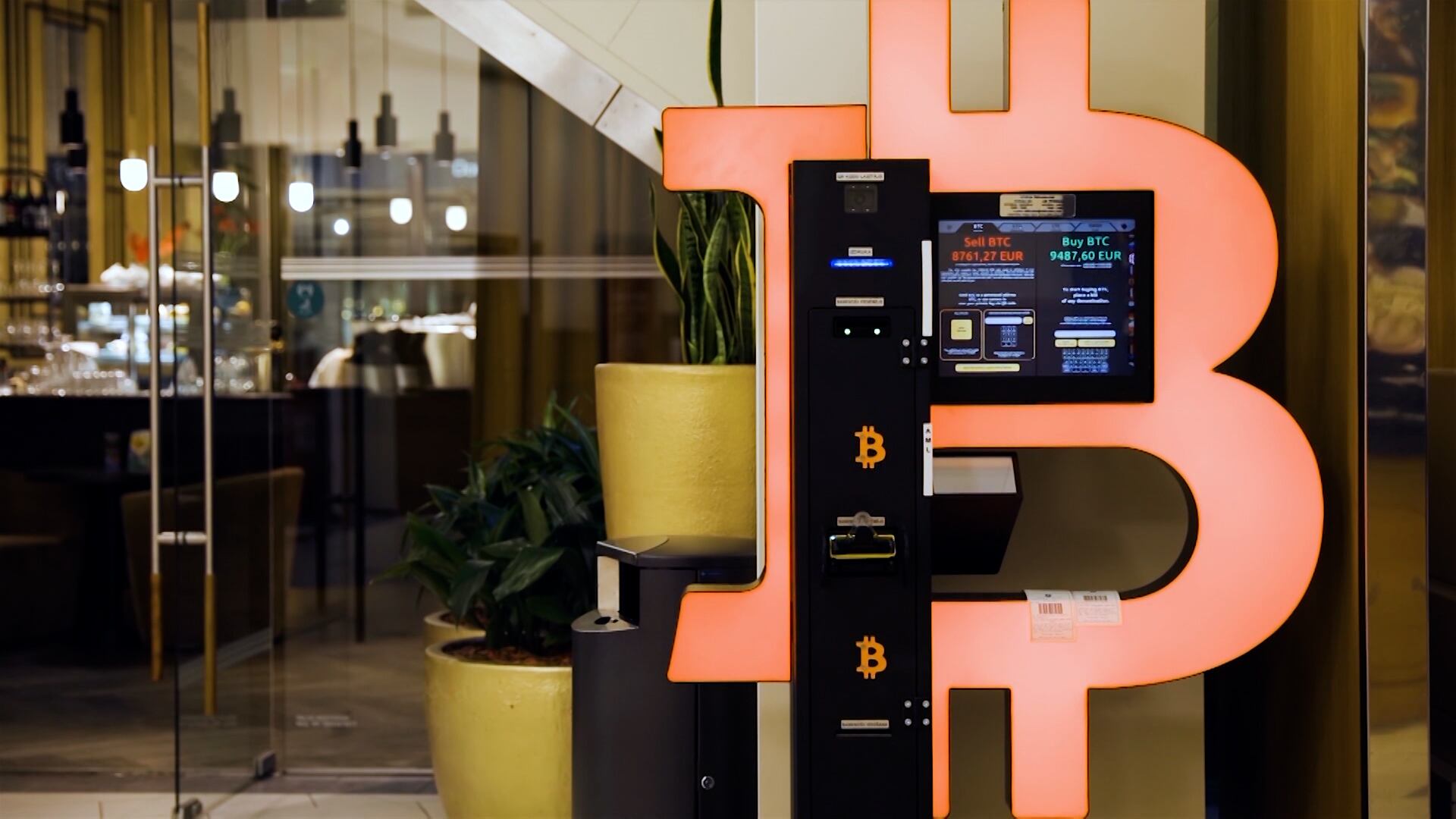
Bitcoin received its first update in four years called Taproot. Unlike the previous bitcoin update in 2017, Taproot has widespread support — in part because these changes involve fairly incremental improvements to the code. Christie Harkin, tech managing editor at CoinDesk, explained what the move could mean for the future of cryptocurrencies as a whole.
Snap has announced a licensing deal with Sony Music, giving its social media platform Snapchat access to the label's entire catalog. The deal now gives the company agreements with all of the major industry labels.
Kyndryl isn't wasting any time as an independent company. Just over a week after spinning off from IBM, the IT infrastructure services provider has announced its first global strategic partner in Microsoft. The two tech giants are coming together to form a new kind of power duo, creating multi-billion dollar revenue opportunities between the companies. Stephen Leonard, global alliances & partnerships leader for Kyndryl, told Cheddar more about the partnership and what it aims to achieve.
Bitcoin has successfully activated Taproot, the cryptocurrency's first major upgrade since 2017 and a highly anticipated change to the blockchain. Taproot will introduce what's known as Schnorr signatures, which will help transactions become more private, efficient and perhaps even less expensive. Robert Hackett, a cryptocurrency expert and journalist, breaks down the new upgrade and what it means for bitcoin users.
Jill is joined by Baker Machado to talk all things infrastructure: where will the money go and who’s in charge? Plus, Sesame Street has its first Asian-American muppet. And a trailer for the trailer for Spiderman. Huh?
Virtual reality startup Sandbox VR recently announced it raised $37 million Series B funding round. It is a location-based VR company, a space that was hit hard during the pandemic. Sandbox was eventually forced to file for bankruptcy; however, the company is emerging from the pandemic with a fresh round of funding and plans to open new retail locations around the world. Sandbox VR CEO Steve Zhao joins Cheddar News' Closing Bell to discuss.