Digital Payment Service Zelle Looks to Close Loopholes
*By Conor White*
Digital payment service Zelle is expected to grow its user base by 73 percent in 2018, and overtake rival Venmo in the process, according to a new forecast from eMarketer. But the growth has little to do with user preferences or word of mouth ー rather, it's because Zelle is readily available inside the apps of more than 30 U.S. banks.
With such wide availability, though, comes the risk of fraud.
"Any financial product is confronted with these kinds of fraud issues," explained Ravi Loganathan, head of business intelligence at Early Warning Services, the company that created the Zelle app. "On the fraud side, we are well below any industry benchmarks out there."
But according to an April report by the New York Times, Zelle is especially vulnerable thanks to aspects of its design: all someone needs is a phone number or email address, and the user is not always notified when money is transferred into or out of an account.
In an interview Wednesday on Cheddar, Loganathan insisted Early Warning Services is fixing the loopholes being exploited by hackers.
"What we are doing is working actively with the financial institutions to strengthen and to do the education and training that is needed for consumers to better understand how to use the service and then how to also detect fraudsters."
The improvements come at a crucial time. According to a new study from Zelle, 75 percent of millennials have used a digital peer-to-peer payment service at least once, and 49 percent use one weekly.
For the full segment, [click here.](https://cheddar.com/videos/zelle-examines-consumer-payment-tech-and-behavior)
This year's worldwide semiconductor shortage limited the supply of everything from new cars to smartphones; and now, many in the chip industry expect the shortage to continue deep into 2022, and maybe even 2023. Semiconductor senior research analyst for Robert W. Baird & Co., Tristan Gerra, joins Cheddar News' Closing Bell to discuss.
Pavel Bains, the Executive Producer of MixMob and CEO of Bluzelle, joins Cheddar News' Closing Bell to elaborate on an opinion piece he wrote for CoinDesk in which he compares the cultural significance of crypto to hip hop in the 1990s.
Direct health care company Nomi Health recently raised $110 million in a Series A round. Nomi Health lets public and private organizations directly purchase healthcare at reduced costs, and pay providers in real-time. It also delivers healthcare directly to under-served communities via its fleet of mobile care units, which the company says is the largest in the country. Nomi Health says its mission is to improve the health care experience for all Americans. Nomi Health CEO Mark Newman joined Cheddar News' Closing Bell to discuss.
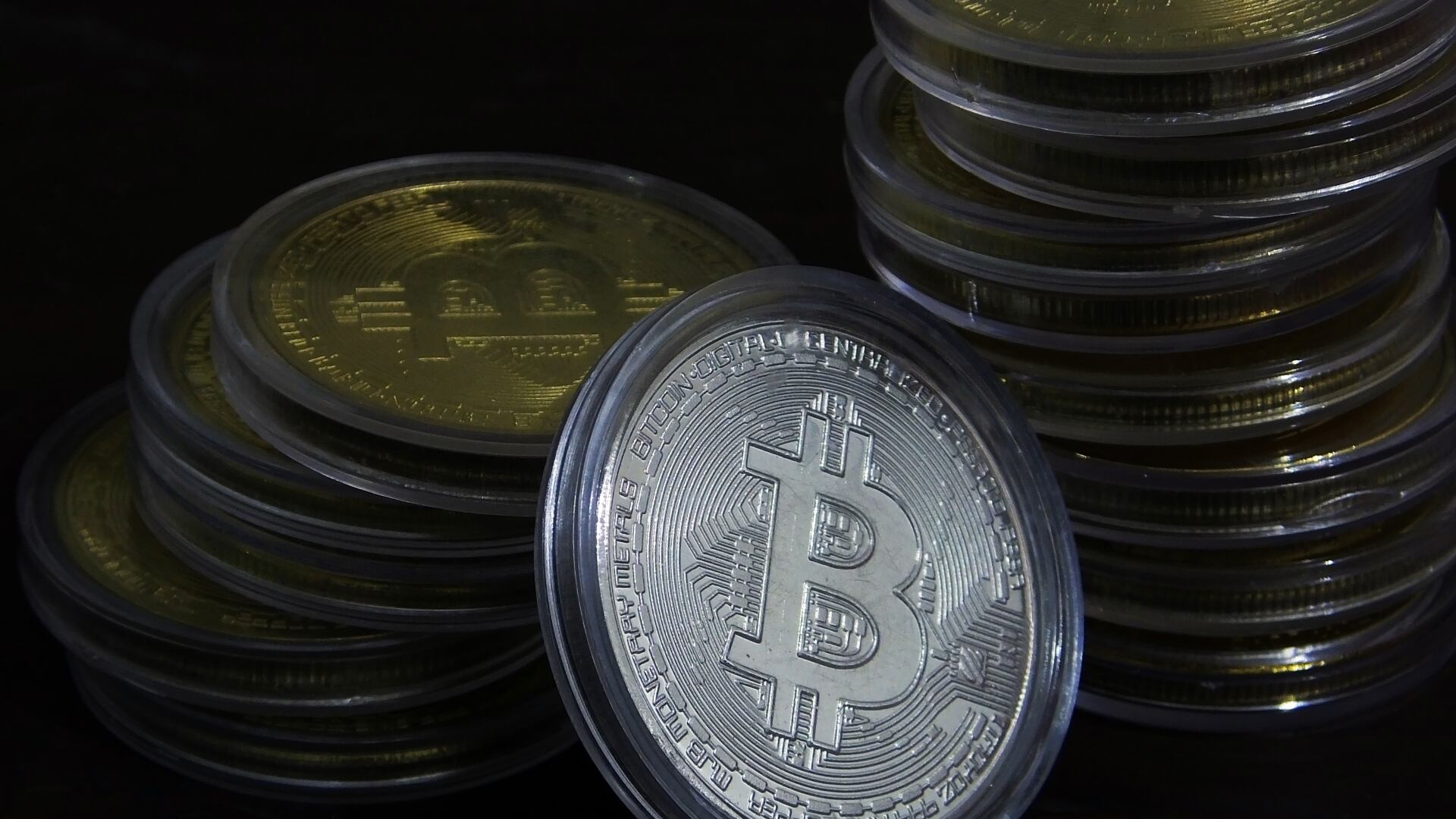
Bitcoin's rise to the mainstream has been a wild ride this year. The cryptocurrency is trading a little under $49,000 Wednesday morning and is set to finish the year sharply higher than where it began earlier this year. Ether prices also soared this year, rising from $730 per coin to nearly $4,000. Ben Armstrong, founder of Bitboy Crypto, joins us to discuss what's in store for crypto in 2022.
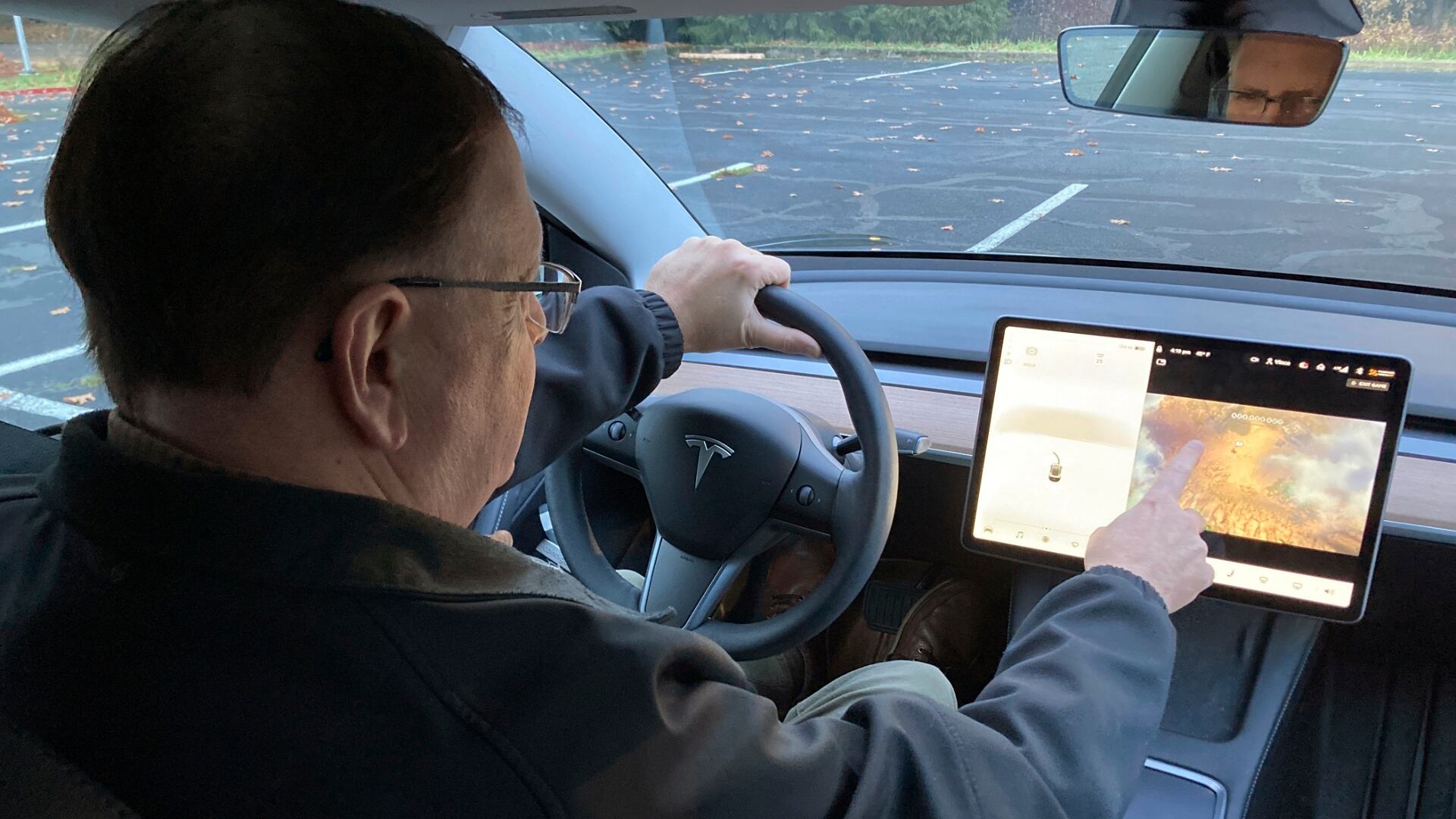
The NHTSA is investigating Tesla over the potential for crashes and distracted driving due to its front touch screen "Passenger Play" game option. The probe covers 580,000 vehicles for all four models from 2017 to 2022.
Google CEO Sundar Pichai addressed staff about workplace culture concerns after they expressed issues with what they perceived as a lack of honesty, candor, and humility from their executives. Pichai attributed some of the challenges to remote communication during the ongoing pandemic.