Digital Payment Service Zelle Looks to Close Loopholes
*By Conor White*
Digital payment service Zelle is expected to grow its user base by 73 percent in 2018, and overtake rival Venmo in the process, according to a new forecast from eMarketer. But the growth has little to do with user preferences or word of mouth ー rather, it's because Zelle is readily available inside the apps of more than 30 U.S. banks.
With such wide availability, though, comes the risk of fraud.
"Any financial product is confronted with these kinds of fraud issues," explained Ravi Loganathan, head of business intelligence at Early Warning Services, the company that created the Zelle app. "On the fraud side, we are well below any industry benchmarks out there."
But according to an April report by the New York Times, Zelle is especially vulnerable thanks to aspects of its design: all someone needs is a phone number or email address, and the user is not always notified when money is transferred into or out of an account.
In an interview Wednesday on Cheddar, Loganathan insisted Early Warning Services is fixing the loopholes being exploited by hackers.
"What we are doing is working actively with the financial institutions to strengthen and to do the education and training that is needed for consumers to better understand how to use the service and then how to also detect fraudsters."
The improvements come at a crucial time. According to a new study from Zelle, 75 percent of millennials have used a digital peer-to-peer payment service at least once, and 49 percent use one weekly.
For the full segment, [click here.](https://cheddar.com/videos/zelle-examines-consumer-payment-tech-and-behavior)
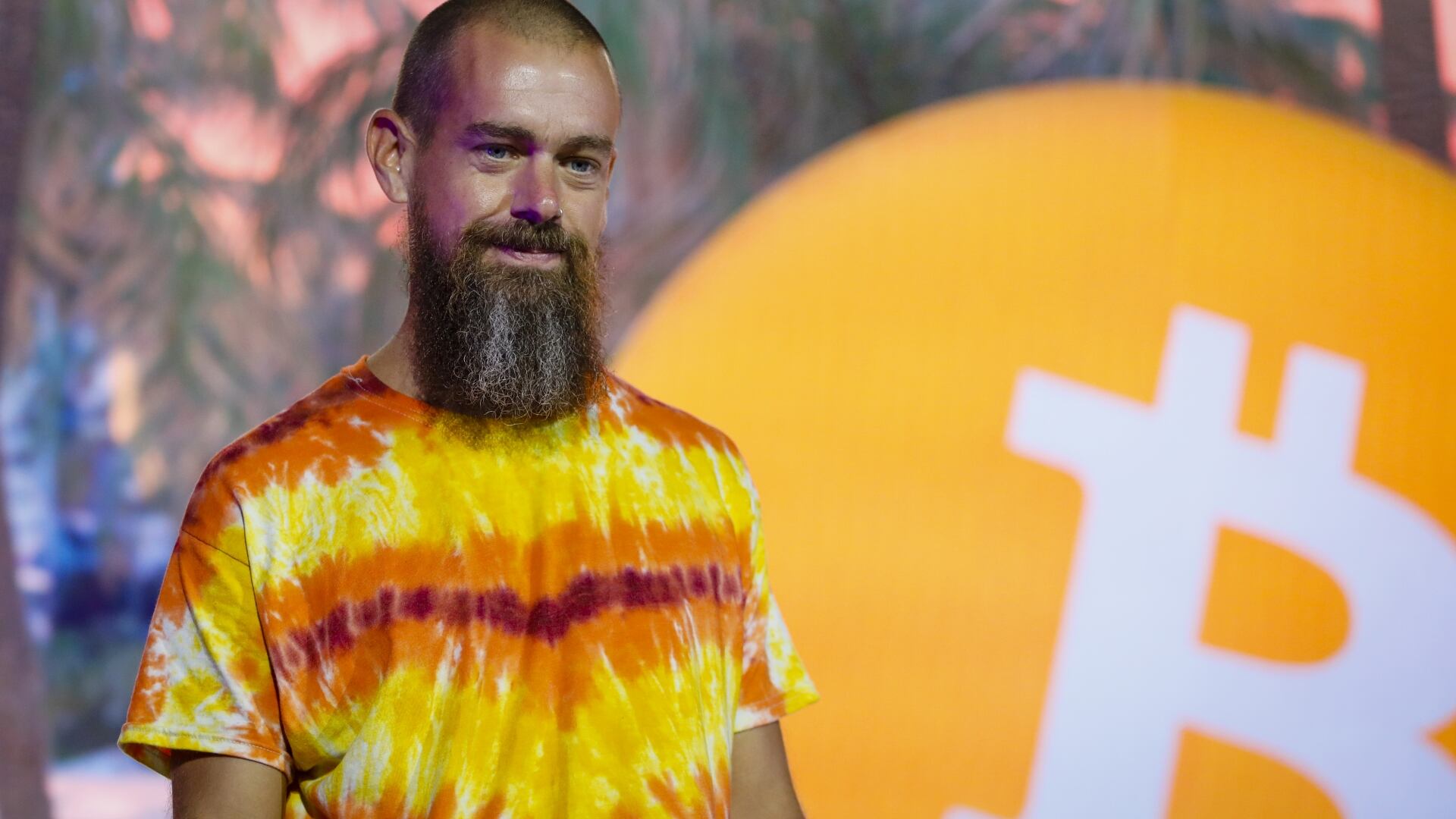
Venture capitalists and CEOs are clashing over the future of the internet. Web3 is the tech world's name for a decentralized, blockchain-based internet that runs on cryptocurrency. It was recently the topic of a tweet from Block CEO and former Twitter CEO Jack Dorsey who wrote that Web3 will not actually be owned by users, and instead be controlled by rich venture capitalists. Dorsey later shared that he was blocked on Twitter by Marc Andreesen, co-founder of VC firm Andreesen Horowitz, which has invested billions of dollars into Web3 and crypto projects. Correspondent for DealBook from the New York Times, Ephrat Livni, joins Cheddar News' Closing Bell to discuss what this could mean for the future of Web3.
Prices at the pump this year reached a seven-year high, and a new forecast from GasBuddy shared with CNN predicts that gas prices will only continue to rise in 2022 and that the national average could even reach $4.00 a gallon; however, analysts at GasBuddy say anything could happen when it comes to gas prices in the future, as the pandemic has made it difficult to make any predictions about the economy. Consumer Energy Alliance federal policy advisor Michael Zehr joins Cheddar News' Closing Bell to discuss.
The two tech- billionaires Elon Musk and Jack Dorsey are the latest voices to discuss the new hypothetical internet called Web 3.0. According to the billionaires, the new concept is just a "marketing buzzword" and cannot exist without venture capitalists or large backing. However, advocates of the Web 3.0 believe this decentralized space is the next big thing to help put ownership back into the hands of the people. Senior News Editor at The Verge, Richard Lawler, joined Cheddar to discuss more.