(Photo Illustration by Filip Radwanski/SOPA Images/LightRocket via Getty Images)
The price of bitcoin fell 48 percent in two days and lost 30 percent of its value this week, moving in tandem with risk assets and challenging the narrative that bitcoin acts as a safe haven asset in times of political and economic uncertainty.
Bitcoin is currently trading at $5,364, about 40 percent up from a low of $3,858 late Thursday night – the lowest since May 2019. Bitcoin has historically demonstrated strong recoveries from similarly violent sell-offs.
Crypto exchanges briefly went offline early Friday morning, and the New York State Department of Financial Services is requiring licensed crypto firms to produce coronavirus contingency plans.
On Thursday afternoon, between President Trump's speech about travel restrictions and before Christine Lagarde's speech in which she refused to cut rates, the crypto markets fell 20 to 30 percent in the span of an hour in one of bitcoin's sharpest ever selloffs. Gold, platinum, palladium, gasoline, and sugar plummeted around the same time.
"The latest market meltdown centers around liquidity (or lack thereof) as investors sell whatever they can to minimize additional losses or cover their positions," Kevin Kelly, lead analyst at Delphi Digital, said in an investor note Thursday. "The old adage 'cash is king' rings truer than ever at times like this as markets crater and hysteria takes hold. Beware fakeout rallies and false bottoms as they've claimed more careers than they've made."
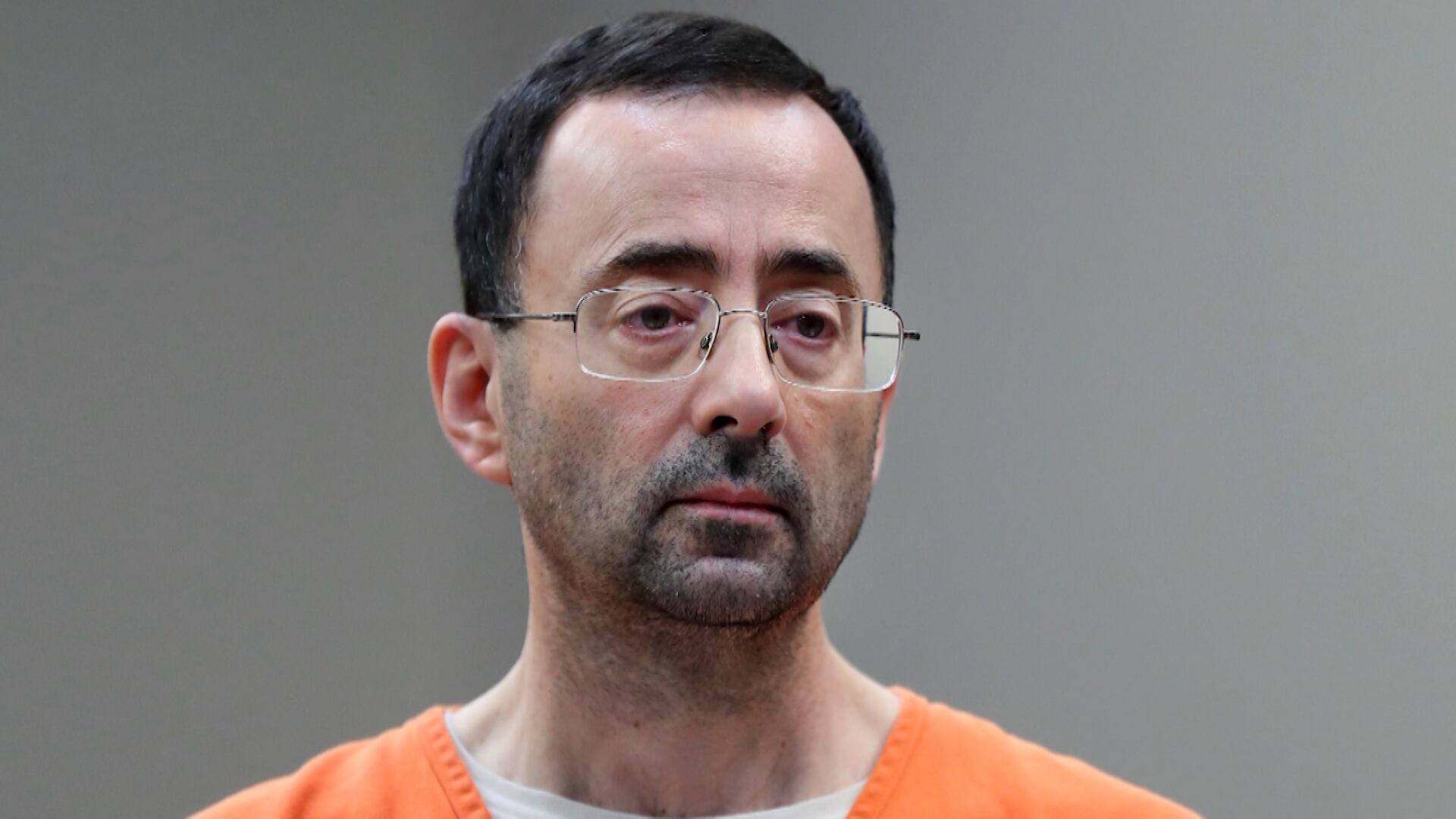
The victims from the USA gymnastics sexual abuse scandal continue to seek justice. Survivors of Larry Nassar are seeking more than one-billion dollars from the FBI for failing to stop the convicted sports doctor when the agency first received allegations. According to a report released by the Justice Department's Inspector General, FBI agents knew
in July of 2015 that Nassar was accused of abusing gymnasts; however, Nassar wasn't arrested until December of 2016. The group that filed the claim includes Olympic medalist Simone Biles and around 90 other women. Louise Radnofsky, sports reporter at The Wall Street Journal, joins Cheddar News' Closing Bell to discuss.
A controversial professional golf tour backed by Saudi Arabia tees off on Thursday. Today, two-time Major winner Dustin Johnson announced he's resigned from the PGA Tour ahead of headlining the Saudi-backed tour, called the LIV Golf Invitation Series. The announcement comes as the PGA tour has threatened disciplinary action for its golfers who take part in the Saudi golf league event, which will also feature notable golf stars like Phil Mickelson and Sergio Garcia; however, LIV Golf's CEO, Greg Norman, told The Washington Post that Tiger Woods rejected a contract worth 'high nine digits' to play in the tour. Chris Bumbaca, reporter for USA Today Sports, joins Cheddar News' Closing Bell to discuss.
CreditCards.com senior industry analyst Ted Rossman compares the Apple Pay Later offering to similar four-step processes at Affirm and Klarna, and says this is a way for the tech giant to dive deeper into the financial industry.
Tech analyst Rene Ritchie discusses new EU legislation that will force iPhones to use a USB-C charger in fall 2024 and what that means for Apple's strategy in Europe.
Catching you up on the stories you need to know this morning, mass shooting victims testify on Capitol Hill, the White House outlines its plan to vaccinate kids younger than five years old, and we break down how to protect yourself from monkeypox.
There are now over 1,000 plant-based restaurants in the U.S. It's clear that people are hungry for vegan alternatives at restaurants nationwide. However, when it comes to pizza, vegan options don't have the best reputation. NUMU Food Group is looking to change that with its brand new vegan mozzarella. Mike Pytlinski, CEO of NUMU Food Group, joins Cheddar News to discuss.
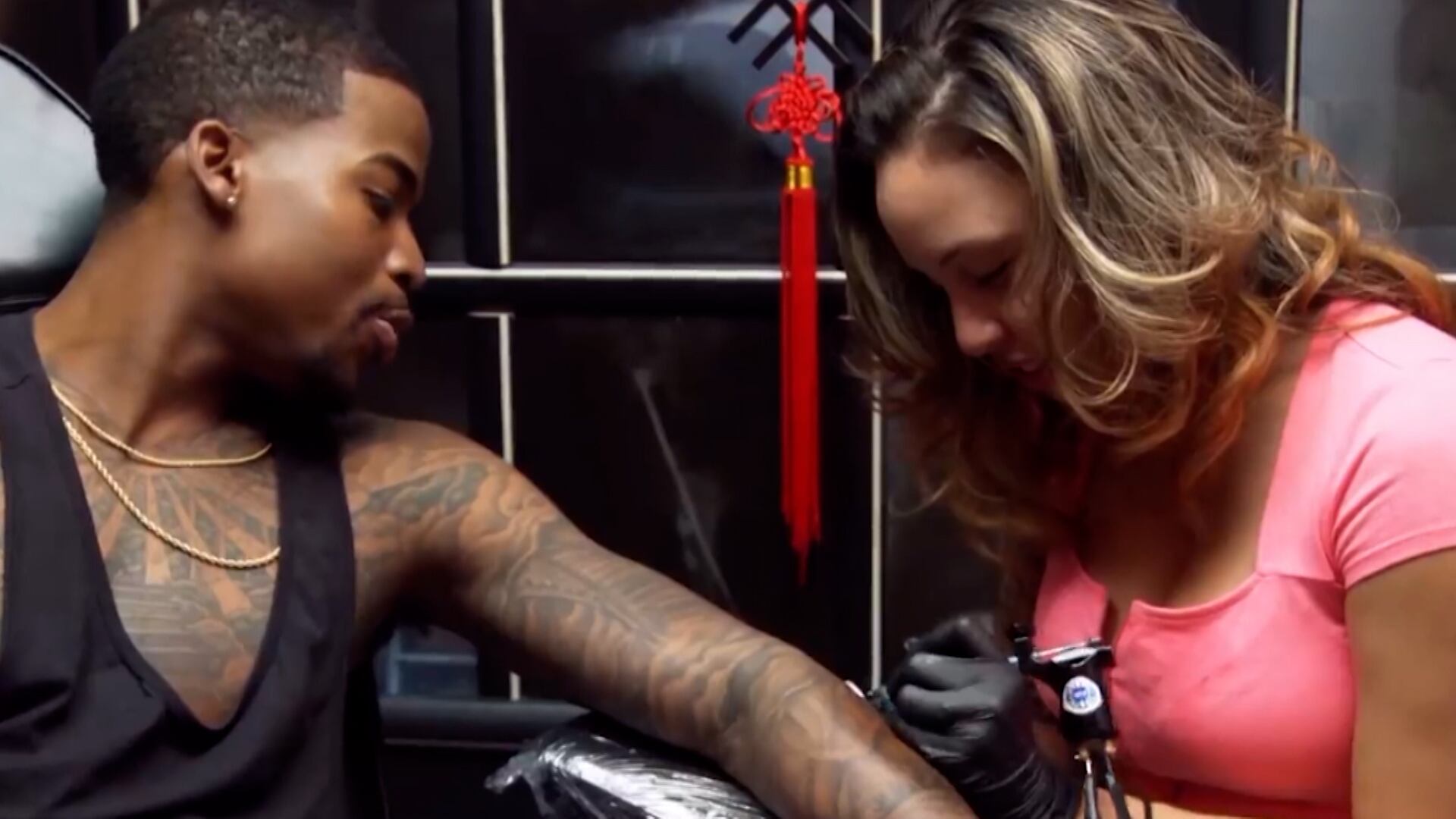
Tattoo artist Katrina "Kat Tat" Jackson, famous for starring in the VH1 hit series "Black Ink Crew: Chicago," is also the first Black woman to own a tattoo shop in Beverly Hills. She joined Cheddar News to discuss her trailblazing work, the stigma BIPOC tattoo artists face in the industry, and the way the space has changed for artists of color since her start. "In the beginning, I remember walking into a tattoo shop just like, hey, I wanna learn, I wanna be a tattoo artist and kind of just being laughed at, not taken seriously," she said. "Even with the tattoo conventions, a lot of African American tattoo artists were almost scared to go to conventions because it's not a welcoming environment."