There's a phenomenon on the internet called the "Streisand Effect," whereby a person's attempt to suppress information ends up widely publicizing that very same information. It was named after a 2003 incident when Barbra Streisand tried to keep images of her Malibu mansion off the web and inadvertently drew massive amounts of attention to it. And it's why Devin Nunes' mom was trending on Twitter Tuesday morning.
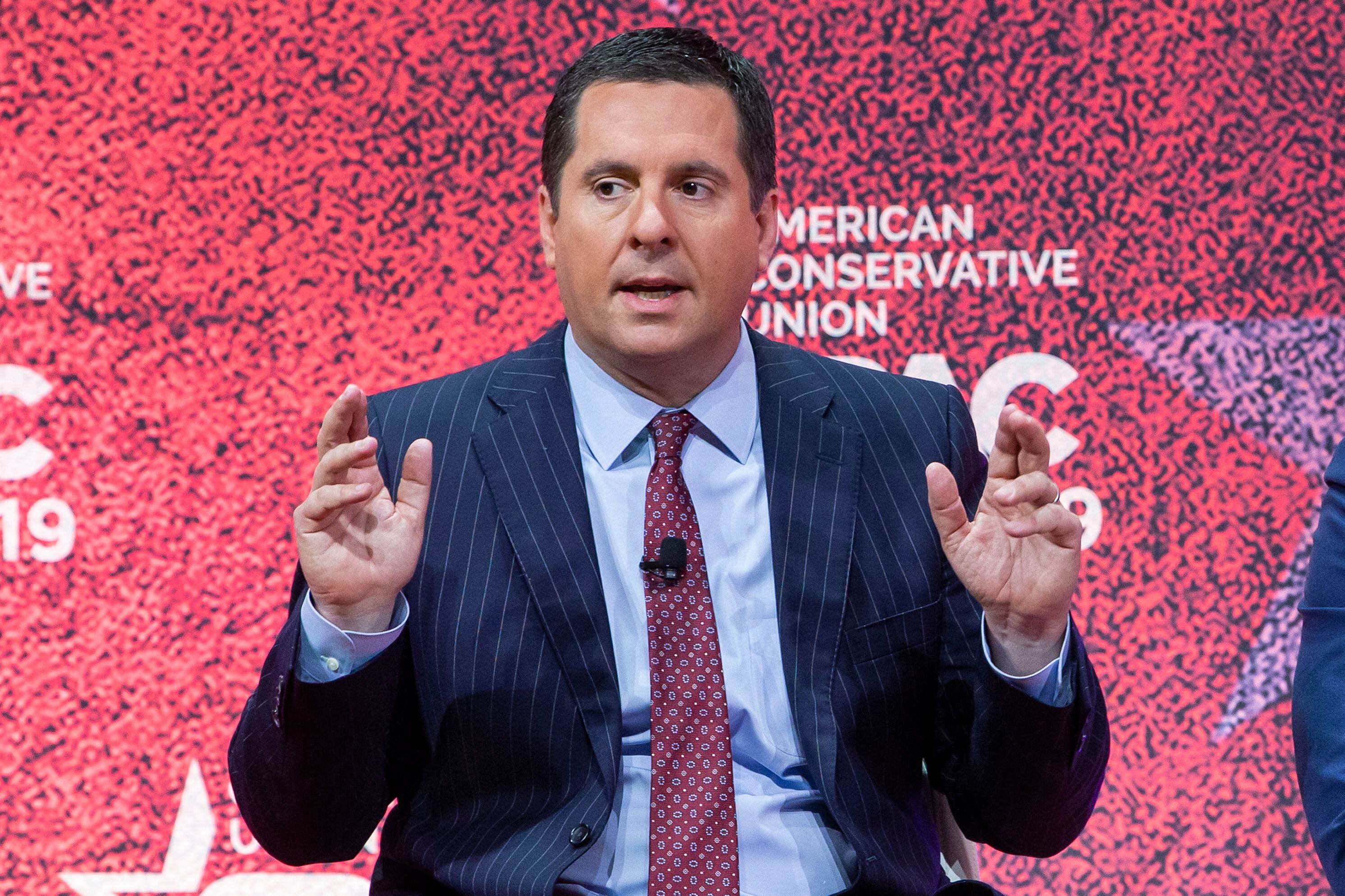
Nunes, the Republican congressman from California, said he was filing a lawsuit against Twitter and three specific Twitter users, seeking $250 million in damages. Nunes argues that the users defamed him and that Twitter “knowingly acted as a vessel for opposition research" and allowed defamatory statements against prominent conservatives to spread.
Two of the users named in the suit, which has not been yet been filed but was obtained by some news outlets, go by the usernames "Devin Nunes' Mom" and "Devin Nunes Cow." The former account was suspended, while the latter has spent the last two years calling Nunes names like "udder-ly worthless" and a "treasonous cowpoke."
The cow had about 1,200 followers before the lawsuit made headlines. It now counts 89,000 followers as of midday Tuesday.
Speaking to Fox News Monday night, Nunes called those accounts part of an "orchestrated effort" to target him for his allegiance to President Trump and his investigation, as the former chair of the House Intelligence Committee, into Hillary Clinton's 2016 campaign. He called the suit "the first of many."
The lawsuit seeks to tie those obvious parody accounts to a larger issue that has become a grievance among some conservatives on Twitter, in which they claim that the social network actively censors their tweets through "shadow banning" their accounts to make them harder to find. Twitter has denied those allegations.
As a public official, Nunes' lawsuit would have to show "actual malice," the standard set by the landmark Supreme Court case NY Times v. Sullivan to prove libel against public figures. Hyperbole and satire are generally protected as free speech, and similar lawsuits have failed in the courts. The Sullivan decision recently generated headlines when conservative Justice Clarence Thomas publicly called for it to be reconsidered.
While Nunes' lawsuit may seem doomed legally, it did have the effect, unintended or not, of gaining him publicity, which has in the past burnished conservatives' reputations in the eyes of their boss.
Two years ago, Nunes seemed to have a different perspective on litigation: he was a co-sponsor of the "Discouraging Frivolous Lawsuits Act."
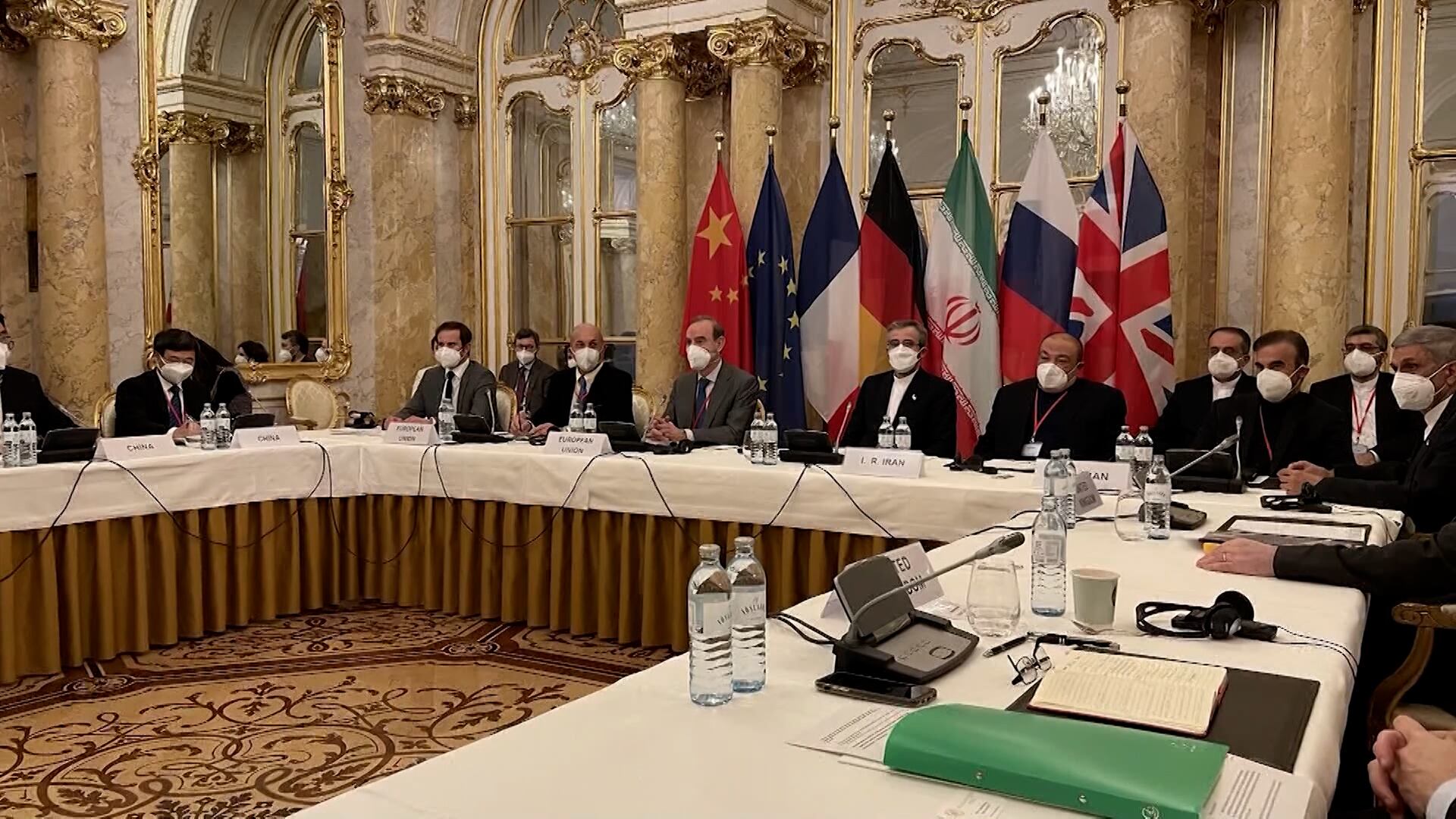
The U.S. is back in negotiations for a nuclear deal with Iran, years after former President Donald Trump withdrew the country from the Joint Comprehensive Plan of Action (JCPOA), which had been meant to curtail the Middle Eastern nation's nuclear ambitions. Former State Department senior advisor to the George W. Bush and Trump administrations, Christian Whiton, joined Cheddar News Wrap to discuss. “It appears to be very similar to the original JCPOA, which does put some constraints on Iran's nuclear program, but also has sunset provisions, including some that in the original plan were expected to take effect in 2025," he said. "And so, if we just reenter that plan, really it just buys perhaps a few years of slowing down, stopping, whatever you want to say, Iran's nuclear program."
The U.S. has announced the first of what could be multiple levels of sanctions against Russia after Moscow recognized two regions of Ukraine as independent. This comes as Britain imposes sanctions on five Russian banks and two oligarchs, and Germany freezes the Nord Stream gas pipeline. Terrell Star, a foreign affairs reporter at The Atlantic Council, joins from Kyiv to discuss.
Growing tensions in Ukraine might soon be impacting consumers in the United States. With Russia on an invasion footing in the region, gas prices are predicted to go up 10 to 15 cents a gallon in the next coming weeks, according to Robert Sinclair, spokesperson for AAA. Sinclair joined Cheddar to break down what could happen even further. "We've been seeing prices go up, and there's been nothing that's happened to affect supplies," he said. "But it's something known as the fear tax where just the talk of something that might interfere with supplies leads to prices going up speculatively."
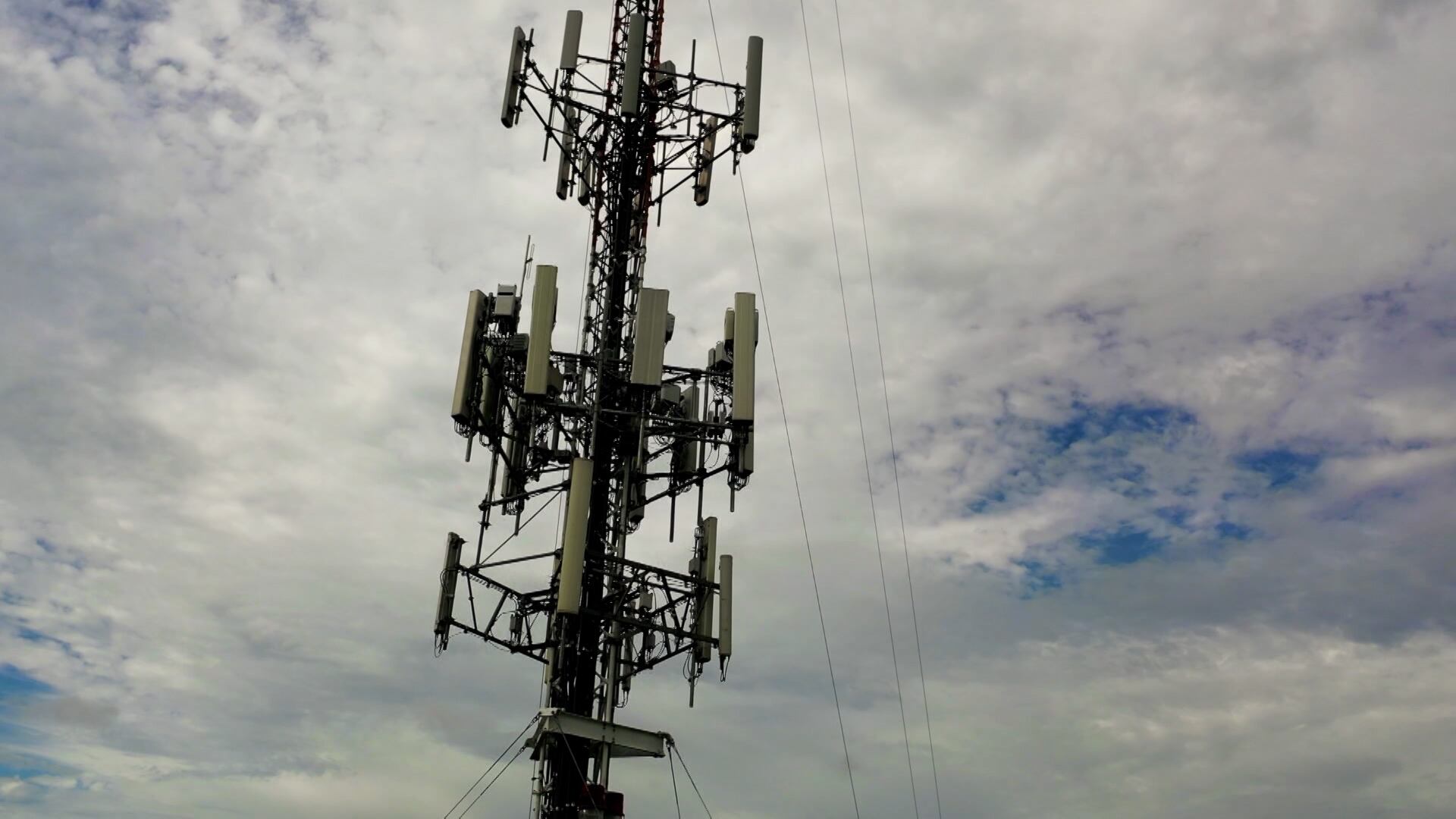
The end of 3G is upon us. On Tuesday, AT&T became the first major provider to disable its 3G services, and T-Mobile and Verizon plan to follow suit later this year. The shutdowns are expected to impact millions of vehicles that use 3G networks for updates, remote connection, and certain emergency and convenience features. Lance Ulanoff, the U.S. Editor-in-Chief of TechRadar, joined Cheddar's Closing Bell to discuss the ramifications of the changeover.
A new report shows nearly 240 former officials in Congress, the White House, and regulatory agencies have changed careers to work in the crypto industry.
President Biden unveiled new economic sanctions on Russia for what he called "the beginning of a Russian invasion". This came one day after Putin sent troops into two breakaway regions of eastern Ukraine. Alex Ward, national security reporter for POLITICO, explains what these sanctions might do to the global economy.
U.S. stocks ended today's session sharply lower on the heels of rising geopolitical tensions between Russia and Ukraine. Melissa Brown, Managing Director of Applied Research at Qontigo, joins Cheddar News' Closing Bell to discuss.
President Joe Biden said Tuesday that the U.S. will begin to impose sanctions on Russia, calling recent troop movement into Ukraine an 'invasion.' Biden and other government officials including from the State Department have begun to classify the Russian troop movement as an invasion after Russian President Vladimir Putin ordered troops to two independent Ukrainian areas in an alleged "peacekeeping" mission — which the West considers an act of aggression. Biden said Russia will continue to pay 'an even steeper price' if it continues sending troops into Ukraine. What happens next? Will Putin find a way around these sanctions? Ariel Cohen, senior fellow at the Atlantic Council, joins Closing Bell to discuss Biden's remarks, how the West will protect Ukraine since it doesn't belong to NATO, and more.