WarnerMedia's new streaming service HBO Max is already leading the pack — in terms of price.

Though viewers will need to shell out more for the service than its competitors, the price might actually be a bargain. HBO customers already pay $14.99 a month. With HBO Max, people will pay the same amount but get more bespoke programming and 10,000 hours of previously released movies and television shows.

WarnerMedia held an investor day for its new streaming service on Tuesday, unveiling more details about the highly anticipated platform. HBO Max will be half focused on younger millennial programming, with the other half focused on entertainment for children and adults.

The service, slated to launch in May 2020, will be the home for exclusive shows based on top properties including the Game of Thrones prequel House of Targaryen and a Gossip Girl" sequel. It will also have a rebooted version of *The Boondocks and a musical series set in the Grease 1950s universe, as well as *Sesame Street" and spin-offs from the franchise.

WarnerMedia also has a goal of HBO Max reaching 50 million users by 2025. It already has a head start, given that HBO already has 37 million domestic subscribers and standalone HBO Now customers will get HBO Max for the same price.

While the service does cost three times the price of the upcoming Apple TV+, which is set to launch on November 1 at $4.99, HBO Max will come with a large library of shows and movies. Customers will also be able to find TV series including South Park, Friends, The Fresh Prince of Bel-Air, and The Big Bang Theory. DC movies including Joker will be available at launch, among other titles.

In order to run some of this content exclusively, WarnerMedia has pulled some of the high-profile content from competitors like Netflix and Hulu. That should give HBO Max a competitive boost, considering that many of these shows are proven hits and household names.

In addition, HBO Max gets benefits from the strong HBO brand. Many consumers equate HBO with quality and award-winning programming. WarnerMedia plans to double its annual spend on HBO content to $2 billion in 2020. It's still a fraction of the $15 billion Netflix is set to spend on shows and movies this year. Even with the smaller budget, HBO dominated at the Emmys this year, taking home 34 top honors. Netflix nabbed 27, while Amazon had 15.

Still, it's not all smooth sailing ahead for HBO Max. The company could potentially dilute the brand name if it expands to shows and movies that aren't up to the same standard loyal HBO audiences are used to.

It's also the late entrant to a marketplace that will already have Apple and Disney's new streaming platforms, as well as Netflix, Hulu, and the myriad of hyperspecific streaming services that cater to niche tastes. While the $15 price point isn't unreasonable, viewers may be checking their wallets by next May to see if they have enough left in the budget to add HBO Max.


Share:
More In Business
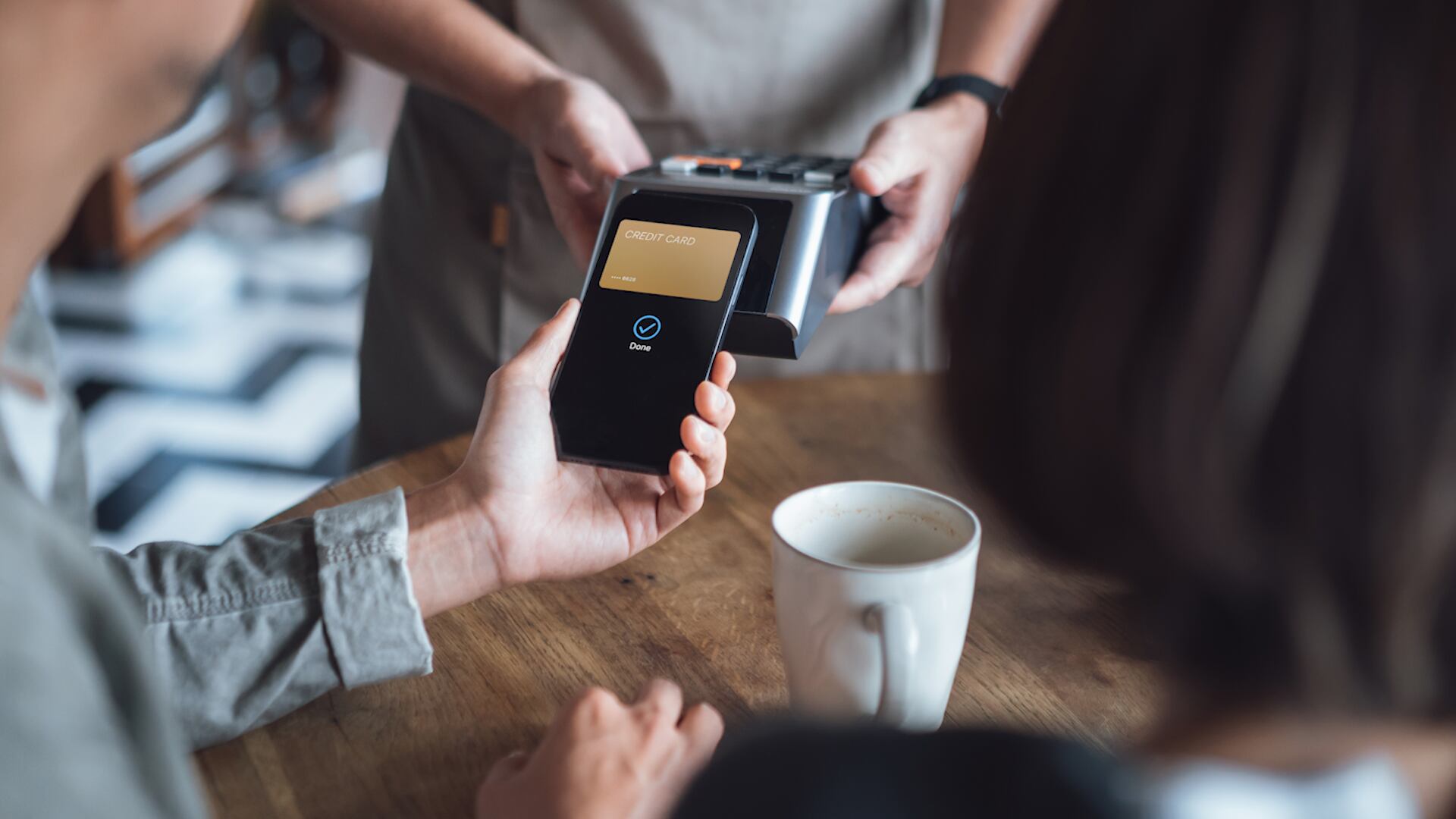
The Rise of the Cashless Revolution
On this episode of Cheddar Reveals, Yair Nechmad, Nayax CEO, discusses the future of cashless payments, and how cashless payments give retailers a competitive edge and allow merchants to scale business; Jason Thomas, Global CEO of Tappit, breaks down how the pandemic accelerated the transition to cash-free live events, and why that trend is here to stay; Cheddar gets a look at Curiosity Steam's 'Blockchain Revolution.'
The Future of Cashless Payments at Live Events
Not long ago, banning cash at a large public event would have been seen as a crazy idea that would deter sales. But our cash-free future is getting closer with the use of contactless payments being implemented in sports venues, music festivals, concerts, and more. Jason Thomas, Global CEO of Tappit, joins Cheddar Reveals to break down how the pandemic accelerated the transition to cash-free live events, and why that trend is here to stay.
The Future of Cashless Payments
Yair Nechmad, Nayax CEO, joins Cheddar Reveals to discuss the future of cashless payments, and how cashless payments give retailers a competitive edge and allow merchants to scale business.
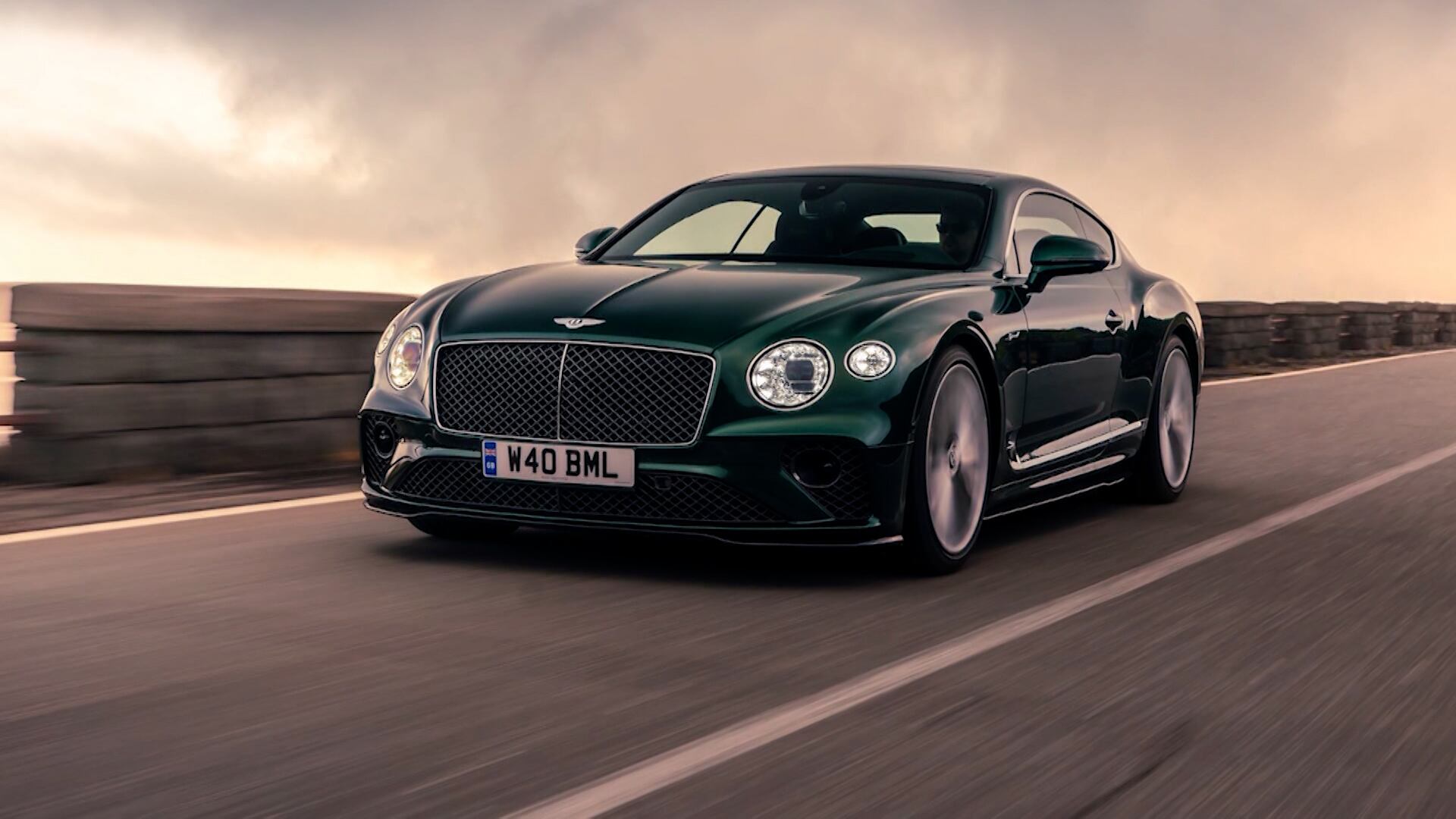
Bentley Pledges End-To-End Carbon Neutrality By 2030
Bentley aims to become end-to-end carbon neutral by 2030. The luxury car brand has outlined steps to achieve this goal, including switching its entire model range to plug-in hybrid or battery electric vehicles by 2026 and become fully electric by 2030. Christophe Georges, president & CEO of Bentley Americas, joined Cheddar to discuss this new pledge and what consumers can expect from future models.
PepsiCo Pledges To Advance Food Security To 50 Million People By 2030
PepsiCo has announced a new goal to advance food security for 50 million people by 2030. To help achieve this goal, the company is partnering with local communities around the world to expand access to nutritious foods, increase productivity and incomes of small-scale farmers. Jon Banner, president of the PepsiCo Foundation, joined Cheddar to discuss this new pledge and his argument for why the world has to rethink the way it produces and distributes food.
NFT Authentication Startup ORIGYN Raises $20 Million
ORIGYN Foundation, an NFT authentication start-up based in Switzerland, has secured $20 million in funding from investors like Paris Hilton, Bill Ackman, and Polychain Capital, among others. The non-profit, now valued at $300 million, uses AI technology to verify non-fungible tokens across art, collectibles, digital media and luxury goods. Daniel Haudenschild, CEO of ORIGYN Entreprise, discusses how the money will help put power back into the hands of artists, creators, and collectors.
Butterball CEO on Turkey Prices, Supply Chain Woes
With millions of Americans set to host Thanksgiving this year, shoppers can expect to pay more at grocery stores, with the price of a thanksgiving meal up 14% from last year. According to the USDA, the average price of an 8- to 16-pound frozen turkey is up 21% from a year ago. Jay Jandrain, CEO, Butterball, joined Cheddar’s Opening Bell to discuss how his company is being affected by supply chain challenges and rising prices.
Load More